Employee Lockers for Secure Workplace Storage
Employee lockers provide secure, organized storage for personal belongings, devices, and work items in offices, staff rooms, and break areas. Plan the right layout, access method, finish, and installation approach with support for your facility’s users and space.
What Are Employee Lockers?
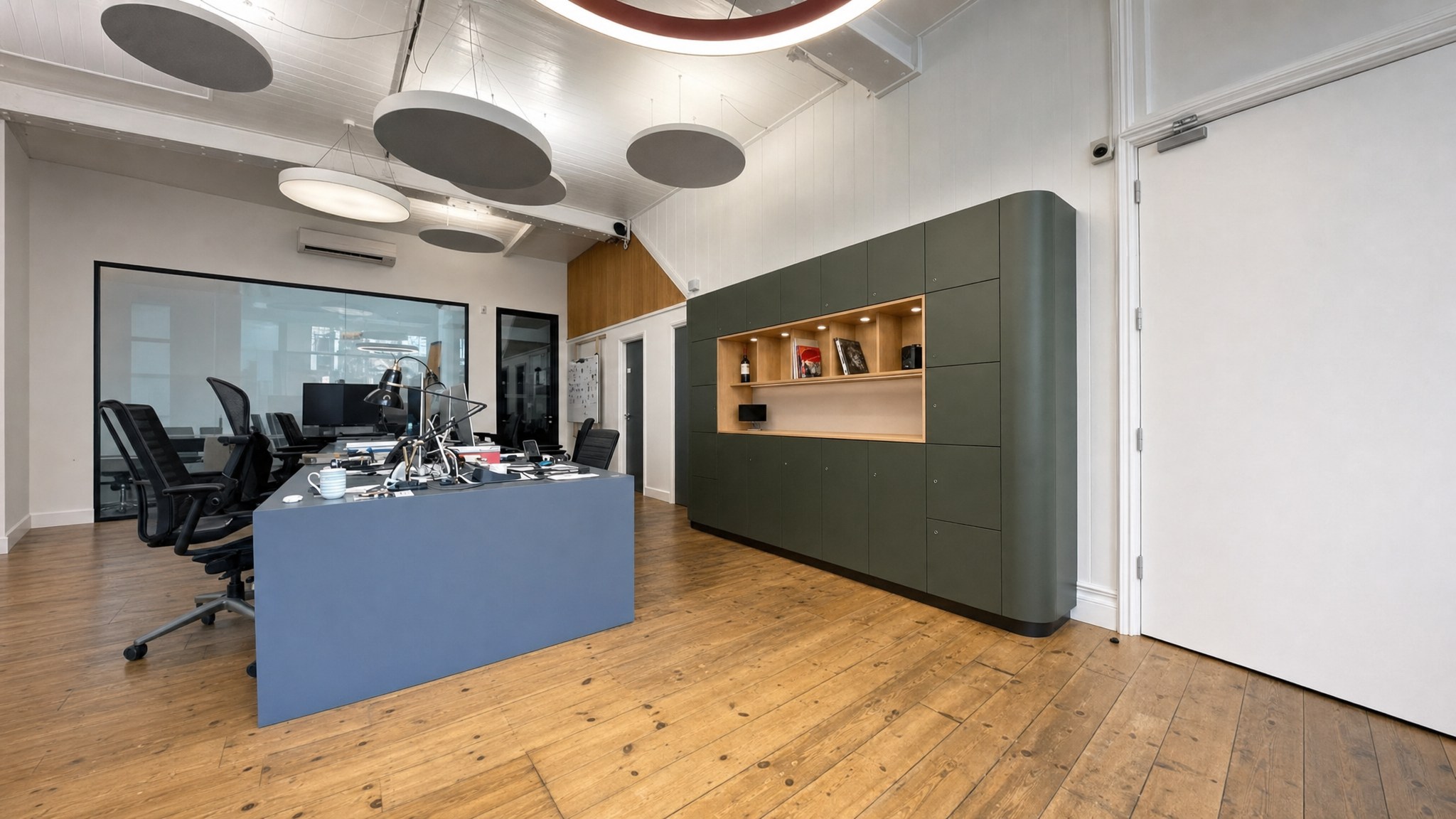
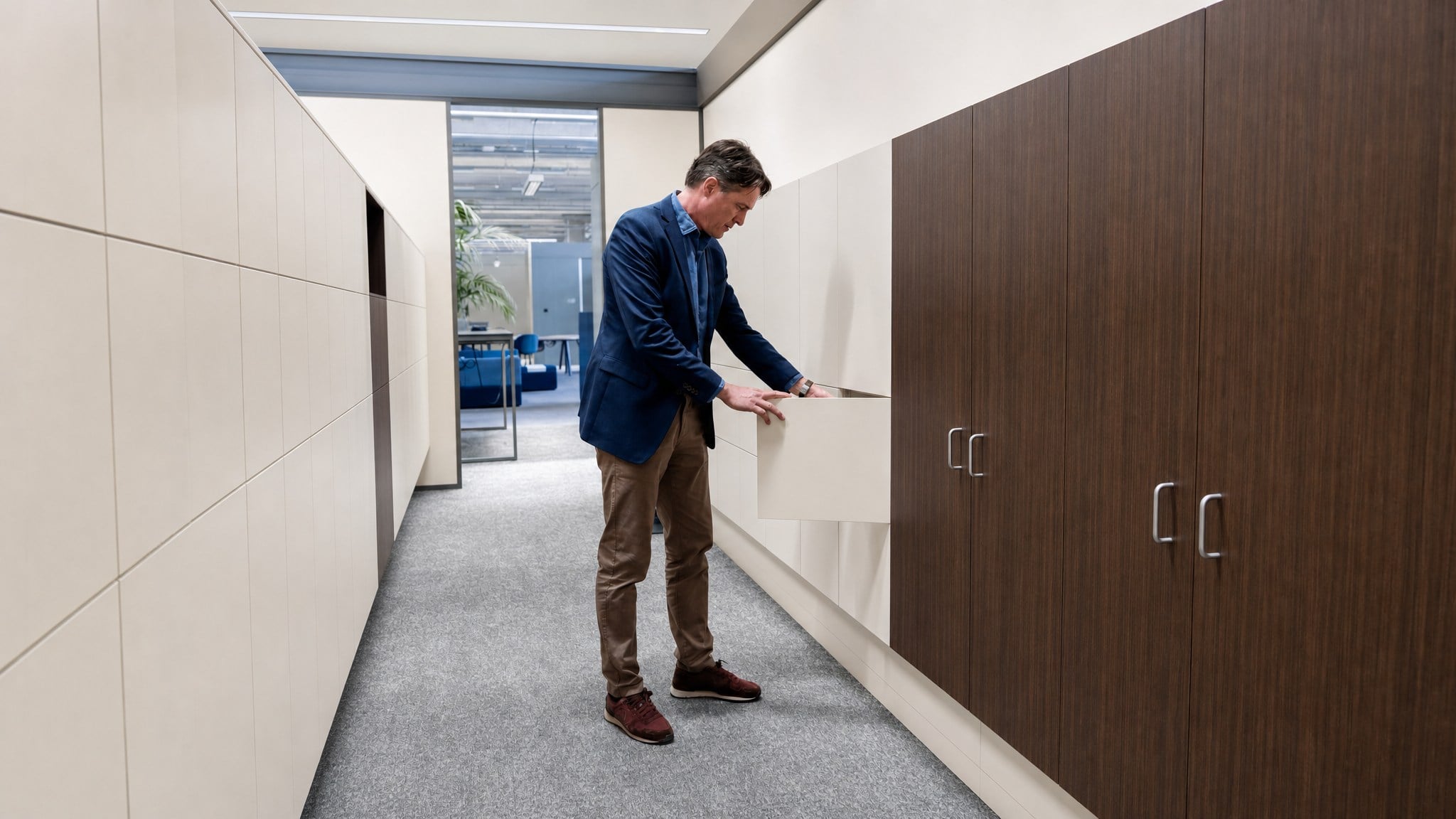
Employee lockers are secure personal storage systems for offices, staff rooms, break rooms, warehouses, healthcare facilities, education spaces, and retail back-of-house areas. They give employees a designated place for bags, uniforms, electronics, documents, PPE, and personal items during the workday, helping shared spaces stay clean and organized.
Planning Employee Locker Size, Layout, and Capacity
Employee locker systems are available in multiple compartment layouts and modular configurations to fit different user groups and workplace footprints. During planning, review who will use the lockers, what they need to store, whether access will be assigned or day-use, and where the system will fit without disrupting circulation.
For facilities that need software assignment, usage history, and administrator controls, explore Smart Lockers for intelligent locker system options.
- Daily users, shift counts, hybrid attendance patterns, and visitor or temporary staff needs
- Compartment requirements for bags, coats, uniforms, PPE, electronics, or lunches
- Placement along walls, in break rooms, near hoteling areas, or within an employee locker room
- Power and ventilation needs when lockers will store or charge employee devices
Employee Locker Access, Charging, Finish, and Smart Options
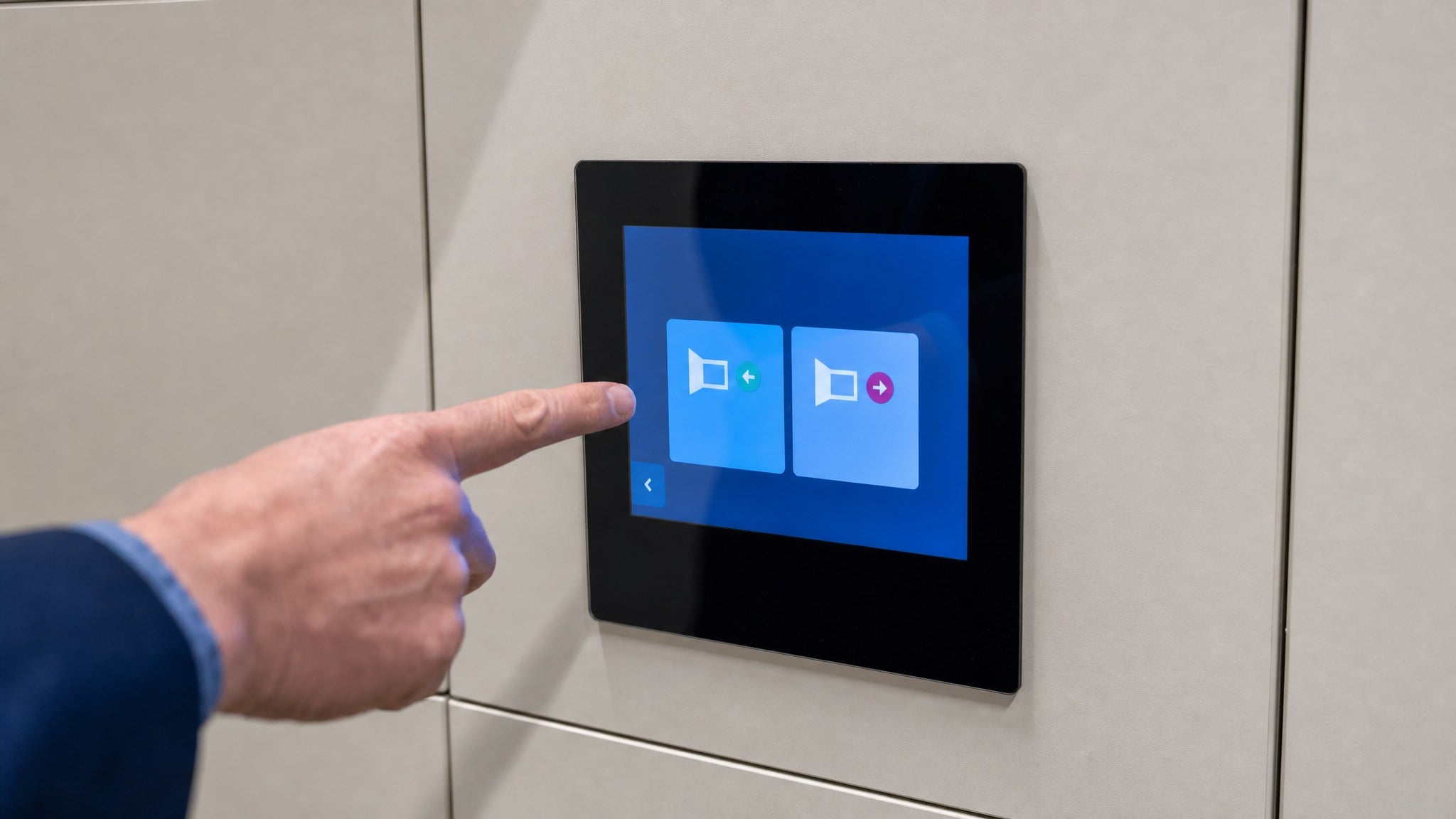
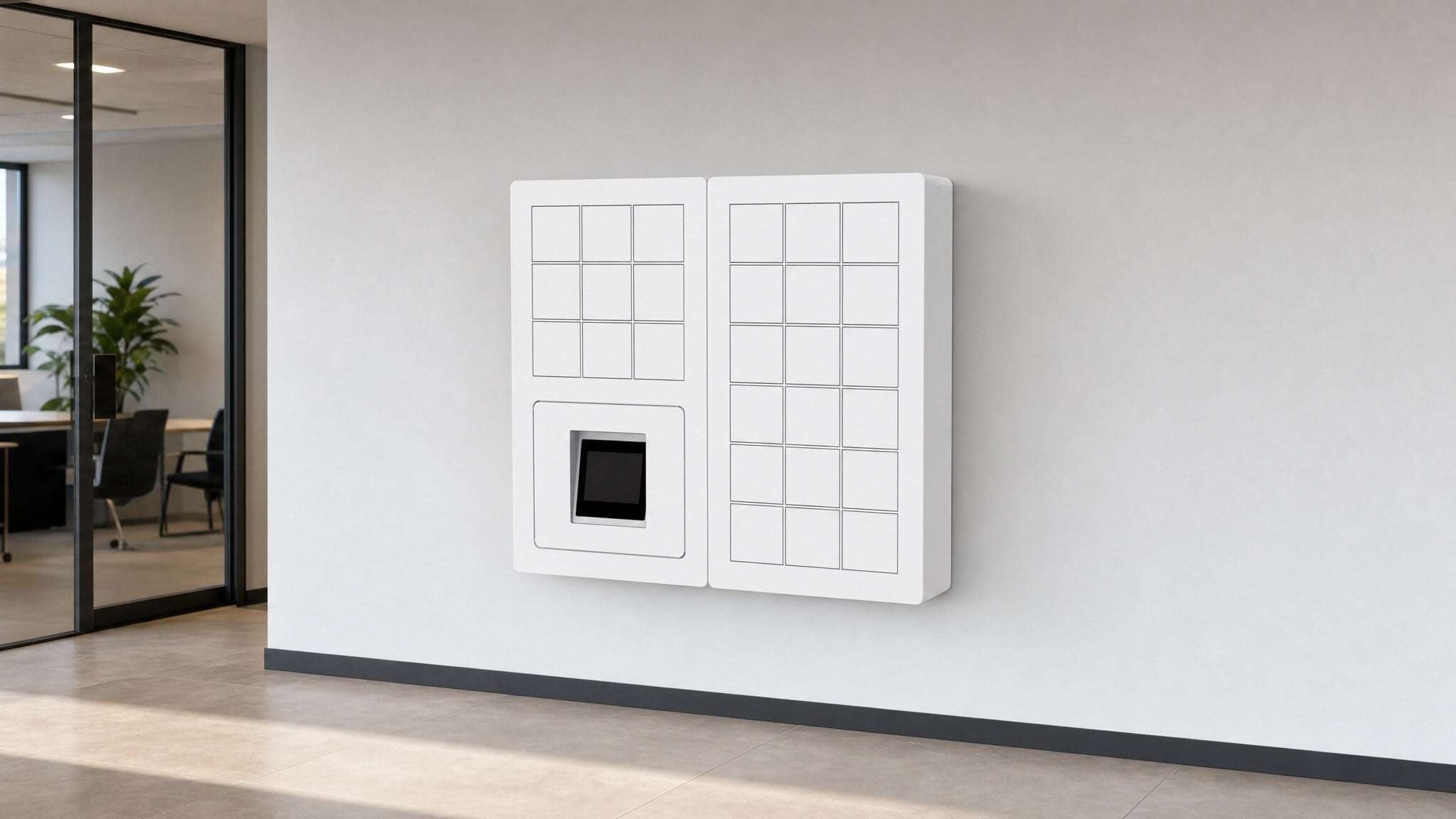
The right employee locker system depends on how much control, convenience, and administrative visibility your facility needs. Basic staff lockers can be planned for straightforward personal storage, while employee smart lockers can add software tools for assignment, usage history, and auditing where those controls are useful.
If your focus is reducing physical key handling with PIN, RFID, badge, or mobile access, learn more about keyless lockers for modern office and staff storage.
- Access methods: key, combination, keypad, PIN, RFID, badge, or mobile credentials
- Smart management: assignment software, usage logs, audit trails, and administrator controls
- Device charging: optional power for phones, laptops, tablets, scanners, or other workplace electronics
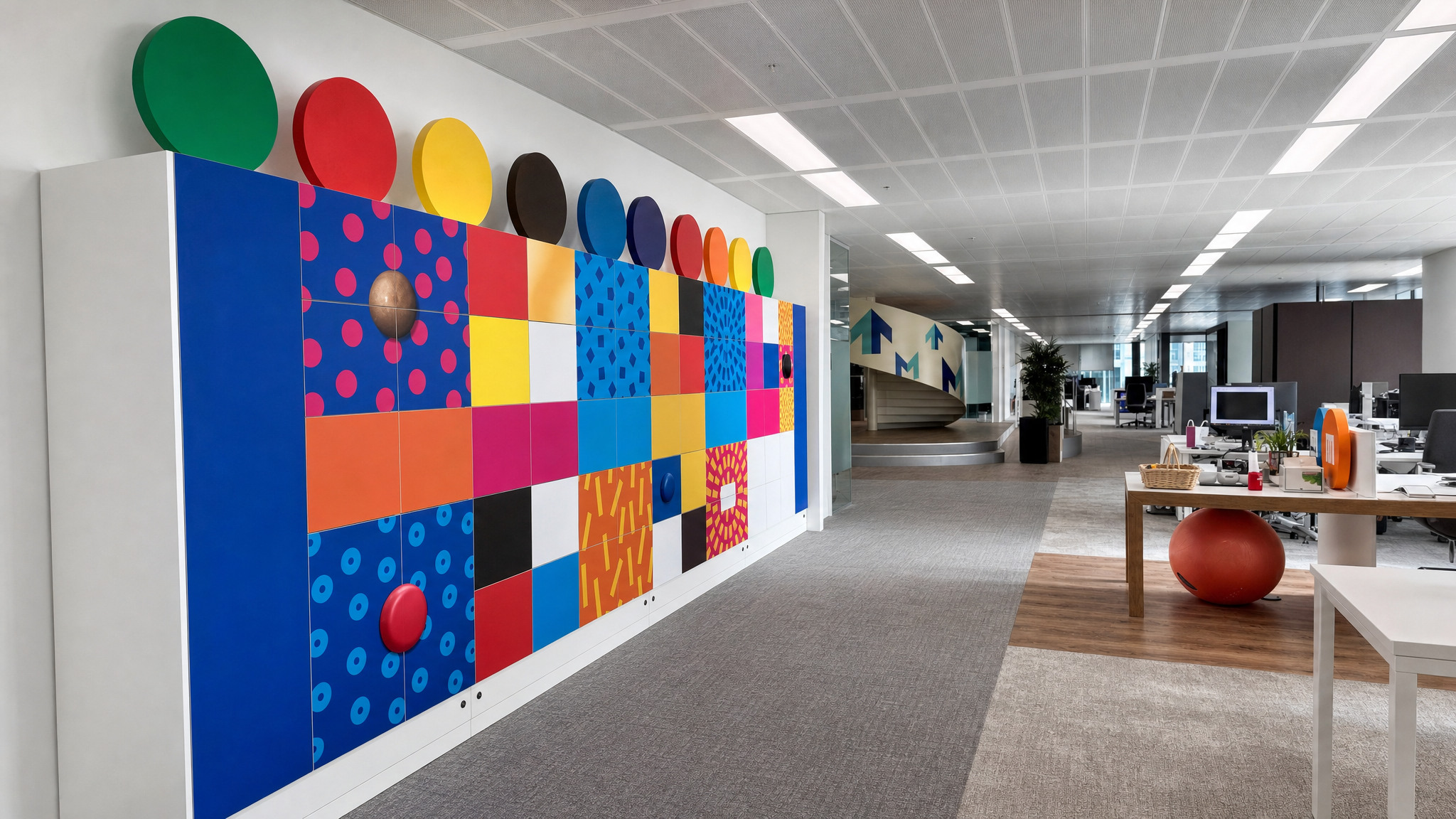
- Materials and finishes: steel, laminate, wood, custom colors, and optional graphics
Where Employee Lockers Fit in the Workplace
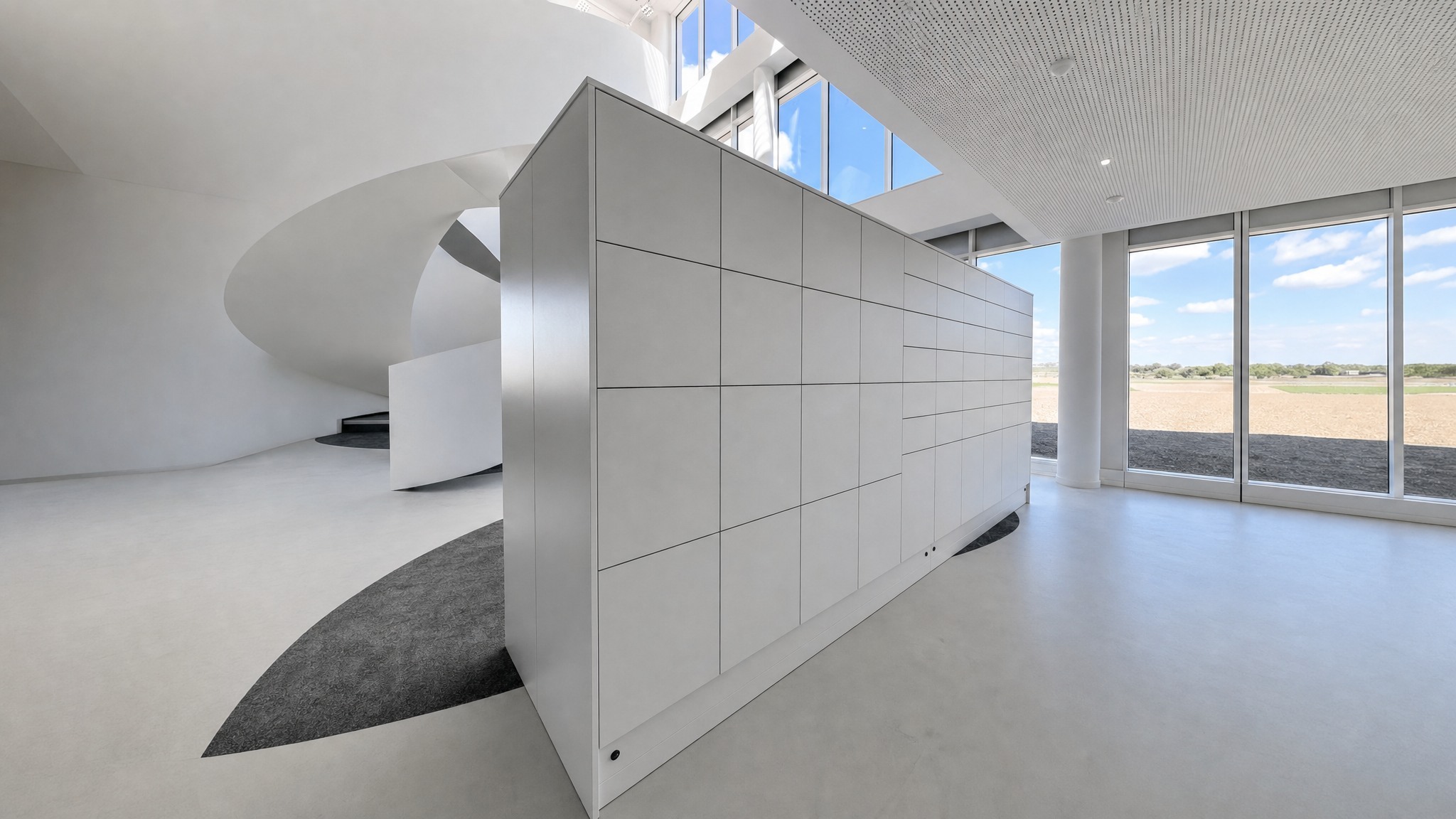
Employee lockers fit where staff need secure storage close to daily activity, including office neighborhoods, break rooms, staff rooms, warehouse support areas, healthcare staff zones, campuses, and retail back rooms. Good placement helps employees store personal items before work, during breaks, or between shifts without turning shared spaces into catch-all storage areas.
How to Select and Plan Employee Lockers
Before requesting a quote, gather details about the locker location, available space, number of users, stored items, access preferences, and finish expectations. Southwest Solutions Group provides consultation, design, installation, and support to help match office lockers for employees, staff room lockers, and workplace storage lockers to the facility’s actual use patterns.
For teams aligning lockers with approved credentials and managed permissions, review locker access control integration before finalizing access-control requirements.
- Facility type, installation area, wall or room constraints, and traffic flow
- Assigned, shared, or day-use policy for each employee group
- Access-control preference and whether software-based management is needed
- Charging, power, ventilation, appearance, and future expansion goals
Office and Hybrid Workplace Storage
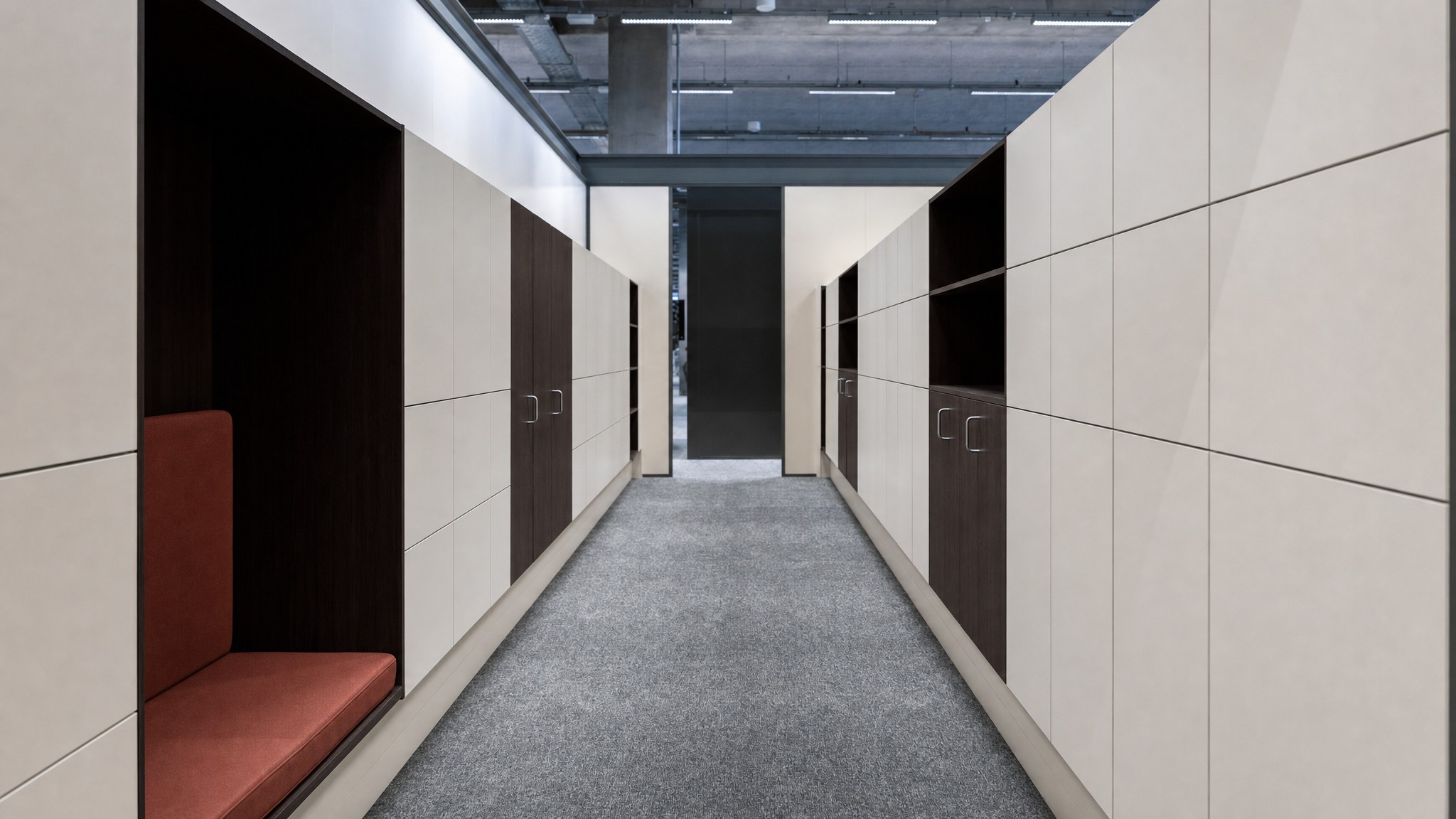
Hybrid offices need personal storage for employees who are not onsite every day and may not have permanent desks. Employee lockers support assigned or day-use programs so workers can secure bags, laptops, documents, and personal items before using hoteling areas, meeting rooms, or shared workstations.
For hybrid workplace assignment, release, and day-use management strategies, visit our hybrid workplace locker management solution for additional planning guidance.
- Day-use lockers help rotating staff avoid leaving belongings at shared desks
- Assigned compartments give frequent onsite employees a consistent storage location
- Modern finishes help lockers fit open office areas instead of being hidden away
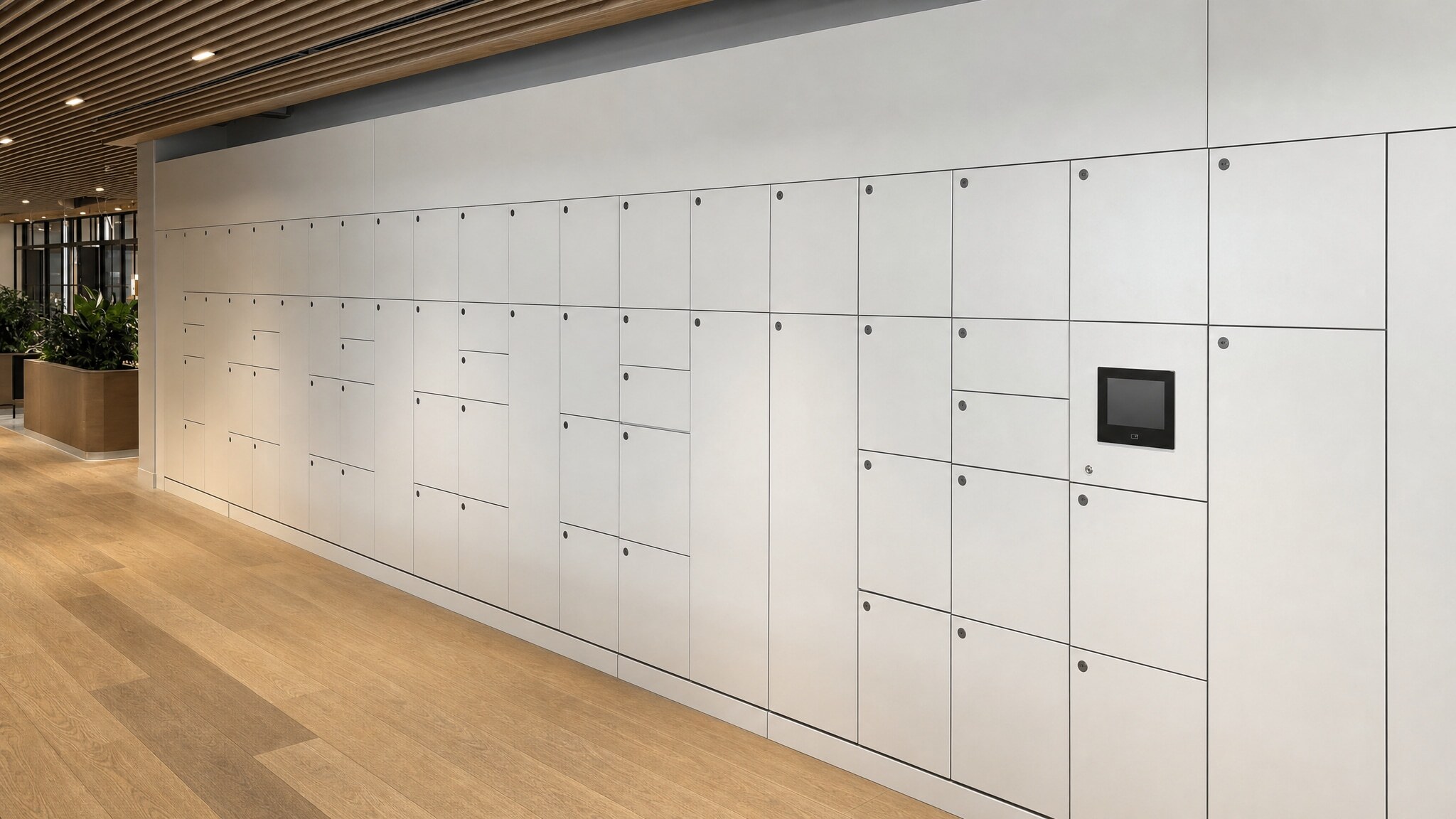
Planning Your Employee Locker System
Use these planning decisions to define the employee locker configuration before selecting access controls, finishes, charging options, and installation requirements.
| Planning Decision | Why It Matters | What to Confirm |
|---|---|---|
| User Program | Facilities deciding whether lockers will be permanently assigned, shared by shift, or available for day use. | Confirm how many people need storage, how often users change, and whether administrators need to reassign compartments. |
| Access Method | Workplaces that want to reduce key handling or align locker access with employee credentials. | Decide whether key, combination, keypad, PIN, RFID, badge, or mobile access best fits your security and user-management needs. |
| Smart Management | Hybrid offices, large staff areas, and rotating workforces that need assignment controls, usage logs, or auditing. | Confirm whether software-based locker assignment and activity tracking are needed beyond basic personal storage. |
| Device Charging | Teams storing phones, laptops, tablets, scanners, or other work devices during the day. | Review charging, power, ventilation, and device compatibility requirements during the design phase. |
| Storage Workflow | Facilities comparing employee belongings storage with package pickup, asset pickup, or other self-service locker workflows. | Use employee lockers for personal workplace storage; use parcel lockers when the main requirement is package delivery and retrieval. |
Southwest Solutions Near You
With 7 offices in Texas, Oklahoma, Kansas and Colorado, plus teams covering every major metro area nationwide, Southwest Solutions Group delivers expert employee lockers sales, design, installation, and maintenance support wherever you need it.
Employee Lockers Service Areas
Texas
- Dallas
- Austin
- Houston
- San Antonio
- Waco
- Tyler
- Amarillo
- Lubbock
- El Paso
- Ft Worth
- Corpus Christi
- Midland
Oklahoma
- Oklahoma City
- Tulsa
- Norman
- Lawton
- Enid
- Stillwater
- McAlester
- Muskogee
- Guymon
Kansas
- Wichita
- Overland Park
- Topeka
- Kansas City
- Lawrence
- Manhattan
- Salina
- Hays
- Dodge City
- Garden City
Colorado
- Denver
- Colorado Springs
- Fort Collins
- Grand Junction
- Pueblo
- Durango
- Alamosa
- Steamboat Springs
- Greeley
Alabama
- Huntsville
- Birmingham
- Montgomery
- Mobile
- Tuscaloosa
- Hoover
- Dothan
- Decatur
Alaska
- Anchorage
- Fairbanks
- Juneau
- Sitka
- Ketchikan
- Kodiak
- Bethel
- Nome
Arizona
- Phoenix
- Tucson
- Flagstaff
- Yuma
- Prescott
- Lake Havasu City
- Sierra Vista
- Kingman
Arkansas
- Little Rock
- Fayetteville
- Fort Smith
- Jonesboro
- Hot Springs
- Pine Bluff
- Texarkana
- Bentonville
- Arkadelphia
California
- Los Angeles
- San Diego
- San Francisco
- Sacramento
- Fresno
- Redding
- Bakersfield
- San Bernardino
- San Jose
Connecticut
- Hartford
- New Haven
- Stamford
- Bridgeport
Delaware
- Wilmington
- Dover
- Newark
- Rehoboth Beach
Florida
- Jacksonville
- Tallahassee
- Orlando
- Tampa
- Miami
- West Palm Beach
- Fort Myers
- Pensacola
Georgia
- Atlanta
- Savannah
- Augusta
- Columbus
- Macon
- Athens
- Valdosta
- Gainesville
- Albany
Hawaii
- Honolulu
- Hilo
- Kahului
- Kailua-Kona
- Lihue
Idaho
- Boise
- Coeur d'Alene
- Twin Falls
- Idaho Falls
- Pocatello
- Lewiston
- McCall
- Sandpoint
- Moscow
Illinois
- Chicago
- Springfield
- Rockford
- Peoria
- Champaign
- Bloomington
- Carbondale
- Moline
- Quincy
Indiana
- Indianapolis
- Fort Wayne
- South Bend
- Evansville
- Lafayette
- Bloomington
- Terre Haute
- Gary
- Muncie
Iowa
- Des Moines
- Cedar Rapids
- Davenport
- Sioux City
- Iowa City
- Waterloo
- Council Bluffs
- Ames
- Mason City
Kentucky
- Louisville
- Lexington
- Bowling Green
- Owensboro
- Covington
- Paducah
- Ashland
- Richmond
- Frankfort
- Pikeville
- Florence
Louisiana
- New Orleans
- Baton Rouge
- Shreveport
- Lafayette
- Lake Charles
- Monroe
- Alexandria
- Houma
Maine
- Portland
- Bangor
- Augusta
- Lewiston
- Waterville
- Presque Isle
- Bar Harbor
- Biddeford
- Rockland
Maryland
- Baltimore
- Annapolis
- Frederick
- Hagerstown
- Salisbury
Massachusetts
- Boston
- Worcester
- Springfield
- Pittsfield
Michigan
- Detroit
- Grand Rapids
- Lansing
- Ann Arbor
- Flint
- Traverse City
- Marquette
- Kalamazoo
- Saginaw
Minnesota
- Minneapolis
- St. Paul
- Duluth
- Rochester
- Mankato
- St. Cloud
- Bemidji
- Moorhead
Mississippi
- Jackson
- Gulfport
- Hattiesburg
- Biloxi
- Southaven
- Meridian
- Tupelo
- Natchez
- Greenville
- Oxford
Missouri
- Jefferson City
- St. Louis
- Kansas City
- Springfield
- Columbia
- Joplin
- Cape Girardeau
- St. Joseph
- Rolla
Montana
- Helena
- Billings
- Missoula
- Great Falls
- Bozeman
- Kalispell
- Havre
- Miles City
Nebraska
- Lincoln
- Omaha
- Grand Island
- Kearney
- Scottsbluff
- Norfolk
- North Platte
- Fremont
- South Sioux City
Nevada
- Las Vegas
- Reno
- Carson City
- Elko
- Pahrump
- Henderson
- Winnemucca
- Mesquite
- Fallon
New Hampshire
- Concord
- Manchester
- Portsmouth
- Keene
- Nashua
New Jersey
- Newark
- Jersey City
- Trenton
- Atlantic City
New Mexico
- Santa Fe
- Albuquerque
- Las Cruces
- Roswell
- Farmington
- Gallup
- Carlsbad
- Clovis
New York
- Albany
- New York City
- Buffalo
- Rochester
- Syracuse
- Binghamton
- Ithaca
- Plattsburgh
North Carolina
- Raleigh
- Charlotte
- Greensboro
- Asheville
- Wilmington
- Fayetteville
- Boone
- Greenville
North Dakota
- Bismarck
- Fargo
- Grand Forks
- Minot
- Dickinson
- Williston
- Jamestown
- Devils Lake
Ohio
- Columbus
- Cleveland
- Cincinnati
- Toledo
- Dayton
- Akron
- Youngstown
- Athens
Oregon
- Portland
- Salem
- Eugene
- Hermiston
- Baker City
- Medford
- Bend
- Klamath Falls
Pennsylvania
- Harrisburg
- Philadelphia
- Pittsburgh
- Erie
- Scranton
- State College
- Allentown
- Williamsport
Rhode Island
- Providence
- Warwick
- Newport
- Woonsocket
South Carolina
- Columbia
- Charleston
- Greenville
- Myrtle Beach
- Hilton Head Island
- Spartanburg
- Florence
- Rock Hill
South Dakota
- Pierre
- Sioux Falls
- Rapid City
- Aberdeen
- Watertown
- Brookings
- Mitchell
- Yankton
Tennessee
- Memphis
- Jackson
- Nashville
- Clarksville
- Cookeville
- Chattanooga
- Knoxville
- Johnson City
Utah
- Salt Lake City
- Ogden
- Logan
- Provo
- St. George
- Cedar City
- Moab
- Vernal
Vermont
- Montpelier
- Burlington
- Rutland
- Brattleboro
Virginia
- Richmond
- Norfolk
- Virginia Beach
- Roanoke
- Lynchburg
- Harrisonburg
- Fredericksburg
- Bristol
Washington
- Olympia
- Seattle
- Spokane
- Yakima
- Bellingham
- Wenatchee
- Kennewick
- Vancouver
West Virginia
- Charleston
- Huntington
- Morgantown
- Wheeling
- Parkersburg
- Beckley
- Martinsburg
- Bluefield
Wisconsin
- Madison
- Milwaukee
- Green Bay
- Eau Claire
- La Crosse
- Wausau
- Appleton
- Superior
Wyoming
- Cheyenne
- Casper
- Laramie
- Gillette
- Sheridan
- Rock Springs
- Jackson
- Cody
District of Columbia
- Washington D.C.
employee lockers Case Studies

Monarch Casino Improves Employee Locker Access with Smart Lockers
Employees have a more efficient locker check-in and checkout process. They can check in and out of lockers more quickly. The system also helps the casino manage locker availability so more employees have appropriate storage.
Read Case StudyFrequently Asked Questions
Employee lockers provide secure storage for personal belongings, bags, coats, uniforms, PPE, laptops, and devices. They help keep shared spaces organized and give employees a designated place for their items during the workday.
These terms often describe similar storage systems. Employee lockers are used for personal storage in workplaces, office lockers are typically found in corporate settings, and staff lockers are common in healthcare, education, retail, and service environments. The main differences are the facility type, user group, layout, and access method.
Yes, employee lockers can be configured for assigned, shared, or day-use storage. They are useful in hybrid workplaces where employees work varied schedules or share desks because they provide a secure place for belongings without tying every locker to a full-time onsite employee.
Employee lockers can be planned with key, combination, keypad, PIN, RFID, badge, mobile credential, or smart locker access. PIN access requires entering a code, while RFID, badge, and mobile credentials can reduce physical key management.
Yes, many employee locker systems can include optional charging ports for workplace devices. Confirm power, ventilation, and device compatibility during planning, especially when electronics will charge while stored.
Start with the number of users, shifts, and daily occupants, then review what employees need to store. Bags, uniforms, PPE, electronics, and lunches may require different compartment sizes, and the final layout should fit the available wall space, staff room, or locker room footprint.
Choose smart employee lockers when your facility needs software-based assignment, usage logs, audit trails, or easier administration for rotating users. Traditional employee lockers may be sufficient when users simply need durable personal storage with a basic locking method.
Gallery
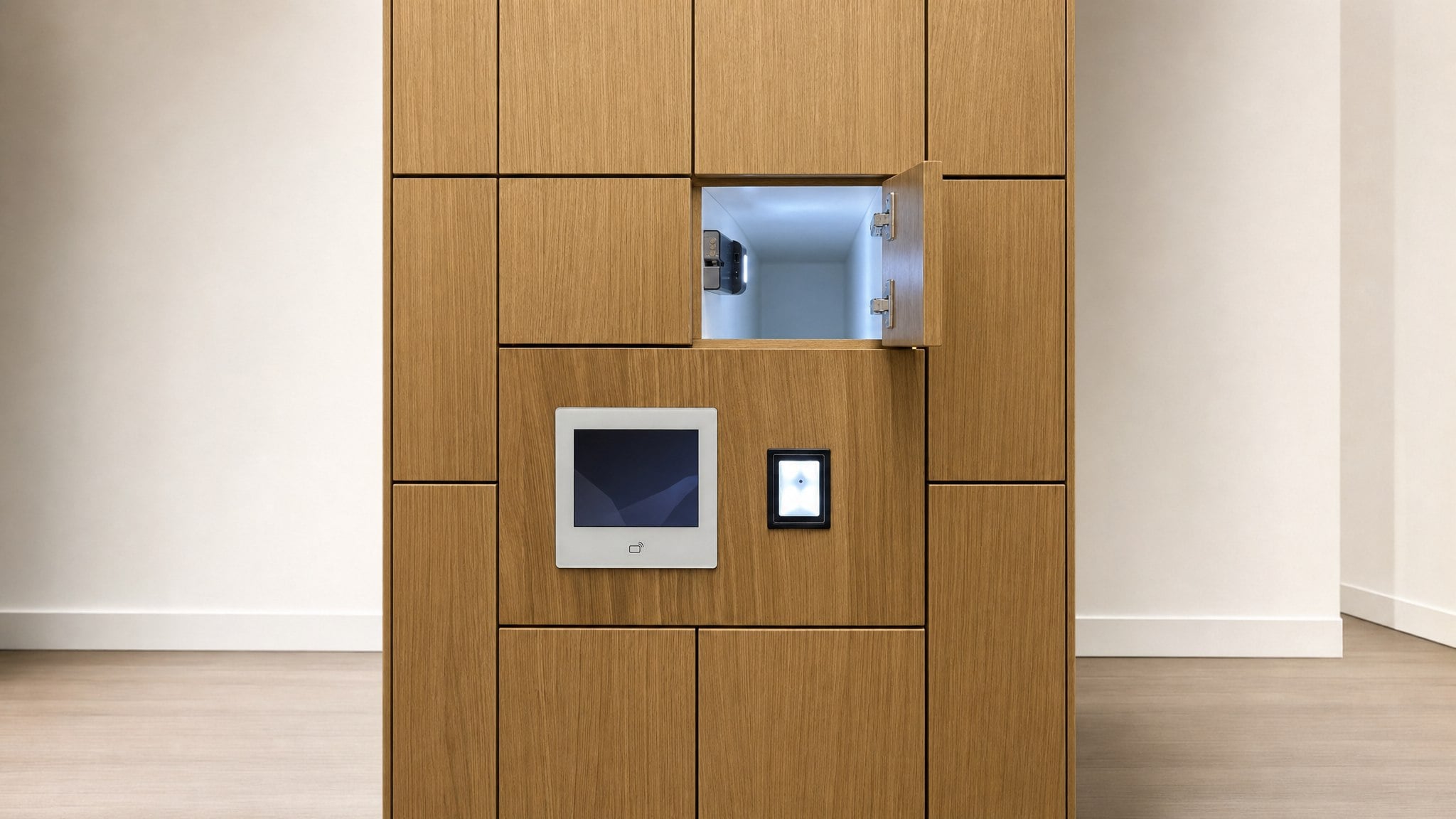
Product image gallery
Explore Related Products
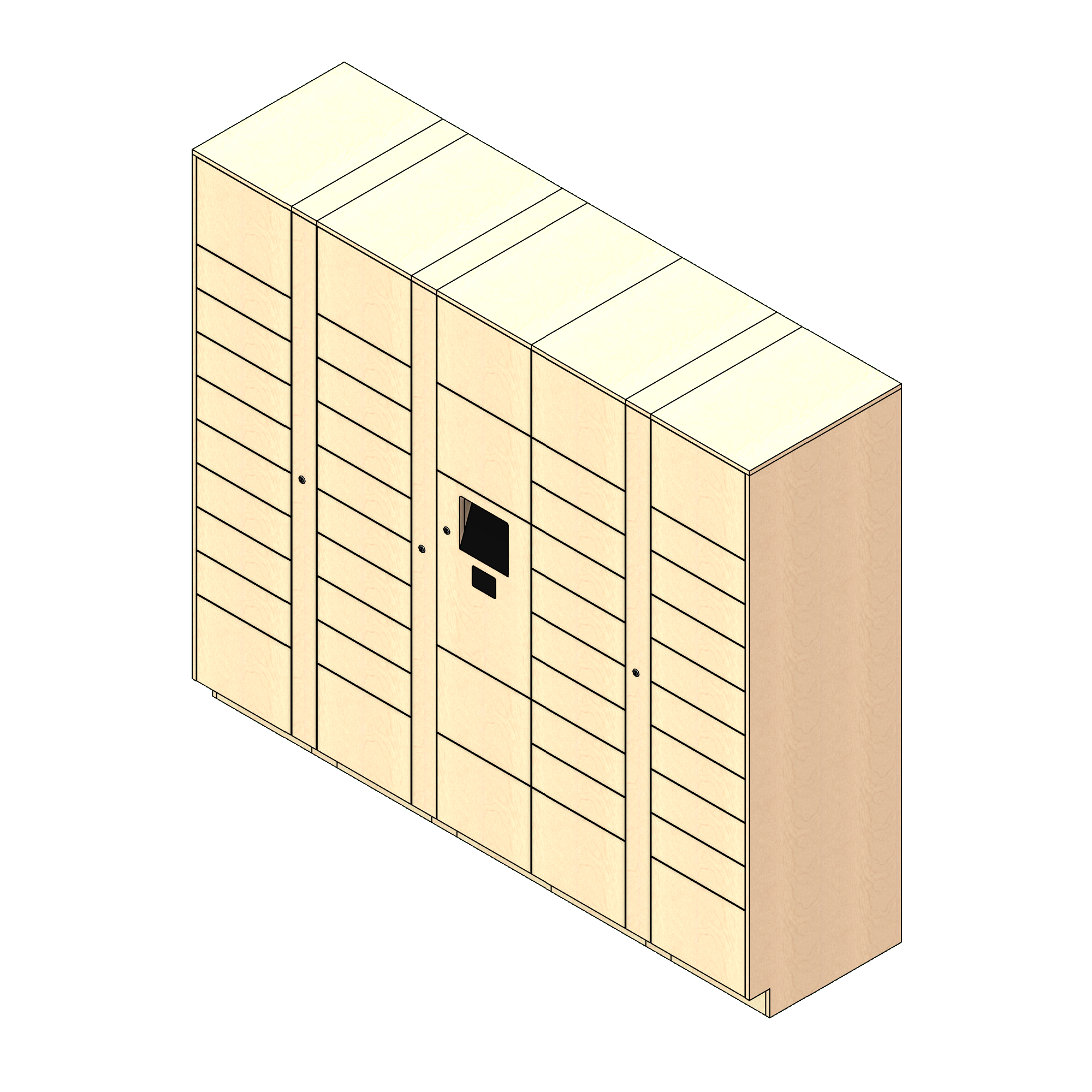
Smart Lockers
Upgrade to intelligent lockers with cloud-based access control, audit trails, and real-time alerts.
Explore Smart Lockers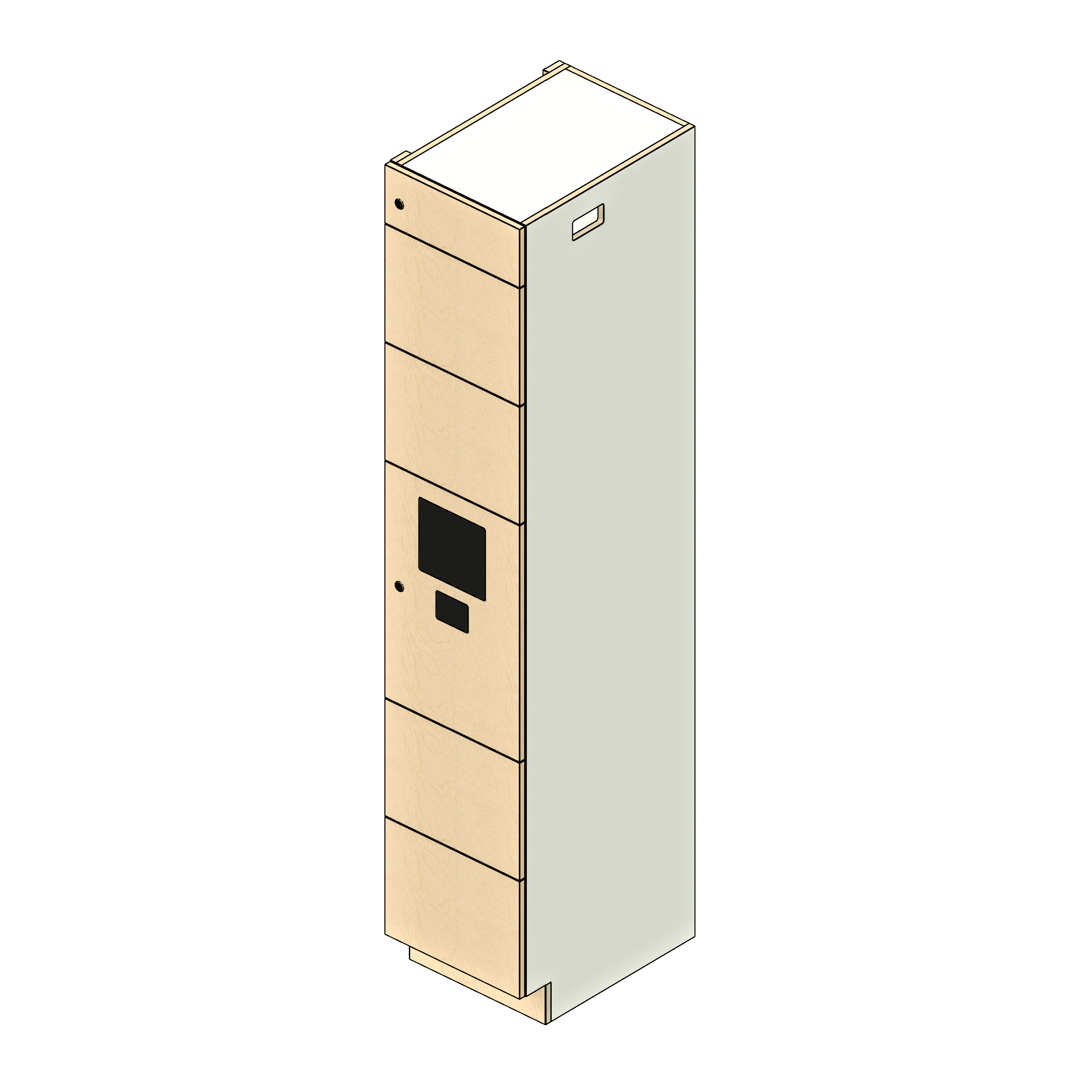
Smart Parcel Lockers
Eliminate missed deliveries and prevent theft with secure, app-enabled smart package lockers.
Explore Smart Parcel Lockers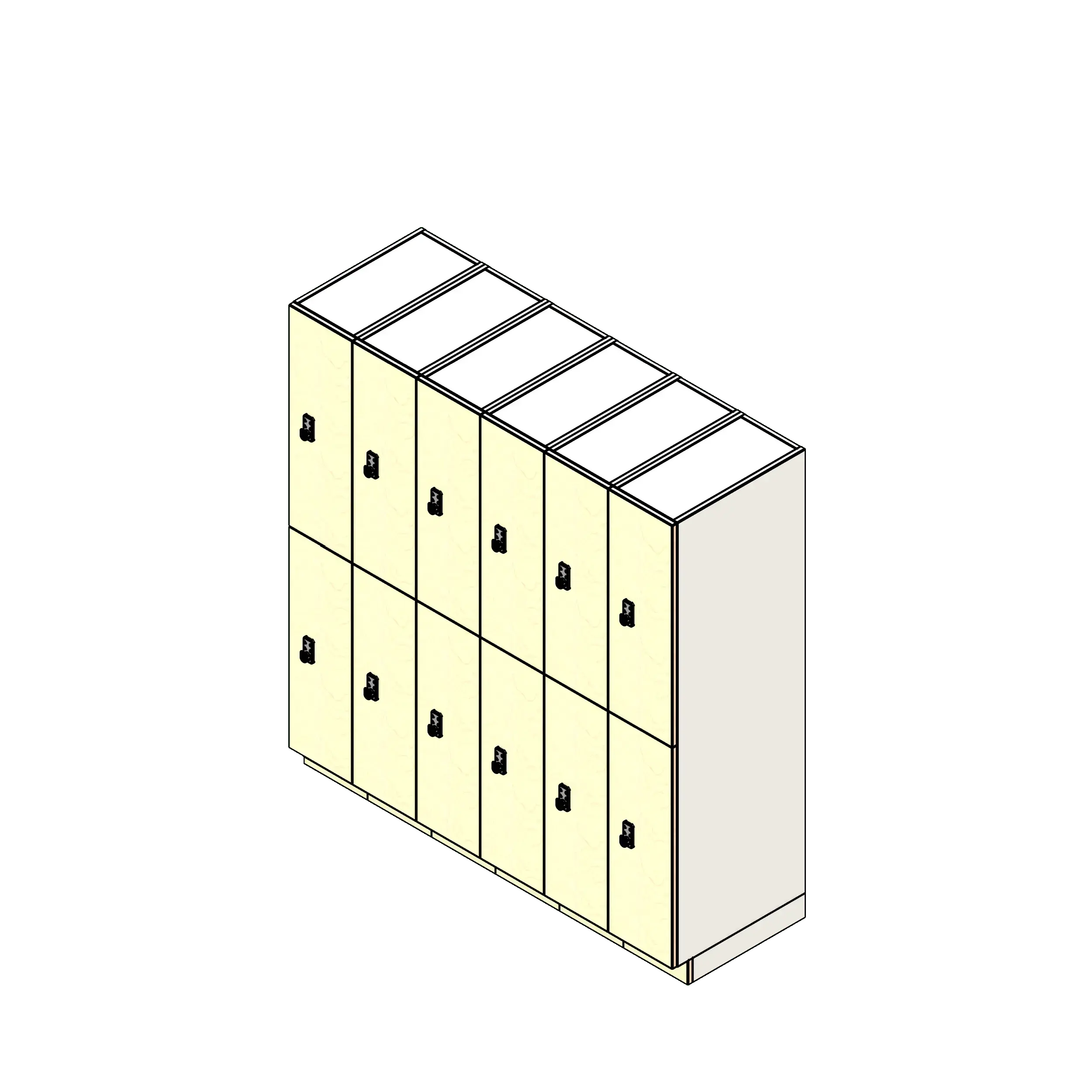
Keyless Lockers
Secure keyless lockers with PIN, RFID, or mobile access for modern offices, gyms, schools, and public safety use.
Explore Keyless Lockers
Pharmacy Pickup Lockers
Pharmacy pickup lockers provide secure, convenient prescription retrieval while reducing counter traffic and extending access beyond staffed hours.
Explore Pharmacy Pickup Lockers
Library Pickup Lockers
Library pickup lockers provide secure, self-service access to reserved books and materials while reducing desk lines and extending pickup hours.
Explore Library Pickup Lockers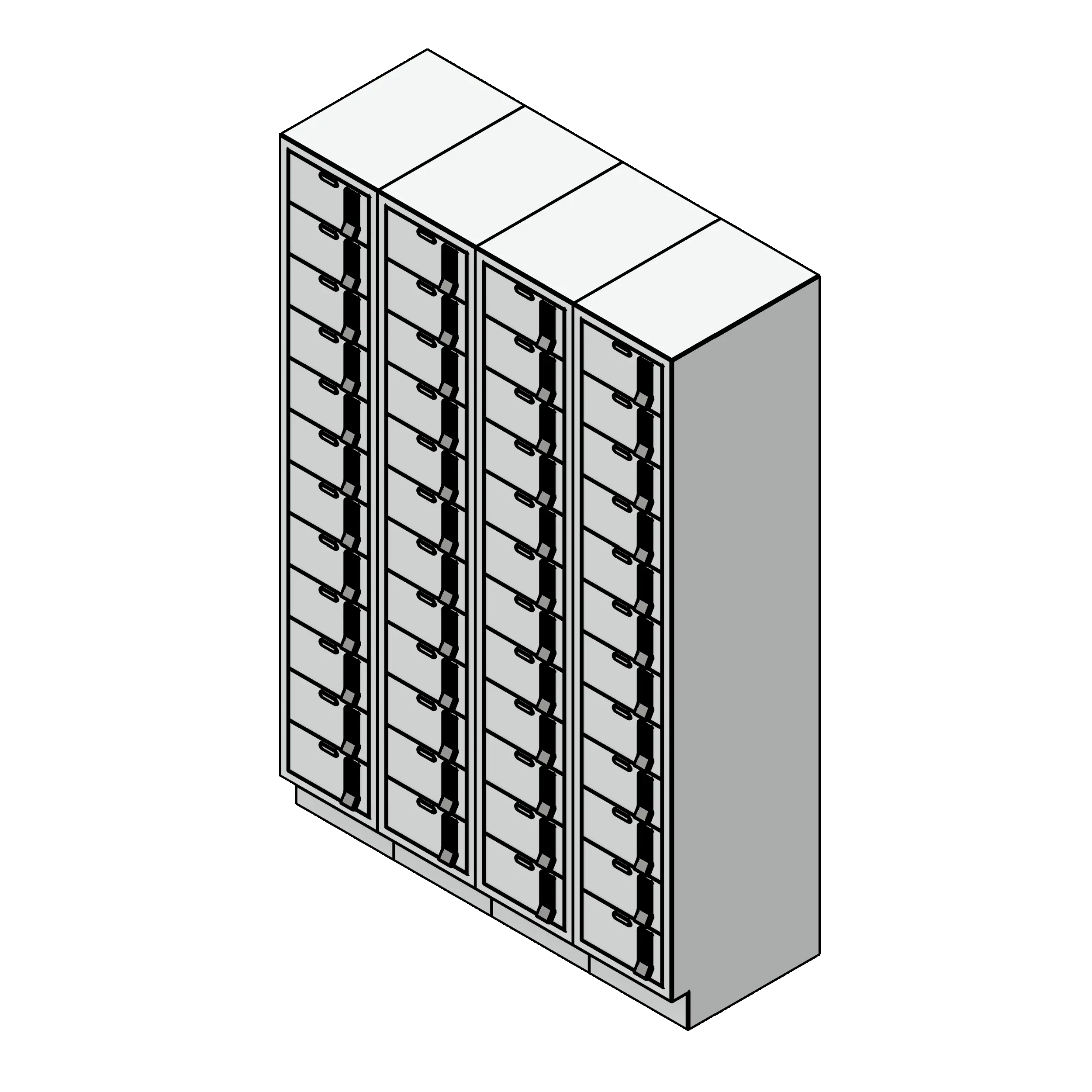
Cell Phone Lockers
Secure, centralized phone lockers help schools and workplaces reduce distractions, enforce policies, and protect personal devices.
Explore Cell Phone Lockers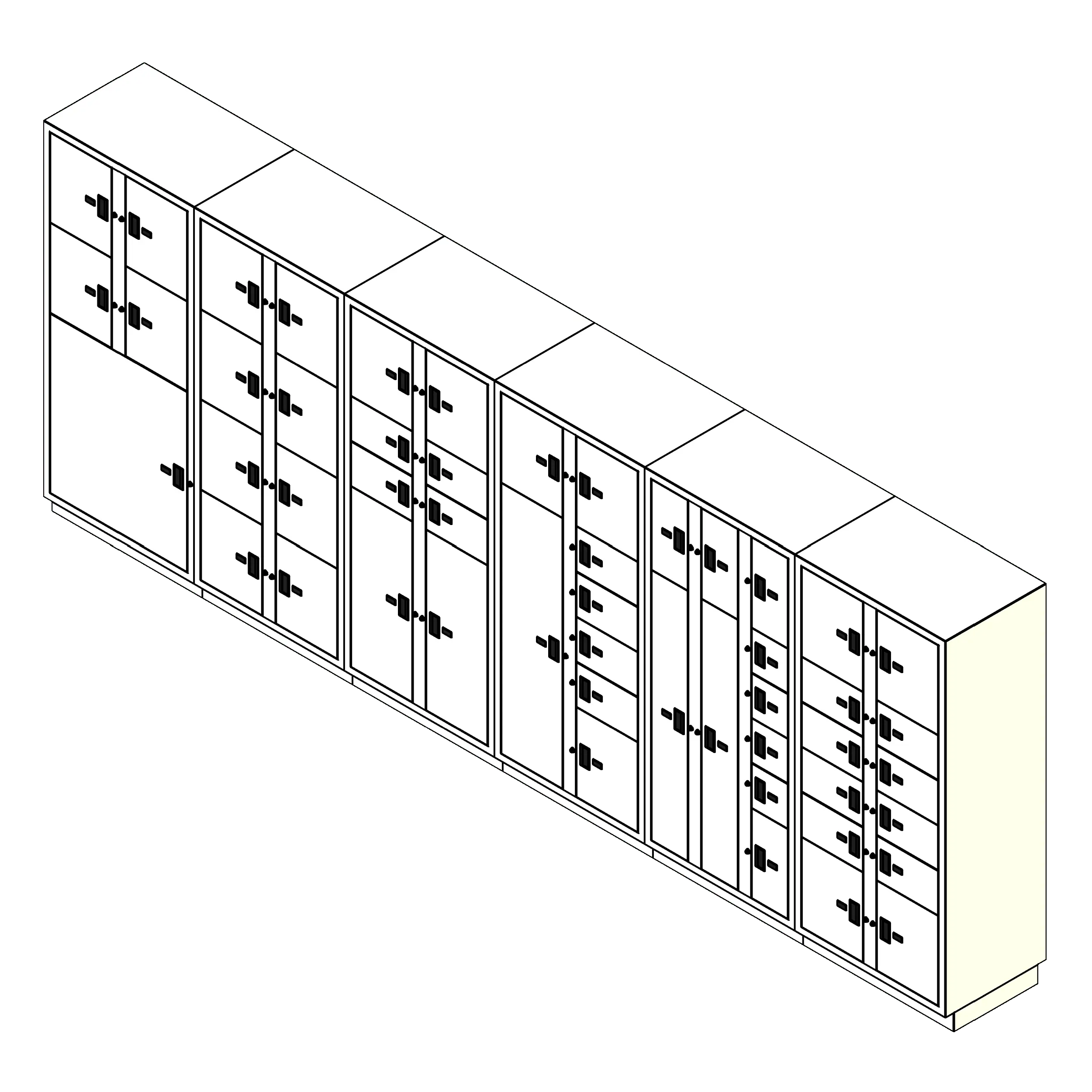
Evidence Lockers
Maintain chain of custody with pass-through or digital evidence lockers for police, courts, and federal agencies.
Explore Evidence Lockers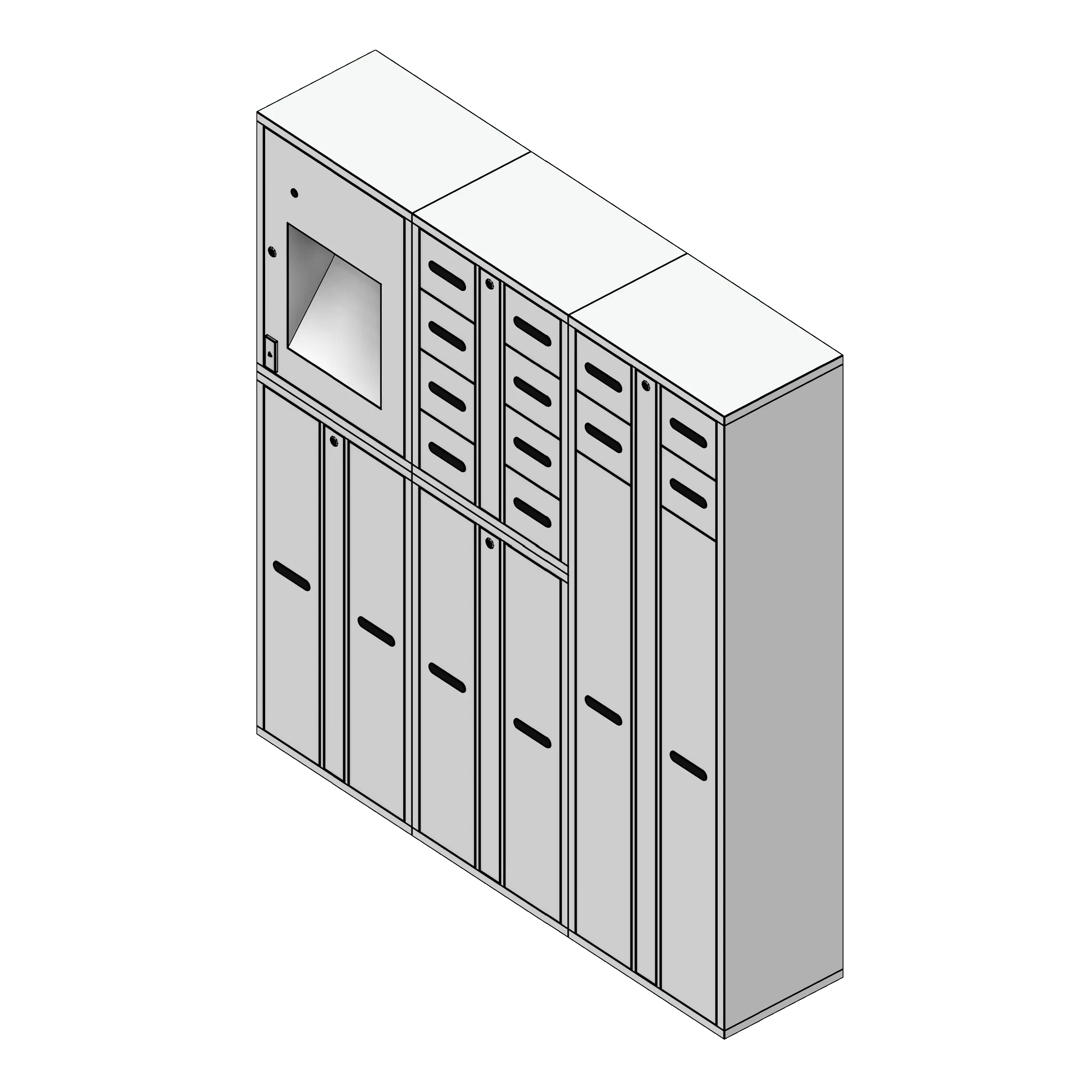
Gun Lockers
Secure weapons and gun lockers for police, military, and tactical teams-designed to protect firearms and gear with fast, controlled access.
Explore Gun Lockers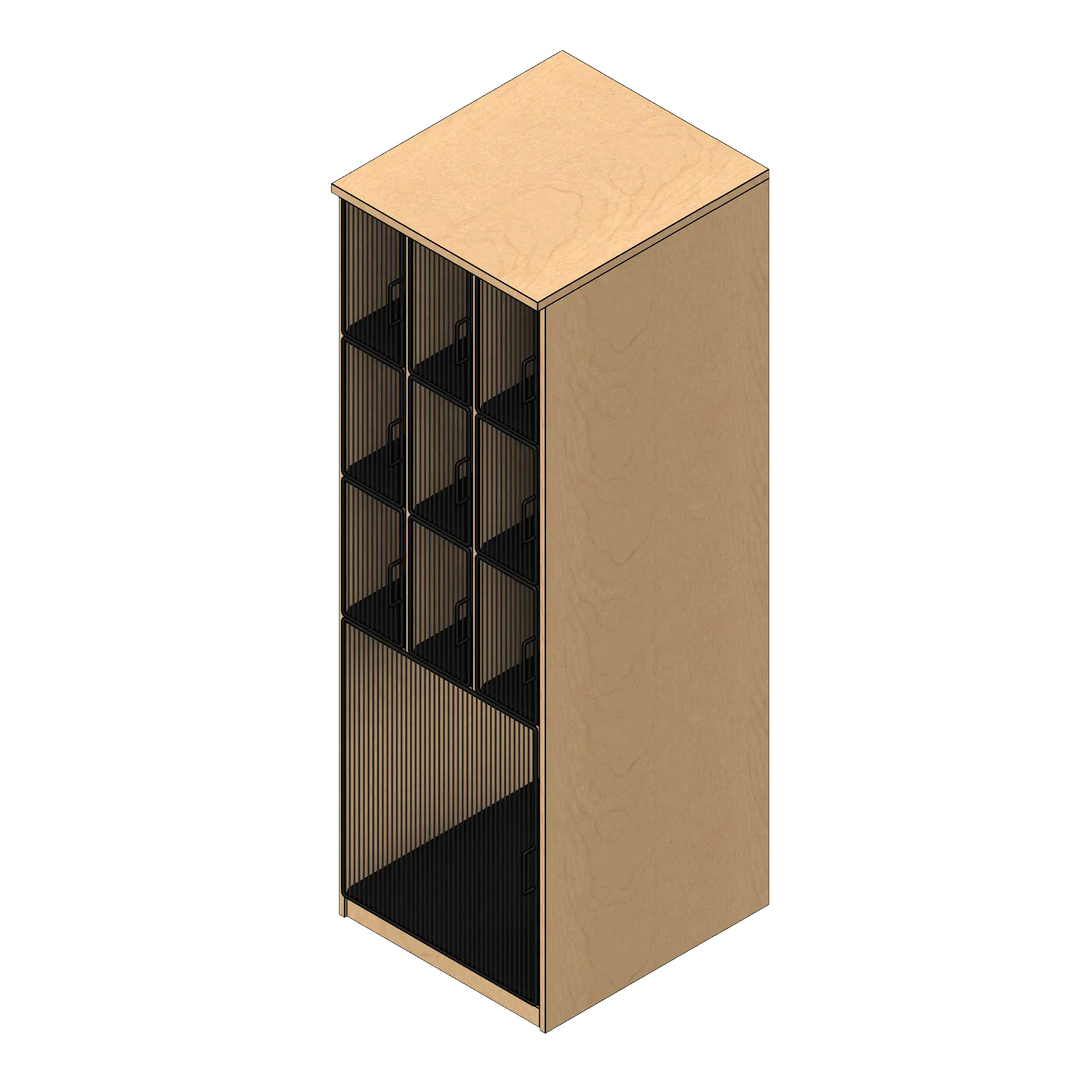
Instrument Storage Locker
Protect band instruments with secure, vented instrument storage locker systems designed for schools, bands, and music rooms.
Explore Instrument Storage Locker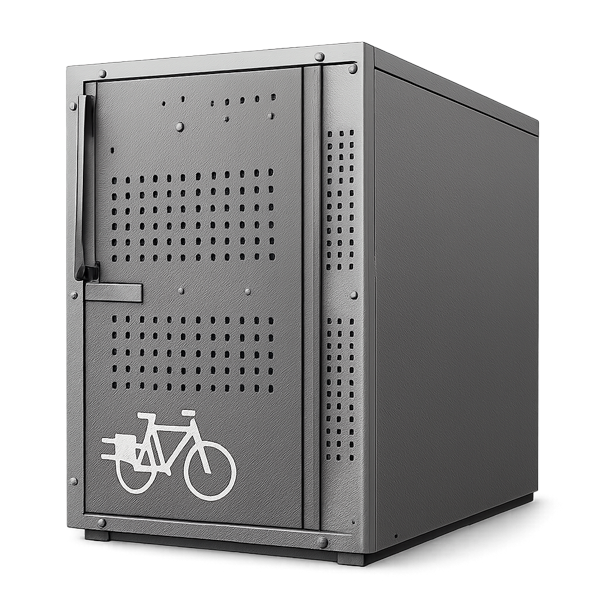
Outdoor Bike Lockers
Heavy-duty outdoor bike lockers built for security, weather resistance, and tamper-proof storage at worksites, campuses, and public facilities.
Explore Outdoor Bike Lockers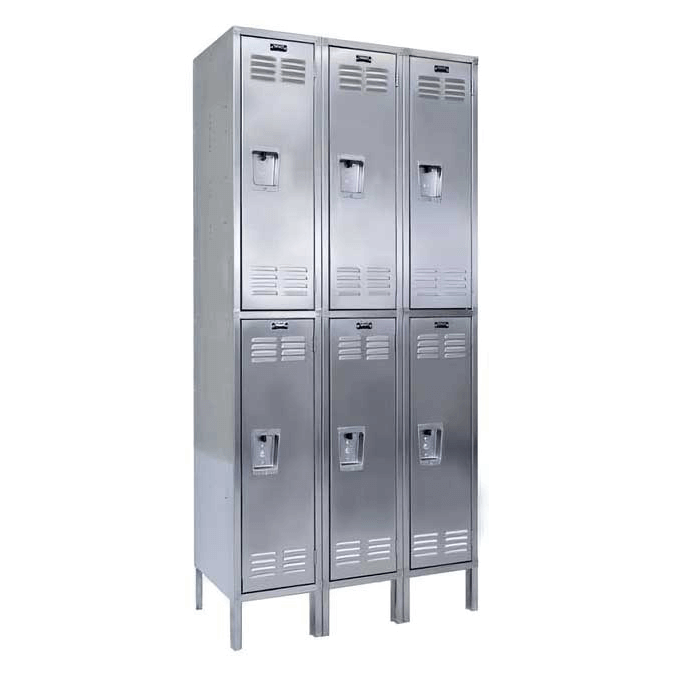
Stainless Steel Lockers
Corrosion-resistant stainless steel lockers built for high-moisture and hygiene-critical spaces like hospitals, labs, food plants, and aquatic centers.
Explore Stainless Steel LockersPlan Employee Lockers for Your Workplace
Get practical help choosing an employee locker system for your users, space, and daily storage needs. Our team can guide access, charging, layout, and finish decisions.
Request a consultation to discuss design, installation, and support for your office, staff room, break room, or workplace storage area.
Call us at (800) 803-1083 or Contact Us to schedule your free consultation today.
Request a Locker Consultation