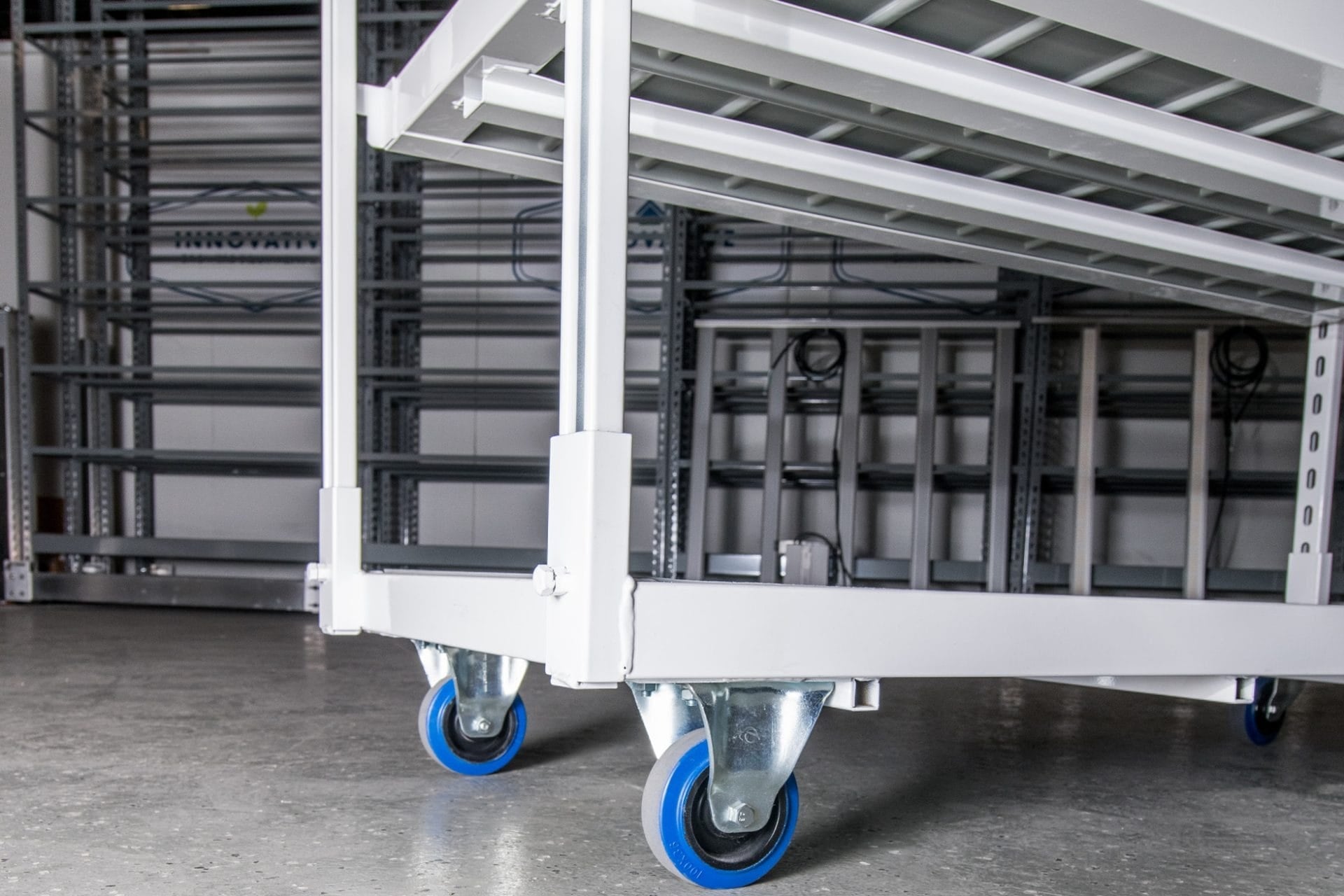

Grow Carts for Cultivation, Drying, and Processing
Keep plants, cut material, supplies, tools, trays, and harvest workflows moving through the facility without forcing teams to work around fixed tables or improvised equipment. SSG Horticulture helps growers plan clone carts, propagation carts, dry carts, trellis dispensers, processing carts, stainless steel carts, and cultivation carts around the real movement of a commercial grow.


Support daily movement between clone rooms, veg areas, flower rooms, drying rooms, processing spaces, and storage areas.
Bring work to the team, protect sensitive plants and harvested material, and reduce unnecessary touchpoints during critical stages.
Use mobile shelving, adjustable levels, open-sided designs, and cart sizing that supports watering, scouting, pruning, and inspection.
Select finishes, trays, shelves, casters, base pans, and cart paths around cleaning requirements and high-humidity grow environments.
Match the cart to the stage of the plant, product, or workflow it supports.
Carts are simple equipment, but the wrong cart can slow down a grow. The right cart depends on whether the team is moving clones, trays, dry material, trellis netting, tools, finished product, supplies, or active crop systems with lighting and irrigation.
Clone and Propagation Carts
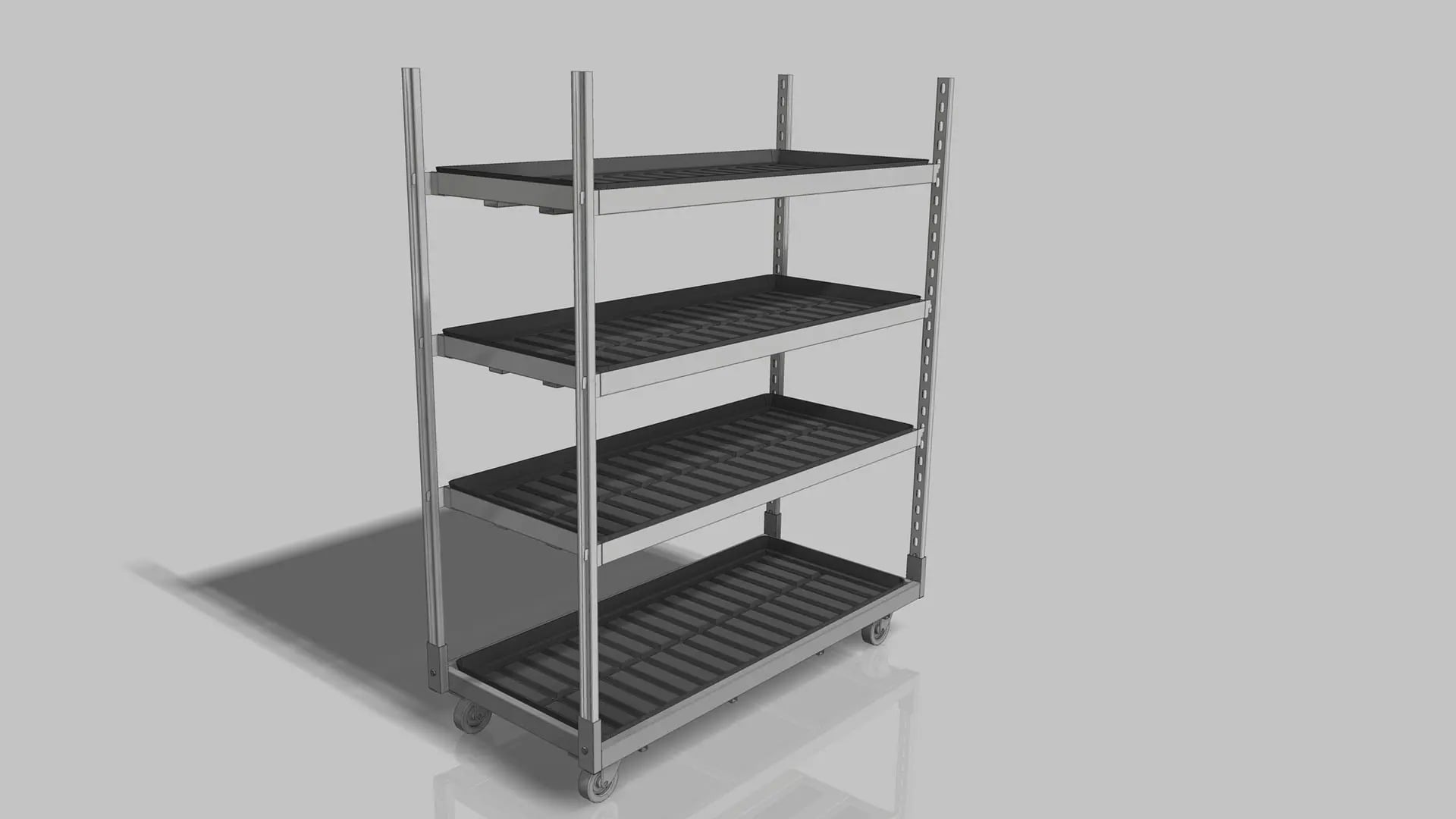
Clone and propagation carts support one of the most sensitive stages of the grow cycle. Multiple adjustable levels let teams organize high volumes of starter plants in a compact footprint, while open access helps staff water, inspect, move, and monitor plants without fighting fixed tables.
Dry Carts and Mobile Drying Racks
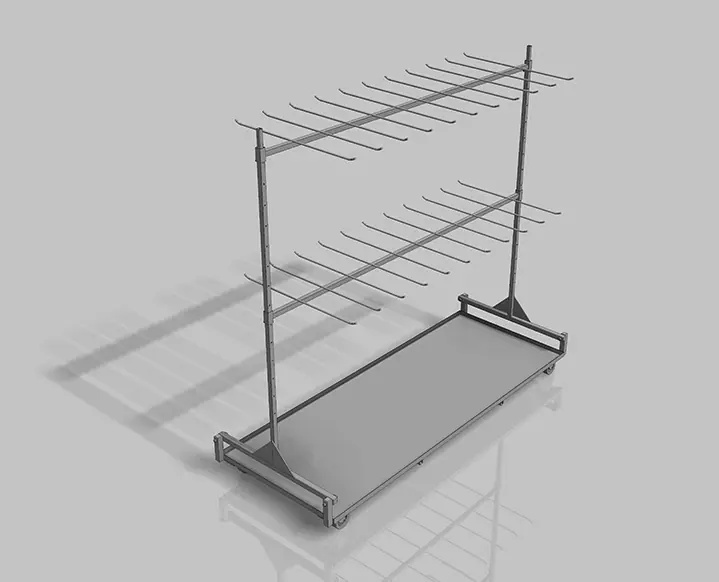
Dry carts help move cut material from harvest into the dry room while keeping stems organized, accessible, and off the floor. Instead of turning harvest into a tangle of bins, totes, and fixed racks, dry carts give teams a mobile structure that can support drying workflow, room loading, unloading, and sanitation.
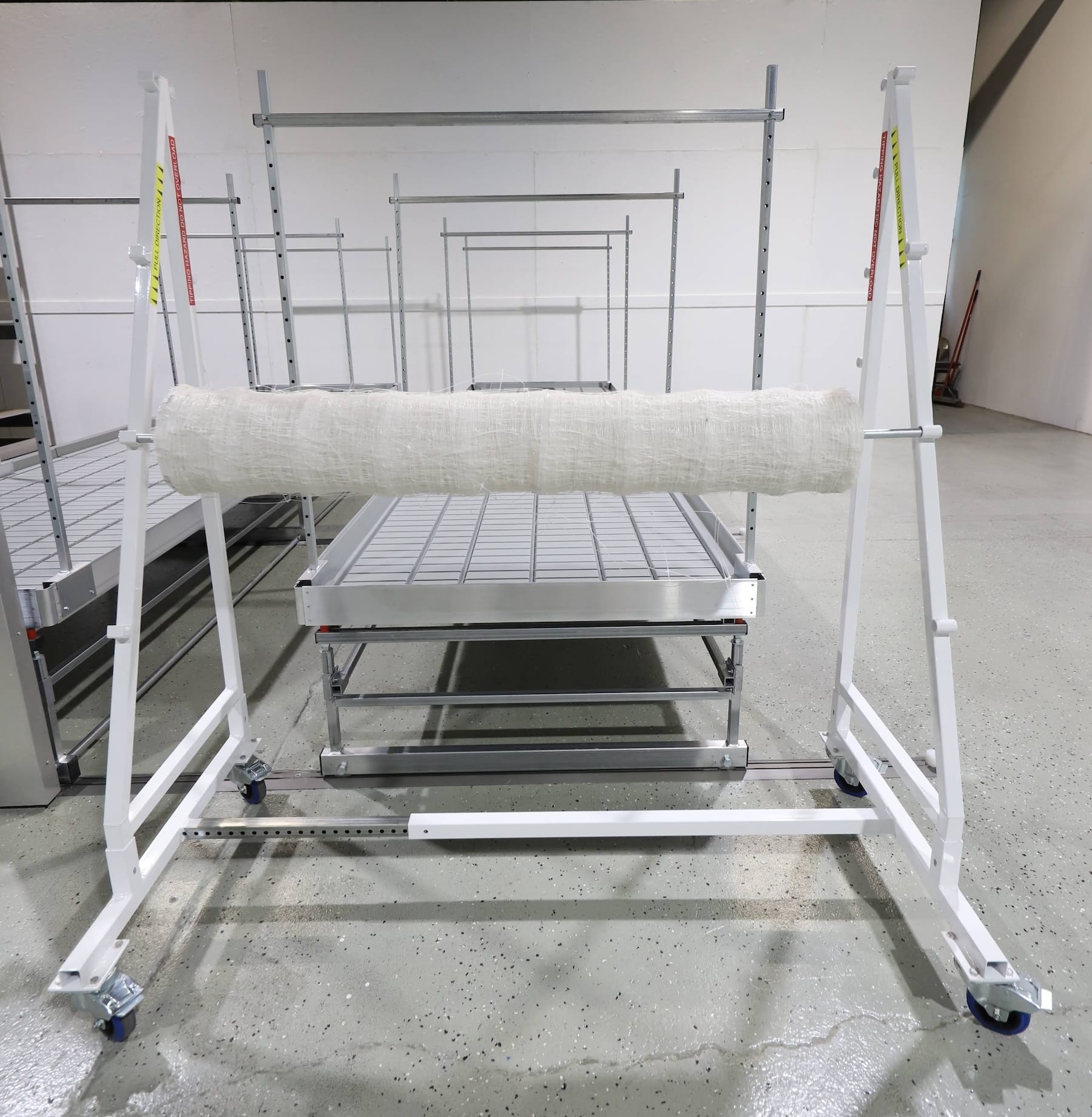
Trellis Dispenser Carts
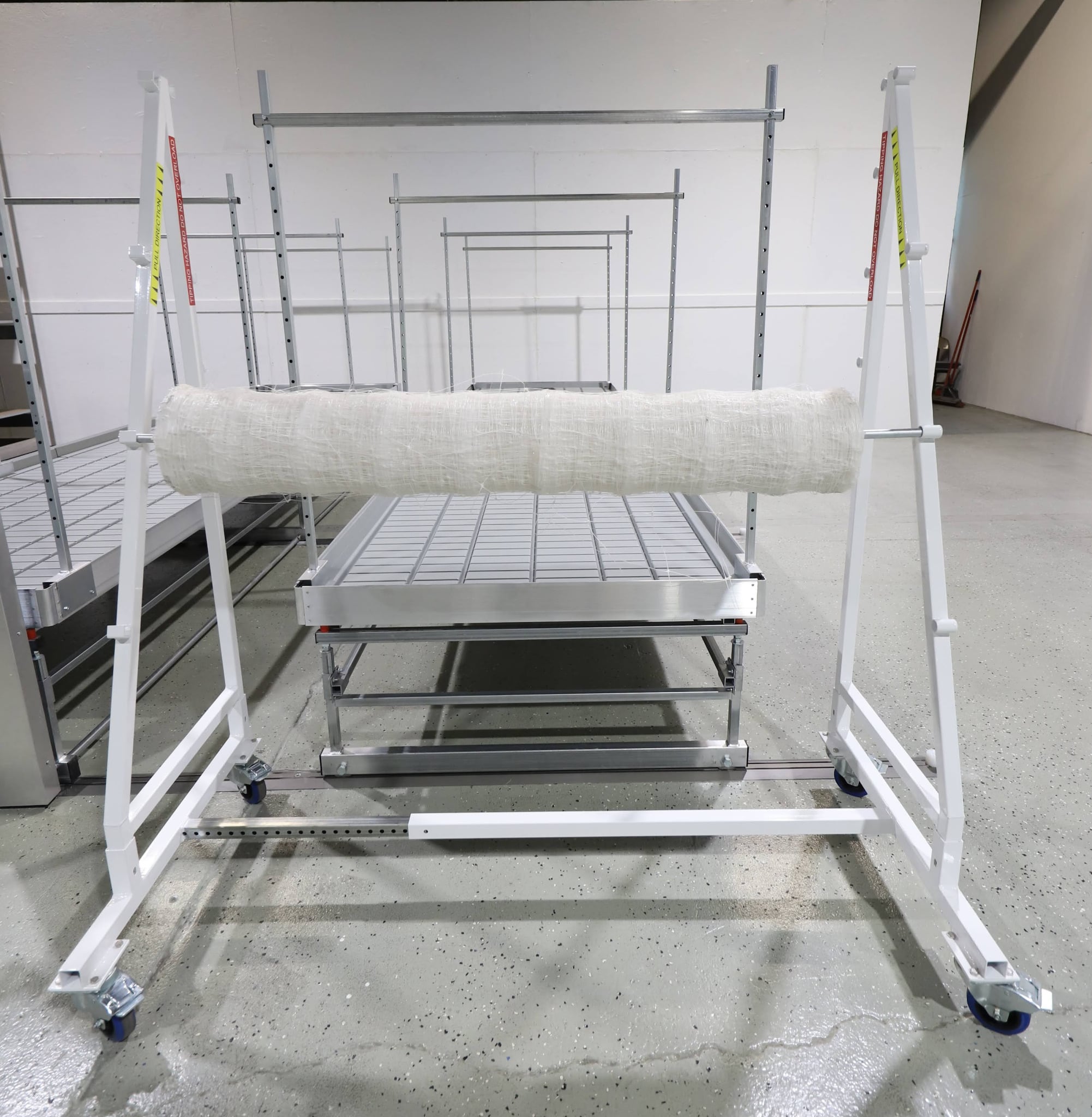
A trellis dispenser turns a repetitive, awkward job into a smoother workflow. Teams can load trellis netting rolls, roll the dispenser down the room, pull netting evenly across the canopy, and reduce the time spent untangling rolls or setting netting section by section.
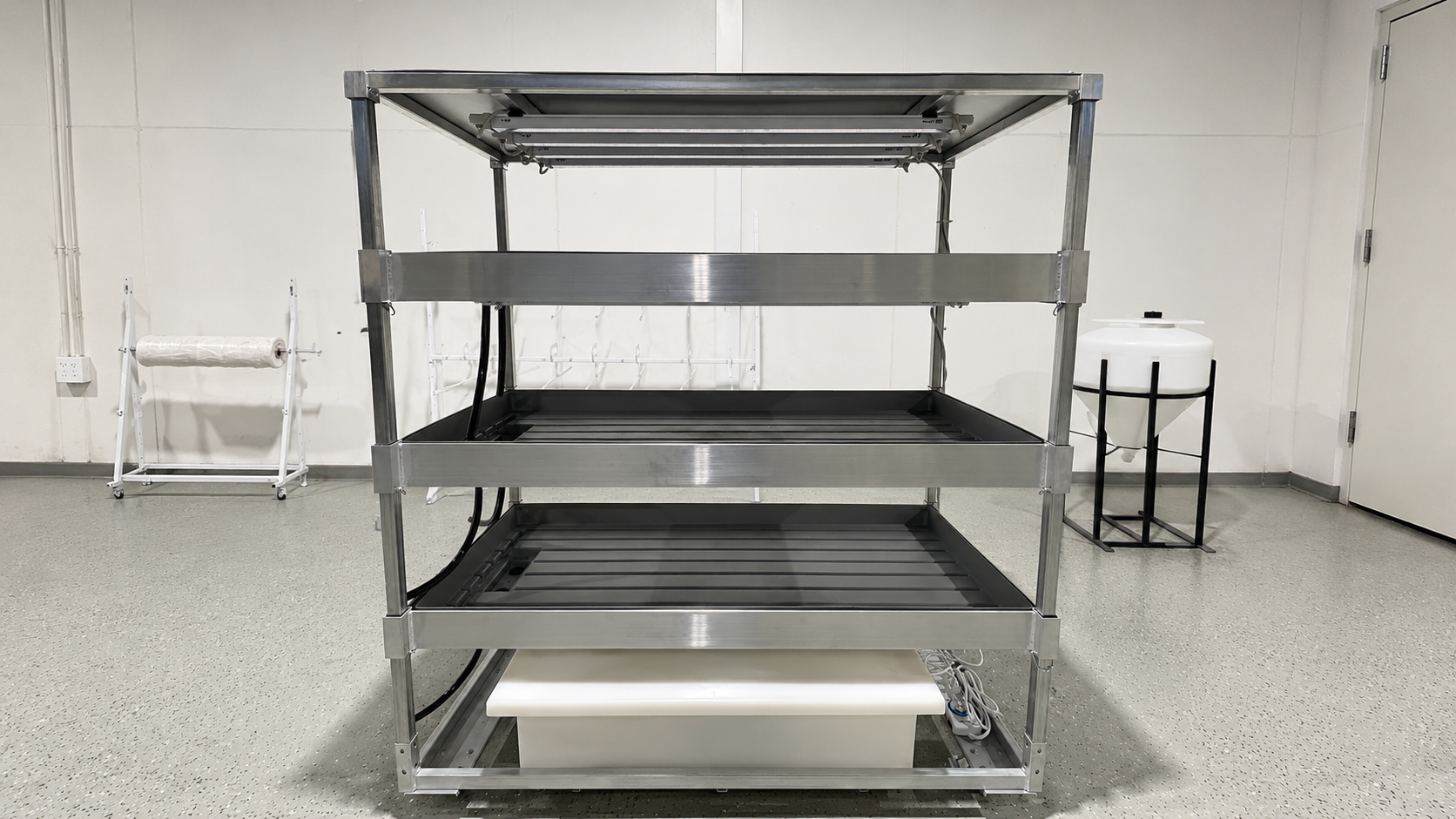
Processing and Stainless Steel Carts
Processing carts do not need to be overcomplicated. They need to be sized correctly, easy to clean, strong enough for daily use, and practical for moving product, tools, supplies, bins, trays, and packaged materials through processing and support spaces.
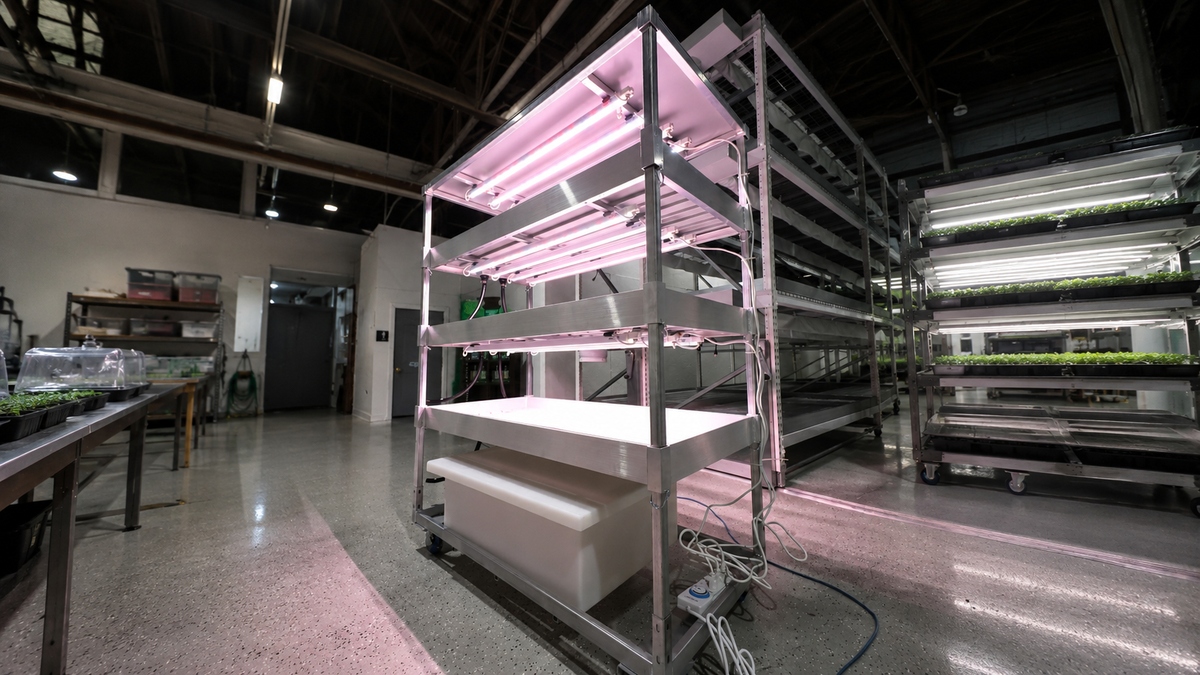
Cultivation and Grow Rack Mobile Carts
Cultivation carts support active growing in a mobile format. Depending on the crop and system, they can hold trays, plants, lights, irrigation components, or hydroponic equipment so teams can move a small grow system instead of rebuilding it in place.
How the main horticulture cart types support different facility workflows.
This comparison helps buyers understand which cart category belongs in each room and what needs to be reviewed before quoting or final layout planning.
Cart planning should start with workflow, then move into shelves, tiers, trays, casters, and material finishes.
Many cart conversations start with a simple question: what cart do we need? The better question is where the cart will move, what it will carry, how often it will be cleaned, and whether it supports plants, harvest material, supplies, or active growing equipment.
Clone and propagation capacity
Four-level clone and propagation carts can support high-volume starter plant workflows while keeping trays accessible from multiple sides. Final capacity depends on tray format, plugs, domes, lighting, and shelf spacing.
American-made materials and finishes
Built in the USA from American-made steel and aluminum, these carts can be configured with powder-coated steel, galvanized steel, aluminum, stainless steel, wire shelving, plastic trays, and food-grade shelf surfaces — each solving different sanitation, corrosion, load, and cost problems.
Common cart planning points
Final specifications should be confirmed around facility dimensions, door clearances, room transitions, sanitation rules, cart parking locations, crop type, load requirements, utilities, and how teams move through the building.
Carts connect the grow room to the work happening before, during, and after cultivation.
The value of a cart is not the frame alone. It is the time saved when teams can move the right material to the right room at the right point in the grow cycle.
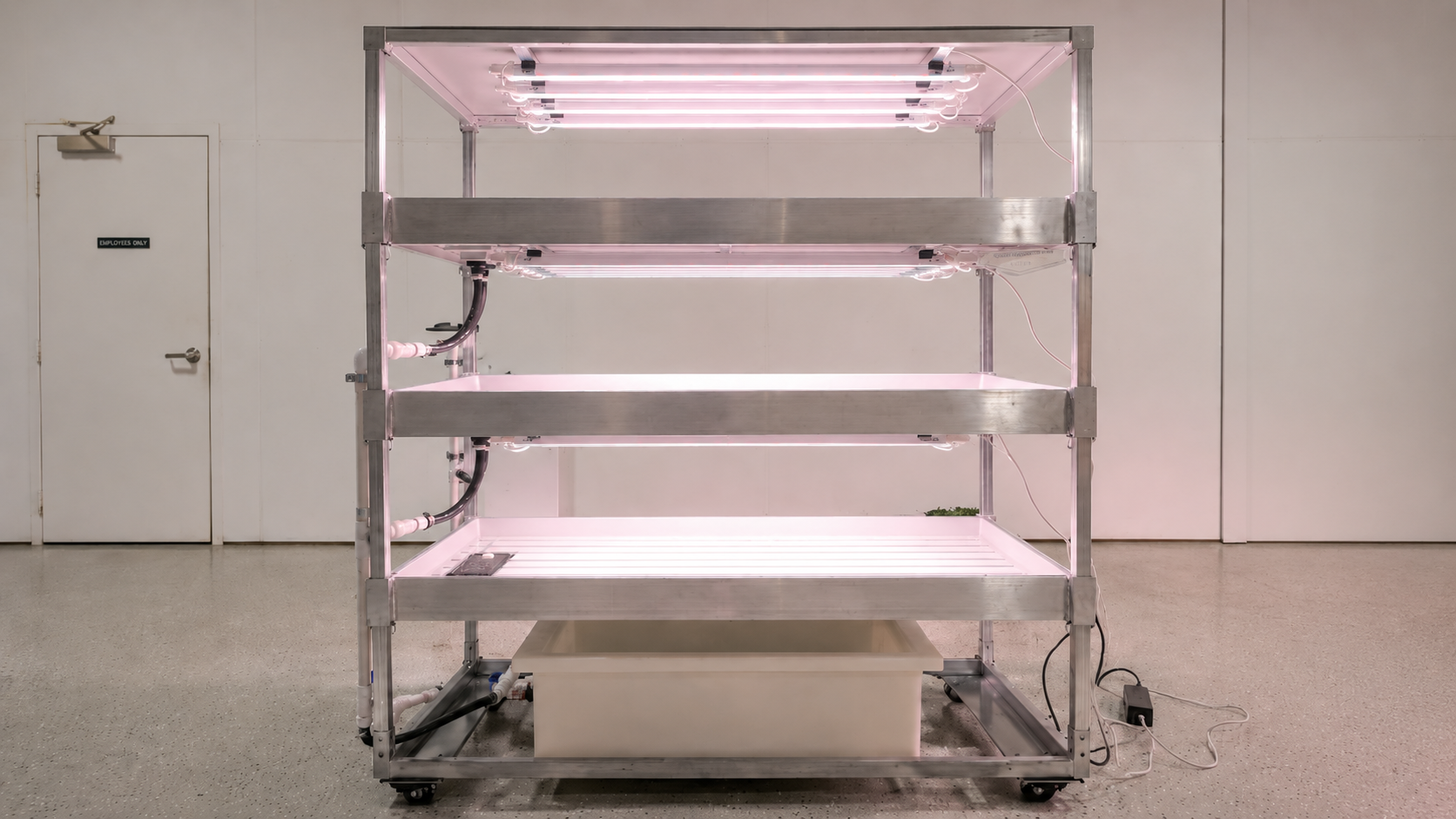
From Propagation to Production
Young plants, trays, plugs, domes, and crop trials need controlled movement. Cart planning helps teams keep batches together and reduce unnecessary plant stress during room transitions.
- Plan cart height and shelf spacing around the actual trays used.
- Coordinate lighting and water access when plants stay on carts for longer periods.
- Confirm door, hallway, and turning clearances before selecting cart dimensions.
From Canopy Work to Post-Harvest
Trellis, harvest, drying, trimming, packaging, cleaning, and storage all create movement demands. Carts help reduce the number of manual carries and keep the room from turning into a staging bottleneck.
- Map where carts load, unload, clean, and park between cycles.
- Choose materials that match wet rooms, dry rooms, and sanitation procedures.
- Use cart types that match tasks instead of forcing one cart to do everything.
Grow carts work best when they are planned with access, utilities, sanitation, and room flow.
Carts can look secondary compared with racking or benching, but they touch almost every daily task. SSG helps connect cart selection with how the facility receives plants, grows crops, harvests material, processes product, cleans equipment, and stores supplies.
Propagation Access
Review tray sizes, shelf spacing, lights, watering method, humidity domes, batch labels, and aisle access.
Dry Room Loading
Plan how cut material moves from flower rooms into drying rooms without slowing the harvest team down.
Trellis Deployment
Coordinate net sizes, roll storage, room length, trellis poles, and aisle movement so netting goes up faster.
Processing Movement
Move bins, trays, tools, packaged product, samples, and supplies between trimming, processing, lab, and vault spaces.
Active Crop Utilities
For cultivation carts, coordinate lighting, irrigation, reservoir fill, drainage, electrical access, and service paths.
Cleanability
Choose finishes, casters, trays, and base pans around washdown procedures and high-humidity facility conditions.
Storage and Parking
Define cart storage areas so support equipment does not block corridors, rooms, doors, drains, or work zones.
Facility Layout
Use layout planning to confirm travel paths, staging zones, doorway clearances, and handoff points between rooms.
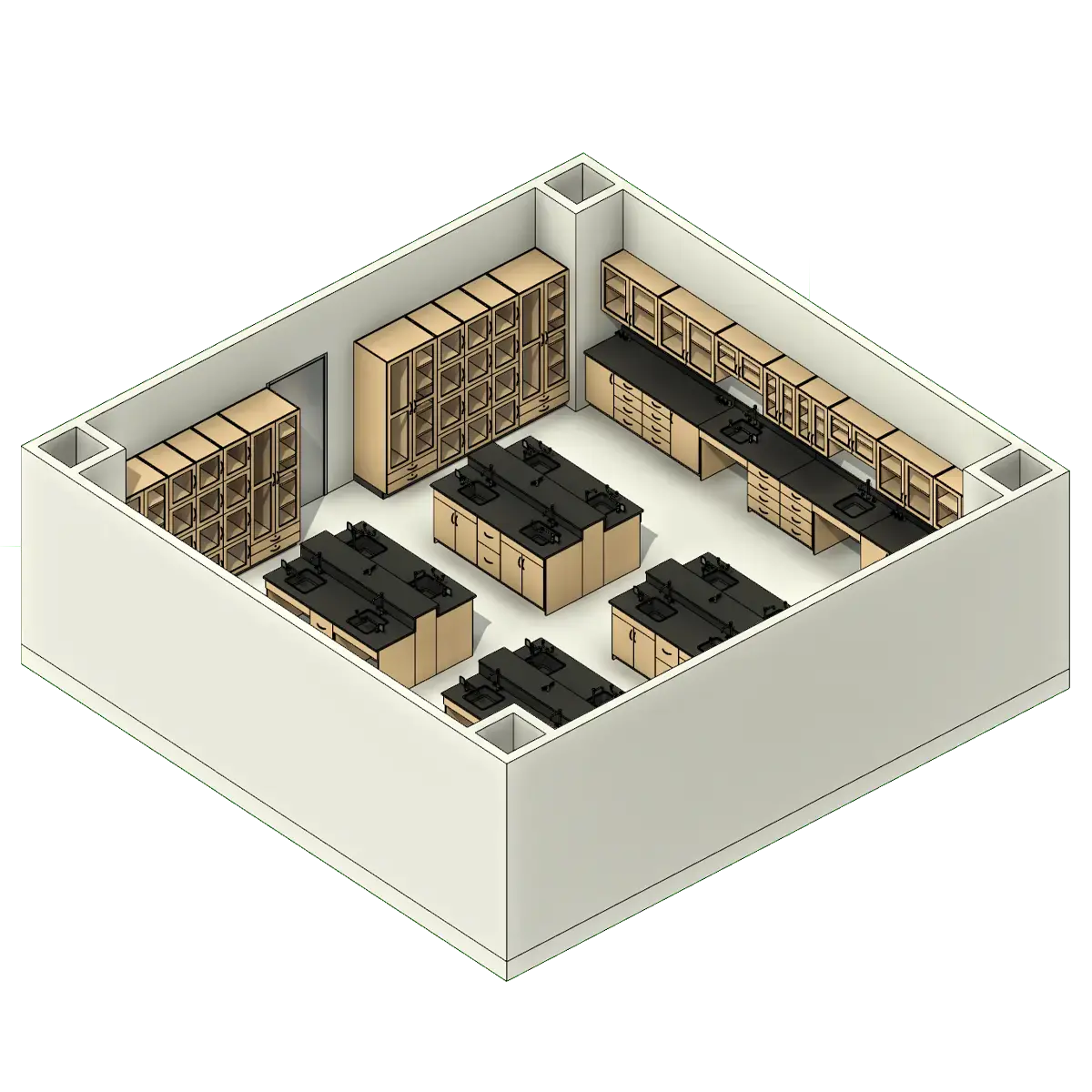
What SSG reviews before recommending a cart path.
Cart selection should be tied to the room, the crop stage, the cleaning process, and the people doing the work. SSG helps move the conversation past generic utility carts and into a practical plan for how the operation actually moves.
Grow carts support every core SSG Horticulture market.
Cart needs change by market, but every facility depends on movement, access, sanitation, staging, and room-to-room workflow. Carts are often the equipment that makes those daily tasks easier.

Cannabis Cultivation
Clone carts, trellis dispensers, dry carts, harvest carts, processing carts, and back-of-house carts for dense cultivation facilities.
Explore Cannabis Solutions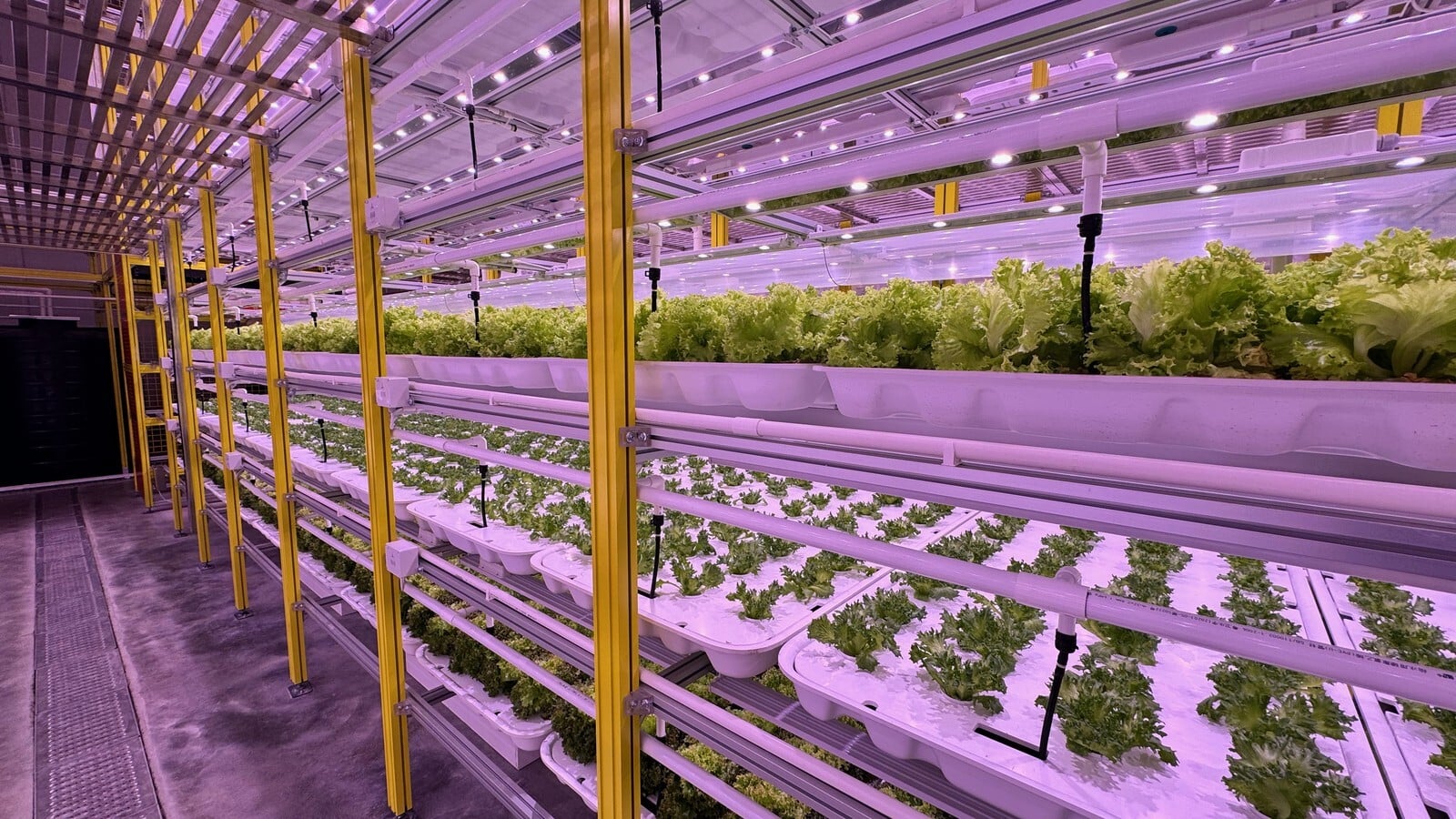
Indoor Vertical Farming
Propagation carts, mobile grow carts, tray carts, research carts, and staging equipment for leafy greens, herbs, microgreens, and specialty crops.
Explore Vertical Farming Solutions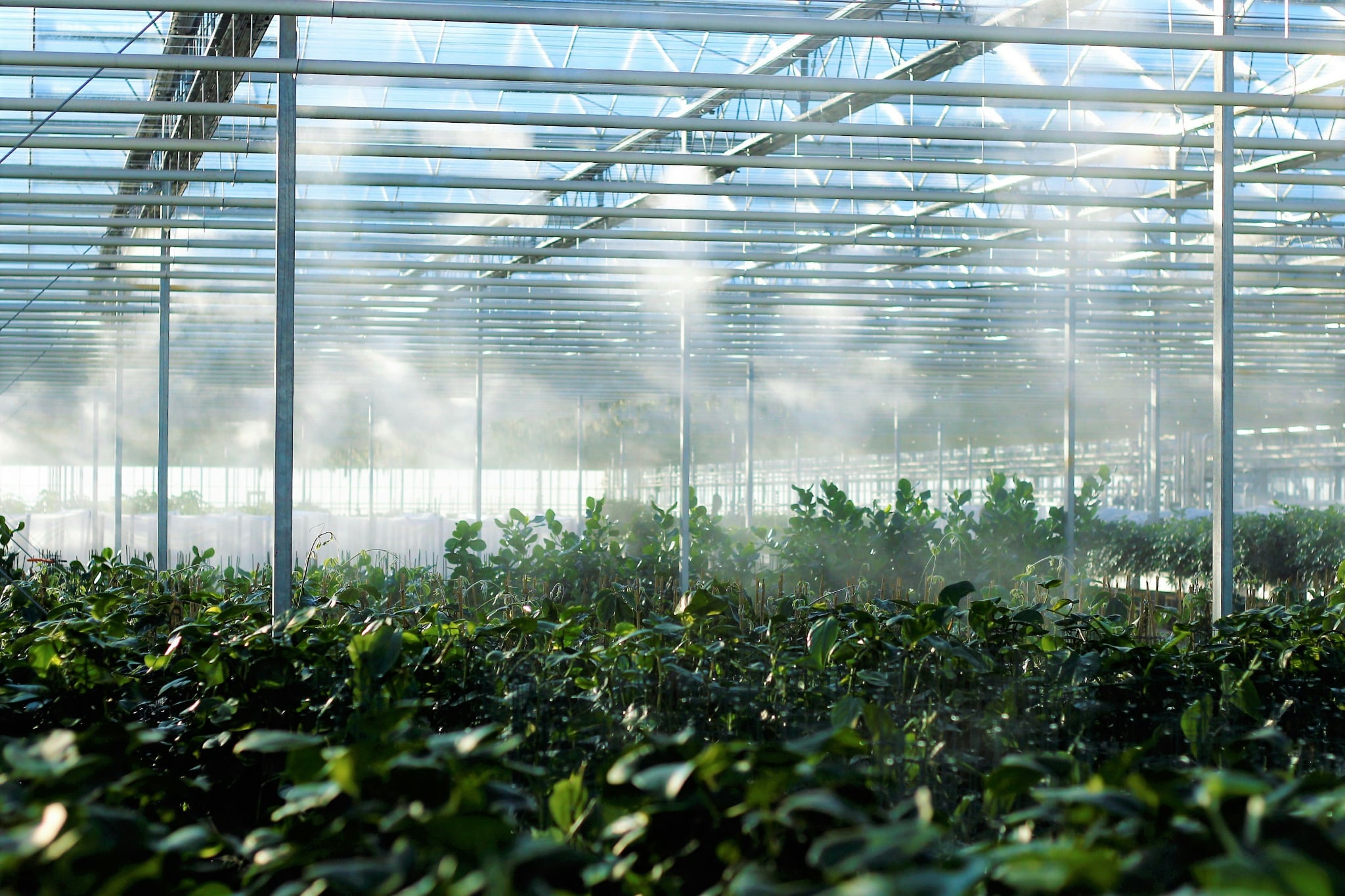
Greenhouse & Nursery Growing
Utility carts, propagation carts, tray carts, and transport carts for moving young plants, supplies, and materials across larger grow areas.
Request a Free Consultation
Research & Specialty Grow
Flexible carts for lab support, sample movement, controlled trials, plant science programs, teaching environments, and repeatable workflows.
Request a Free ConsultationWhat types of carts should a commercial grow consider?+
Common categories include clone carts, propagation carts, dry carts, trellis dispensers, processing carts, stainless steel carts, wire utility carts, tray carts, and cultivation carts with optional lighting or irrigation.
Are clone carts only for cannabis?+
No. Clone and propagation carts can support cannabis, nursery starts, leafy greens, herbs, research trials, education, and other controlled environment crops. The tray format, shelf spacing, lighting, and watering method should match the crop and room.
When does a dry cart make sense?+
A dry cart makes sense when the operation needs to move harvested material from flower or harvest into the dry room while reducing handling, protecting product quality, and keeping loading and unloading workflow organized.
What does a trellis dispenser do?+
A trellis dispenser holds netting rolls on a mobile frame so teams can deploy netting more smoothly across benches, rows, or canopy sections. It helps reduce tangles, reload delays, and uneven installation.
What is the difference between a processing cart and a cultivation cart?+
A processing cart is typically a utility or shelf cart used to move product, tools, supplies, bins, or trays. A cultivation cart may support active growing with trays, lights, irrigation, reservoirs, or hydroponic components.
Should carts be stainless steel?+
Stainless steel is a strong option for wet, clean, washdown, food-safe, or processing environments. Powder-coated, galvanized, aluminum, wire, and plastic components can also be appropriate depending on cost, corrosion exposure, load, and cleaning requirements.
What information is needed for cart planning?+
Useful inputs include room type, crop stage, tray size, desired shelf count, doorway clearances, cart path, load requirements, cleaning requirements, caster needs, lighting or irrigation needs, parking locations, and how carts move between rooms.
Can SSG help with carts as part of a larger facility plan?+
Yes. Carts can be planned alongside benches, grow carts, modular rooms, storage, drying rooms, processing rooms, workflow paths, and Fetch BIM planning so support equipment fits the larger facility strategy.
Supporting Cart and Workflow Equipment Projects Across Regions, Facility Types, and Growth Stages
SSG can support grow cart and workflow equipment projects for new builds, expansions, retrofits, indoor farming facilities, cannabis rooms, greenhouse projects, research environments, and controlled production facilities across a broad national service footprint.
Southwest Solutions Near You
Explore office locations and supported service markets across the U.S. for clone carts, propagation carts, drying carts, trellis dispensers, processing carts, cultivation carts, greenhouse projects, research spaces, and controlled production environments.
Southwest Solutions Service Areas
Texas
- Dallas
- Austin
- Houston
- San Antonio
- Waco
- Tyler
- Amarillo
- Lubbock
- El Paso
- Ft Worth
- Corpus Christi
- Midland
Oklahoma
- Oklahoma City
- Tulsa
- Norman
- Lawton
- Enid
- Stillwater
- McAlester
- Muskogee
Kansas
- Wichita
- Overland Park
- Topeka
- Kansas City
- Lawrence
- Manhattan
- Salina
- Hays
- Dodge City
- Garden City
Colorado
- Denver
- Colorado Springs
- Fort Collins
- Grand Junction
- Pueblo
- Durango
- Alamosa
- Steamboat Springs
Alabama
- Huntsville
- Birmingham
- Montgomery
- Mobile
- Tuscaloosa
- Hoover
- Dothan
- Decatur
Alaska
- Anchorage
- Fairbanks
- Juneau
- Sitka
- Ketchikan
- Kodiak
- Bethel
- Nome
Arizona
- Phoenix
- Tucson
- Flagstaff
- Yuma
- Prescott
- Lake Havasu City
- Sierra Vista
- Kingman
Arkansas
- Little Rock
- Fayetteville
- Fort Smith
- Jonesboro
- Hot Springs
- Pine Bluff
- Texarkana
- Bentonville
California
- Los Angeles
- San Diego
- San Francisco
- Sacramento
- Fresno
- Redding
- Bakersfield
- San Bernardino
Connecticut
- Hartford
- New Haven
- Stamford
- Bridgeport
Delaware
- Wilmington
- Dover
- Newark
- Rehoboth Beach
Florida
- Jacksonville
- Tallahassee
- Orlando
- Tampa
- Miami
- West Palm Beach
- Fort Myers
- Pensacola
Georgia
- Atlanta
- Savannah
- Augusta
- Columbus
- Macon
- Athens
- Valdosta
- Gainesville
Hawaii
- Honolulu
- Hilo
- Kahului
- Kailua-Kona
Idaho
- Boise
- Coeur d'Alene
- Twin Falls
- Idaho Falls
- Pocatello
- Lewiston
- McCall
- Sandpoint
Illinois
- Chicago
- Springfield
- Rockford
- Peoria
- Champaign
- Bloomington
- Carbondale
- Moline
Indiana
- Indianapolis
- Fort Wayne
- South Bend
- Evansville
- Lafayette
- Bloomington
- Terre Haute
- Gary
Iowa
- Des Moines
- Cedar Rapids
- Davenport
- Sioux City
- Iowa City
- Waterloo
- Council Bluffs
- Ames
Kentucky
- Louisville
- Lexington
- Bowling Green
- Owensboro
- Covington
- Paducah
- Ashland
- Richmond
Louisiana
- New Orleans
- Baton Rouge
- Shreveport
- Lafayette
- Lake Charles
- Monroe
- Alexandria
- Houma
Maine
- Portland
- Bangor
- Augusta
- Lewiston
- Waterville
- Presque Isle
- Bar Harbor
- Biddeford
Maryland
- Baltimore
- Annapolis
- Frederick
- Hagerstown
Massachusetts
- Boston
- Worcester
- Springfield
- Pittsfield
Michigan
- Detroit
- Grand Rapids
- Lansing
- Ann Arbor
- Flint
- Traverse City
- Marquette
- Kalamazoo
Minnesota
- Minneapolis
- St. Paul
- Duluth
- Rochester
- Mankato
- St. Cloud
- Bemidji
- Moorhead
Mississippi
- Jackson
- Gulfport
- Hattiesburg
- Biloxi
- Southaven
- Meridian
- Tupelo
- Natchez
Missouri
- Jefferson City
- St. Louis
- Kansas City
- Springfield
- Columbia
- Joplin
- Cape Girardeau
- St. Joseph
Montana
- Helena
- Billings
- Missoula
- Great Falls
- Bozeman
- Kalispell
- Havre
- Miles City
Nebraska
- Lincoln
- Omaha
- Grand Island
- Kearney
- Scottsbluff
- Norfolk
- North Platte
- Fremont
Nevada
- Las Vegas
- Reno
- Carson City
- Elko
- Pahrump
- Henderson
- Winnemucca
- Mesquite
New Hampshire
- Concord
- Manchester
- Portsmouth
- Keene
New Jersey
- Newark
- Jersey City
- Trenton
- Atlantic City
New Mexico
- Santa Fe
- Albuquerque
- Las Cruces
- Roswell
- Farmington
- Gallup
- Carlsbad
- Clovis
New York
- Albany
- New York City
- Buffalo
- Rochester
- Syracuse
- Binghamton
- Ithaca
- Plattsburgh
North Carolina
- Raleigh
- Charlotte
- Greensboro
- Asheville
- Wilmington
- Fayetteville
- Boone
- Greenville
North Dakota
- Bismarck
- Fargo
- Grand Forks
- Minot
- Dickinson
- Williston
- Jamestown
- Devils Lake
Ohio
- Columbus
- Cleveland
- Cincinnati
- Toledo
- Dayton
- Akron
- Youngstown
- Athens
Oregon
- Portland
- Salem
- Eugene
- Hermiston
- Baker City
- Medford
- Bend
- Klamath Falls
Pennsylvania
- Harrisburg
- Philadelphia
- Pittsburgh
- Erie
- Scranton
- State College
- Allentown
- Williamsport
Rhode Island
- Providence
- Warwick
- Newport
- Woonsocket
South Carolina
- Columbia
- Charleston
- Greenville
- Myrtle Beach
- Hilton Head Island
- Spartanburg
- Florence
- Rock Hill
South Dakota
- Pierre
- Sioux Falls
- Rapid City
- Aberdeen
- Watertown
- Brookings
- Mitchell
- Yankton
Tennessee
- Memphis
- Jackson
- Nashville
- Clarksville
- Cookeville
- Chattanooga
- Knoxville
- Johnson City
Utah
- Salt Lake City
- Ogden
- Logan
- Provo
- St. George
- Cedar City
- Moab
- Vernal
Vermont
- Montpelier
- Burlington
- Rutland
- Brattleboro
Virginia
- Richmond
- Norfolk
- Virginia Beach
- Roanoke
- Lynchburg
- Harrisonburg
- Fredericksburg
- Bristol
Washington
- Olympia
- Seattle
- Spokane
- Yakima
- Bellingham
- Wenatchee
- Kennewick
- Vancouver
West Virginia
- Charleston
- Huntington
- Morgantown
- Wheeling
- Parkersburg
- Beckley
- Martinsburg
- Bluefield
Wisconsin
- Madison
- Milwaukee
- Green Bay
- Eau Claire
- La Crosse
- Wausau
- Appleton
- Superior
Wyoming
- Cheyenne
- Casper
- Laramie
- Gillette
- Sheridan
- Rock Springs
- Jackson
- Cody
District of Columbia
- Washington D.C.
Cart details from propagation and trellising to drying, cultivation, and workflow planning.
See grow carts across the workflow, from clone and propagation carts and trellis dispensers to processing, drying, and cultivation carts in working facilities.
Ready to Plan Grow Carts Around Your Facility Workflow?
Every grow facility moves plants, materials, tools, trays, and harvested product differently. SSG Horticulture can help review clone carts, propagation carts, dry carts, trellis dispensers, processing carts, stainless steel carts, and cultivation carts around the rooms, routes, and daily tasks your team needs to support.