Office Mail Sorter for Organized Mailroom Distribution
An office mail sorter keeps incoming, outgoing, and internal mail organized in labeled compartments, shelves, slots, or hanging folders. Southwest Solutions Group helps you compare standard and customized mail sorting station layouts for your space, user count, access needs, and mail types.
What Is an Office Mail Sorter?
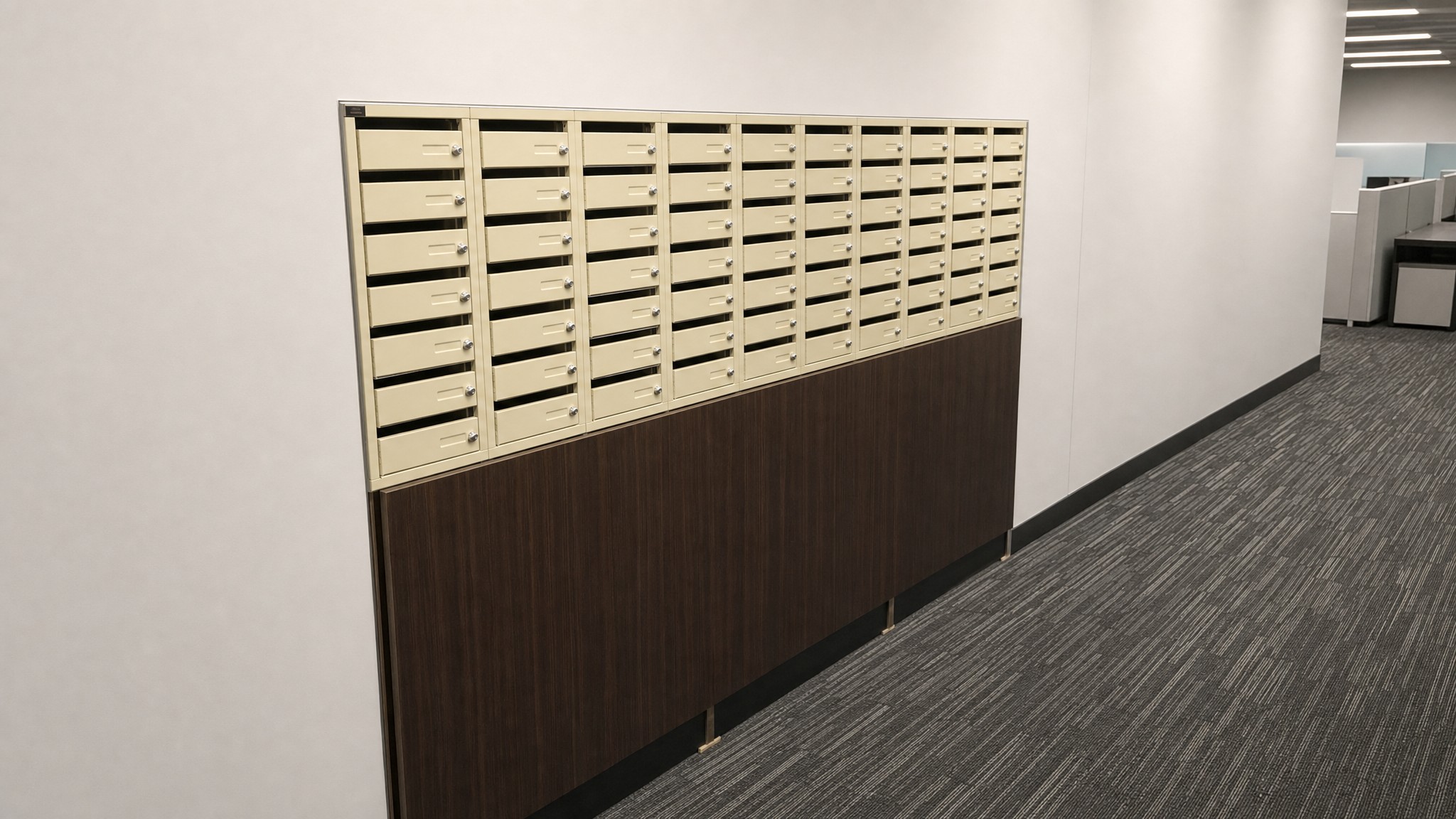
An office mail sorter is a manual mailroom or office system with compartments, shelves, slots, or hanging-folder sections for organizing mail by recipient, department, route, or category. It gives staff a fixed place to separate envelopes, internal documents, literature, and outgoing mail without using automated postal equipment.
Mail Slot Sizes, Compartments, and Capacity Planning
Office mail sorters are available in letter, legal, and oversize configurations. Compatible sort modules can use flexible plastic shelves in standard, legal, oversized, and zip sizes, with shelf positions adjustable on 1-inch intervals. Hanging-folder sorters use suspended folders to reduce unused space compared with fixed horizontal openings.
- The number of active users, shared departments, mail routes, or sorting categories.
- Envelope, form, packet, and literature sizes that need dedicated openings.
- Daily mail volume, including whether bulk mail sorting shelves or bins are needed.
- Whether open cubbies or hanging folders make labels easier for staff to read.
Sorter Styles, Access Options, and Accessories
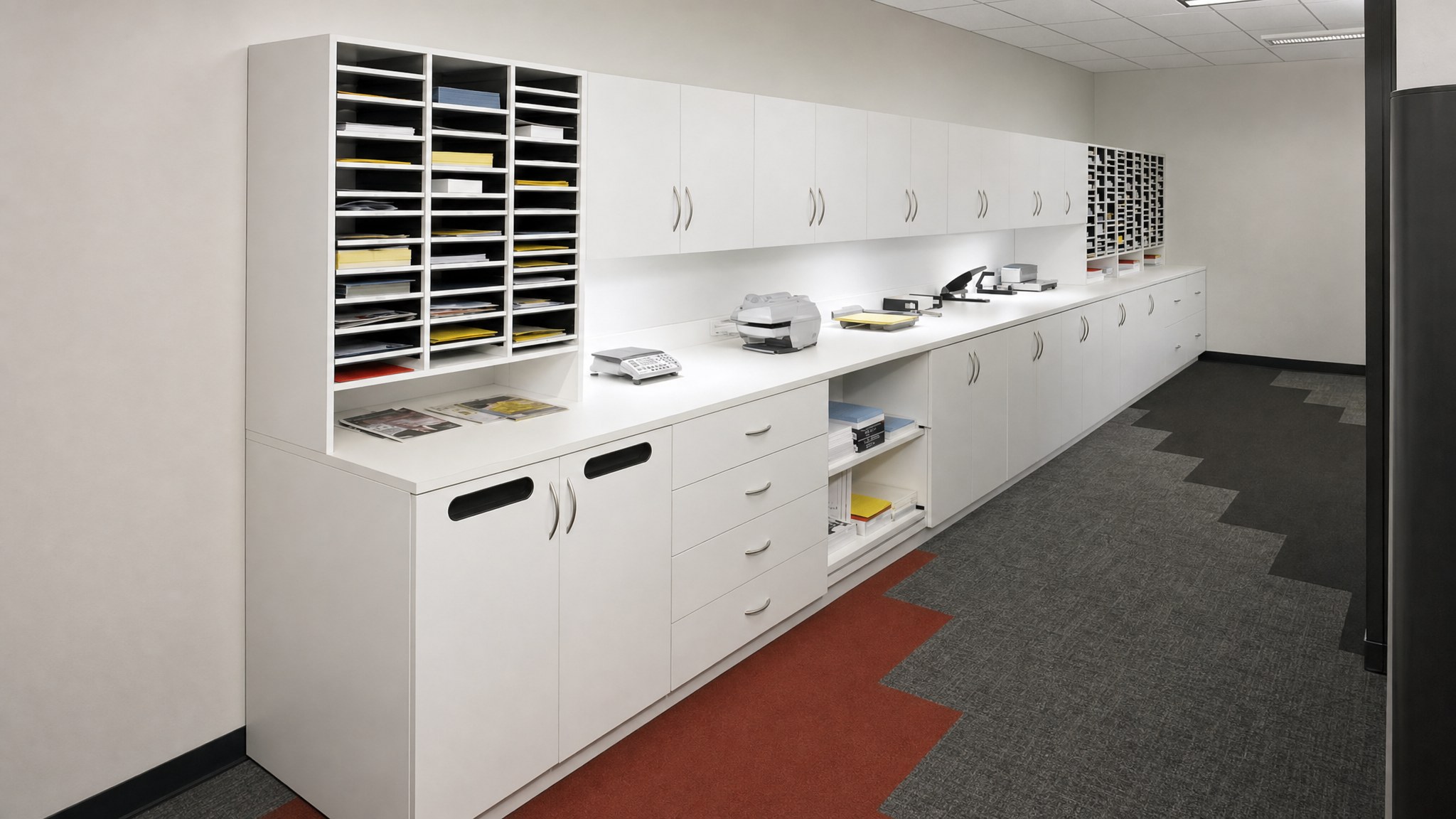
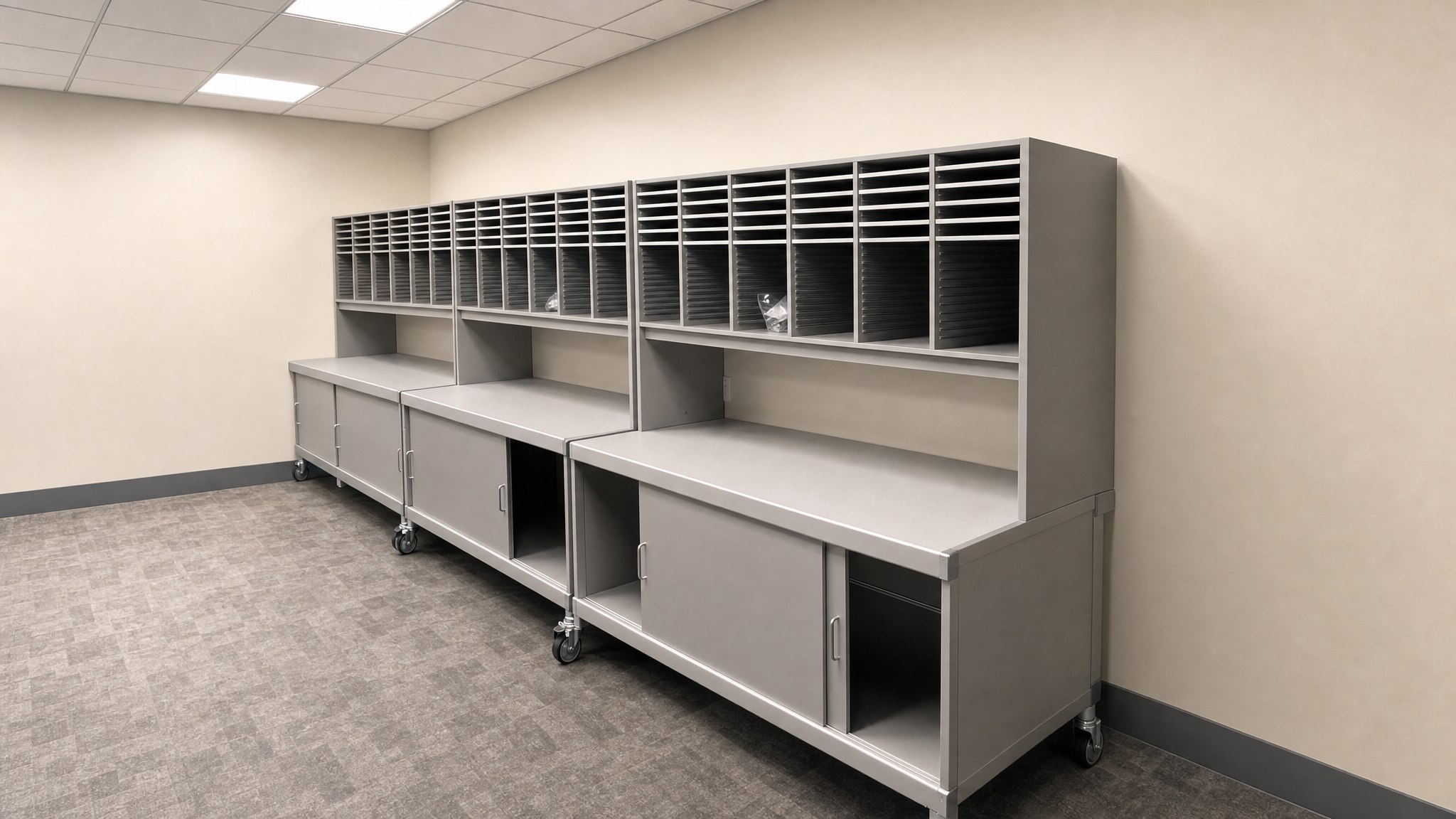
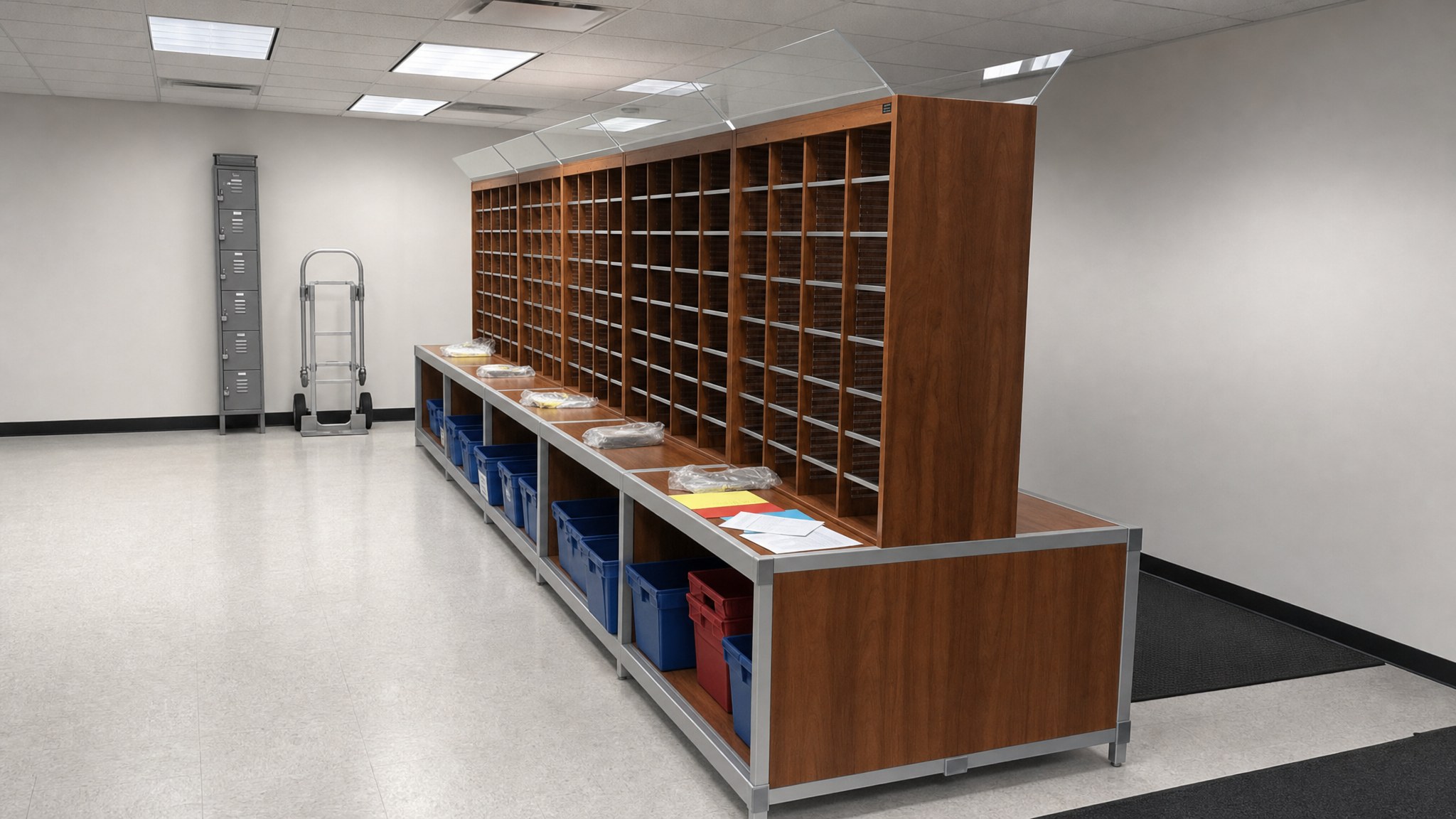
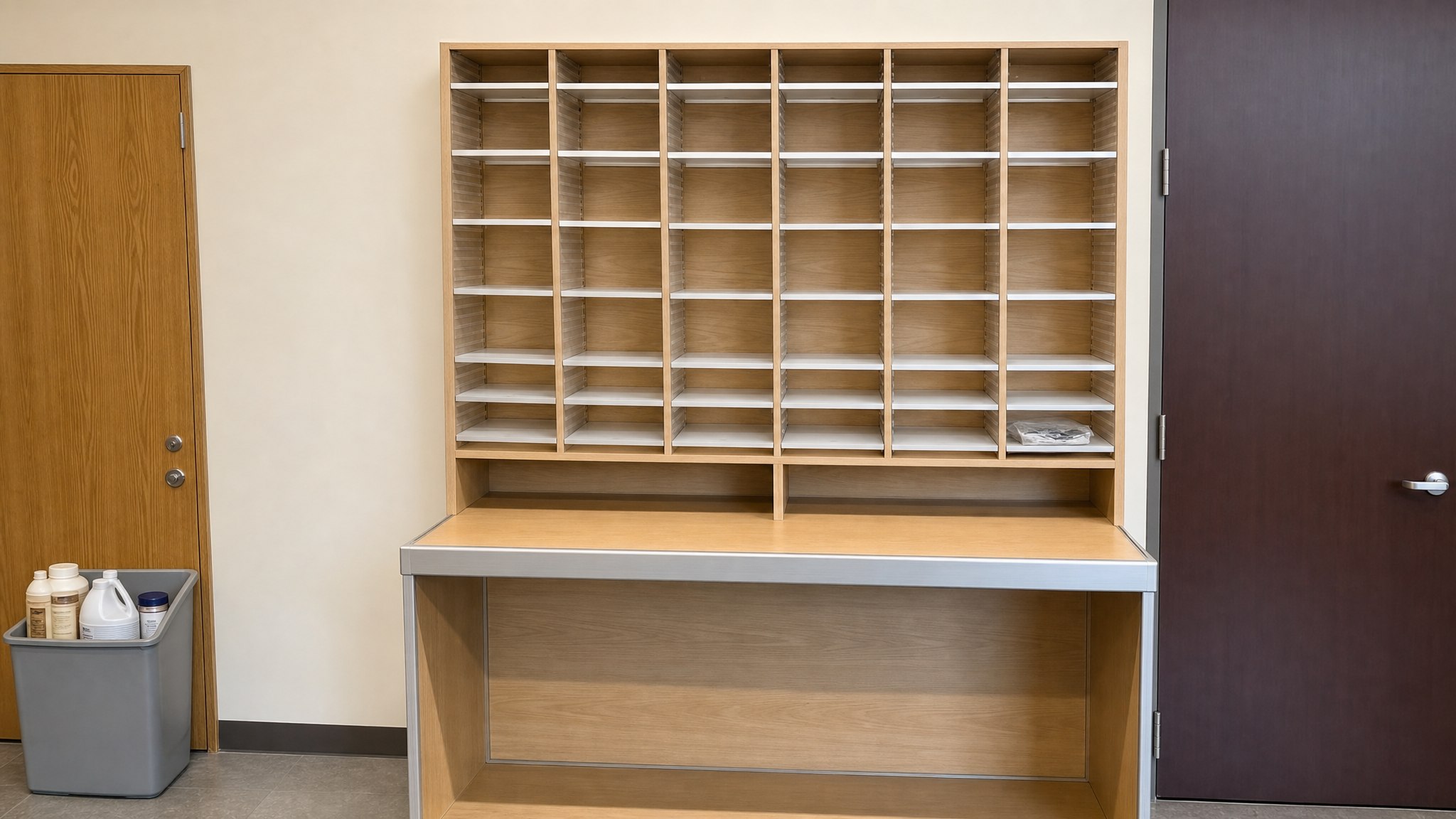
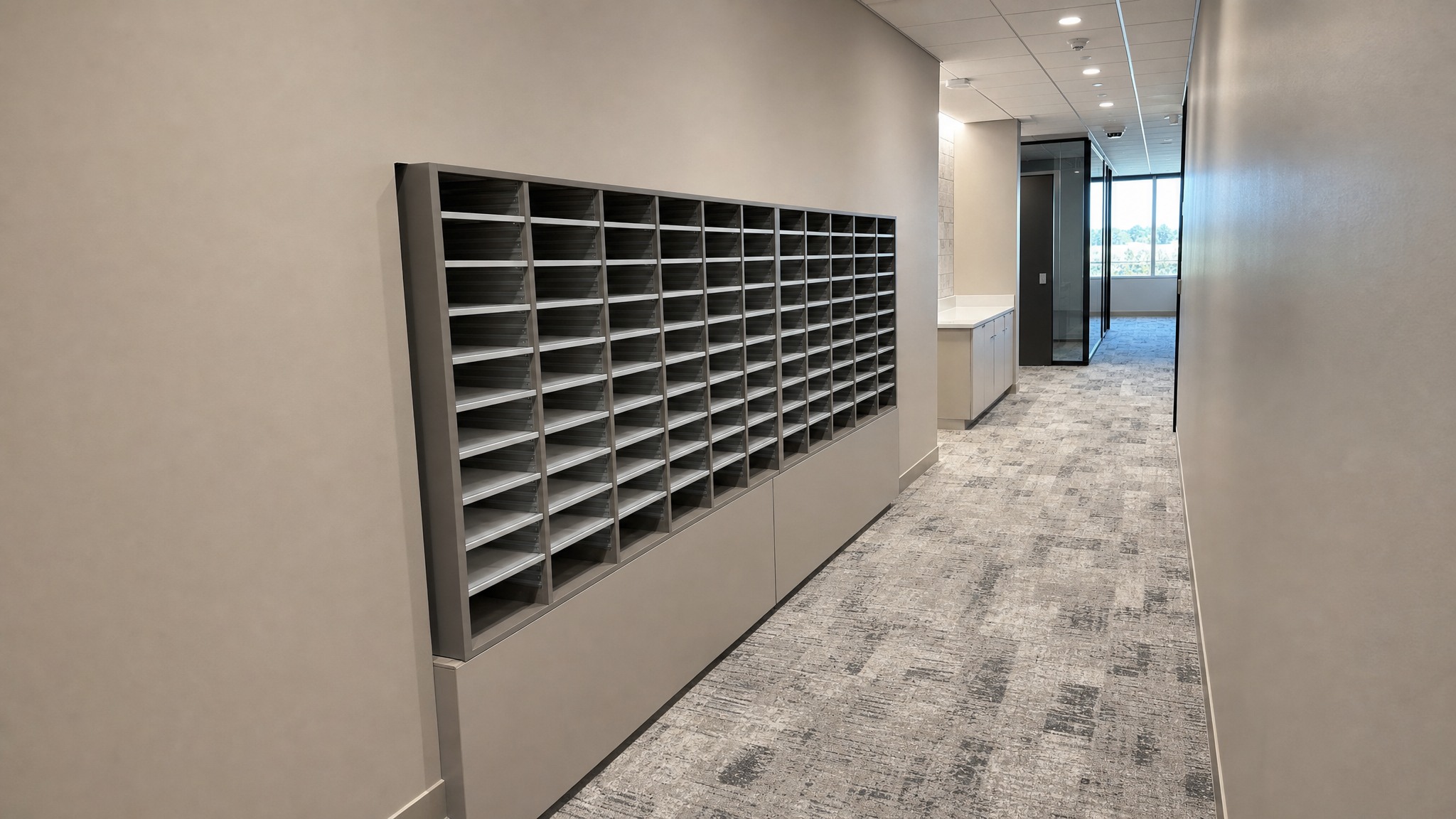
Office mail sorters can be configured as horizontal cubby units, hanging-folder systems, tabletop modules, freestanding units, or cabinet-based mail sorting stations. Wall-mounted units describe how the sorter is supported, while pass-through units provide access from both sides of a wall. Model-dependent accessories include label holders, color-coded labels, adjustable-height table legs, dump rims, wheels, riser platforms, sliding doors, pull-out reference shelves, and security shutters.
- Choose horizontal cubbies for visible mail slots or hanging folders for suspended, labeled document sorting.
- Use a tabletop sorter when an existing table, desk, or cabinet will support the unit.
- Select a freestanding mail sorter when the mail area needs a dedicated floor unit or sorter cabinet.
- Specify pass-through access only when staff need to reach the sorter from both sides of a wall.
Where Office Mail Sorters Fit in Daily Operations
Office mail sorters support centralized mailrooms, departmental offices, reception areas, and administrative work areas that handle paper mail throughout the day. A sorter can be set up for mailroom-side sorting, staff pickup, outgoing mail staging, or bulk mail organization as part of a broader office mail system.
- Separating incoming envelopes by recipient, department, route, or document type.
- Holding outgoing mail and internal documents until collection.
- Creating an office mail station in schools, government offices, healthcare administration, and corporate support areas.
Planning an Office Mail Sorter Project
Southwest Solutions Group provides design and installation services for office mail sorter projects. Before requesting a quote, identify your mail types, number of users or departments, desired opening count, placement preference, and whether staff need single-side or pass-through access. Standard mailroom furniture, customized mail sorting solutions, brochure resources, and BIM/Revit planning files can support different buying and design stages.
- Mail volume, envelope sizes, document sizes, and sorting categories.
- How many employees, departments, routes, or pickup points the sorter must serve.
- Preferred placement, such as tabletop, freestanding, cabinet-based, wall-mounted, or pass-through.
- Optional features such as doors, labels, pull-out shelves, bases, risers, wheels, or bulk mail bins.
Corporate Office Mail Distribution
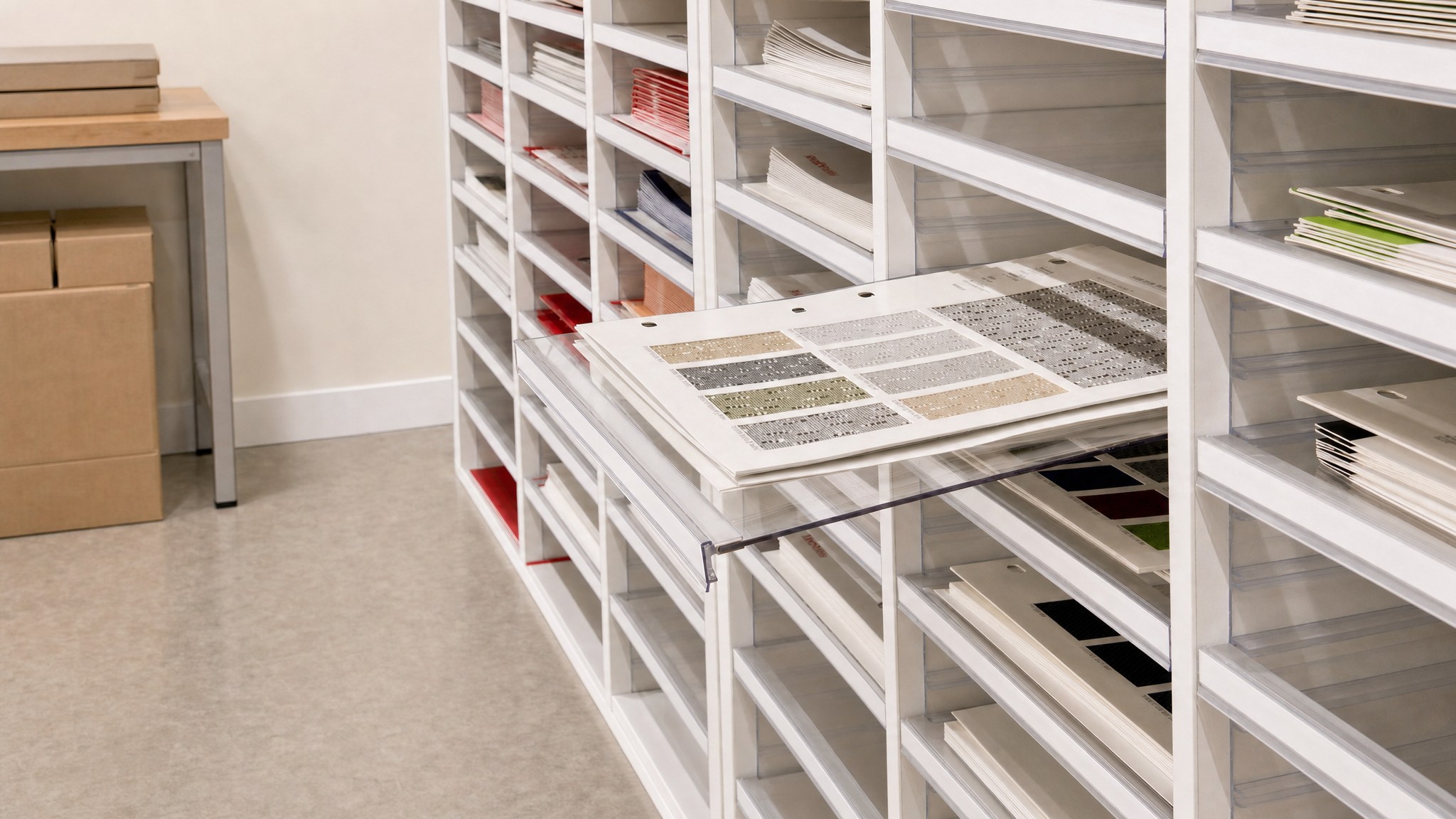
Corporate mailroom staff use mail sorters to separate incoming envelopes, interoffice documents, and outgoing materials before employees arrive for pickup. Horizontal cubbies, tabletop modules, and freestanding units give the mail team a consistent sorting point in shared office support areas.
- Plan openings by employee, team, department, or delivery route.
- Use labeled compartments to reduce misdirected pickup in shared mail areas.
- Add a cabinet base when the mail station also needs storage for supplies.


Planning Your Office Mail Sorter Configuration
Use these planning decisions to compare opening style, placement, access, and support options before choosing an office mail sorter layout.
| Planning Decision | Why It Matters | What to Confirm |
|---|---|---|
| Sorting format | Deciding whether mail is best organized in horizontal cubbies or suspended folders. | Confirm whether users need fixed mail slots, compressed hanging folders, magnified labels, or a mix of formats. |
| Mail size requirements | Matching openings to envelopes, legal-size documents, oversize packets, and literature. | Identify the largest documents handled daily before setting compartment sizes and counts. |
| Placement method | Choosing between tabletop, freestanding, cabinet-based, wall-mounted, or pass-through layouts. | Confirm available floor space, wall support, existing furniture, and whether the unit needs its own base. |
| Access side | Mailrooms where staff loading and employee pickup may happen from different areas. | Single-side access works for many mailrooms; pass-through access is for two-sided use between adjacent spaces. |
| Accessories and storage | Creating a complete mail sorting station with labels, shelves, bases, risers, wheels, or doors. | Accessory availability depends on the selected model, so confirm compatibility before final design. |
Southwest Solutions Near You
With 7 offices in Texas, Oklahoma, Kansas and Colorado, plus teams covering every major metro area nationwide, Southwest Solutions Group delivers expert office mail sorter sales, design, installation, and maintenance support wherever you need it.
Office Mail Sorter Service Areas
Texas
- Dallas
- Austin
- Houston
- San Antonio
- Waco
- Tyler
- Amarillo
- Lubbock
- El Paso
- Ft Worth
- Corpus Christi
- Midland
Oklahoma
- Oklahoma City
- Tulsa
- Norman
- Lawton
- Enid
- Stillwater
- McAlester
- Muskogee
- Guymon
Kansas
- Wichita
- Overland Park
- Topeka
- Kansas City
- Lawrence
- Manhattan
- Salina
- Hays
- Dodge City
- Garden City
Colorado
- Denver
- Colorado Springs
- Fort Collins
- Grand Junction
- Pueblo
- Durango
- Alamosa
- Steamboat Springs
- Greeley
Alabama
- Huntsville
- Birmingham
- Montgomery
- Mobile
- Tuscaloosa
- Hoover
- Dothan
- Decatur
Alaska
- Anchorage
- Fairbanks
- Juneau
- Sitka
- Ketchikan
- Kodiak
- Bethel
- Nome
Arizona
- Phoenix
- Tucson
- Flagstaff
- Yuma
- Prescott
- Lake Havasu City
- Sierra Vista
- Kingman
Arkansas
- Little Rock
- Fayetteville
- Fort Smith
- Jonesboro
- Hot Springs
- Pine Bluff
- Texarkana
- Bentonville
- Arkadelphia
California
- Los Angeles
- San Diego
- San Francisco
- Sacramento
- Fresno
- Redding
- Bakersfield
- San Bernardino
- San Jose
Connecticut
- Hartford
- New Haven
- Stamford
- Bridgeport
Delaware
- Wilmington
- Dover
- Newark
- Rehoboth Beach
Florida
- Jacksonville
- Tallahassee
- Orlando
- Tampa
- Miami
- West Palm Beach
- Fort Myers
- Pensacola
Georgia
- Atlanta
- Savannah
- Augusta
- Columbus
- Macon
- Athens
- Valdosta
- Gainesville
- Albany
Hawaii
- Honolulu
- Hilo
- Kahului
- Kailua-Kona
- Lihue
Idaho
- Boise
- Coeur d'Alene
- Twin Falls
- Idaho Falls
- Pocatello
- Lewiston
- McCall
- Sandpoint
- Moscow
Illinois
- Chicago
- Springfield
- Rockford
- Peoria
- Champaign
- Bloomington
- Carbondale
- Moline
- Quincy
Indiana
- Indianapolis
- Fort Wayne
- South Bend
- Evansville
- Lafayette
- Bloomington
- Terre Haute
- Gary
- Muncie
Iowa
- Des Moines
- Cedar Rapids
- Davenport
- Sioux City
- Iowa City
- Waterloo
- Council Bluffs
- Ames
- Mason City
Kentucky
- Louisville
- Lexington
- Bowling Green
- Owensboro
- Covington
- Paducah
- Ashland
- Richmond
- Frankfort
- Pikeville
- Florence
Louisiana
- New Orleans
- Baton Rouge
- Shreveport
- Lafayette
- Lake Charles
- Monroe
- Alexandria
- Houma
Maine
- Portland
- Bangor
- Augusta
- Lewiston
- Waterville
- Presque Isle
- Bar Harbor
- Biddeford
- Rockland
Maryland
- Baltimore
- Annapolis
- Frederick
- Hagerstown
- Salisbury
Massachusetts
- Boston
- Worcester
- Springfield
- Pittsfield
Michigan
- Detroit
- Grand Rapids
- Lansing
- Ann Arbor
- Flint
- Traverse City
- Marquette
- Kalamazoo
- Saginaw
Minnesota
- Minneapolis
- St. Paul
- Duluth
- Rochester
- Mankato
- St. Cloud
- Bemidji
- Moorhead
Mississippi
- Jackson
- Gulfport
- Hattiesburg
- Biloxi
- Southaven
- Meridian
- Tupelo
- Natchez
- Greenville
- Oxford
Missouri
- Jefferson City
- St. Louis
- Kansas City
- Springfield
- Columbia
- Joplin
- Cape Girardeau
- St. Joseph
- Rolla
Montana
- Helena
- Billings
- Missoula
- Great Falls
- Bozeman
- Kalispell
- Havre
- Miles City
Nebraska
- Lincoln
- Omaha
- Grand Island
- Kearney
- Scottsbluff
- Norfolk
- North Platte
- Fremont
- South Sioux City
Nevada
- Las Vegas
- Reno
- Carson City
- Elko
- Pahrump
- Henderson
- Winnemucca
- Mesquite
- Fallon
New Hampshire
- Concord
- Manchester
- Portsmouth
- Keene
- Nashua
New Jersey
- Newark
- Jersey City
- Trenton
- Atlantic City
New Mexico
- Santa Fe
- Albuquerque
- Las Cruces
- Roswell
- Farmington
- Gallup
- Carlsbad
- Clovis
New York
- Albany
- New York City
- Buffalo
- Rochester
- Syracuse
- Binghamton
- Ithaca
- Plattsburgh
North Carolina
- Raleigh
- Charlotte
- Greensboro
- Asheville
- Wilmington
- Fayetteville
- Boone
- Greenville
North Dakota
- Bismarck
- Fargo
- Grand Forks
- Minot
- Dickinson
- Williston
- Jamestown
- Devils Lake
Ohio
- Columbus
- Cleveland
- Cincinnati
- Toledo
- Dayton
- Akron
- Youngstown
- Athens
Oregon
- Portland
- Salem
- Eugene
- Hermiston
- Baker City
- Medford
- Bend
- Klamath Falls
Pennsylvania
- Harrisburg
- Philadelphia
- Pittsburgh
- Erie
- Scranton
- State College
- Allentown
- Williamsport
Rhode Island
- Providence
- Warwick
- Newport
- Woonsocket
South Carolina
- Columbia
- Charleston
- Greenville
- Myrtle Beach
- Hilton Head Island
- Spartanburg
- Florence
- Rock Hill
South Dakota
- Pierre
- Sioux Falls
- Rapid City
- Aberdeen
- Watertown
- Brookings
- Mitchell
- Yankton
Tennessee
- Memphis
- Jackson
- Nashville
- Clarksville
- Cookeville
- Chattanooga
- Knoxville
- Johnson City
Utah
- Salt Lake City
- Ogden
- Logan
- Provo
- St. George
- Cedar City
- Moab
- Vernal
Vermont
- Montpelier
- Burlington
- Rutland
- Brattleboro
Virginia
- Richmond
- Norfolk
- Virginia Beach
- Roanoke
- Lynchburg
- Harrisonburg
- Fredericksburg
- Bristol
Washington
- Olympia
- Seattle
- Spokane
- Yakima
- Bellingham
- Wenatchee
- Kennewick
- Vancouver
West Virginia
- Charleston
- Huntington
- Morgantown
- Wheeling
- Parkersburg
- Beckley
- Martinsburg
- Bluefield
Wisconsin
- Madison
- Milwaukee
- Green Bay
- Eau Claire
- La Crosse
- Wausau
- Appleton
- Superior
Wyoming
- Cheyenne
- Casper
- Laramie
- Gillette
- Sheridan
- Rock Springs
- Jackson
- Cody
District of Columbia
- Washington D.C.
Frequently Asked Questions
A mail sorter for an office is a manual system with compartments, shelves, slots, or hanging-folder sections used to organize incoming, outgoing, and internal mail by recipient, department, route, or category.
Plan the number of mail slots based on the number of users, departments, routes, daily mail volume, and the types and sizes of documents you need to sort.
A tabletop mail sorter mounts onto an existing table, desk, or cabinet, while a freestanding mail sorter includes its own support base and creates a dedicated mail sorting station.
Use hanging folders when you want to organize mail and literature in suspended folders. Because the folders compress together, they can save space compared with traditional horizontal cubbies.
No. A wall-mounted mail sorter describes wall support, while a pass-through mail sorter is installed between two rooms so mail can be accessed from both sides.
Yes. Many office mail sorters can be paired with compatible bases, cabinets, or work surfaces to create a mail sorting station, depending on the selected model.
Legal-size and oversize sorter configurations are available for office mail sorters. If you need two-sided access for legal documents, ask about a pass-through layout with compatible legal-size openings.
Product image gallery

Explore More Furniture and Benches
Assembly Tables
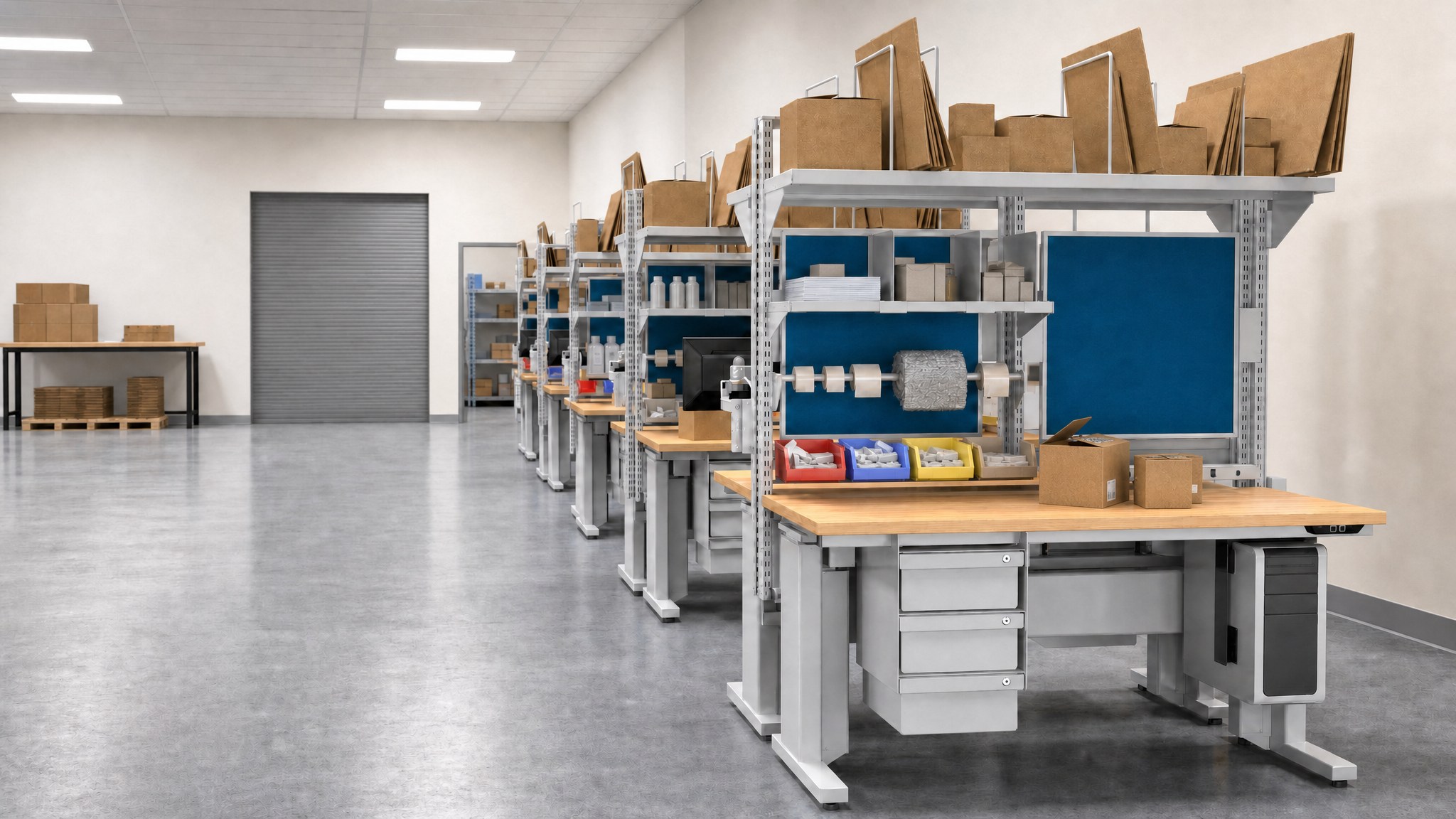
Configurable assembly tables provide organized, ergonomic work surfaces with adjustable heights and accessory options that support efficient production, repair, and technical workflows.
Explore Assembly Tables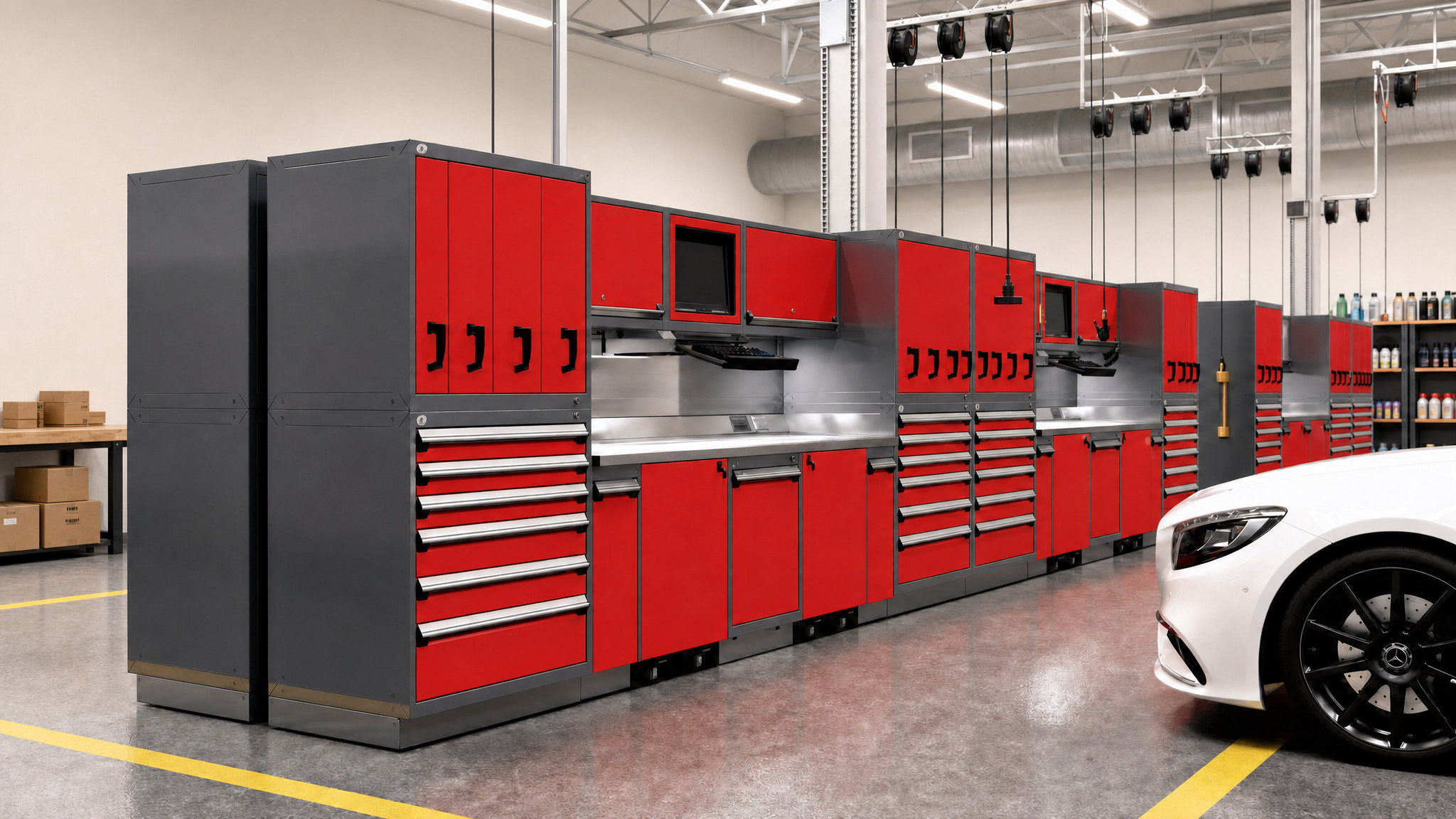
Automotive Workstations
Modular automotive workstations organize tools, supplies, and service information at each bay with customizable storage, durable work surfaces, and mobile or stationary configurations.
Explore Automotive Workstations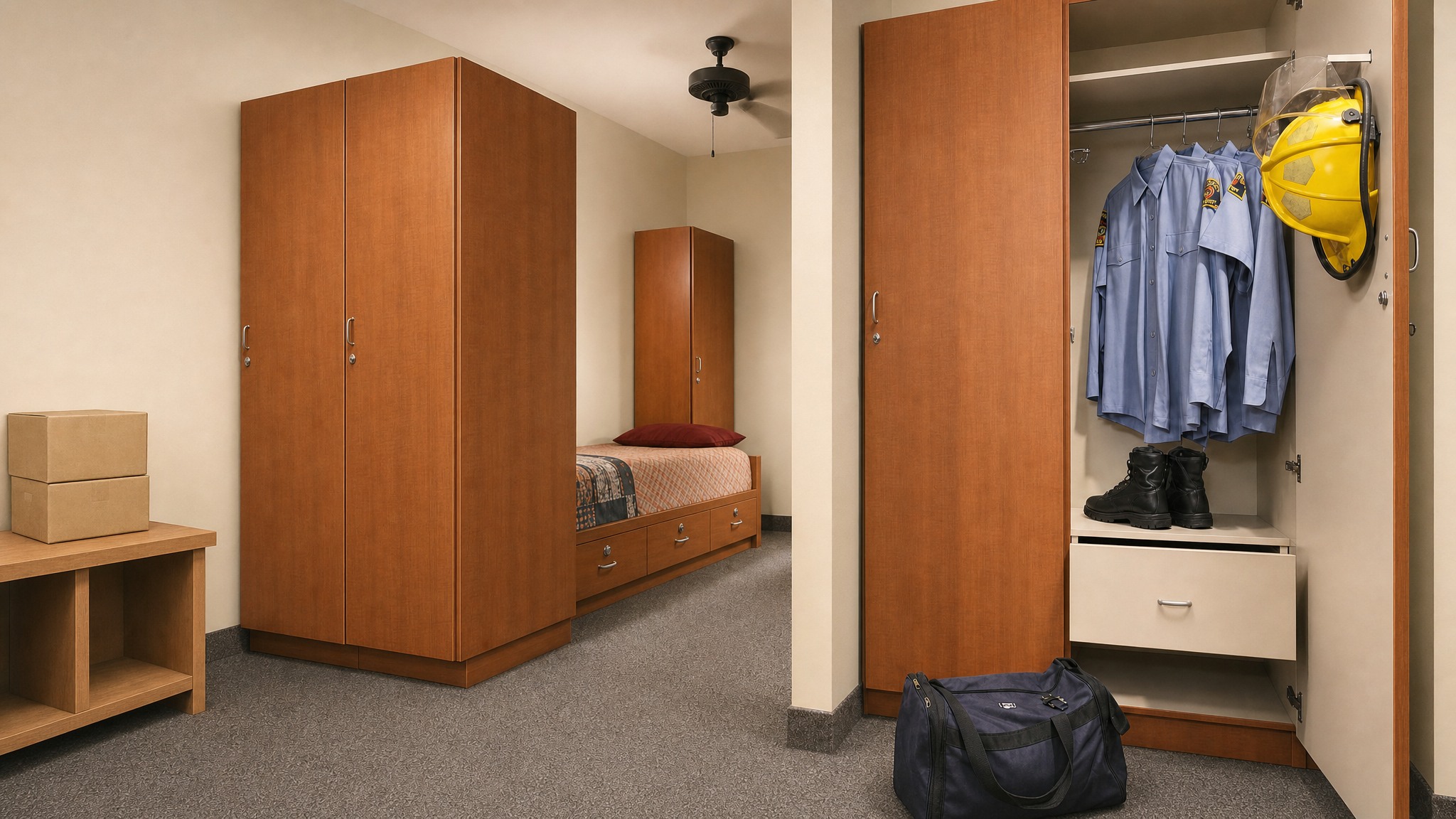
Fire Station Furniture
Fire station furniture provides customized beds, wardrobe lockers, and cabinets that maximize personal storage and organization in firefighter dormitories, bunk rooms, and shared living areas.
Explore Fire Station Furniture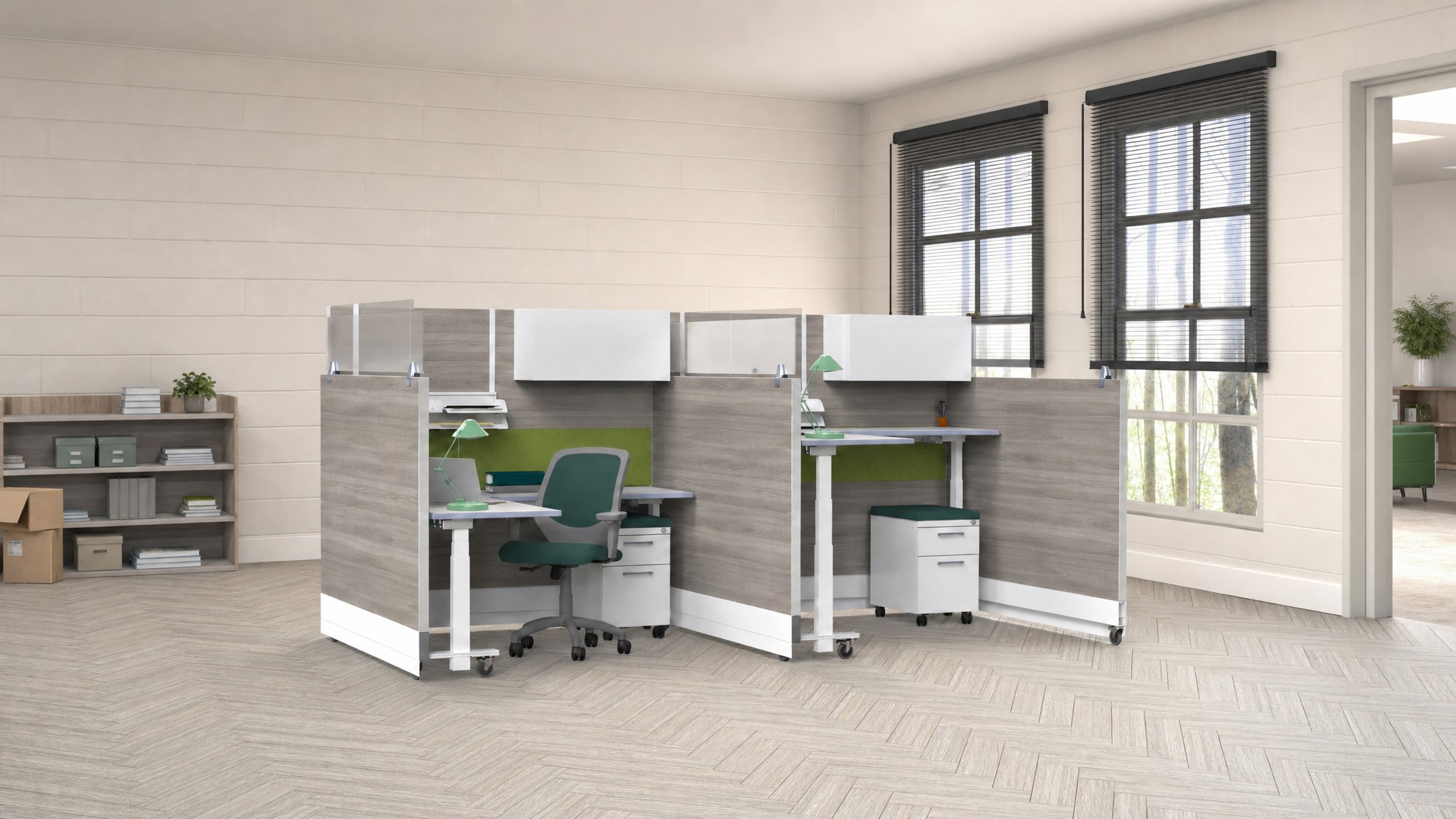
Mobile Desk Workstations
Mobile desk workstations provide portable, folding desks on casters for flexible setup, easy movement, and efficient storage in dynamic offices, classrooms, and training spaces.
Explore Mobile Desk Workstations
Auditorium Seating
Fixed and fold-down seating for lecture halls, auditoriums, and training rooms - designed for comfort, ADA compliance, and clean aesthetics.
Explore Auditorium Seating
Breakroom Furniture
Tables and seating for lounges, cafes, and team areas. Easy-clean surfaces and commercial finishes built for daily use and lasting comfort.
Explore Breakroom Furniture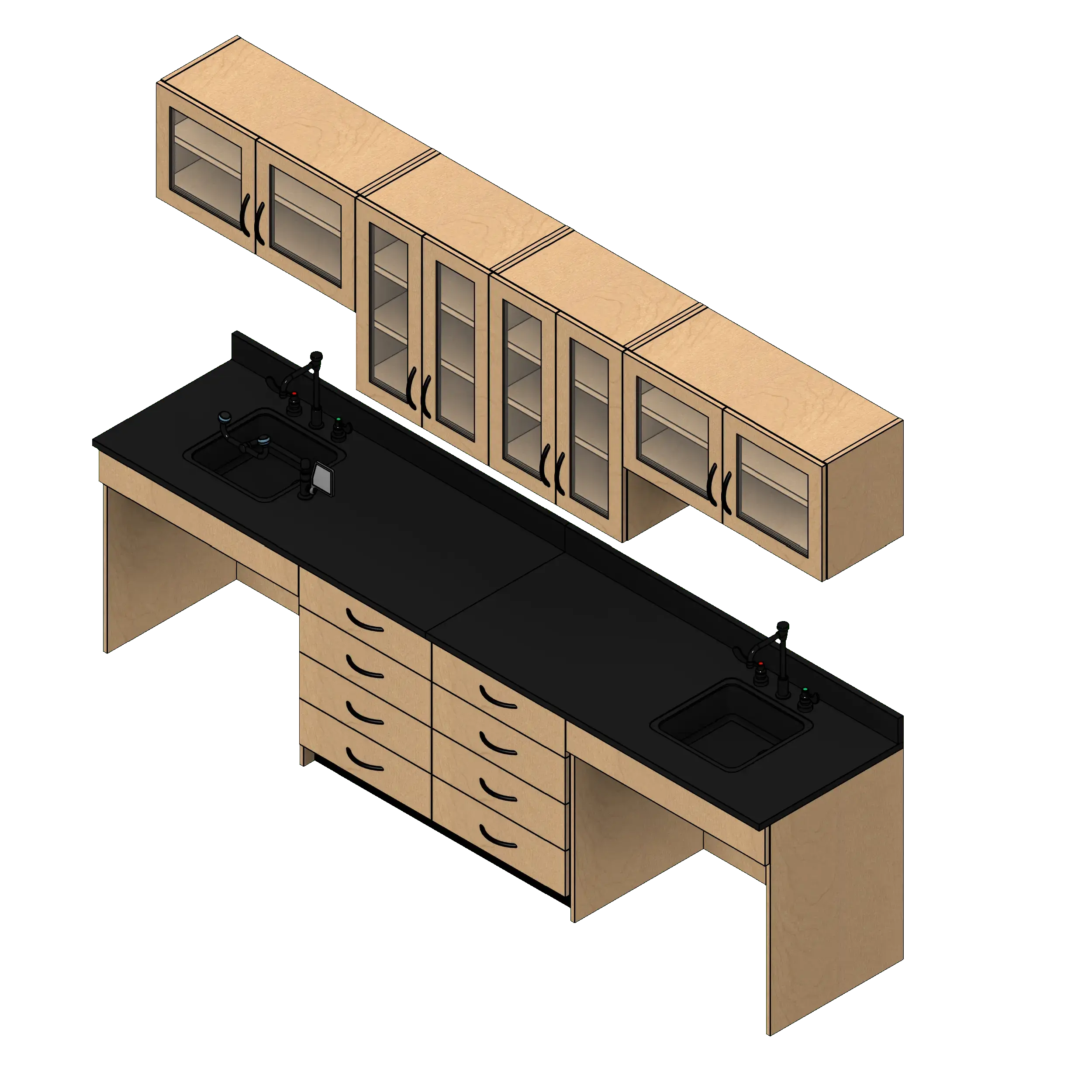
Lab Benches
Durable, chemical-resistant benches and modular casework for labs in healthcare, education, and research environments.
Explore Lab Benches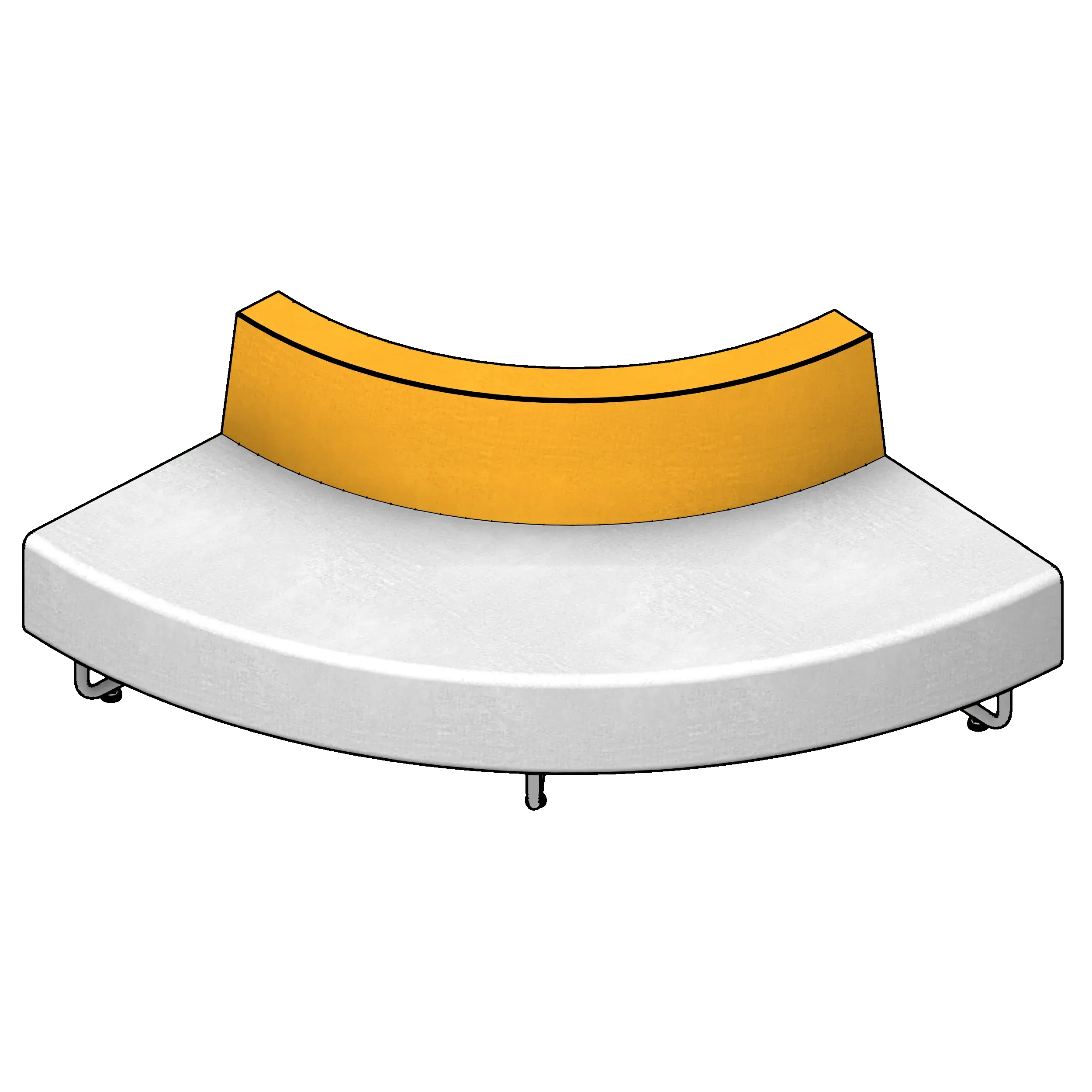
Library Furniture
Classic and tech-integrated furniture for libraries, media centers, and reading spaces in schools, campuses, and public facilities.
Explore Library Furniture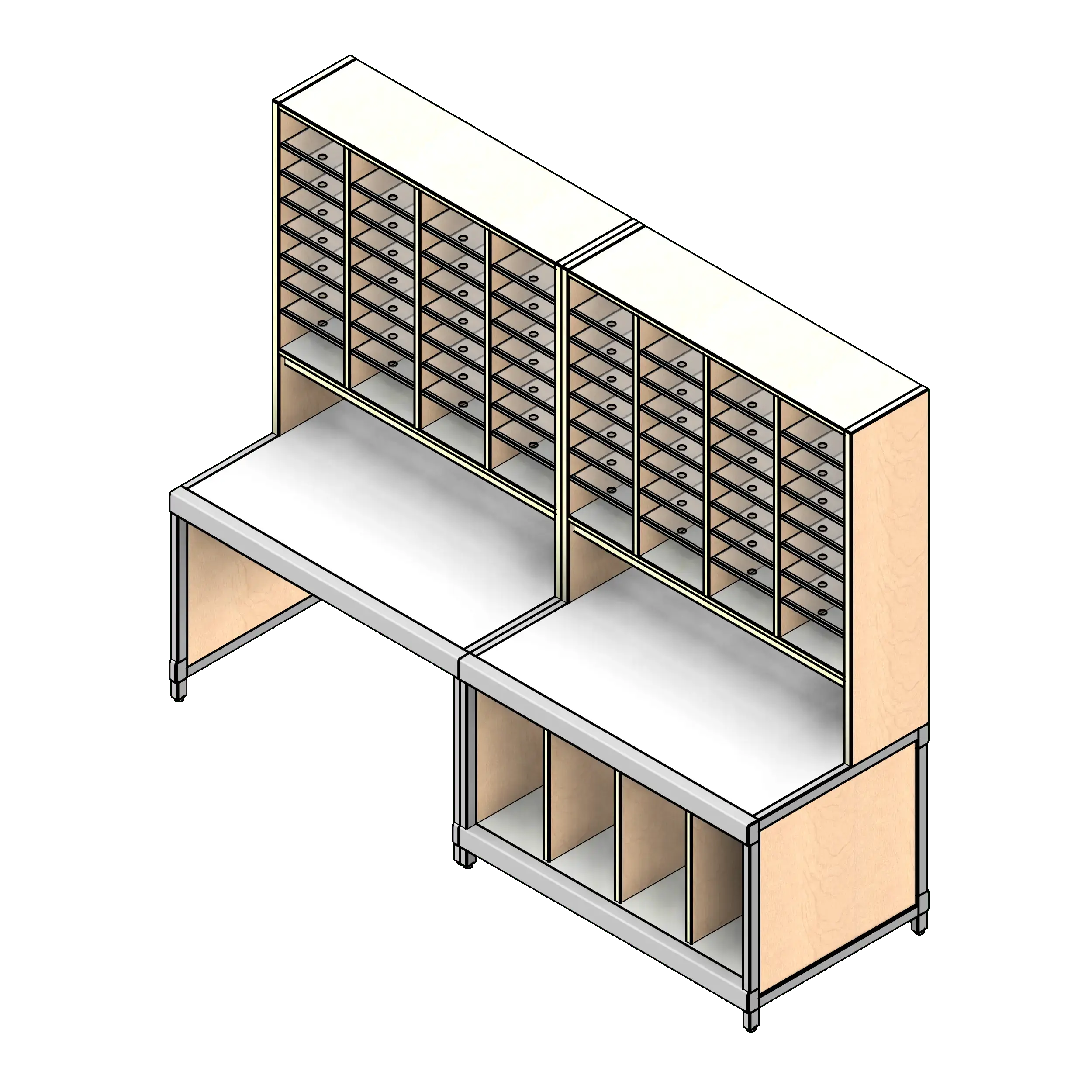
Mail Room Furniture
Organize mail and supplies with modular shelving, sorters, and durable laminate furniture for efficient daily use.
Explore Mail Room Furniture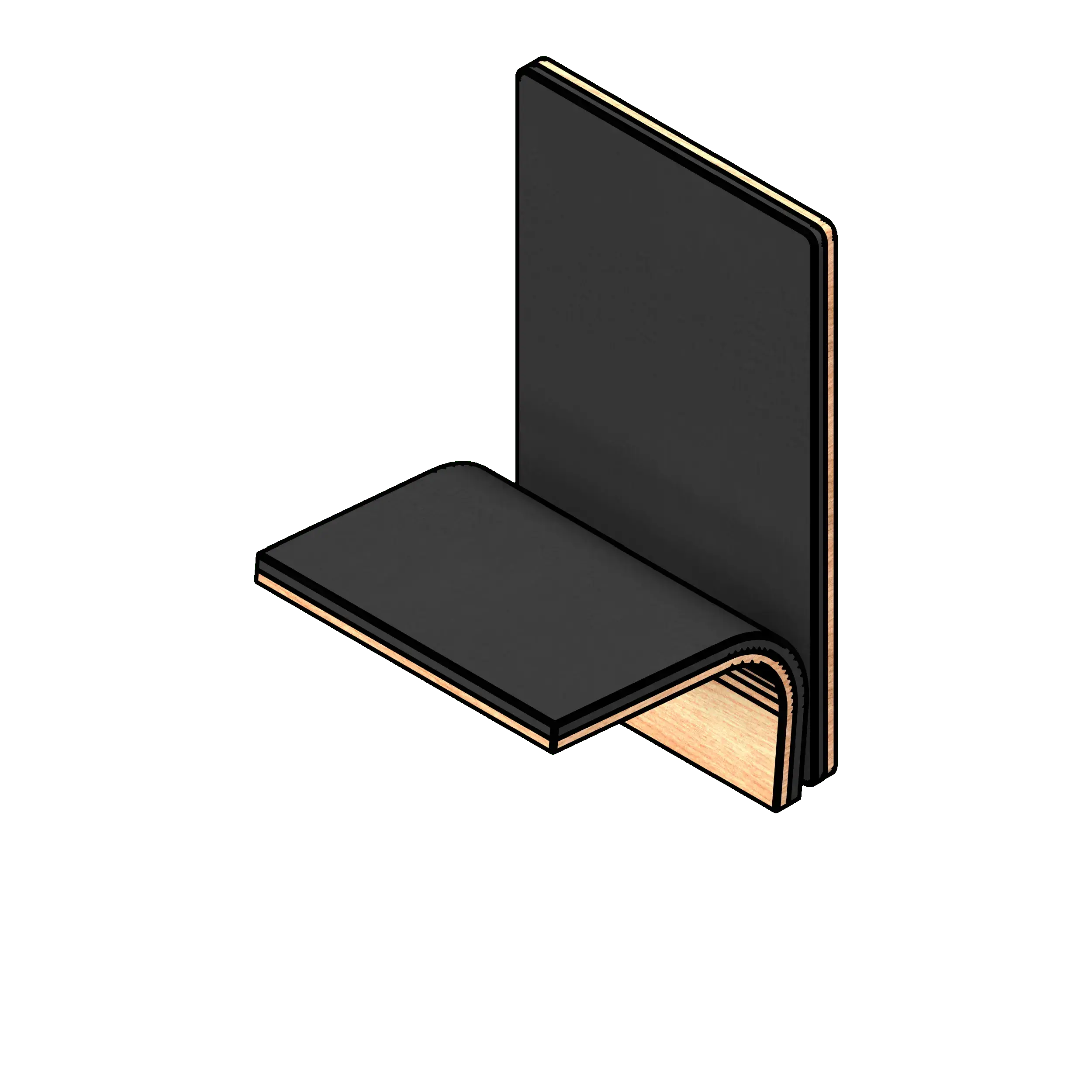
Murphy Chairs
Wall-mounted folding chairs that save space in corridors, classrooms, and multipurpose rooms. Compact, strong, and easy to use.
Explore Murphy Chairs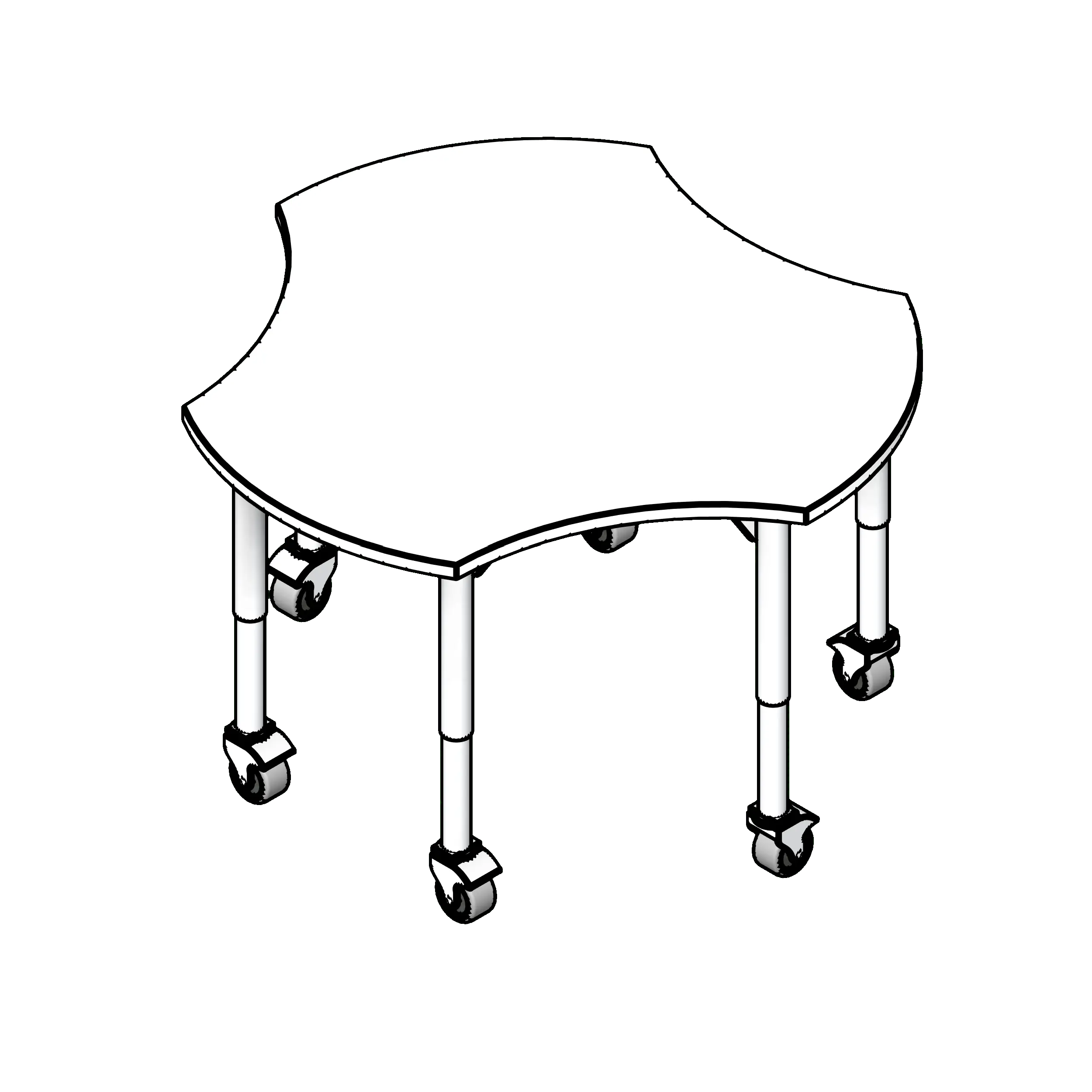
Training Room Tables
Flip-top and modular tables that nest, roll, and reconfigure easily for athletic, corporate, and educational training environments.
Explore Training Room TablesDesign an Office Mail Sorter Around Your Mailroom
Get expert help comparing cubbies, hanging folders, tabletop modules, freestanding units, and pass-through layouts. We will help you plan the right office mail sorter for your space, mail types, and access needs.
Request a custom quote or design consultation to build a mail sorting station that fits your team’s daily work.
Call us at (800) 803-1083 or Contact Us to schedule your free consultation today.
Request an Office Mail Sorter Quote