Museum Artwork Carts for Framed Art Transport
Museum artwork carts help staff move framed paintings and staged works through collection spaces without hand-carrying every piece. Southwest Solutions Group can help review artwork sizes, divider spacing, loading access, and route constraints before you select an art storage cart.
What Are Museum Artwork Carts?
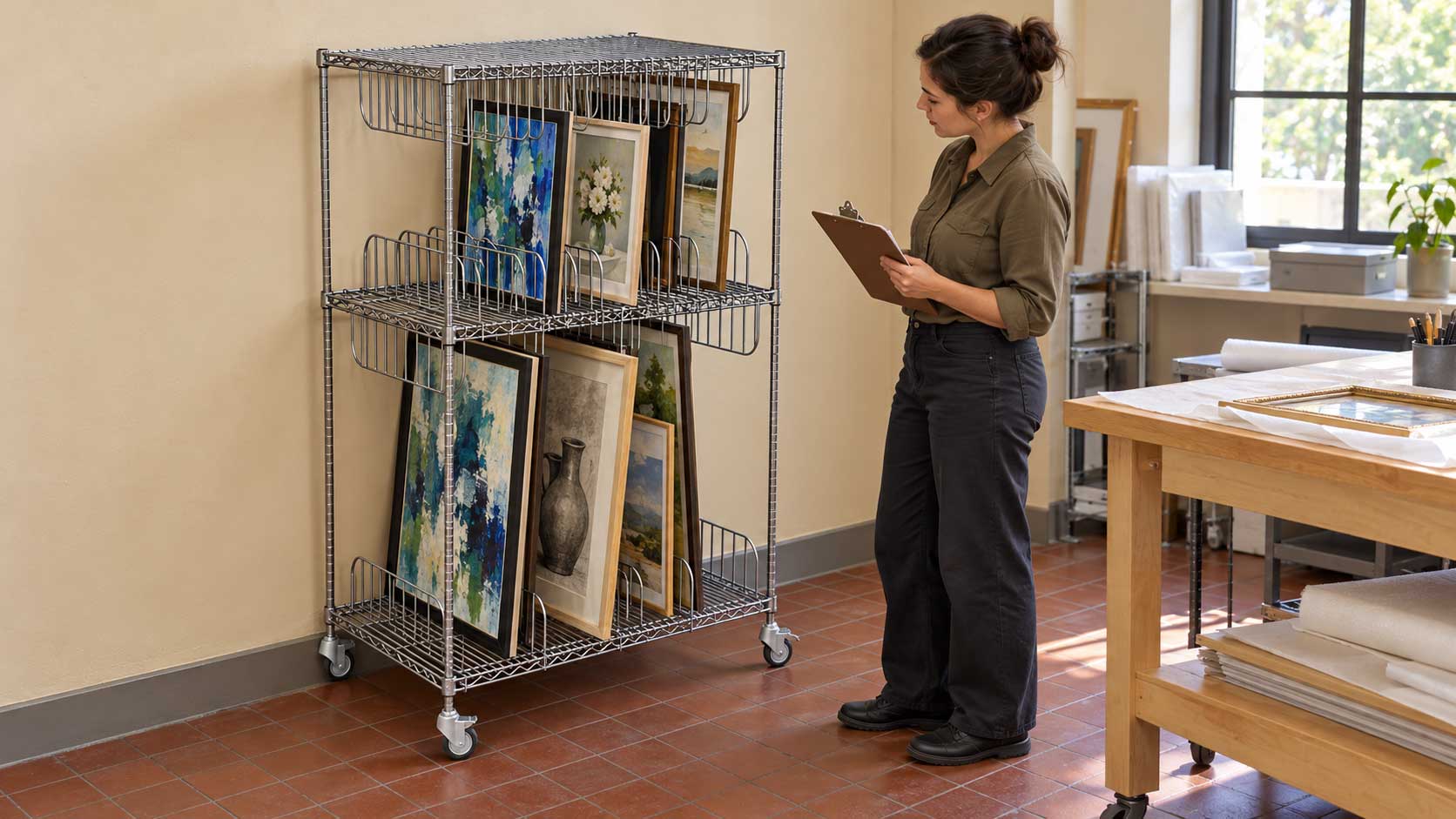
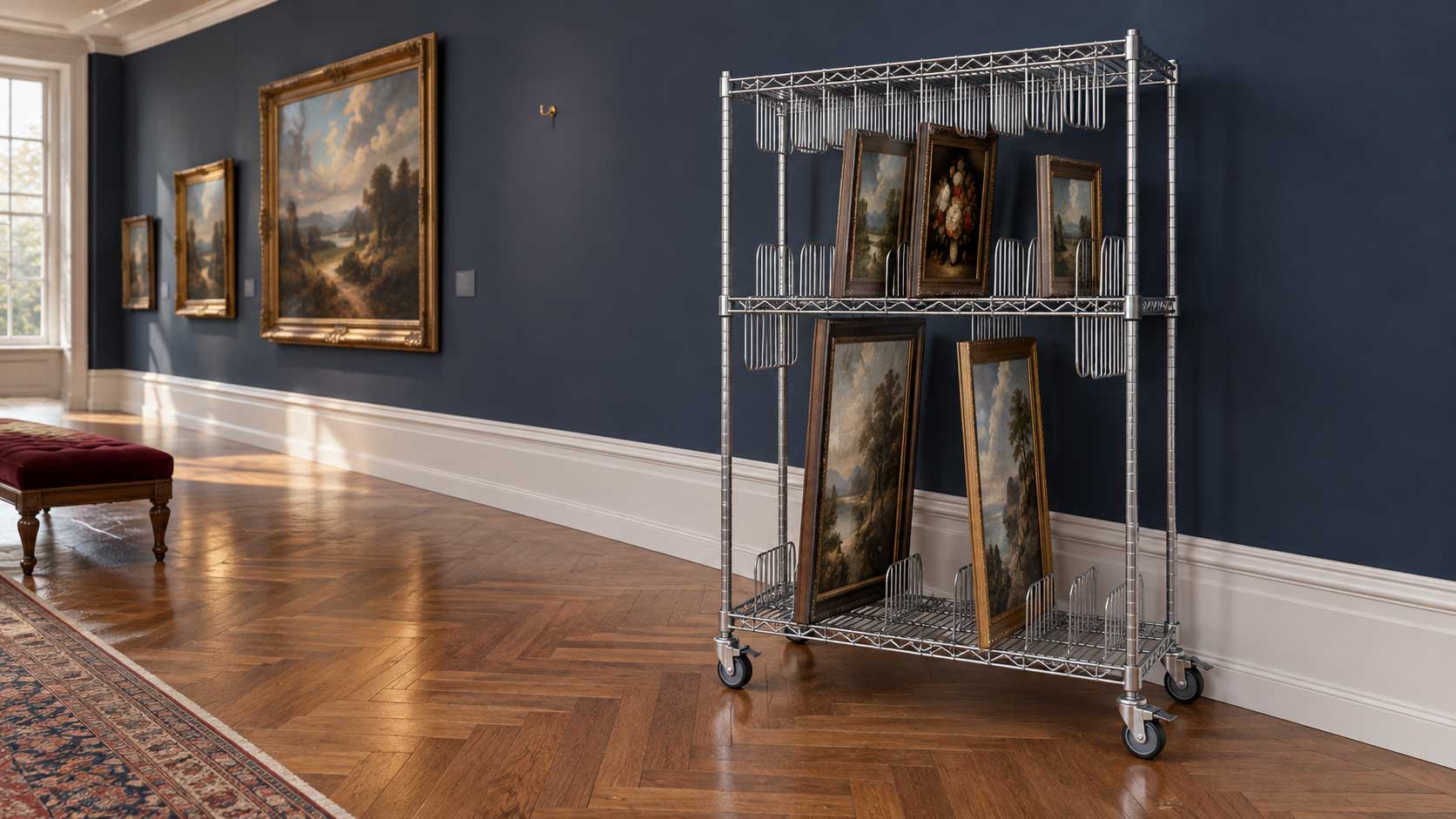
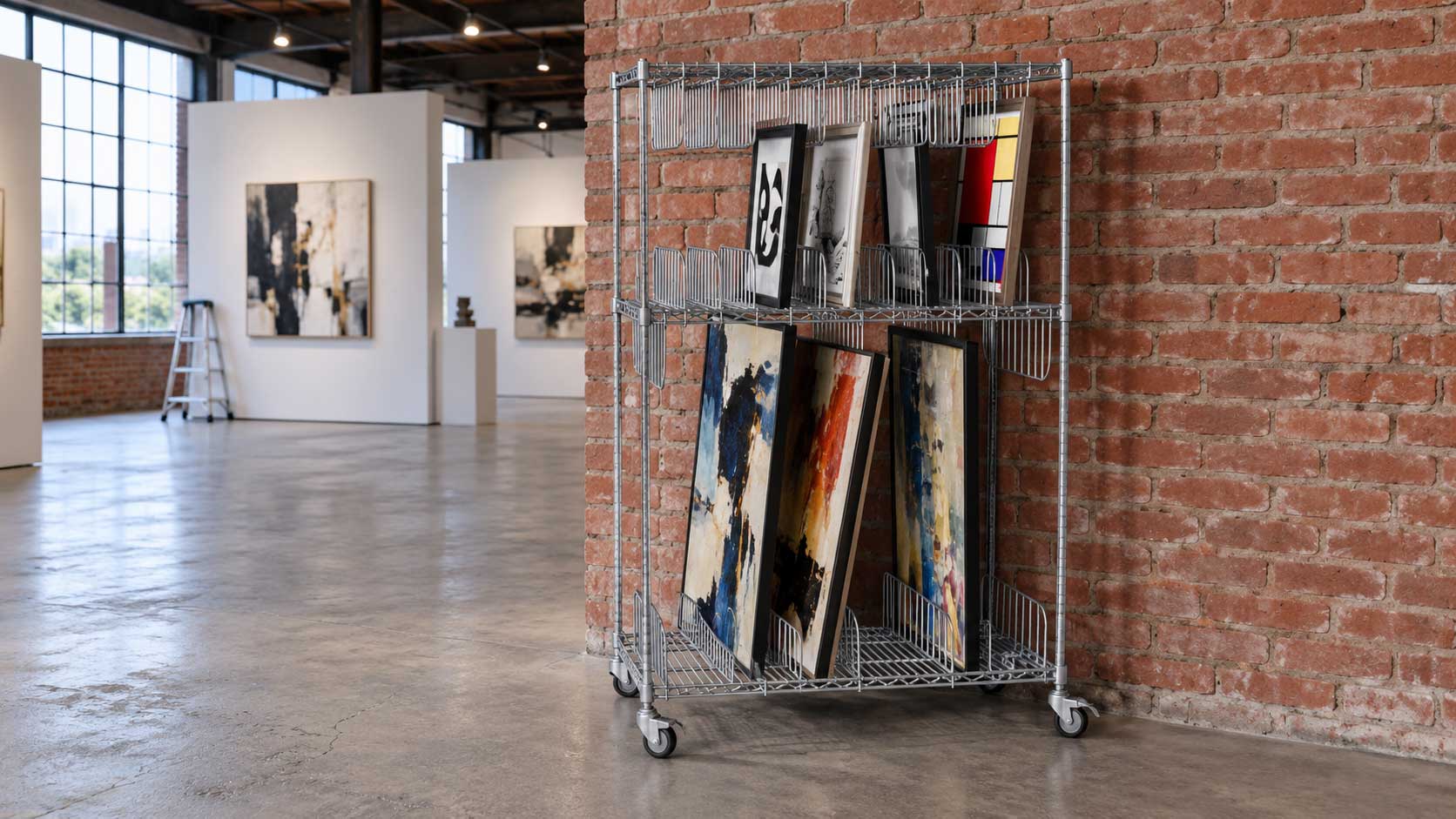
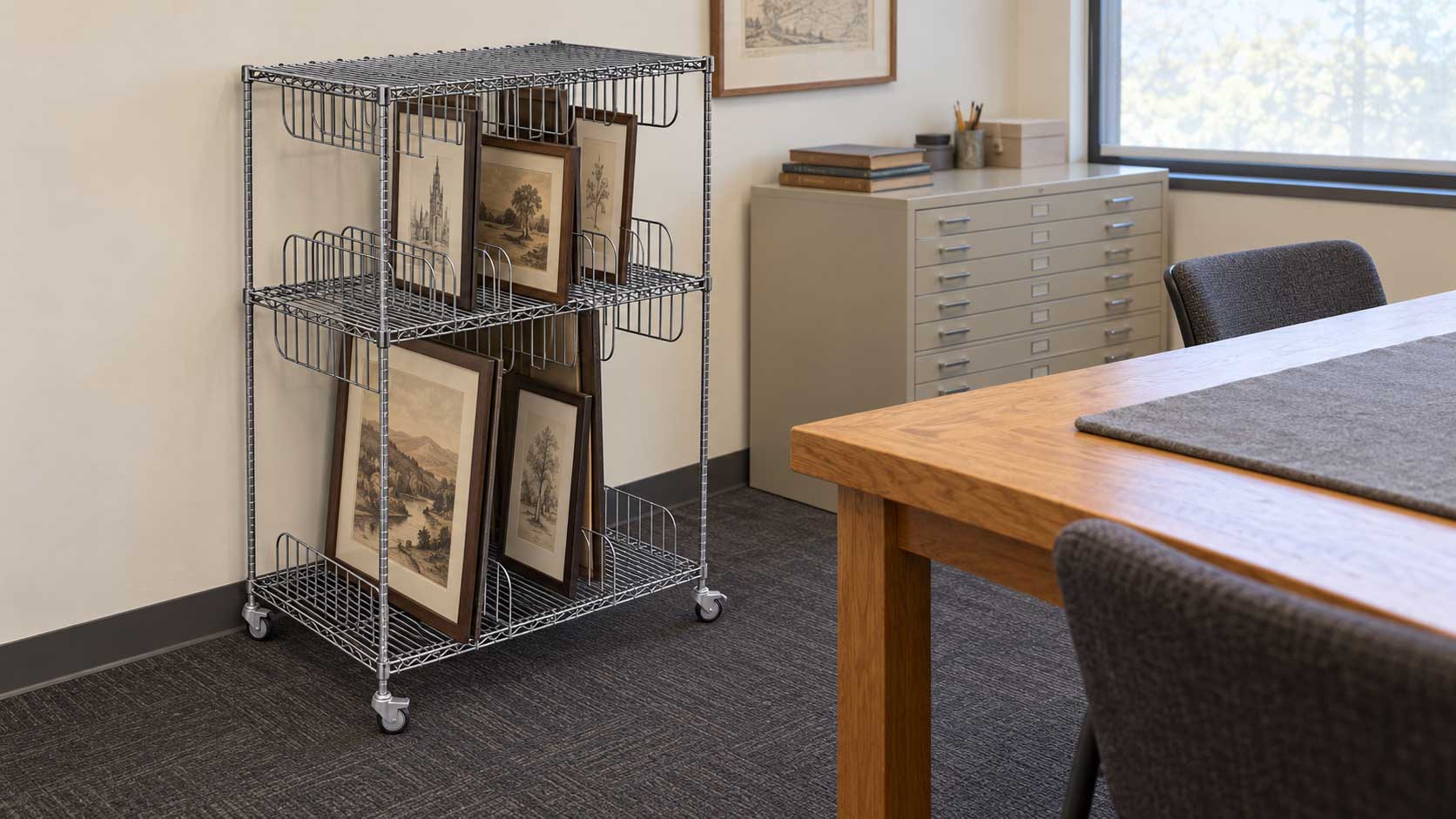
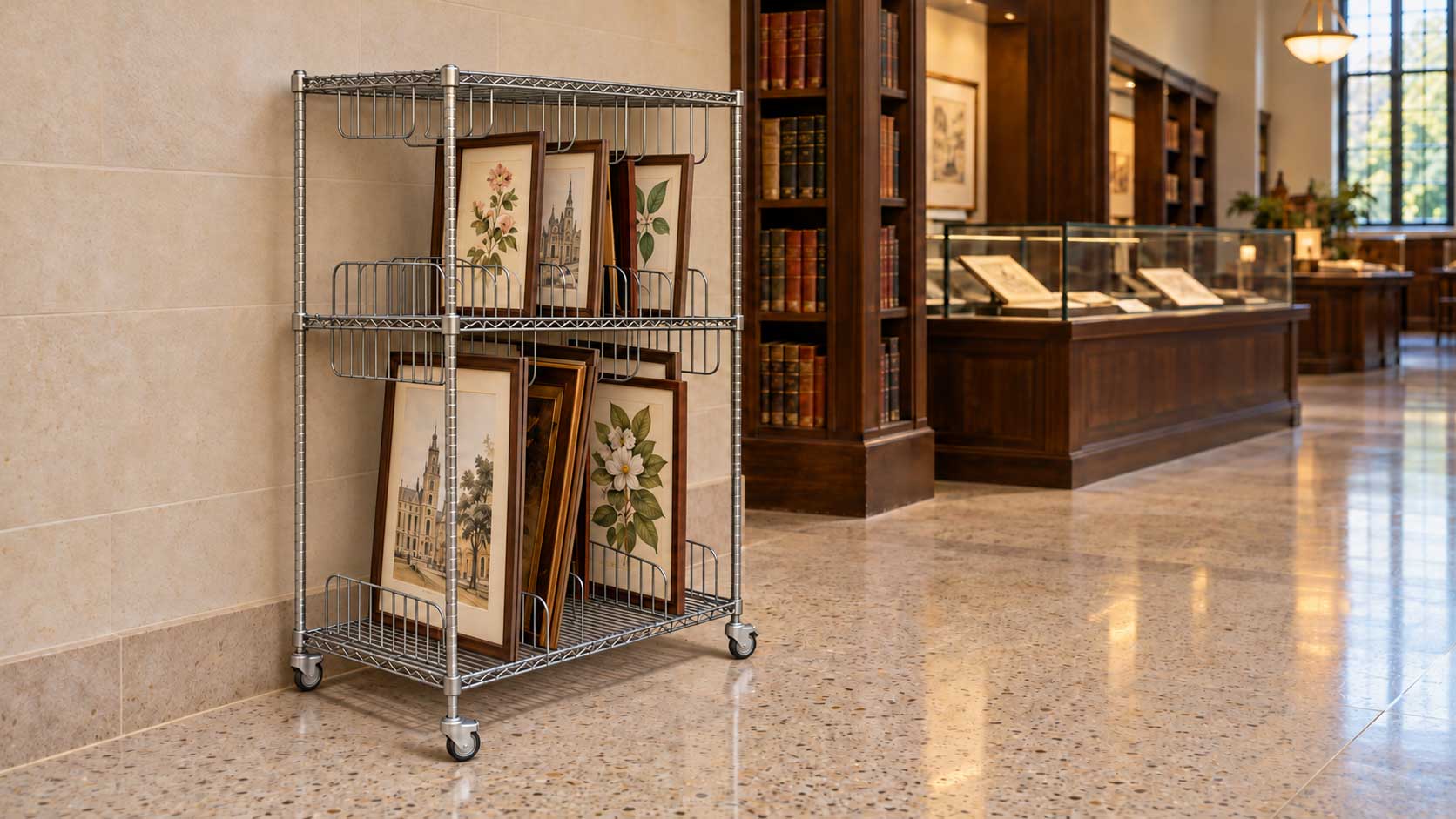
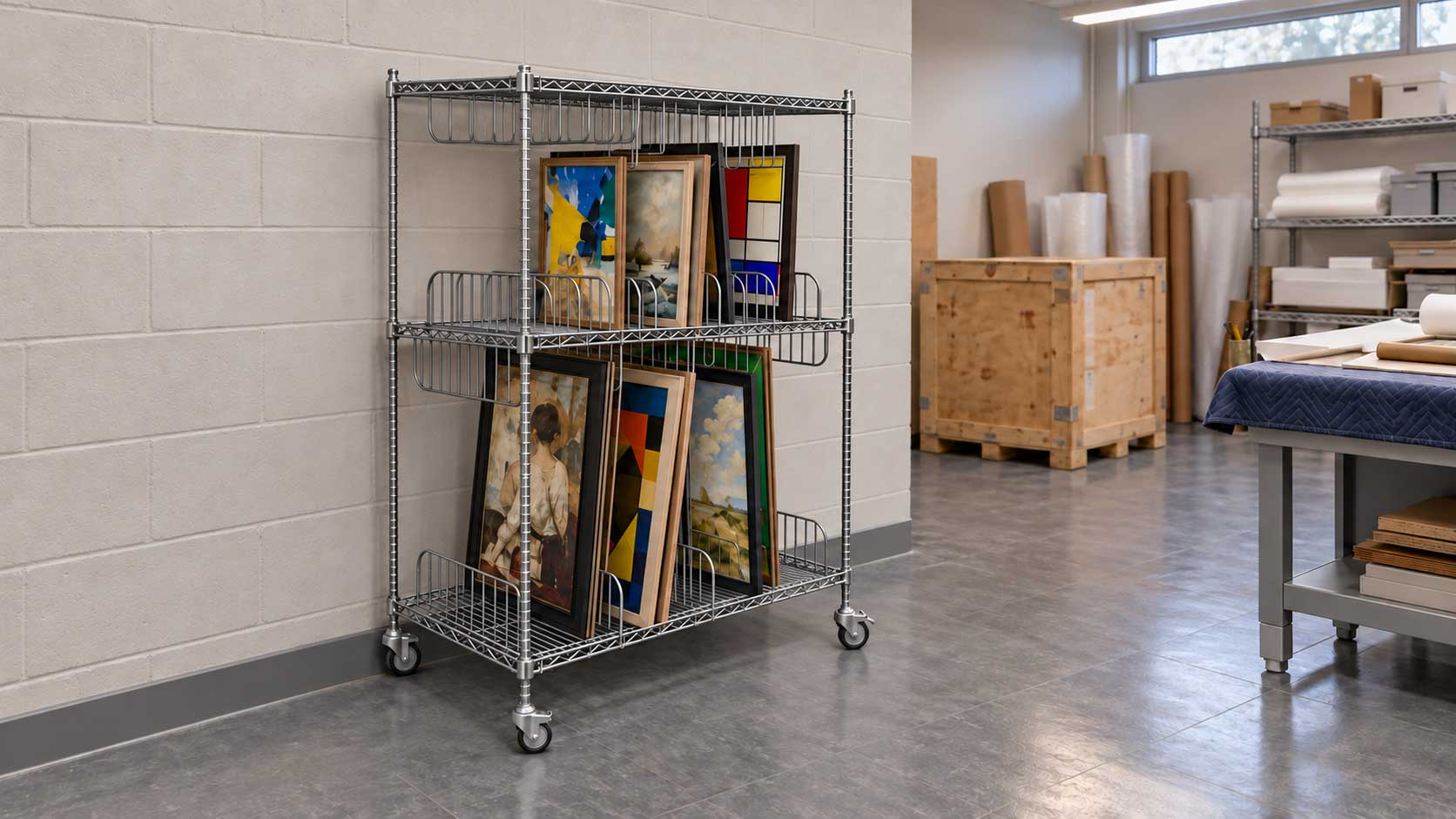
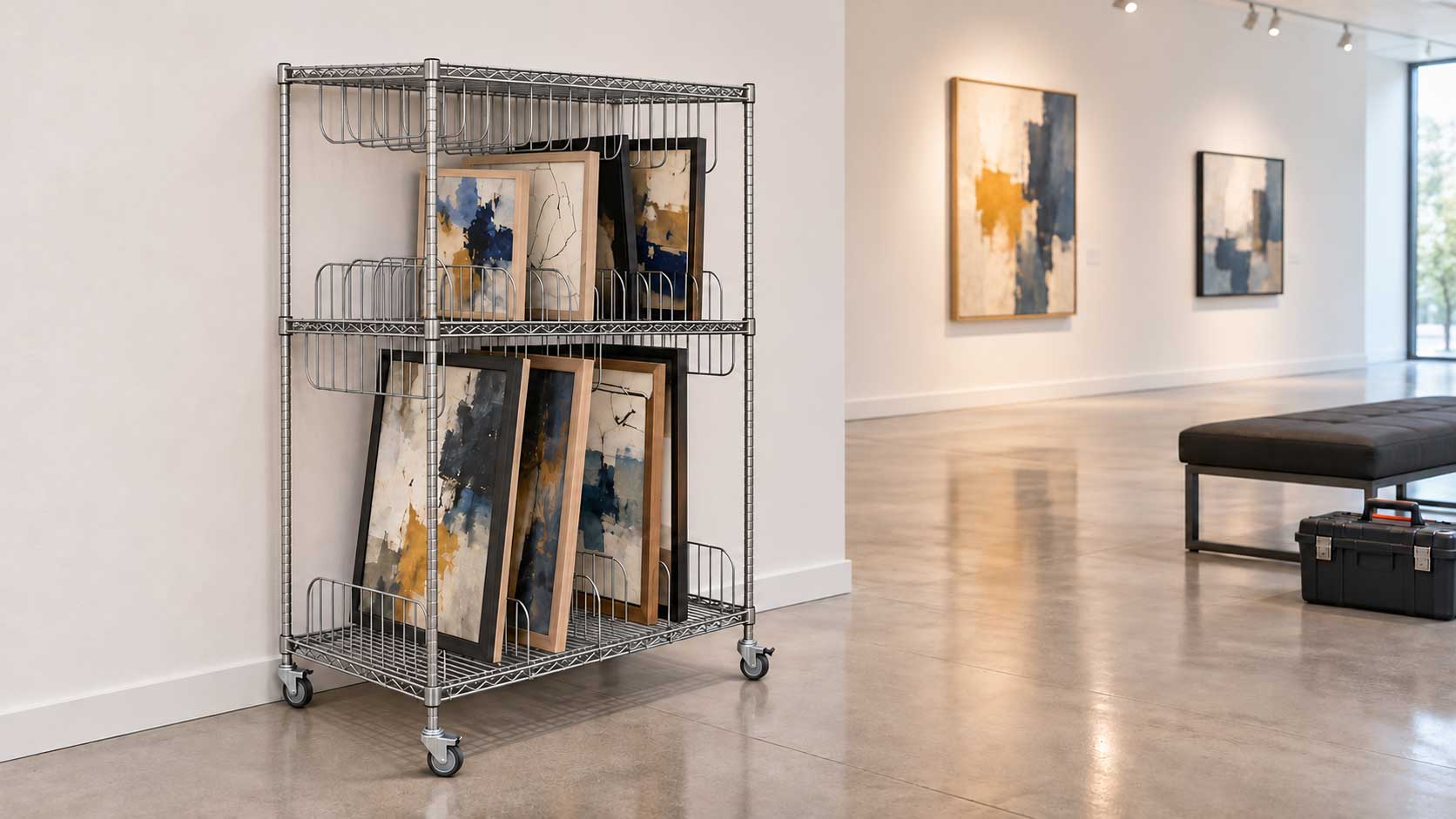
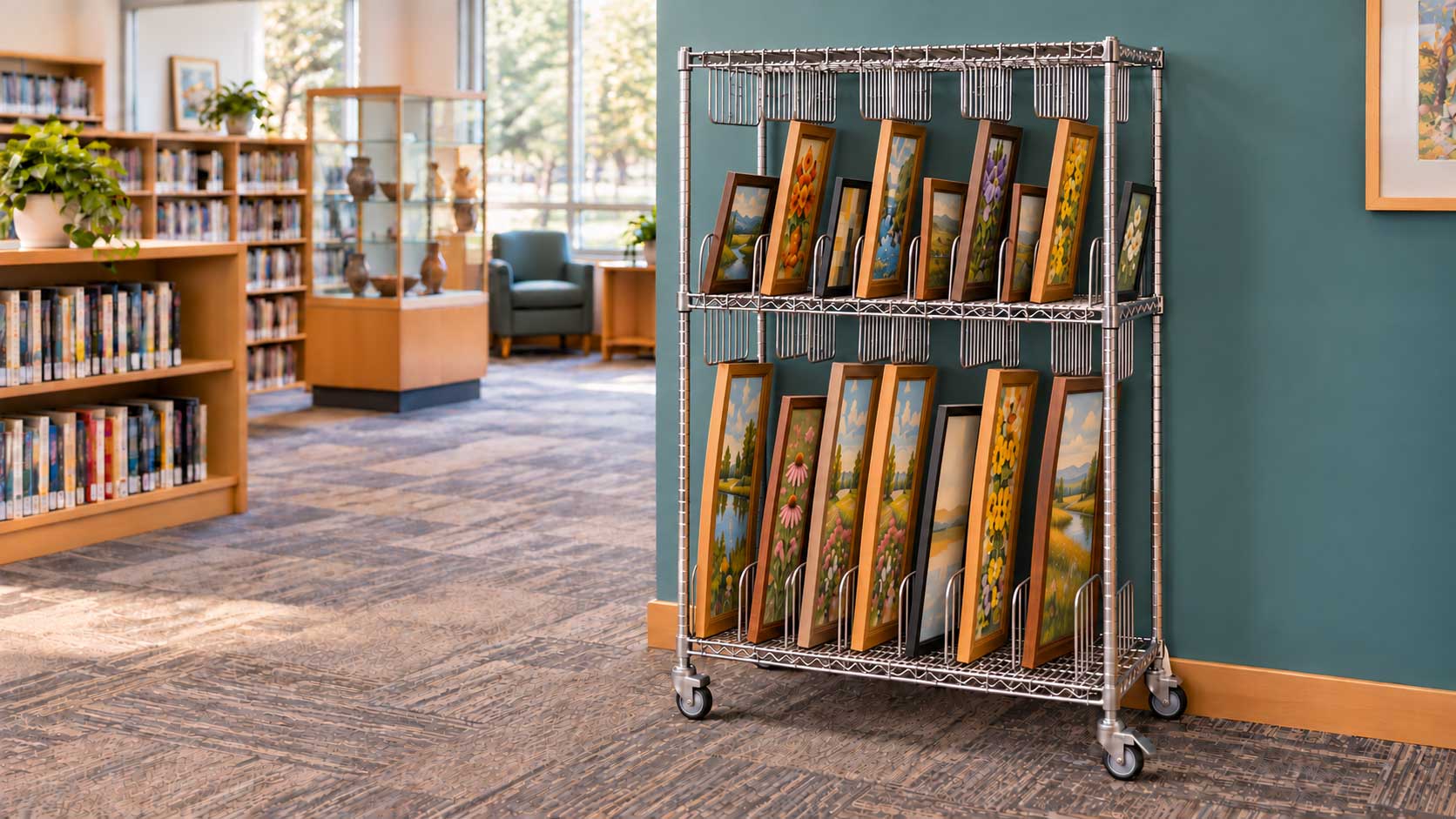
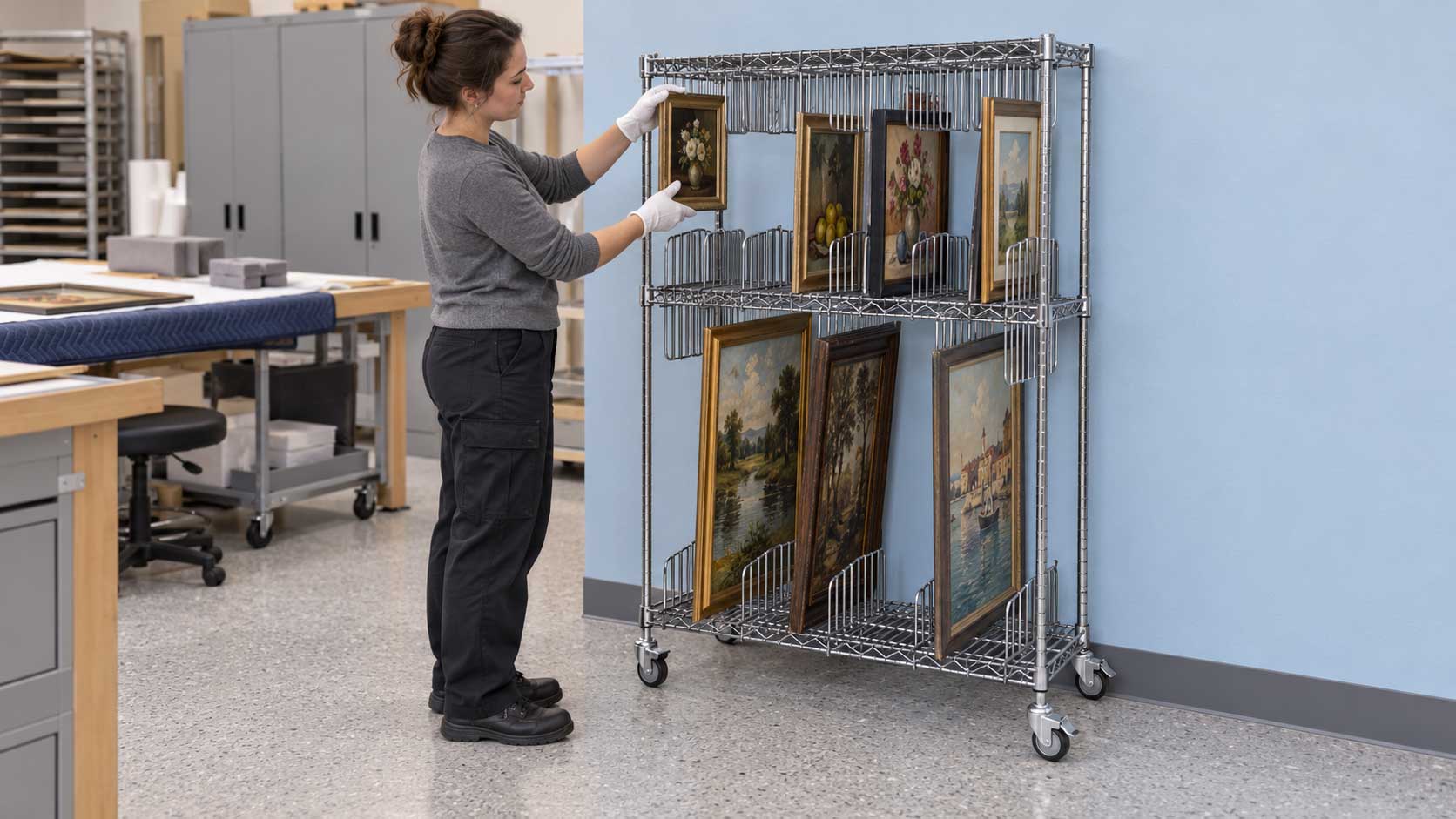
Museum artwork carts are specialized wheeled carts used to store, stage, and transport framed paintings and artwork within museums, galleries, libraries, and collection spaces. Adjustable dividers organize individual pieces in upright slots so staff can move selected works between storage, prep, and display areas with less direct handling.
For broader artwork storage planning context, see how one museum centralized collection access in this case study: Red Skelton Museum Centralizes Artwork Storage for Faster Access and review how organization affected access to stored artwork.
- Keeping framed works off the floor during staging and internal movement.
- Creating a temporary holding point when artwork is being prepared for display, review, or return to storage.
Plan Artwork Sizes, Divider Spacing, and Cart Capacity
Choosing the right painting storage cart starts with the range of framed artwork sizes in your collection and the number of pieces staff need to move or stage at one time. Because exact cart dimensions depend on the selected configuration, confirm the cart footprint against your storage rooms, hallways, elevators, and gallery routes before purchase.
- Largest and smallest framed artwork dimensions, including frame depth.
- Divider spacing needed to keep individual pieces separated.
- Number of slots required for typical exhibit rotations or collection pulls.
- Loading access from one side, both sides, or a designated staging area.
Artwork Cart Features and Configuration Options
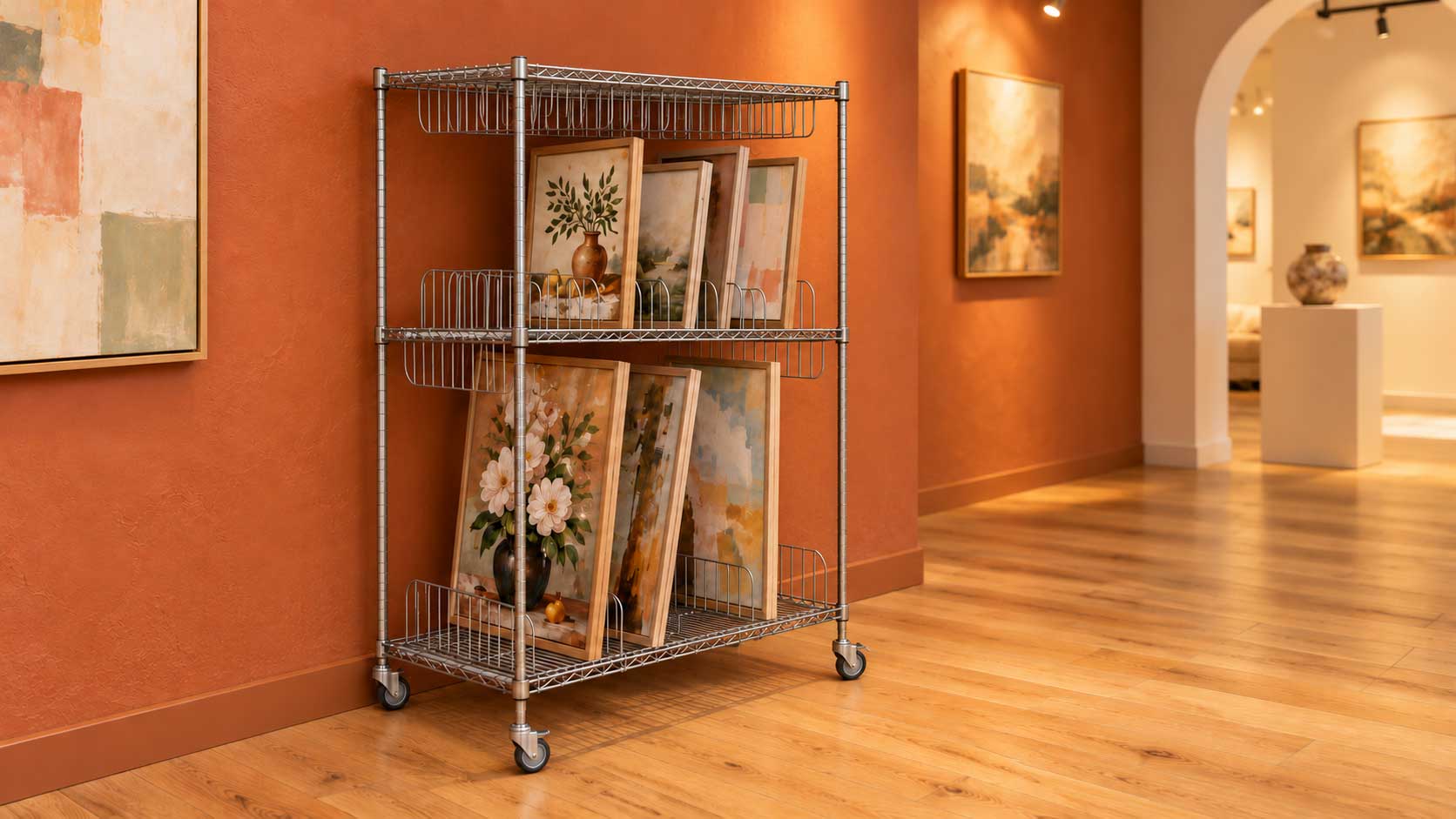
Artwork cart options typically center on divider layout, wheeled mobility, support components, materials, and handling compatibility with the facility. For a museum trolley or art handling trolley, the main selection decision is how the cart will hold framed works upright while allowing staff to load, move, brake, and unload the cart in controlled collection areas.
- Adjustable dividers for organizing framed works into separated slots.
- Caster and brake compatibility with floors, ramps, thresholds, and loading areas.
- Material and finish choices appropriate for collection spaces and regular handling.
- Support components that match the size, weight distribution, and frame style of the artwork being moved.
Where Museum Artwork Carts Fit in Collection Workflows
Museum artwork carts are used where framed works need to move between storage, preparation, gallery, review, and temporary staging areas. They help collections staff keep selected pieces upright, grouped, and accessible during internal movement instead of relying on repeated hand-carrying between rooms.
If your cart planning is part of a larger storage-room project, this museum collections case study may help: FiberMax Center for Discovery Centralizes Museum Collections with High-Density Mobile Shelving with examples of organizing collections by type and size.
- Moving framed artwork between storage, prep, and gallery spaces.
- Staging works in installation order during exhibit changes.
- Holding selected pieces for conservation review, photography, or curatorial inspection.
- Providing mobile art storage during short-term collection handling tasks.
How to Choose the Right Museum Artwork Cart
Before requesting a quote or purchasing an art storage cart on wheels, document your artwork sizes, divider needs, route constraints, and loading process. Free consultations are available to help confirm project requirements, and standard museum storage products can also be reviewed online when your requirements are already clear.
- List artwork dimensions, quantities, frame depths, and typical move sizes.
- Confirm divider spacing and loading order with the staff who handle the pieces.
- Walk the planned route to check turns, doorways, elevators, thresholds, and staging areas.
- Decide whether you need consultation support or an online purchasing path for standard options.
Exhibit Rotation in Museums
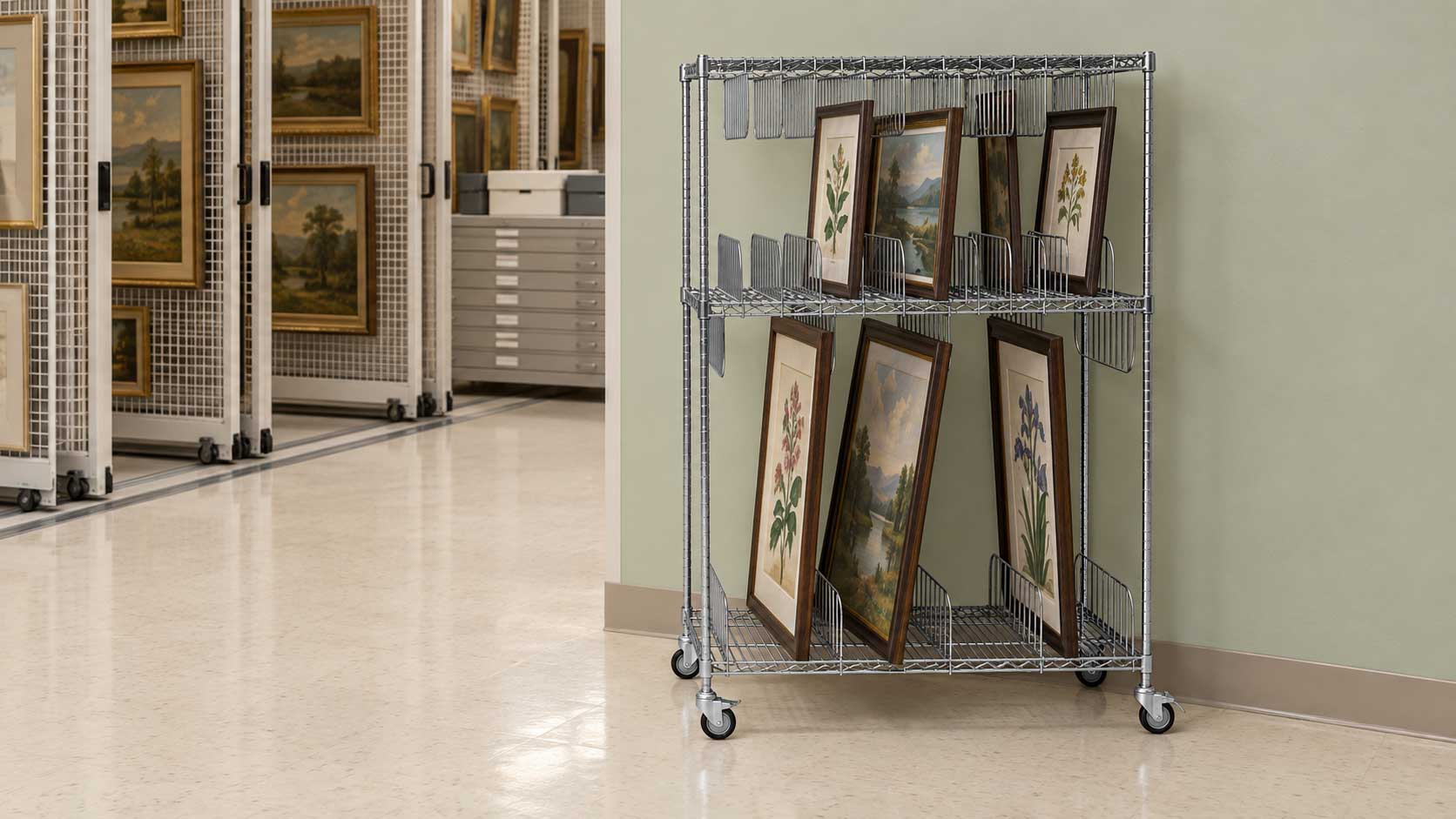
During exhibit rotation, museum staff can load selected framed works onto an art transport cart, move the cart along approved internal routes, and unload pieces in installation order. This gives the team one organized staging point while displays are changed and works are returned to storage.
- Group multiple framed works for a single planned move.
- Keep installation sequencing visible during loading and unloading.
Planning Your Museum Artwork Cart
Use these planning decisions to match the cart configuration to your framed artwork, facility route, and handling process.
| Planning Decision | Why It Matters | What to Confirm |
|---|---|---|
| Artwork size range | Collections with framed works that vary in height, width, or frame depth. | Confirm the largest and smallest pieces the cart must support before choosing the cart footprint and divider layout. |
| Divider spacing | Paintings and framed works that need separated upright slots during movement or staging. | Determine how many slots are needed and how much spacing each piece requires for loading and unloading. |
| Route and caster fit | Facilities with tight corridors, elevators, thresholds, ramps, or gallery turns. | Walk the route and confirm that the selected cart can move, turn, stop, and stage where staff need it. |
| Buying path | Teams deciding between consultation support and reviewing standard museum storage products online. | Use a consultation when divider layout or route compatibility is uncertain, or review online options when requirements are already defined. |
Southwest Solutions Near You
With 7 offices in Texas, Oklahoma, Kansas and Colorado, plus teams covering every major metro area nationwide, Southwest Solutions Group provides expert sales, design, installation, and maintenance support for museum artwork carts wherever you need it.
Museum Artwork Carts Service Areas
Texas
- Dallas
- Austin
- Houston
- San Antonio
- Waco
- Tyler
- Amarillo
- Lubbock
- El Paso
- Ft Worth
- Corpus Christi
- Midland
Oklahoma
- Oklahoma City
- Tulsa
- Norman
- Lawton
- Enid
- Stillwater
- McAlester
- Muskogee
- Guymon
Kansas
- Wichita
- Overland Park
- Topeka
- Kansas City
- Lawrence
- Manhattan
- Salina
- Hays
- Dodge City
- Garden City
Colorado
- Denver
- Colorado Springs
- Fort Collins
- Grand Junction
- Pueblo
- Durango
- Alamosa
- Steamboat Springs
- Greeley
Alabama
- Huntsville
- Birmingham
- Montgomery
- Mobile
- Tuscaloosa
- Hoover
- Dothan
- Decatur
Alaska
- Anchorage
- Fairbanks
- Juneau
- Sitka
- Ketchikan
- Kodiak
- Bethel
- Nome
Arizona
- Phoenix
- Tucson
- Flagstaff
- Yuma
- Prescott
- Lake Havasu City
- Sierra Vista
- Kingman
Arkansas
- Little Rock
- Fayetteville
- Fort Smith
- Jonesboro
- Hot Springs
- Pine Bluff
- Texarkana
- Bentonville
- Arkadelphia
California
- Los Angeles
- San Diego
- San Francisco
- Sacramento
- Fresno
- Redding
- Bakersfield
- San Bernardino
- San Jose
Connecticut
- Hartford
- New Haven
- Stamford
- Bridgeport
Delaware
- Wilmington
- Dover
- Newark
- Rehoboth Beach
Florida
- Jacksonville
- Tallahassee
- Orlando
- Tampa
- Miami
- West Palm Beach
- Fort Myers
- Pensacola
Georgia
- Atlanta
- Savannah
- Augusta
- Columbus
- Macon
- Athens
- Valdosta
- Gainesville
- Albany
Hawaii
- Honolulu
- Hilo
- Kahului
- Kailua-Kona
- Lihue
Idaho
- Boise
- Coeur d'Alene
- Twin Falls
- Idaho Falls
- Pocatello
- Lewiston
- McCall
- Sandpoint
- Moscow
Illinois
- Chicago
- Springfield
- Rockford
- Peoria
- Champaign
- Bloomington
- Carbondale
- Moline
- Quincy
Indiana
- Indianapolis
- Fort Wayne
- South Bend
- Evansville
- Lafayette
- Bloomington
- Terre Haute
- Gary
- Muncie
Iowa
- Des Moines
- Cedar Rapids
- Davenport
- Sioux City
- Iowa City
- Waterloo
- Council Bluffs
- Ames
- Mason City
Kentucky
- Louisville
- Lexington
- Bowling Green
- Owensboro
- Covington
- Paducah
- Ashland
- Richmond
- Frankfort
- Pikeville
- Florence
Louisiana
- New Orleans
- Baton Rouge
- Shreveport
- Lafayette
- Lake Charles
- Monroe
- Alexandria
- Houma
Maine
- Portland
- Bangor
- Augusta
- Lewiston
- Waterville
- Presque Isle
- Bar Harbor
- Biddeford
- Rockland
Maryland
- Baltimore
- Annapolis
- Frederick
- Hagerstown
- Salisbury
Massachusetts
- Boston
- Worcester
- Springfield
- Pittsfield
Michigan
- Detroit
- Grand Rapids
- Lansing
- Ann Arbor
- Flint
- Traverse City
- Marquette
- Kalamazoo
- Saginaw
Minnesota
- Minneapolis
- St. Paul
- Duluth
- Rochester
- Mankato
- St. Cloud
- Bemidji
- Moorhead
Mississippi
- Jackson
- Gulfport
- Hattiesburg
- Biloxi
- Southaven
- Meridian
- Tupelo
- Natchez
- Greenville
- Oxford
Missouri
- Jefferson City
- St. Louis
- Kansas City
- Springfield
- Columbia
- Joplin
- Cape Girardeau
- St. Joseph
- Rolla
Montana
- Helena
- Billings
- Missoula
- Great Falls
- Bozeman
- Kalispell
- Havre
- Miles City
Nebraska
- Lincoln
- Omaha
- Grand Island
- Kearney
- Scottsbluff
- Norfolk
- North Platte
- Fremont
- South Sioux City
Nevada
- Las Vegas
- Reno
- Carson City
- Elko
- Pahrump
- Henderson
- Winnemucca
- Mesquite
- Fallon
New Hampshire
- Concord
- Manchester
- Portsmouth
- Keene
- Nashua
New Jersey
- Newark
- Jersey City
- Trenton
- Atlantic City
New Mexico
- Santa Fe
- Albuquerque
- Las Cruces
- Roswell
- Farmington
- Gallup
- Carlsbad
- Clovis
New York
- Albany
- New York City
- Buffalo
- Rochester
- Syracuse
- Binghamton
- Ithaca
- Plattsburgh
North Carolina
- Raleigh
- Charlotte
- Greensboro
- Asheville
- Wilmington
- Fayetteville
- Boone
- Greenville
North Dakota
- Bismarck
- Fargo
- Grand Forks
- Minot
- Dickinson
- Williston
- Jamestown
- Devils Lake
Ohio
- Columbus
- Cleveland
- Cincinnati
- Toledo
- Dayton
- Akron
- Youngstown
- Athens
Oregon
- Portland
- Salem
- Eugene
- Hermiston
- Baker City
- Medford
- Bend
- Klamath Falls
Pennsylvania
- Harrisburg
- Philadelphia
- Pittsburgh
- Erie
- Scranton
- State College
- Allentown
- Williamsport
Rhode Island
- Providence
- Warwick
- Newport
- Woonsocket
South Carolina
- Columbia
- Charleston
- Greenville
- Myrtle Beach
- Hilton Head Island
- Spartanburg
- Florence
- Rock Hill
South Dakota
- Pierre
- Sioux Falls
- Rapid City
- Aberdeen
- Watertown
- Brookings
- Mitchell
- Yankton
Tennessee
- Memphis
- Jackson
- Nashville
- Clarksville
- Cookeville
- Chattanooga
- Knoxville
- Johnson City
Utah
- Salt Lake City
- Ogden
- Logan
- Provo
- St. George
- Cedar City
- Moab
- Vernal
Vermont
- Montpelier
- Burlington
- Rutland
- Brattleboro
Virginia
- Richmond
- Norfolk
- Virginia Beach
- Roanoke
- Lynchburg
- Harrisonburg
- Fredericksburg
- Bristol
Washington
- Olympia
- Seattle
- Spokane
- Yakima
- Bellingham
- Wenatchee
- Kennewick
- Vancouver
West Virginia
- Charleston
- Huntington
- Morgantown
- Wheeling
- Parkersburg
- Beckley
- Martinsburg
- Bluefield
Wisconsin
- Madison
- Milwaukee
- Green Bay
- Eau Claire
- La Crosse
- Wausau
- Appleton
- Superior
Wyoming
- Cheyenne
- Casper
- Laramie
- Gillette
- Sheridan
- Rock Springs
- Jackson
- Cody
District of Columbia
- Washington D.C.
Frequently Asked Questions
Museum artwork carts are used to move, stage, and temporarily store framed paintings or artwork between storage, galleries, prep areas, and other collection spaces. They help staff transport selected pieces without hand-carrying each item for the full route.
Adjustable dividers create individual slots for framed works, keeping pieces upright and separated during movement. This organization supports careful loading, staging, and unloading for different artwork sizes.
Gather the largest and smallest artwork dimensions, frame depths, the number of pieces to move at once, divider spacing needs, and route details such as doorways, elevators, turns, and staging areas.
Yes. Artwork trolleys and art carts are used during exhibit rotation to move framed works from storage to galleries and back while keeping selected pieces organized for installation or return.
Museums should coordinate divider spacing, slot assignment, loading order, and route planning with collections staff. This helps staff place, move, and unload artwork with fewer unnecessary handling steps.
Request a consultation if you need help with artwork sizes, divider spacing, route compatibility, or handling procedures. If your requirements are already defined, you can review standard museum storage products online.
Explore Modular Walls, Buildings & Carts

Frameless Glass Walls
Frameless glass walls create bright interior divisions while preserving visibility and an open feel in offices, meeting areas, and commercial spaces.
Explore Frameless Glass Walls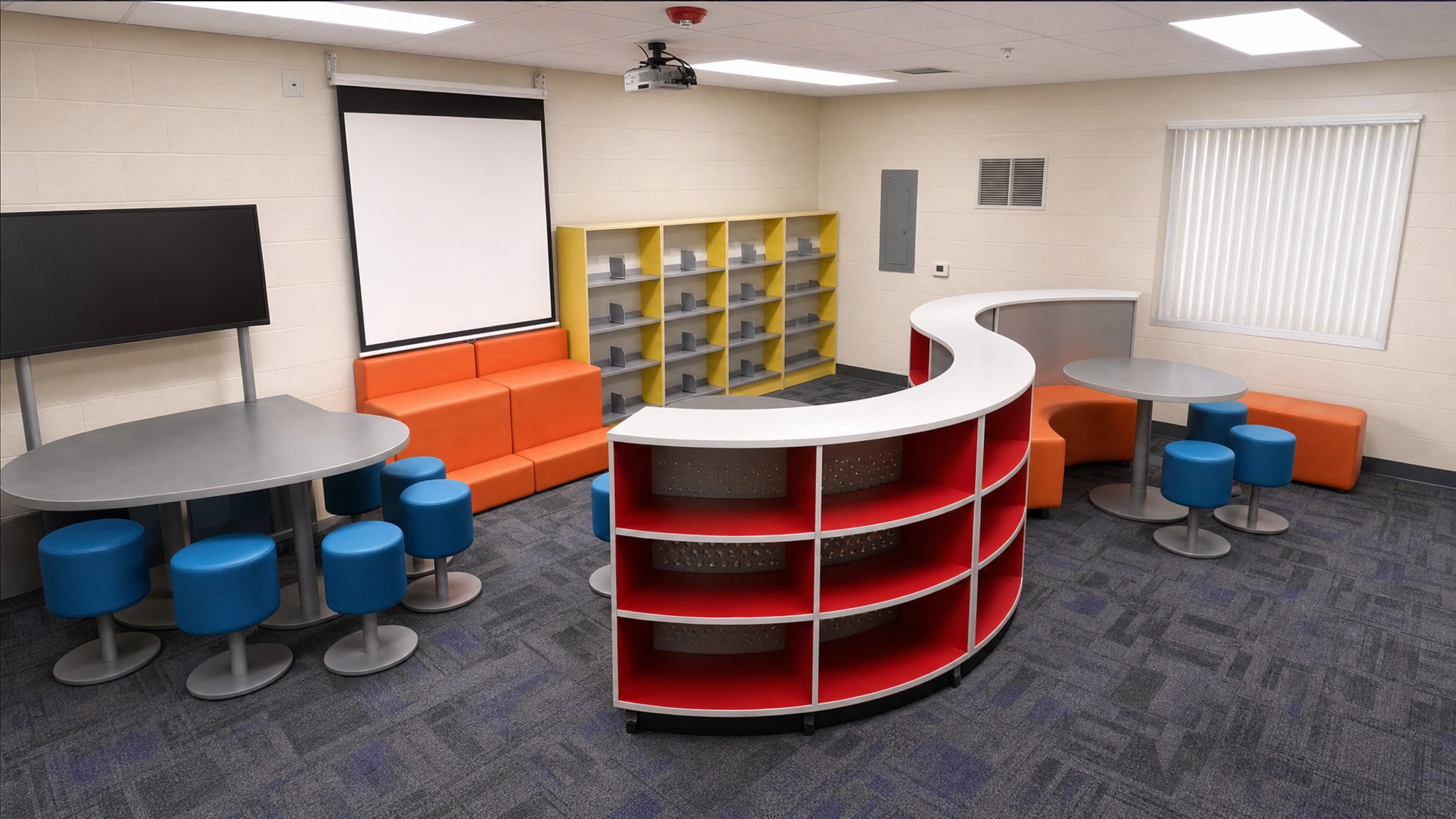
Library Shelving On Wheels
Library shelving on wheels makes books and media easy to reposition for changing collections, events, classrooms, and flexible library layouts.
Explore library shelving on wheels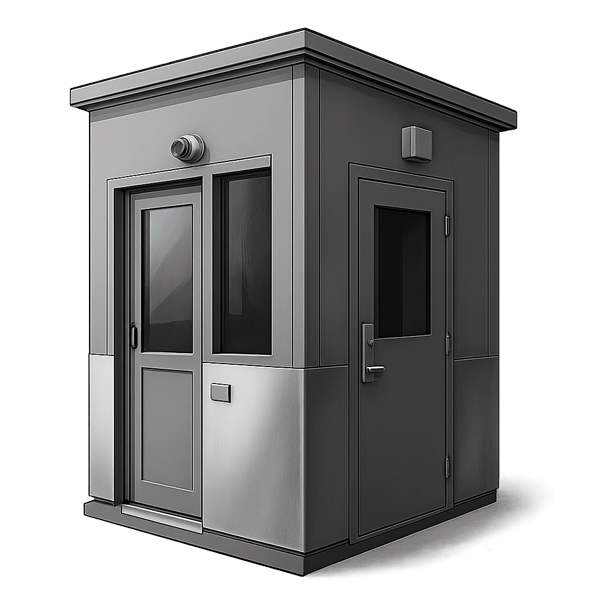
Blast Resistant Modular Buildings
Blast-resistant modular buildings create reinforced workspaces for industrial, military, and other sites with designated hazard zones.
Explore Blast Resistant Modular Buildings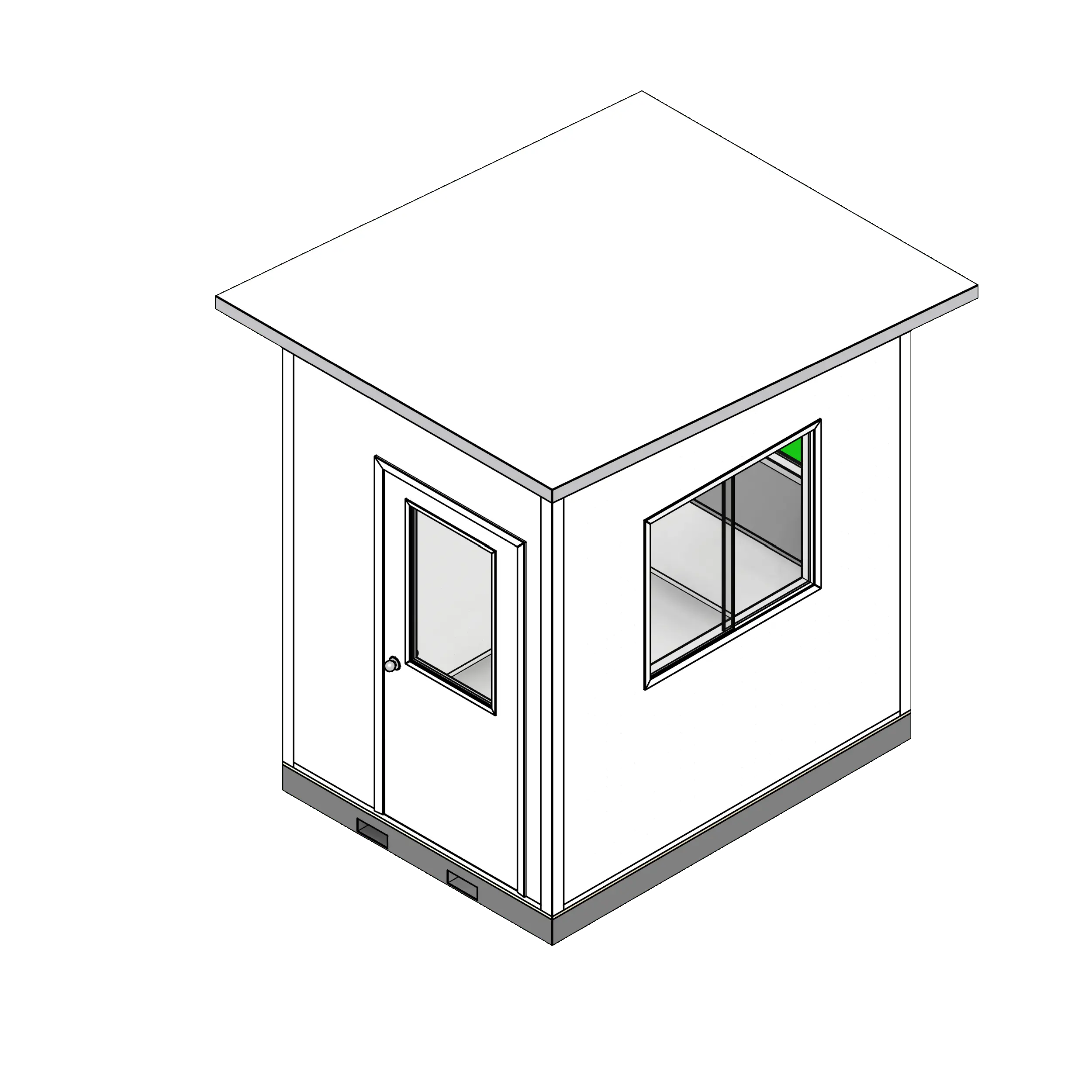
Guard Shacks
Guard shacks provide enclosed workstations for entrances, checkpoints, parking areas, and secure sites, with space for lighting, HVAC, and communication equipment.
Explore Guard Shacks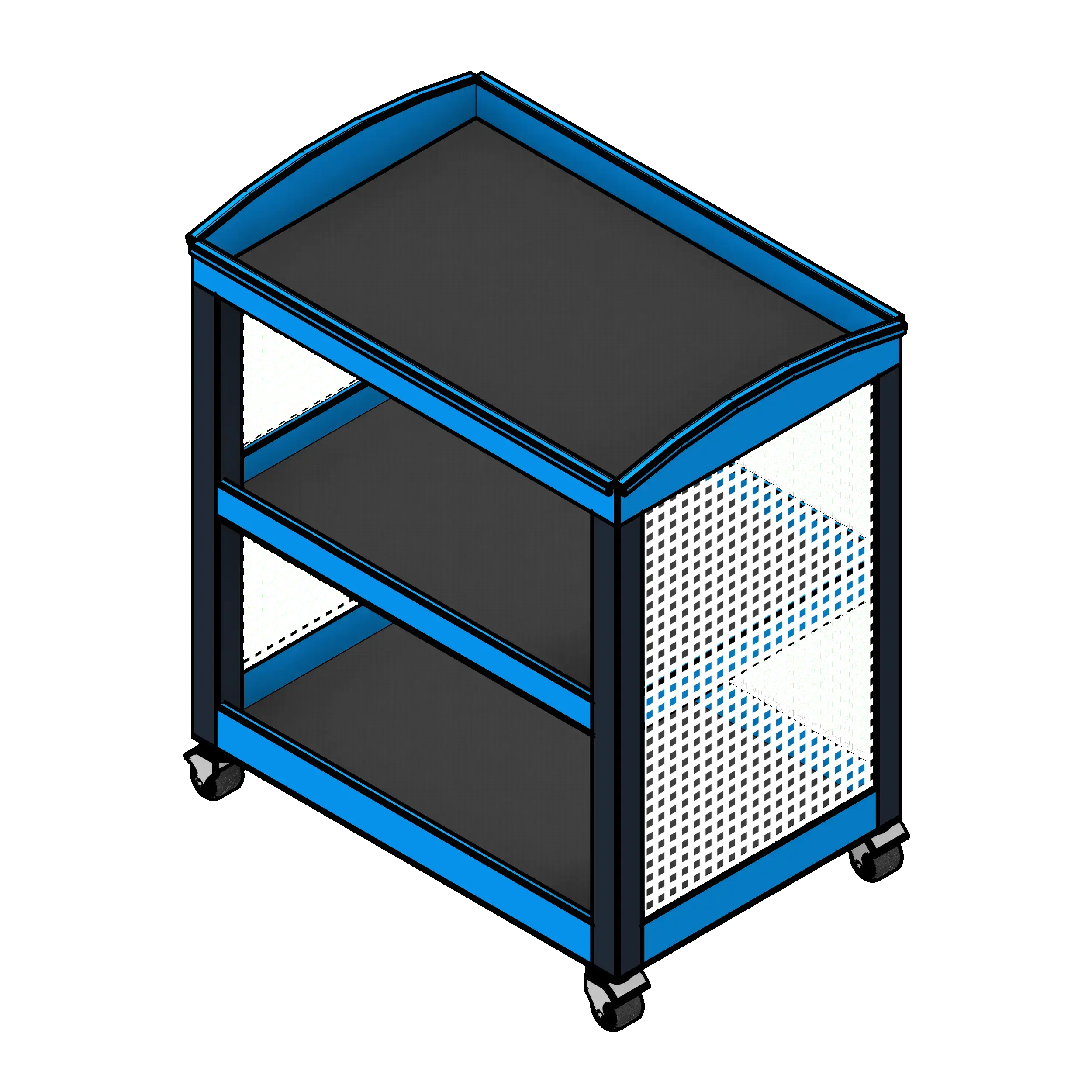
Industrial Carts
Industrial carts move tools, parts, materials, and bulk items through manufacturing plants, warehouses, maintenance areas, and utility facilities.
Explore Industrial Carts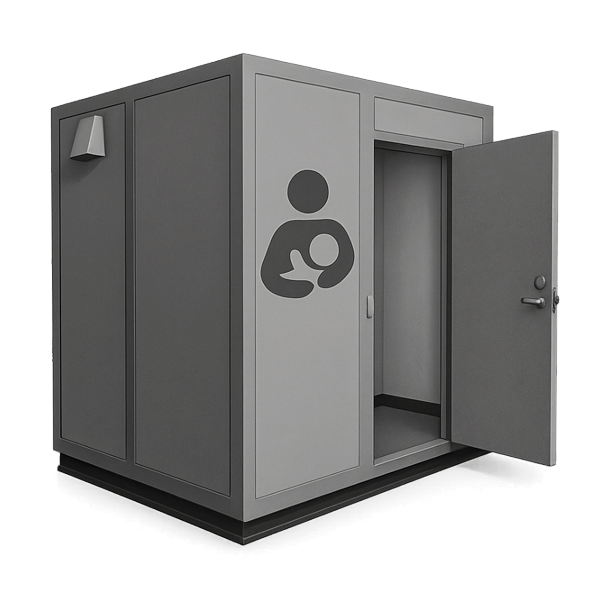
Lactation Pods
Lactation pods create private, comfortable spaces for nursing parents in workplaces, airports, schools, healthcare facilities, and public buildings.
Explore Lactation Pods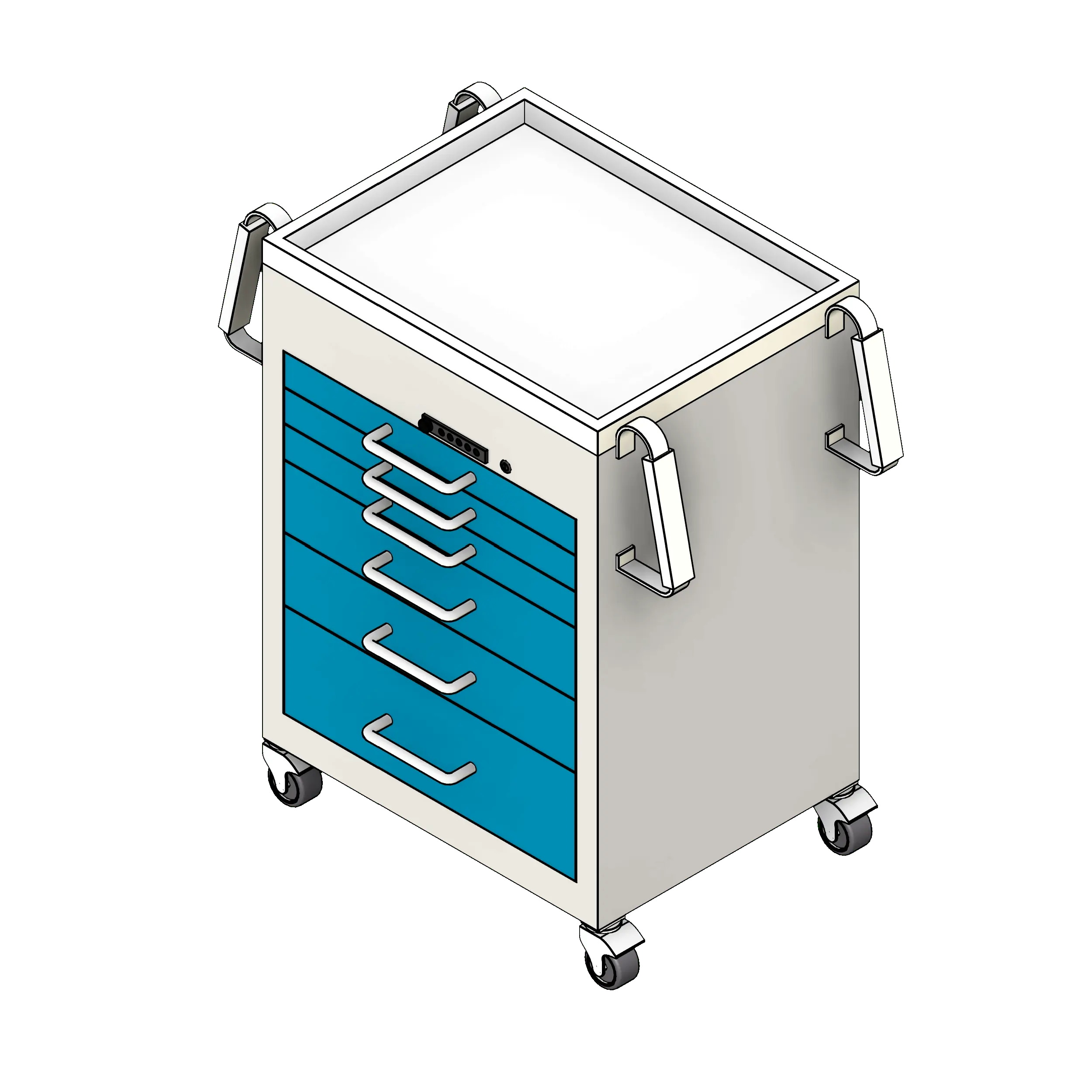
Medical Carts
Medical carts keep supplies, medications, and equipment organized and mobile for nursing, anesthesia, procedure, and patient-care workflows.
Explore Medical Carts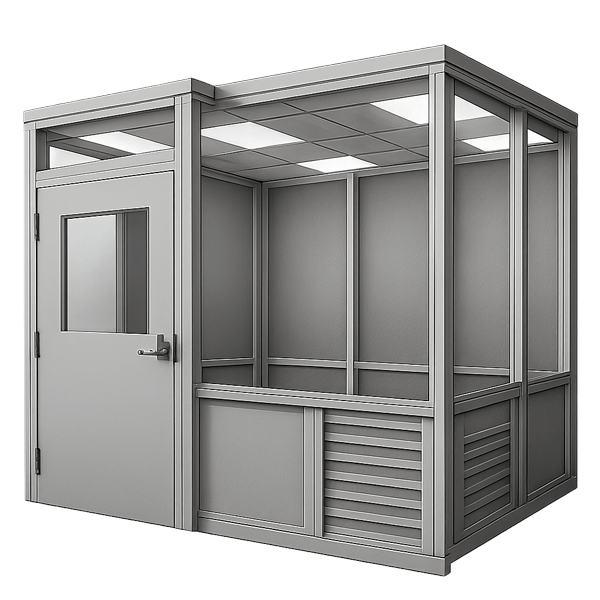
Modular Cleanrooms
Modular cleanrooms create controlled environments with configurable wall panels, ceilings, utilities, and air-management systems for production, research, and healthcare.
Explore Modular Cleanrooms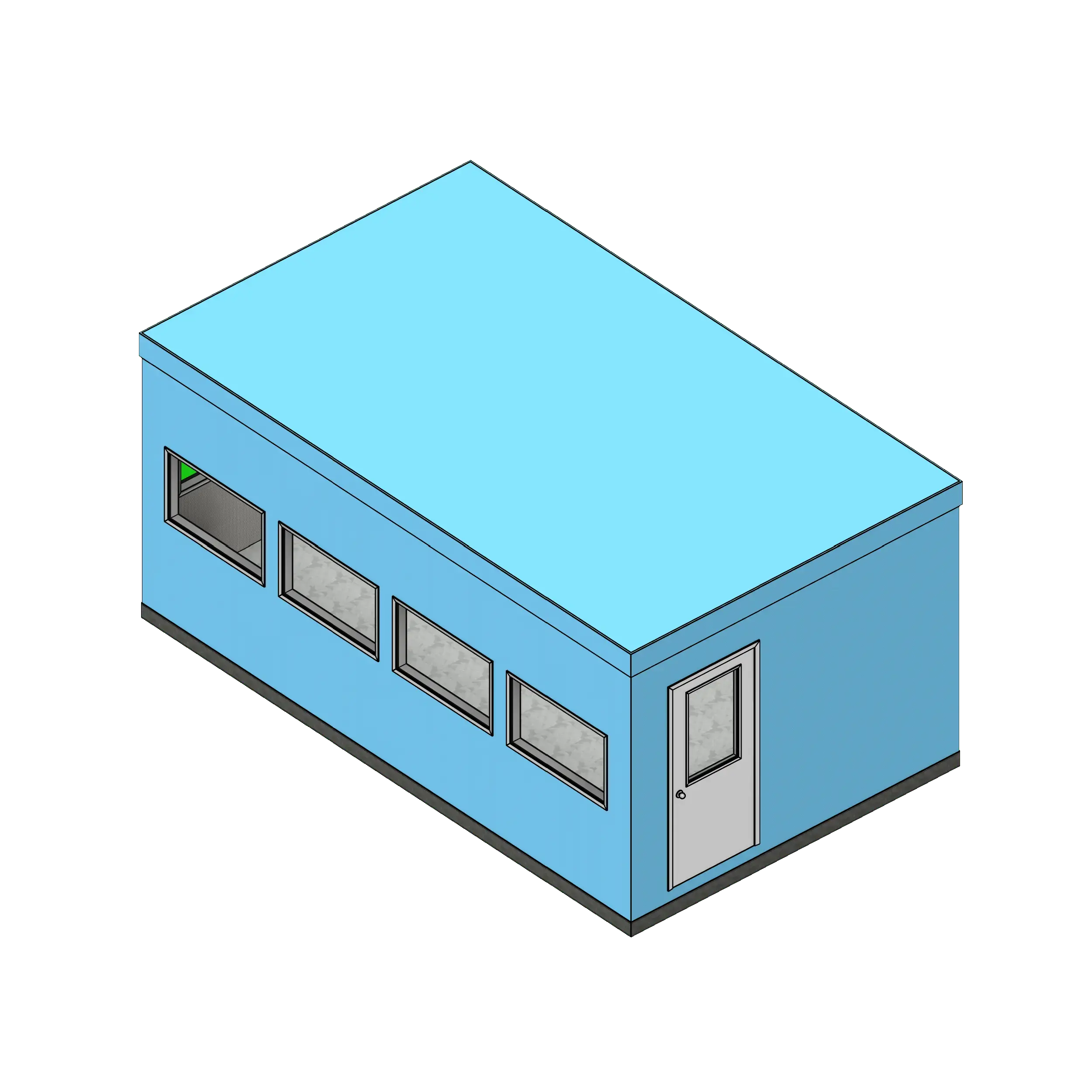
Modular Office Buildings
Modular office buildings create enclosed workspaces inside warehouses, plants, and other facilities without traditional permanent construction.
Explore Modular Office Buildings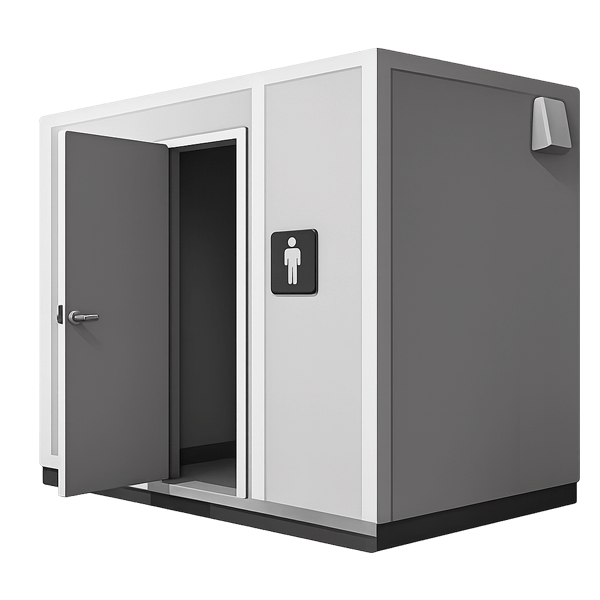
Modular Restrooms
Modular restrooms provide prefabricated bathroom facilities for schools, parks, jobsites, commercial properties, and other sites needing standalone or integrated facilities.
Explore Modular Restrooms
Modular Vaults
Modular vaults create secure, reinforced enclosures for records, valuables, weapons, and other sensitive assets in commercial and institutional facilities.
Explore Modular Vaults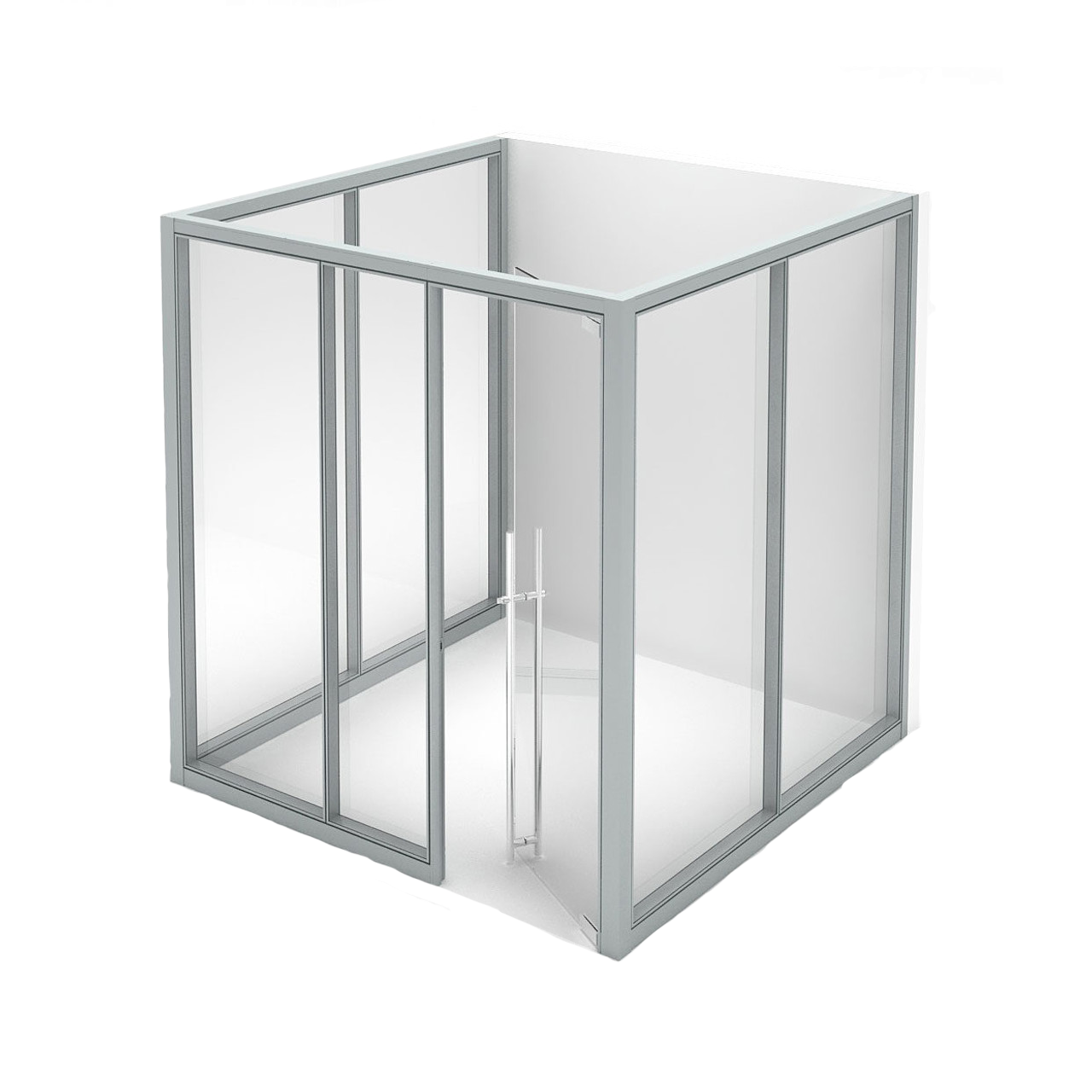
Moveable Walls
Moveable walls divide open floor plans with relocatable partitions that can be rearranged as workplace, classroom, or facility needs change.
Explore Moveable Walls
Range Towers
Range towers provide elevated observation and control spaces for training ranges, security operations, fire watch, and airfield activities.
Explore Range Towers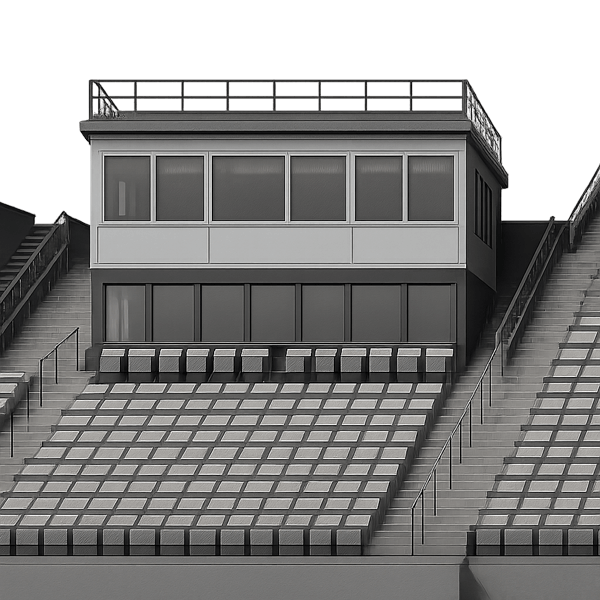
Stadium Press Boxes
Stadium press boxes provide enclosed observation, media, and operations space for schools, stadiums, athletic fields, and sports complexes.
Explore Stadium Press Boxes
Technology Storage Carts
Technology storage carts organize, charge, and transport laptops, tablets, and AV equipment in classrooms, labs, libraries, and IT departments.
Explore Technology Storage CartsPlan a Museum Artwork Cart That Fits Your Collection Workflow
Share your artwork sizes, divider needs, and route constraints with our specialists for practical guidance. We help you evaluate an appropriate cart configuration for your museum, gallery, or collection space.
Request a consultation to confirm that your artwork cart matches your facility layout and handling procedures.
Call us at (800) 803-1083 or Contact Us to schedule your free consultation today.
Request a Museum Artwork Cart Consultation