AI Weapon Detection for Existing Security Cameras
Add a proactive layer of visual threat detection to the cameras your facility already uses. Southwest Solutions Group helps schools, campuses, public facilities, and commercial organizations evaluate AI-powered weapon detection with U.S.-based human verification, live camera-location tracking, and coordinated law enforcement response planning.

What Is AI Weapon Detection?
AI weapon detection software connects to compatible digital IP security cameras and analyzes video for visible threats such as brandished firearms, knives, and other supported weapons. The goal is to identify a weapon before a situation escalates, then move verified information to the people who need it quickly.
This is not a replacement for access control, visitor management, emergency planning, or concealed weapons screening. It is an added layer that extends the value of cameras already installed in entrances, corridors, parking lots, athletic areas, transit spaces, and other monitored locations.
- Visual detection for visible or brandished weapons through existing camera infrastructure
- Human verification before true alerts are sent to reduce false positives and alarm fatigue
- False-positive findings can be emailed to the end user so the site owner can determine any next steps
- Actionable context that can include the camera location, image, and threat movement history across camera pings
How Detection, Verification, and Response Work
When the AI detects a potential weapon, the event is reviewed by trained analysts in one of two U.S.-based command centers. Alerts are not routed overseas, and command center team members bring military, law enforcement, or dispatch center experience to the verification and communication process.
If the threat is confirmed, the command center can notify approved contacts, security teams, dispatch, and law enforcement. As additional cameras identify the armed individual, the system can show a movement trail so responders understand where the threat was seen and where they may be headed.
- AI reviews camera frames in real time for visible weapon signatures
- U.S.-based analysts review detections before dispatching an alert
- Mobile and desktop apps give authorized site leaders visibility into camera-based threat location updates
- Camera geolocation and mapping can help responders understand where the threat was last seen
- Command center communication can help guide law enforcement dispatch toward the correct area of the site


Privacy-Conscious Security Analytics
Visual weapon detection is focused on objects, not identity. The system is designed to detect visible weapons and does not rely on facial recognition, biometric identifiers, behavioral profiling, or demographic characteristics to create an alert.
Analysts do not sit and watch live camera feeds as a surveillance service. Human review is triggered when the AI identifies a potential threat image, and the verification workflow remains U.S.-based instead of being routed to an overseas monitoring center.
- No facial recognition or biometric matching for routine detection
- Object-focused analytics for visible firearms and other supported weapon types
- Human review only when a potential threat is identified by the AI
- Helpful for organizations with privacy, FERPA, public-sector, or workplace policy concerns
Facilities That Benefit from Verified Threat Alerts
Any organization with compatible security cameras can evaluate visual weapon detection as part of a layered safety plan. The service can support public entrances, parking lots, hallways, athletic venues, transit stops, outdoor gathering spaces, and other areas where early awareness changes the response timeline.
Southwest Solutions Group can help teams discuss use cases, camera coverage, stakeholder approvals, response contacts, and how this layer fits with existing emergency procedures.
- K-12 schools, school districts, colleges, universities, and campus police departments
- Hospitals, clinics, public buildings, houses of worship, and community facilities
- Commercial offices, logistics sites, manufacturing plants, casinos, and entertainment venues
- Government facilities, transit systems, parking areas, and remote or mobile camera deployments


Planning a Weapon Detection Deployment
A successful deployment starts with the cameras, network, and response plan. Teams should review which cameras are digital IP cameras, where they are aimed, whether lighting and field of view are adequate, and which locations need priority coverage.
Implementation also includes contact trees, notification rules, camera naming, site mapping, mobile and desktop app access, and coordination with the facility security team or local law enforcement. Some environments may also need remote connectivity, mobile units, 3D mapping, or camera health monitoring as part of the broader solution.
- Review camera compatibility, fields of view, lighting, and interior or exterior coverage zones
- Define authorized contacts, escalation paths, and how alerts should reach responders or law enforcement dispatch
- Plan mapping and camera geolocation so alerts show where a threat is seen and how the threat moves through camera pings
- Evaluate integrations with existing video management, mass notification, and dispatch tools
K-12 Weapon Detection for School Campuses
School districts can add visual weapon detection to cameras covering entrances, hallways, parking lots, athletic areas, bus loops, and other priority zones.
Human-verified alerts help school safety teams, administrators, resource officers, and local responders act from confirmed visual information instead of waiting for someone on site to see and report a threat. Authorized users can also use mobile and desktop app access to follow location updates as cameras continue to identify the armed individual.
- Coverage for interior and exterior camera locations
- Alerts routed to approved school contacts, dispatch, and responders
- Support for layered security plans and emergency procedures
- Privacy-conscious detection without facial recognition


AI Weapon Detection Planning Guide
Use this guide to compare key planning areas before requesting a quote or reviewing camera-based weapon detection options. Final selection should be based on camera compatibility, coverage goals, U.S.-based verification workflows, app access, privacy requirements, integrations, and layered security needs.
| Planning Area | What to Review | Why It Matters |
|---|---|---|
| Visual Weapon Detection | Visible firearm, knife, and supported weapon detection through compatible digital IP cameras. | Adds a proactive layer to existing camera systems without requiring staff to watch every feed. |
| Human Verification | U.S.-based command center analysts review detections before alerts are dispatched. | Helps reduce false positives and keeps verification with trained U.S. personnel instead of overseas monitoring. If a false positive is identified, ZeroEyes can email the end user so the site owner can decide how to move forward. |
| Alert Routing | Mobile alerts, desktop alerts, phone calls, 911 coordination, dispatch communication, and integration options. | Moves confirmed information to the right people quickly based on the facility response plan. |
| Camera Coverage | Camera type, angle, lighting, distance, exterior views, entrances, and priority areas. | Determines where detection is practical and how camera pings can show a movement trail through the site. |
| Mapping and Location Context | Camera names, floor plans, site maps, geolocation, and optional 3D mapping. | Helps responders understand where a threat is seen and how it may be moving through the site. |
| Validated Security Requirements | Review compliance needs such as FedRAMP environments, SOC 2, ISO 27001, DHS SAFETY Act designation, data handling, and IT approvals. | Helps security, legal, IT, and leadership teams evaluate the service against procurement and risk requirements. |
| Layered Security Fit | Concealed weapon screening, access control, emergency procedures, and public safety alerts. | Clarifies what camera-based detection does well and where other security layers are still needed. |
Southwest Solutions Near You
With 7 offices in Texas, Oklahoma, Kansas and Colorado, plus teams covering every major metro area nationwide, Southwest Solutions Group delivers expert AI weapon detection consultation, implementation planning, and ongoing support wherever you need it.
AI Weapon Detection Service Areas
Texas
- Dallas
- Austin
- Houston
- San Antonio
- Waco
- Tyler
- Amarillo
- Lubbock
- El Paso
- Ft Worth
- Corpus Christi
- Midland
Oklahoma
- Oklahoma City
- Tulsa
- Norman
- Lawton
- Enid
- Stillwater
- McAlester
- Muskogee
Kansas
- Wichita
- Overland Park
- Topeka
- Kansas City
- Lawrence
- Manhattan
- Salina
- Hays
- Dodge City
- Garden City
Colorado
- Denver
- Colorado Springs
- Fort Collins
- Grand Junction
- Pueblo
- Durango
- Alamosa
- Steamboat Springs
Alabama
- Huntsville
- Birmingham
- Montgomery
- Mobile
- Tuscaloosa
- Hoover
- Dothan
- Decatur
Alaska
- Anchorage
- Fairbanks
- Juneau
- Sitka
- Ketchikan
- Kodiak
- Bethel
- Nome
Arizona
- Phoenix
- Tucson
- Flagstaff
- Yuma
- Prescott
- Lake Havasu City
- Sierra Vista
- Kingman
Arkansas
- Little Rock
- Fayetteville
- Fort Smith
- Jonesboro
- Hot Springs
- Pine Bluff
- Texarkana
- Bentonville
California
- Los Angeles
- San Diego
- San Francisco
- Sacramento
- Fresno
- Redding
- Bakersfield
- San Bernardino
Connecticut
- Hartford
- New Haven
- Stamford
- Bridgeport
Delaware
- Wilmington
- Dover
- Newark
- Rehoboth Beach
Florida
- Jacksonville
- Tallahassee
- Orlando
- Tampa
- Miami
- West Palm Beach
- Fort Myers
- Pensacola
Georgia
- Atlanta
- Savannah
- Augusta
- Columbus
- Macon
- Athens
- Valdosta
- Gainesville
Hawaii
- Honolulu
- Hilo
- Kahului
- Kailua-Kona
Idaho
- Boise
- Coeur d'Alene
- Twin Falls
- Idaho Falls
- Pocatello
- Lewiston
- McCall
- Sandpoint
Illinois
- Chicago
- Springfield
- Rockford
- Peoria
- Champaign
- Bloomington
- Carbondale
- Moline
Indiana
- Indianapolis
- Fort Wayne
- South Bend
- Evansville
- Lafayette
- Bloomington
- Terre Haute
- Gary
Iowa
- Des Moines
- Cedar Rapids
- Davenport
- Sioux City
- Iowa City
- Waterloo
- Council Bluffs
- Ames
Kentucky
- Louisville
- Lexington
- Bowling Green
- Owensboro
- Covington
- Paducah
- Ashland
- Richmond
Louisiana
- New Orleans
- Baton Rouge
- Shreveport
- Lafayette
- Lake Charles
- Monroe
- Alexandria
- Houma
Maine
- Portland
- Bangor
- Augusta
- Lewiston
- Waterville
- Presque Isle
- Bar Harbor
- Biddeford
Maryland
- Baltimore
- Annapolis
- Frederick
- Hagerstown
Massachusetts
- Boston
- Worcester
- Springfield
- Pittsfield
Michigan
- Detroit
- Grand Rapids
- Lansing
- Ann Arbor
- Flint
- Traverse City
- Marquette
- Kalamazoo
Minnesota
- Minneapolis
- St. Paul
- Duluth
- Rochester
- Mankato
- St. Cloud
- Bemidji
- Moorhead
Mississippi
- Jackson
- Gulfport
- Hattiesburg
- Biloxi
- Southaven
- Meridian
- Tupelo
- Natchez
Missouri
- Jefferson City
- St. Louis
- Kansas City
- Springfield
- Columbia
- Joplin
- Cape Girardeau
- St. Joseph
Montana
- Helena
- Billings
- Missoula
- Great Falls
- Bozeman
- Kalispell
- Havre
- Miles City
Nebraska
- Lincoln
- Omaha
- Grand Island
- Kearney
- Scottsbluff
- Norfolk
- North Platte
- Fremont
Nevada
- Las Vegas
- Reno
- Carson City
- Elko
- Pahrump
- Henderson
- Winnemucca
- Mesquite
New Hampshire
- Concord
- Manchester
- Portsmouth
- Keene
New Jersey
- Newark
- Jersey City
- Trenton
- Atlantic City
New Mexico
- Santa Fe
- Albuquerque
- Las Cruces
- Roswell
- Farmington
- Gallup
- Carlsbad
- Clovis
New York
- Albany
- New York City
- Buffalo
- Rochester
- Syracuse
- Binghamton
- Ithaca
- Plattsburgh
North Carolina
- Raleigh
- Charlotte
- Greensboro
- Asheville
- Wilmington
- Fayetteville
- Boone
- Greenville
North Dakota
- Bismarck
- Fargo
- Grand Forks
- Minot
- Dickinson
- Williston
- Jamestown
- Devils Lake
Ohio
- Columbus
- Cleveland
- Cincinnati
- Toledo
- Dayton
- Akron
- Youngstown
- Athens
Oregon
- Portland
- Salem
- Eugene
- Hermiston
- Baker City
- Medford
- Bend
- Klamath Falls
Pennsylvania
- Harrisburg
- Philadelphia
- Pittsburgh
- Erie
- Scranton
- State College
- Allentown
- Williamsport
Rhode Island
- Providence
- Warwick
- Newport
- Woonsocket
South Carolina
- Columbia
- Charleston
- Greenville
- Myrtle Beach
- Hilton Head Island
- Spartanburg
- Florence
- Rock Hill
South Dakota
- Pierre
- Sioux Falls
- Rapid City
- Aberdeen
- Watertown
- Brookings
- Mitchell
- Yankton
Tennessee
- Memphis
- Jackson
- Nashville
- Clarksville
- Cookeville
- Chattanooga
- Knoxville
- Johnson City
Utah
- Salt Lake City
- Ogden
- Logan
- Provo
- St. George
- Cedar City
- Moab
- Vernal
Vermont
- Montpelier
- Burlington
- Rutland
- Brattleboro
Virginia
- Richmond
- Norfolk
- Virginia Beach
- Roanoke
- Lynchburg
- Harrisonburg
- Fredericksburg
- Bristol
Washington
- Olympia
- Seattle
- Spokane
- Yakima
- Bellingham
- Wenatchee
- Kennewick
- Vancouver
West Virginia
- Charleston
- Huntington
- Morgantown
- Wheeling
- Parkersburg
- Beckley
- Martinsburg
- Bluefield
Wisconsin
- Madison
- Milwaukee
- Green Bay
- Eau Claire
- La Crosse
- Wausau
- Appleton
- Superior
Wyoming
- Cheyenne
- Casper
- Laramie
- Gillette
- Sheridan
- Rock Springs
- Jackson
- Cody
District of Columbia
- Washington D.C.
Frequently Asked Questions
In many cases, yes. The service is designed to connect with existing digital IP camera systems, but camera compatibility, field of view, lighting, network access, and coverage priorities should be reviewed before final design.
No. Camera-based visual weapon detection is intended for visible or brandished weapons. Concealed weapons require a different layer of security, such as screening technology, access control, or other checkpoint procedures.
Potential detections are reviewed by trained analysts in two U.S.-based command centers. Team members have military, law enforcement, or dispatch center backgrounds, and alerts are not routed to overseas monitoring centers. If a detection is determined to be a false positive, ZeroEyes can email the end user so the location owner can review it and determine any follow-up action.
Verified alerts are designed to be dispatched quickly, often in a matter of seconds after a threat is detected and confirmed. Exact workflows depend on the camera system, response plan, integrations, notification rules, and dispatch coordination.
No. The detection workflow is focused on visible objects such as firearms, knives, and supported weapon types. It is not built around facial recognition, biometric identification, or demographic profiling.
Alerts can include a threat image, camera location, mapping context, description details, and movement history as additional cameras identify the threat. Authorized users can view location updates in mobile and desktop apps while the command center communicates verified information to the appropriate contacts or law enforcement dispatch.
Helpful starting points include the number and type of cameras, video management system, priority buildings or exterior zones, existing emergency procedures, security contacts, app users, local law enforcement coordination, dispatch contacts, and any privacy or IT requirements.
Product image gallery
Explore Related Solutions
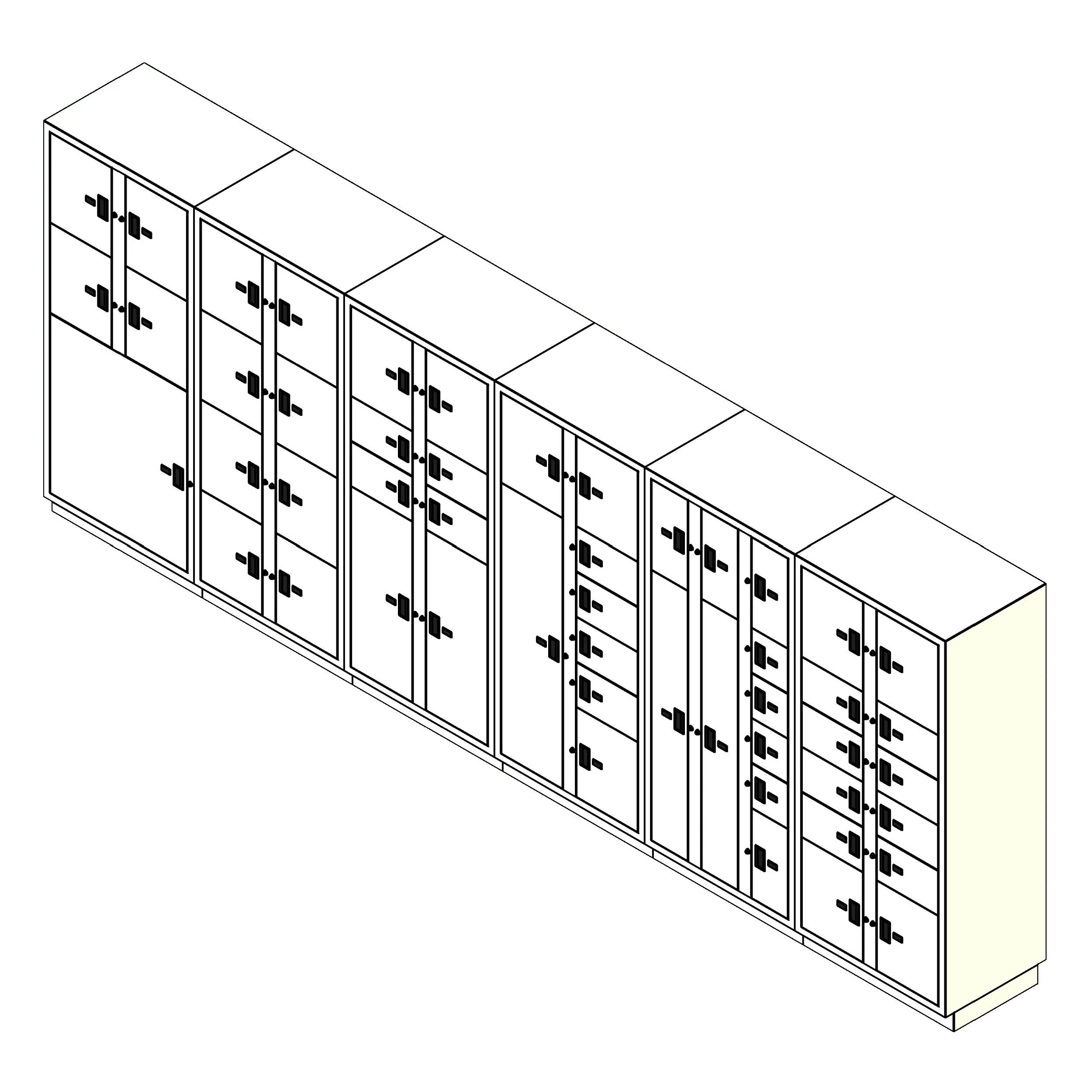
Evidence Lockers
Secure evidence lockers help public safety teams control chain of custody, after-hours deposits, and temporary storage for sensitive materials.
Explore Evidence Lockers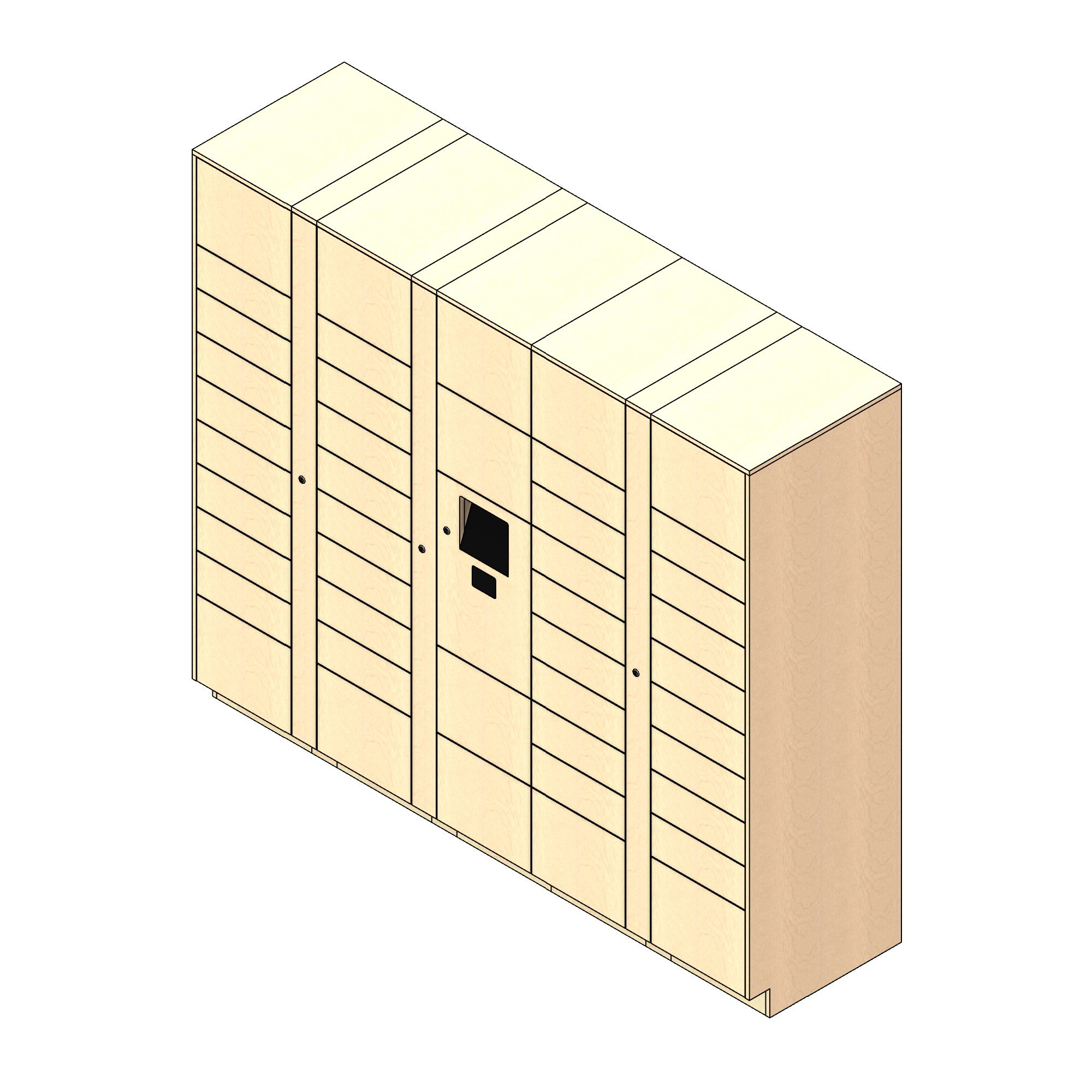
Smart Lockers
Smart lockers provide controlled access, notifications, audit trails, and secure exchange points for people, packages, equipment, and assets.
Explore Smart Lockers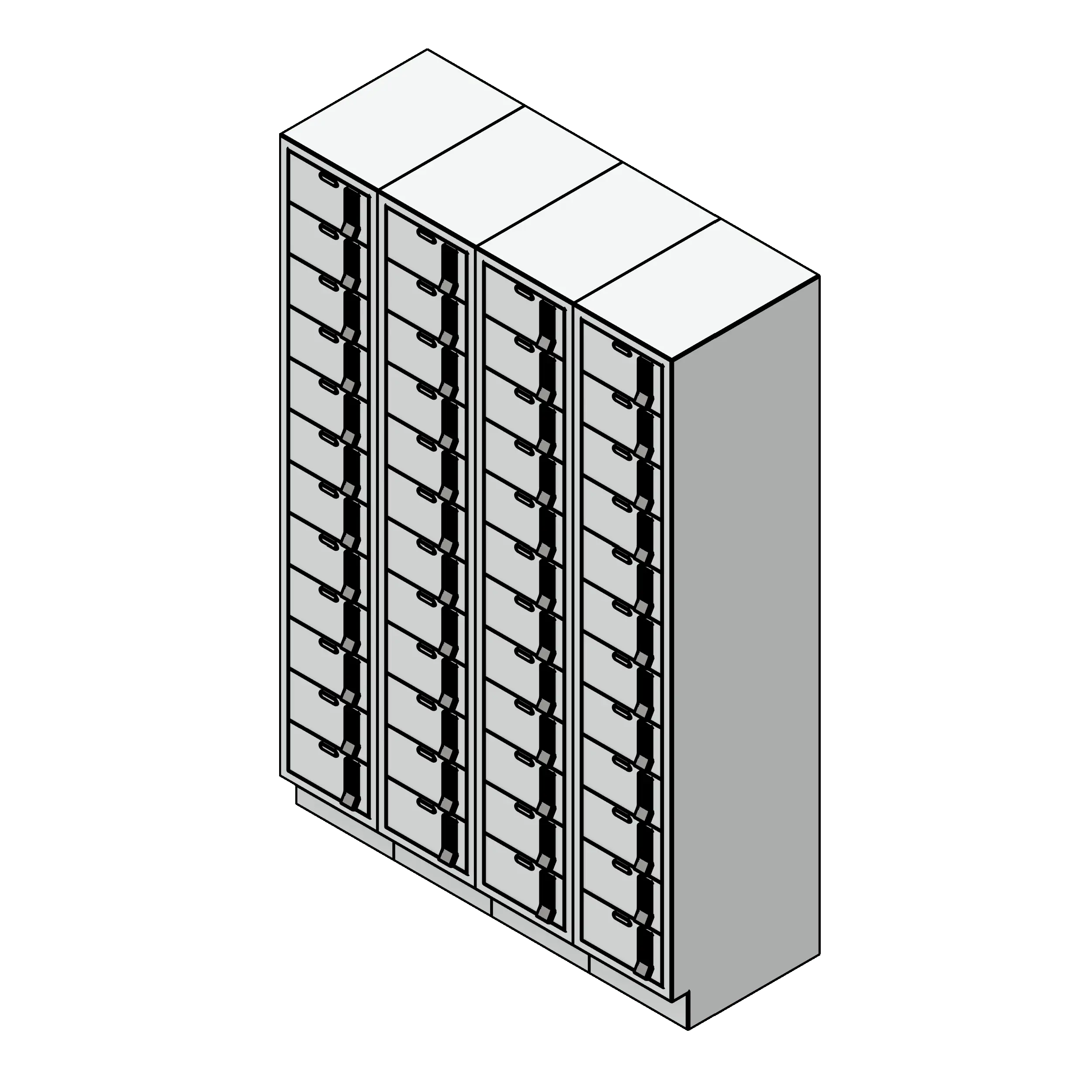
Cell Phone Lockers
Cell phone lockers help schools, workplaces, and secure facilities protect devices and support restricted-device policies.
Explore Cell Phone Lockers
RFID & Barcode Tracking
RFID and barcode tracking systems help organizations manage assets, inventory, evidence, equipment, and materials with better visibility.
Explore Tracking Systems
Professional Services
Planning, installation, project management, and long-term support help complex facility projects move from review to implementation.
Explore ServicesAdd Human-Verified Weapon Detection to Your Safety Plan
Ready to evaluate camera-based threat detection for your facility? Our team can help review your camera environment, priority coverage areas, response contacts, privacy requirements, and integration needs.
We can also help coordinate layered security conversations that include existing camera coverage, concealed weapons screening, public safety alerts, camera health monitoring, mapping, and long-term support.
Call us at (800) 803-1083 or Contact Us to schedule your free consultation today.
Request a Security Consultation