How To Offer Self-Service Luggage Storage Without Staffed Bag Handoffs
Hotels, venues, and visitor centers can learn how to offer self-service luggage storage that lets guests rent, store, and retrieve bags while reducing front desk lines, paper claim tickets, and routine staff handoffs.
How to Offer Self-Service Luggage Storage in Guest and Visitor Facilities
Hotels, venues, and visitor centers often depend on employees to receive bags, issue claim tickets, move luggage into holding areas, and retrieve it later. During early arrivals, late departures, event entry, or tour schedules, that manual process can create lines, interrupt staff, and limit storage to the hours when someone is available to manage it.
A self-service luggage storage workflow gives visitors a clear way to rent or receive locker access, store bags in an assigned compartment, and return for retrieval through an authenticated process. The goal is to keep short-term storage controlled and convenient while reserving staff time for questions, oversized items, cleanouts, and exceptions.
What Gets Better with Self-Service Bag Storage
Shorter Lines During Peak Bag Demand
Guests can move directly to a defined storage area instead of waiting for employees to tag and handle every routine bag during arrival, checkout, event entry, or departure rushes.
Fewer Paper Ticket Problems
Assigned locker access gives visitors a clearer retrieval path than handwritten claim tickets, reducing confusion when multiple guests return for bags at the same time.
More Controlled Short-Term Storage
Luggage stays in assigned compartments instead of informal holding areas, giving managers a more organized way to separate routine visitor storage from items that need staff attention.
A Clearer Paid Rental Path
Facilities that charge for storage can plan instructions, payment steps, access credentials, and retrieval rules so visitors understand the process without repeated staff direction.
Capacity Matched to Real Visitor Needs
Locker layouts can be planned around expected bag volume, peak timing, available space, and the mix of compartment sizes needed for short-term guest and visitor storage.
Staff Time Reserved for Exceptions
Employees can focus on guest questions, oversized items, forgotten credentials, cleanouts, and unusual situations instead of receiving and retrieving every standard bag by hand.
Applications for Hotel and Visitor Luggage Storage
Pre-Check-In Hotel Luggage Storage

Early arrivals need somewhere to place bags before room access, but front desk teams may already be handling check-in questions and lobby traffic.
Hotel self-service luggage storage can give guests a defined storage point near the arrival path, allowing staff to stay focused on room readiness and guest service needs.
- Plan placement near lobby circulation without blocking queues
- Include instructions where guests naturally pause or wait
- Size compartments for expected early-arrival luggage patterns
- Keep staff-assisted handling available for oversized items



Smart Lockers: Software-Controlled Luggage Rental and Access
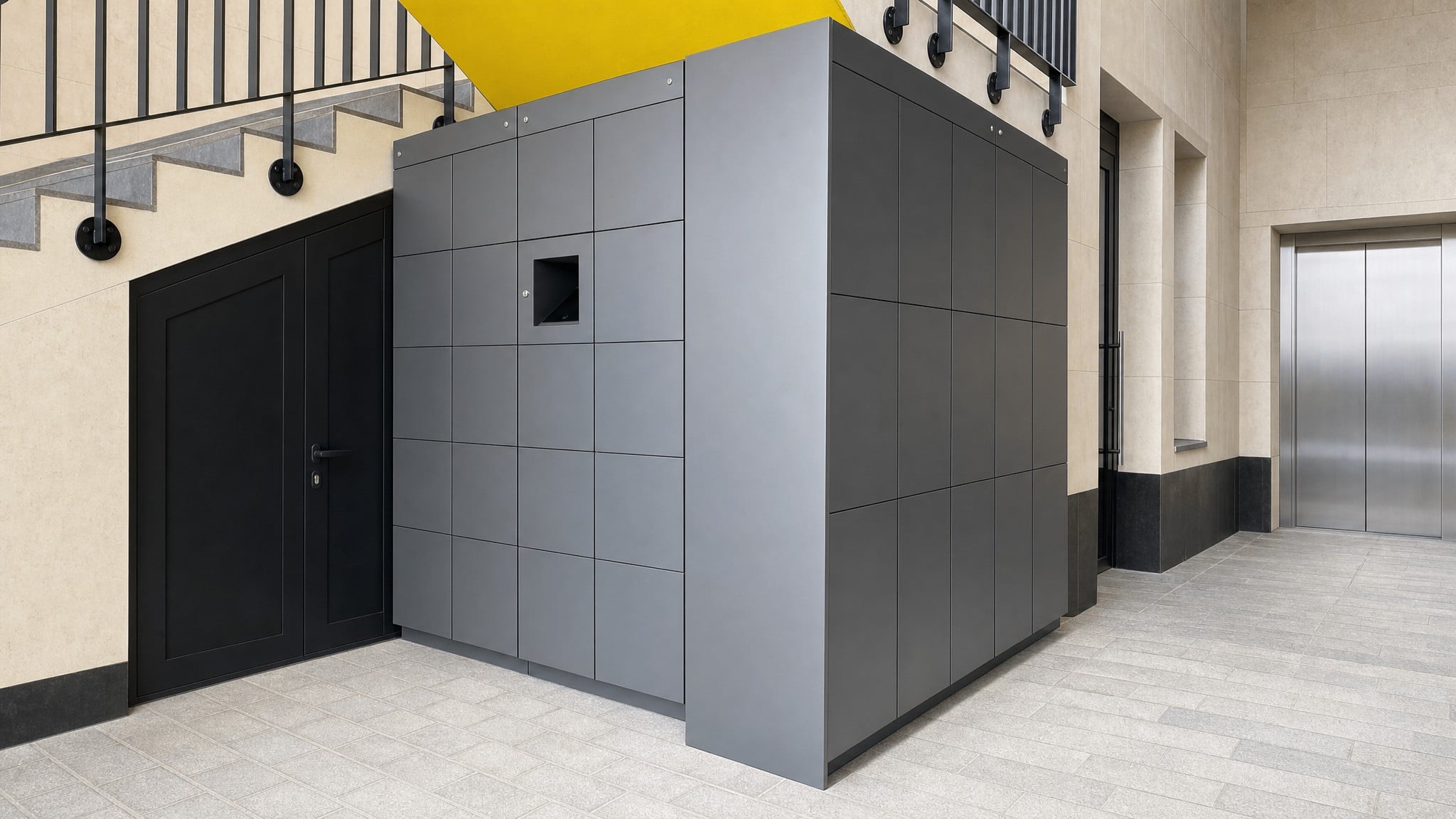
Smart lockers fit luggage storage projects that need a guided self-service rental process, authenticated access, and management visibility. For hotels and venues, they can support short-term locker assignment, visitor access, activity records, alerts, and administrative control without turning every bag drop-off into a staff transaction.
Before selecting a smart locker system, confirm how guests should start the rental, whether browser-based payment is required, which credential methods are appropriate, and what staff need to review or override. Placement, power, connectivity, compartment mix, and cleanout procedures should be planned before the locker layout is finalized.
- Best fit when paid locker rental and usage visibility are important
- Can support PIN, QR code, badge, or mobile credential access depending on configuration
- Useful when managers need activity records, alerts, or administrative tools
- Requires planning for user instructions, connectivity, and support procedures
- Can be planned in modular layouts as storage demand changes
Keyless Lockers: Code or Credential Access for Visitor Storage
Keyless lockers fit facilities that want secure short-term storage without issuing, tracking, or replacing physical keys. They can use code, card, RFID, or mobile credential access depending on the selected system, making them a practical option for simpler day-use visitor storage.
This path is best when the operation does not need the deeper rental, monitoring, and reporting tools associated with smart lockers. Confirm how users receive access, how compartments are reassigned, how staff handle forgotten codes or credentials, and whether payment will be managed separately or through another workflow.
- Best fit when the main goal is keyless access rather than a full software-managed rental process
- Can support code-access, RFID, card, or mobile credential use depending on configuration
- Useful for day-use storage areas with simpler assignment rules
- Requires clear procedures for reassignment, cleanouts, and guest assistance
- May be appropriate when staff still provide some oversight but no longer manage keys

Common Ways to Handle Guest Luggage Storage
This comparison includes recommended locker paths and common manual alternatives so operations teams can see where each approach fits.
| Approach | How It Works | Operational Friction | Best-Fit Role |
|---|---|---|---|
| Staffed Bell Desk | Employees receive, tag, store, and retrieve each guest bag. | Lines build during arrival and departure waves, and every transaction depends on available staff. | Useful for high-touch guest service and exception items, but inefficient as the only storage path during peak demand. |
| Cloakroom Or Manual Bag Room | Items are placed in a supervised or semi-supervised room, often with paper claim tickets. | Crowding, ticket confusion, staff retrieval trips, and limited activity records can create problems when volume rises. | May remain useful for oversized luggage or special handling, but not ideal for every routine short-term storage request. |
| Unsecured Holding Area | Bags are placed in an open or informal area while guests leave the property or venue. | Creates accountability concerns and can make guests uncertain about who controls access to their belongings. | A comparison-only approach that should not serve as the primary luggage storage workflow. |
| Coin-Operated Lockers | Users pay at a locker and manage access through a coin or mechanical process. | Modern payment expectations, usage review, and user support can be limited compared with digital workflows. | A legacy option for basic storage, but often limited for facilities that want paid locker rental visibility and clearer instructions. |
| Self-Service Luggage Locker Rental | Users rent or receive access to a locker through an authenticated process, then store and retrieve luggage without a routine staff handoff. | Requires planning for placement, compartment sizes, access method, payment flow, instructions, and staff support procedures. | Recommended path for facilities that want to reduce staffed luggage handoffs while preserving controlled access. |
How SSG Helps Plan Self-Service Luggage Storage
Southwest Solutions Group helps hotels, venues, and visitor facilities define the guest storage workflow first, then match locker type, layout, access method, and support procedures to the way luggage actually moves through the property.
Assess Your Space
We review where luggage is currently received, stored, and retrieved, including lobby areas, basement rooms, venue entrances, visitor service zones, and routes guests use before check-in or after checkout.
Recommend the Right Solution
We compare smart lockers and keyless lockers against your storage goals, including paid rental support, authenticated access, activity visibility, alerts, audit trails, and simpler code-access requirements.
Design & Engineer the Layout
We help plan compartment mix, accessible placement, user instructions, staff support points, and storage capacity around expected bag sizes, peak traffic patterns, and available floor or wall space.
Install & Support
Southwest Solutions Group designs, delivers, and installs locker systems tailored to the facility, then supports the project with planning guidance for operation, cleanouts, user assistance, and future expansion needs.
Related Case Studies
Explore documented projects with related products, applications, or operational challenges.
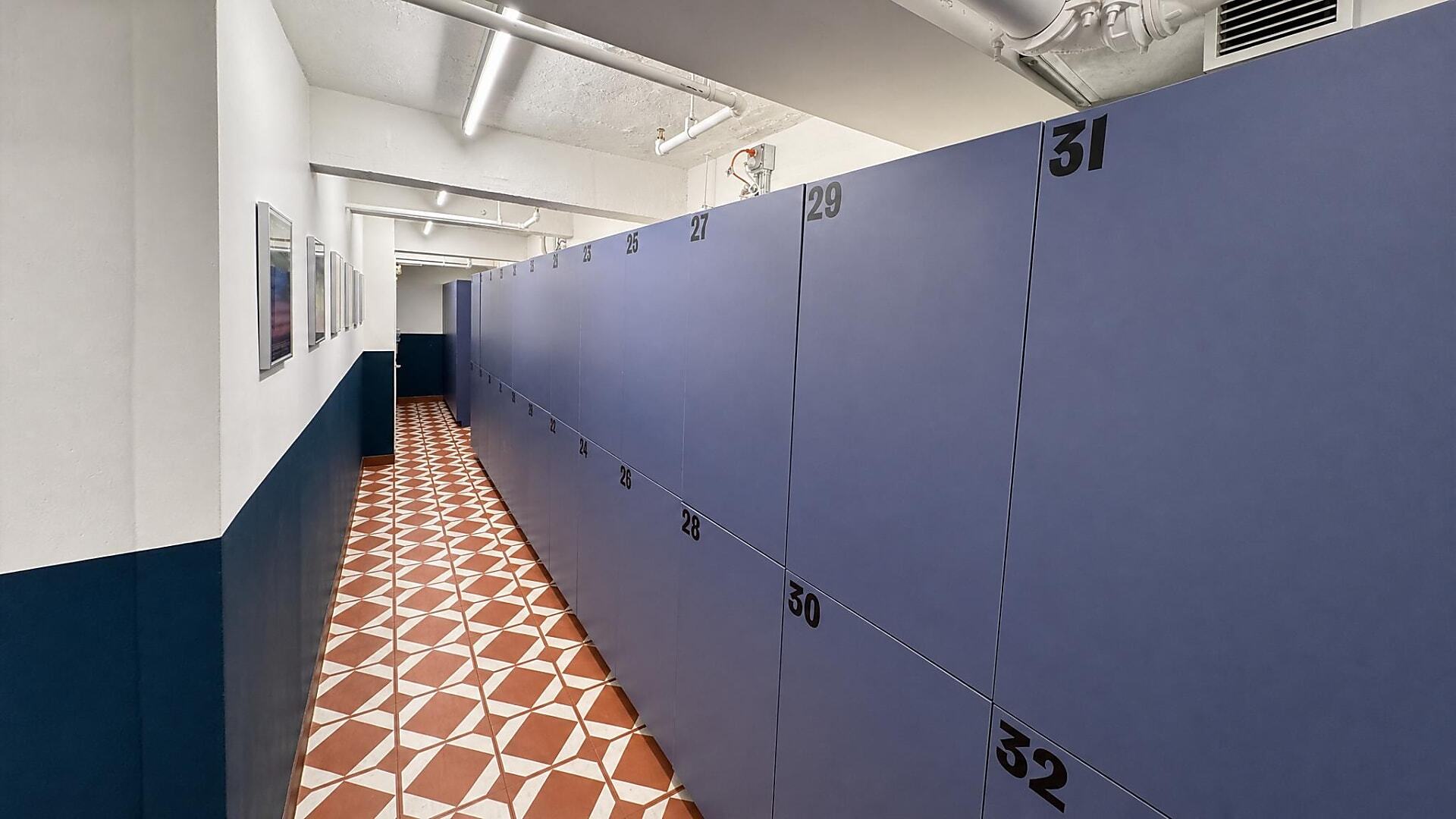
Dove Tail and Company Adds Guest Lockers with 9-Month ROI
See how a New York hotel added secure guest lockers, created a new revenue stream, and reported a nine-month return on investment.
Read Case StudyFrequently Asked Questions
A guest or visitor rents or receives access to a locker, authenticates with the supported method, places luggage inside, and returns later to retrieve it. Depending on the selected system, access may use a PIN, QR code, badge, RFID credential, or mobile credential.
A browser-based rental or payment workflow can be evaluated during planning, but the exact process depends on the locker system, software, payment requirements, and facility preferences. SSG can help define the desired guest flow before selecting the locker path.
Start with the items guests actually bring, such as backpacks, purses, carry-ons, conference bags, and larger luggage. Then review peak arrival and departure times, accessible placement, available space, and whether oversized items will remain a staff-assisted exception.
Self-service storage reduces routine bag handoffs, but staff still need procedures for user assistance, forgotten credentials, cleanouts, exception items, policy questions, and daily oversight. Staff may also monitor the area and help guests understand the rental or retrieval process.
Smart lockers are usually the stronger fit when the facility needs software-controlled rental workflows, usage visibility, alerts, or audit trails. Keyless lockers may fit simpler day-use storage where code-access, RFID, card, or mobile credential access is enough.
They can reduce routine storage and retrieval transactions, but many hotels still keep staff available for oversized bags, guest service, special requests, and exceptions. The best setup often separates routine self-service storage from items that require personal assistance.
Some locker systems can support credentials such as badges, RFID, PINs, QR codes, or mobile access depending on the configuration. Compatibility with existing guest or building credentials should be evaluated during planning and should not be assumed.
Review where guests will find the lockers, how rental instructions will be displayed, how payment or assignment will occur, what bag sizes are expected, and how staff will handle assistance or cleanouts. Facility security requirements, accessibility needs, power, connectivity, and placement should also be addressed during project planning.
Related Products
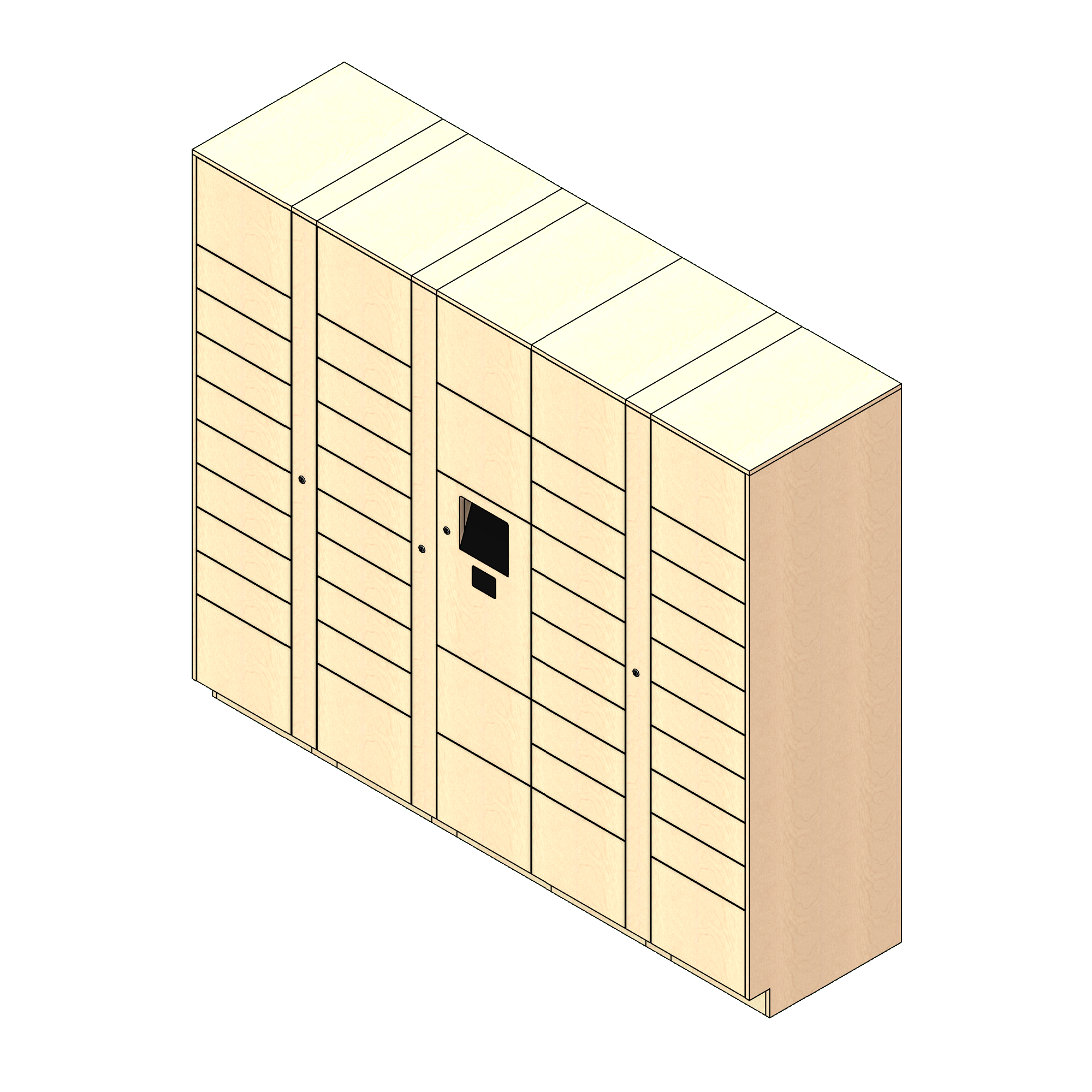
Smart Lockers
Smart lockers fit luggage storage projects that need a guided self-service rental process, authenticated access, and management visibility.
Explore Smart Lockers
Keyless Lockers
Keyless lockers fit facilities that want secure short-term storage without issuing, tracking, or replacing physical keys.
Explore Keyless LockersDesign a Self-Service Luggage Storage Workflow That Fits Your Guests and Space
If your hotel, venue, or visitor center is relying on bell desks, cloakrooms, paper tickets, or informal holding areas, SSG can help evaluate a better path before you commit to a product or layout.
Tell us when luggage demand peaks, what bag sizes you need to support, where storage could be located, and whether you want a paid rental workflow, smart locker visibility, or simpler keyless access.
Call us at (800) 803-1083 or Contact Us to get started.
Get a Custom Design