Herbarium Cabinets for Botanical Sheet and Folder Storage
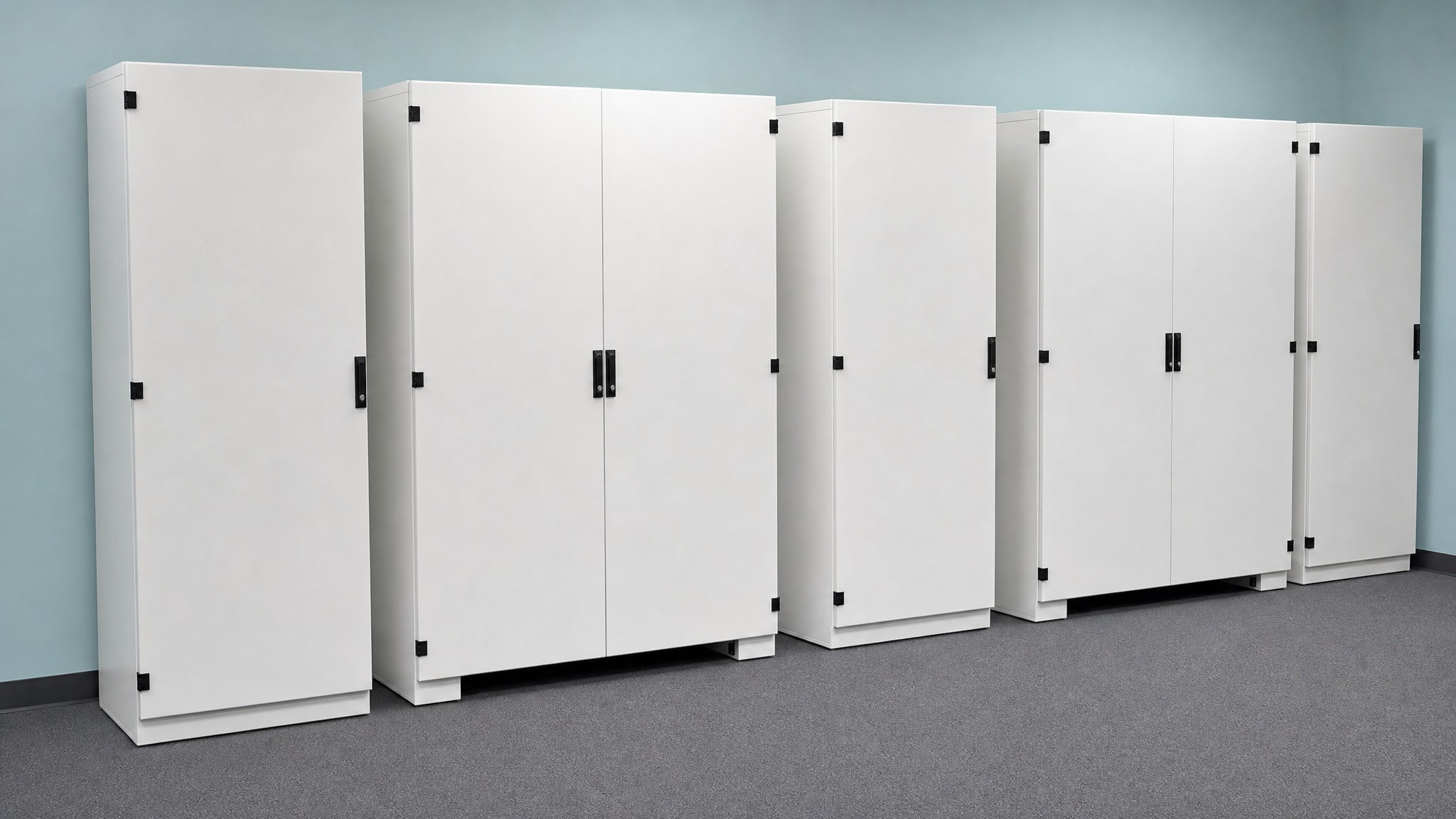
Herbarium cabinets provide structured storage for plant specimens, herbarium sheets, folders, and botanical collection materials in museums, universities, and research facilities. Plan your herbarium storage with expert guidance so the cabinet configuration matches your collection format, reference access needs, and room layout.
What Are Herbarium Cabinets?
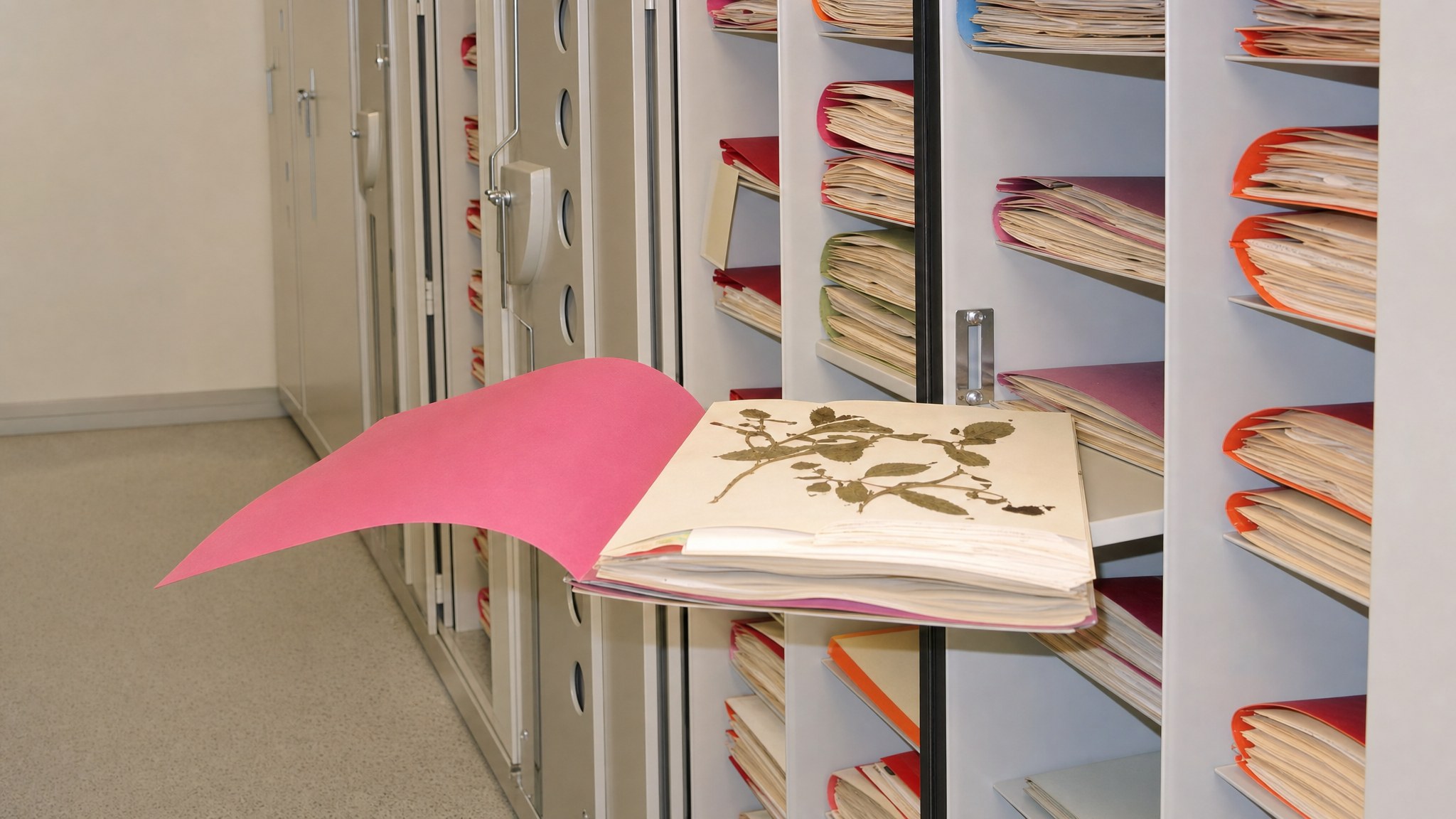
Herbarium cabinets are specialty storage units designed to organize and protect herbarium sheets, folders, and botanical collection materials. Museums, herbaria, universities, and research facilities use them for long-term specimen storage, reference access, and orderly re-filing after review.
- Standard herbarium storage cabinets are separate from herbarium drying cabinets used to remove moisture from pressed plant samples.
Plan Around Sheet Size, Folder Layout, and Collection Capacity
To select the right herbarium storage cabinet, start with the dimensions of your sheets, folders, and any approved enclosures. Cabinet configuration, interior layout, room placement, and access clearances all influence the final design and pricing.
- Confirm standard or custom herbarium sheet and folder dimensions.
- Estimate current collection volume and expected growth.
- Review collection organization by taxonomy, region, accession number, or research group.
- Assess cabinet footprint, door swing, aisle space, and daily retrieval paths.
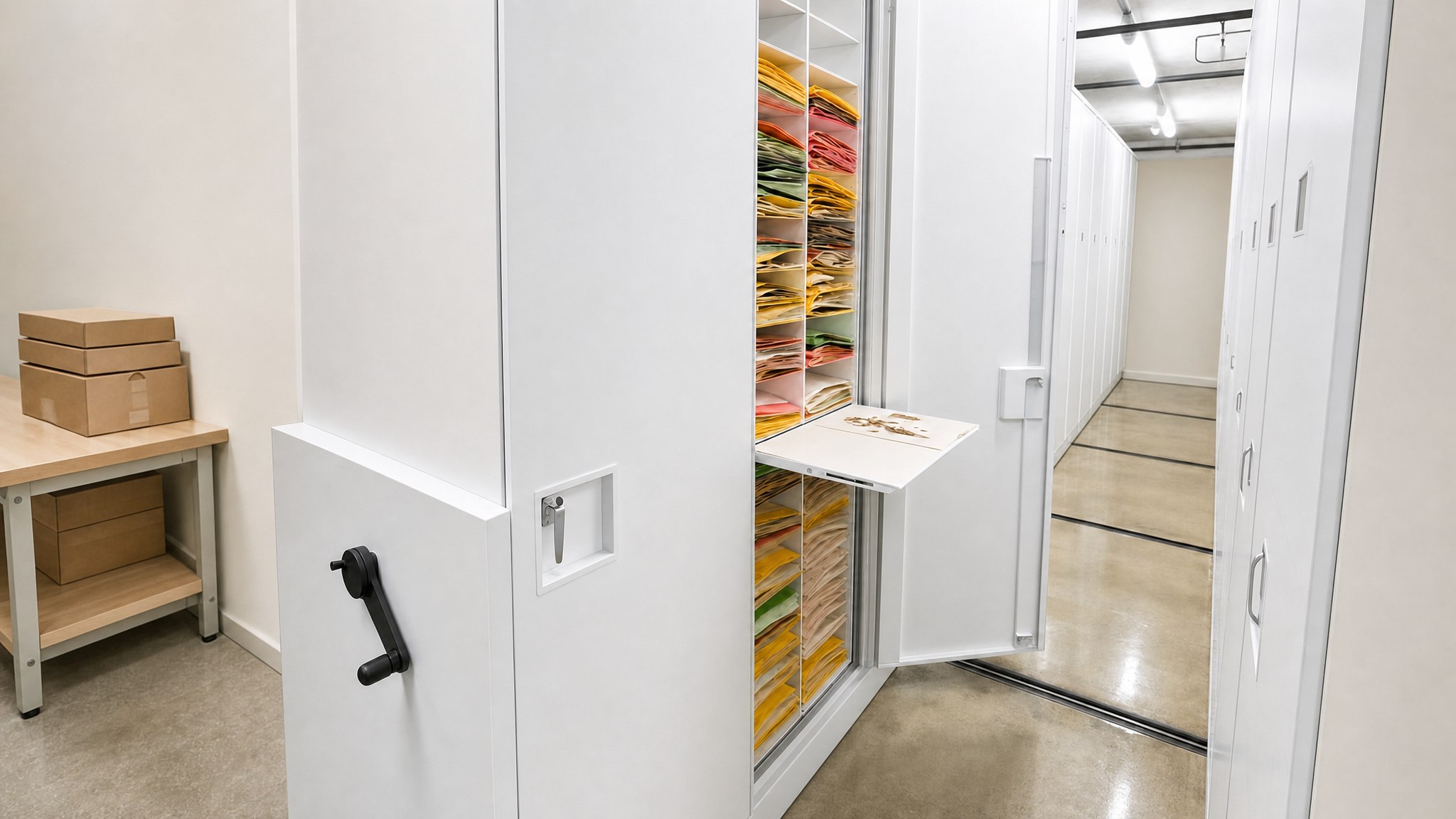
Herbarium Cabinet Features and Configuration Options
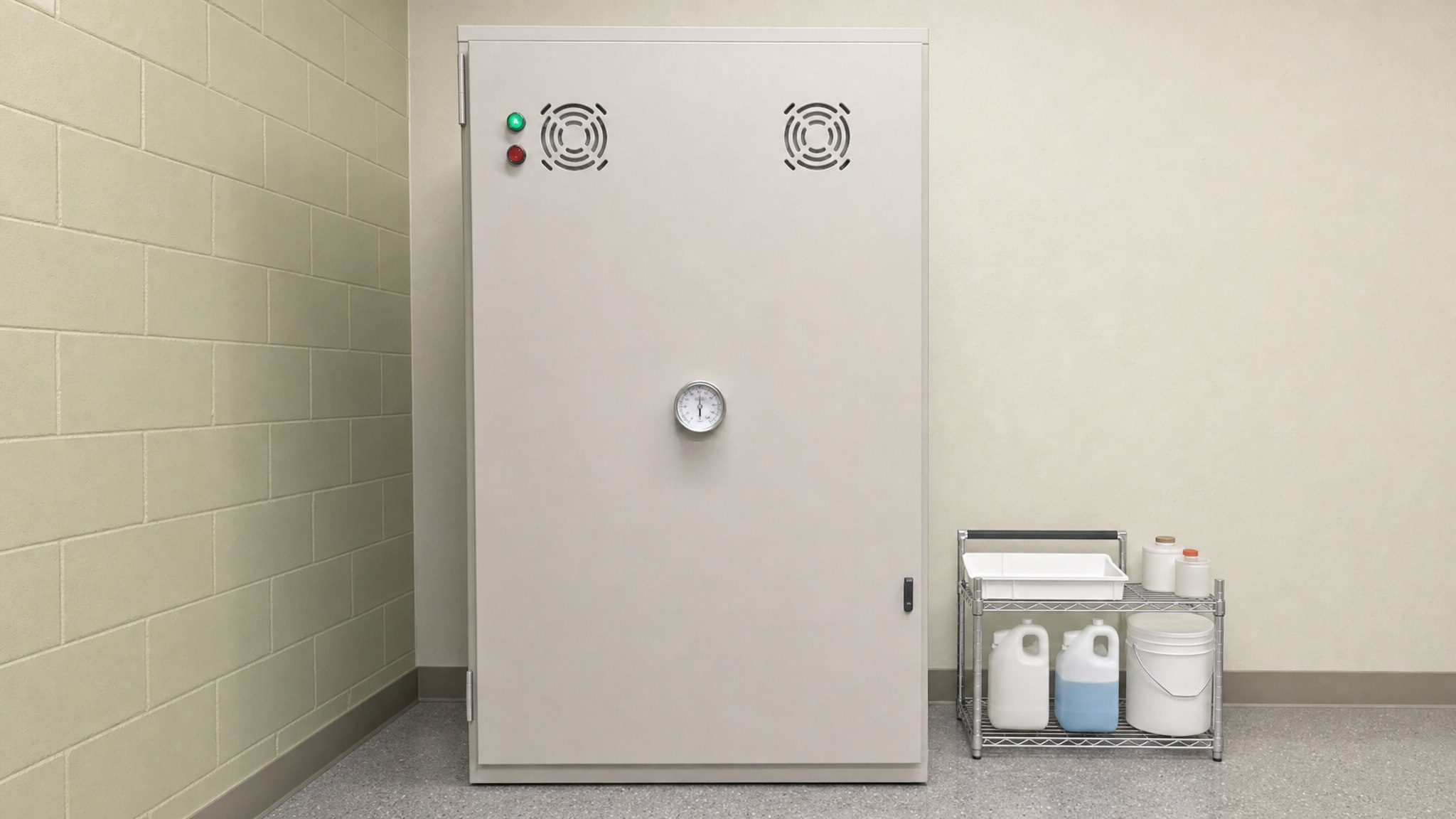
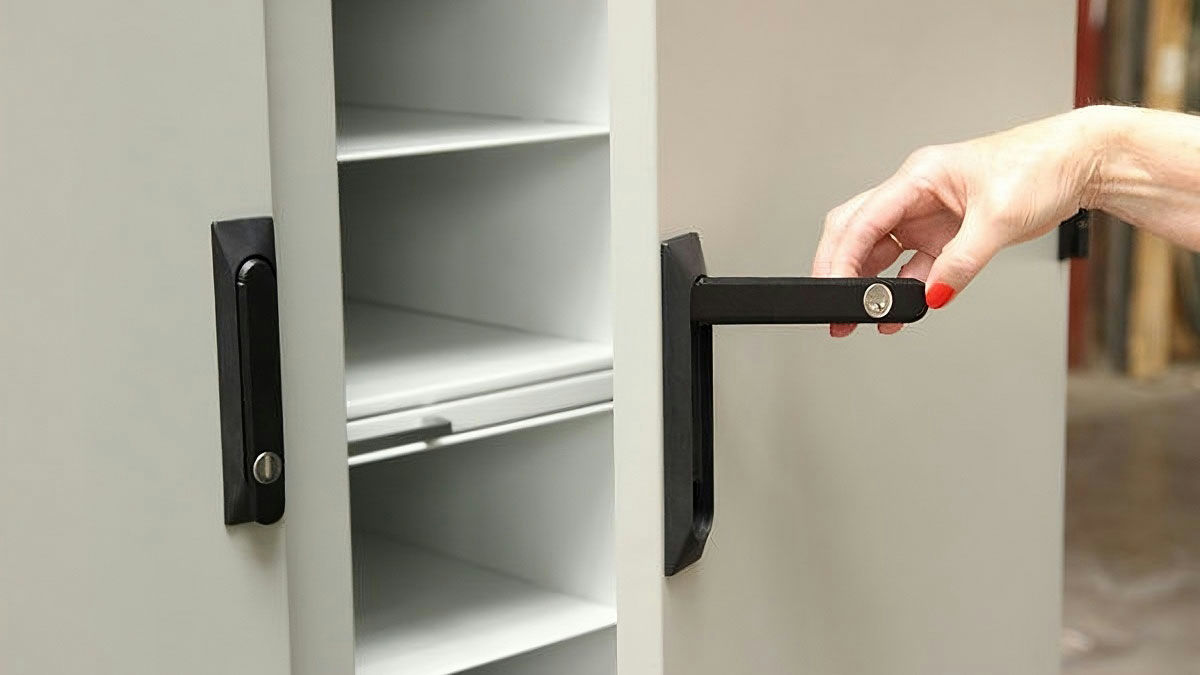
Herbarium cabinets can be reviewed in full-height and counter-height styles, with interior compartment layouts selected around collection format and staff access needs. During quoting, confirm door style, labeling approach, gasket details, and whether the project also needs separate drying equipment.
If your process includes pressed plant samples that are not yet dry, review the herbarium drying cabinet brochure to compare dedicated drying equipment with storage cabinets.
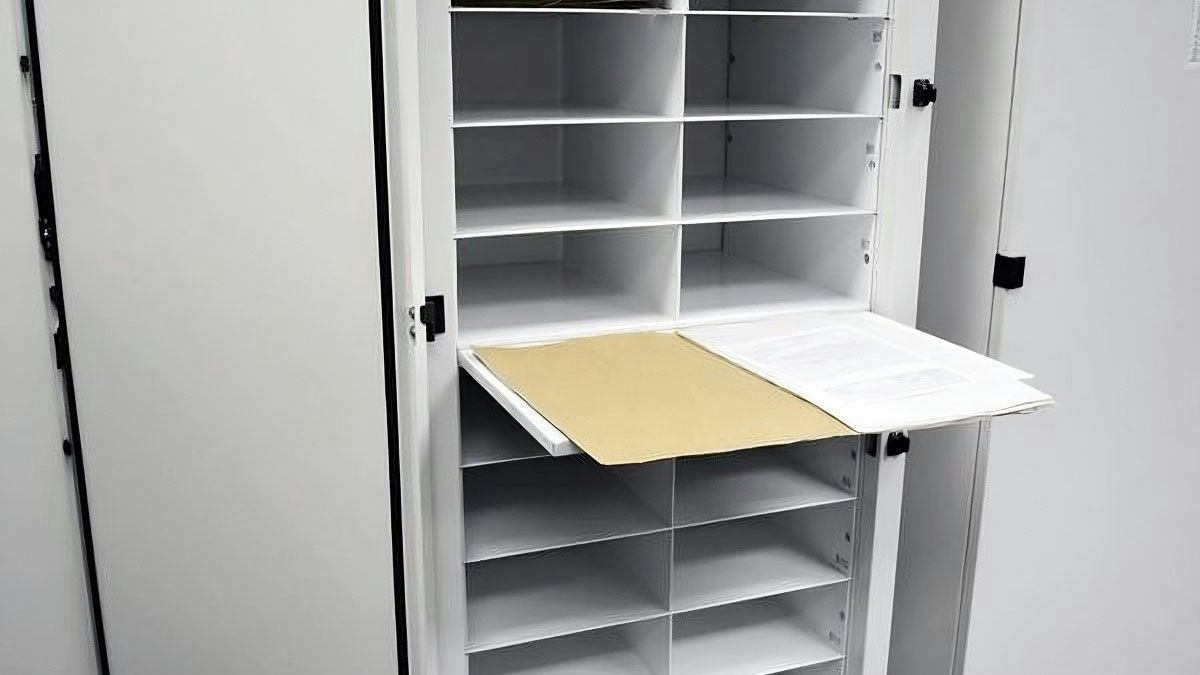
- Full-height models can include a reference shelf, and full-size cabinets may include a pull-out shelf for reviewing folders near the cabinet.
- Counter-height cabinets can support lower-profile layouts or work-surface-oriented room planning.
- Interior compartments should be planned around herbarium sheets, folders, collection boxes, and labeling methods.
- Specify a separate herbarium drying cabinet when active moisture removal is part of the workflow.
Where Herbarium Storage Cabinets Fit in Collection Workflows
Herbarium storage cabinets support specimen intake, organization, review, and re-filing in museums, botany departments, herbaria, and research facilities. Their value is in keeping dried plant materials organized while giving staff and researchers practical access to the collection.
- Museum collection rooms that need organized storage for accessioned plant specimens.
- University botany departments that support teaching, faculty research, and departmental reference collections.
- Research facilities that store botanical specimens, seeds, pollen, or related plant materials in appropriate enclosures.
Planning a Herbarium Cabinet Quote
Before requesting a quote, gather your sheet and folder dimensions, collection organization method, projected storage needs, and room layout. Free consultations are available to help determine the right cabinet configuration before the design process begins.
- Sheet, folder, and enclosure dimensions that must fit the selected interior layout.
- Current collection volume, future growth, and grouping method.
- Room dimensions, cabinet footprint, access clearances, and installation constraints.
- Whether the project requires herbarium storage cabinets, drying equipment, or both.
Natural History Museum Herbarium Collections

Natural history museums use herbarium cabinets to keep accessioned plant specimens, herbarium sheets, and folders in a consistent storage system. Curators can plan cabinet interiors around collection groupings so researchers can review specimens and staff can return materials to the correct location.
- Plan compartment groupings around taxonomy, region, accession number, or research category.
- Review reference shelf or pull-out surface options when folders are examined near the cabinet.
- Separate long-term storage needs from any active specimen preparation or drying area.


Planning Your Herbarium Cabinet Configuration
Use these planning decisions to define the cabinet layout, access needs, and whether the project also requires separate plant drying equipment.
| Planning Decision | Why It Matters | What to Confirm |
|---|---|---|
| Sheet and Folder Format | Projects with defined herbarium sheets, folders, or collection enclosures. | Confirm dimensions before selecting interior compartments or cabinet layout. |
| Collection Organization | Herbaria that group specimens by taxonomy, region, accession number, or research category. | Define the filing method so the cabinet plan supports retrieval and re-filing. |
| Reference Access | Curators, faculty, or researchers who review folders close to the cabinet. | Review reference shelf or pull-out surface options during configuration. |
| Room Layout | Facilities reorganizing a herbarium room or planning around limited floor space. | Check cabinet footprint, door swing, aisle clearance, and full-height or counter-height placement. |
| Storage vs. Drying | Facilities deciding whether they need long-term storage, active drying, or both. | Storage cabinets organize dried specimens; a herbarium drying cabinet is separate equipment for moisture removal. |
Southwest Solutions Near You
With 7 offices in Texas, Oklahoma, Kansas and Colorado, plus teams covering every major metro area nationwide, Southwest Solutions Group delivers expert herbarium cabinet sales, design, installation, and maintenance support wherever you need it.
Herbarium Cabinets Service Areas
Texas
- Dallas
- Austin
- Houston
- San Antonio
- Waco
- Tyler
- Amarillo
- Lubbock
- El Paso
- Ft Worth
- Corpus Christi
- Midland
Oklahoma
- Oklahoma City
- Tulsa
- Norman
- Lawton
- Enid
- Stillwater
- McAlester
- Muskogee
- Guymon
Kansas
- Wichita
- Overland Park
- Topeka
- Kansas City
- Lawrence
- Manhattan
- Salina
- Hays
- Dodge City
- Garden City
Colorado
- Denver
- Colorado Springs
- Fort Collins
- Grand Junction
- Pueblo
- Durango
- Alamosa
- Steamboat Springs
- Greeley
Alabama
- Huntsville
- Birmingham
- Montgomery
- Mobile
- Tuscaloosa
- Hoover
- Dothan
- Decatur
Alaska
- Anchorage
- Fairbanks
- Juneau
- Sitka
- Ketchikan
- Kodiak
- Bethel
- Nome
Arizona
- Phoenix
- Tucson
- Flagstaff
- Yuma
- Prescott
- Lake Havasu City
- Sierra Vista
- Kingman
Arkansas
- Little Rock
- Fayetteville
- Fort Smith
- Jonesboro
- Hot Springs
- Pine Bluff
- Texarkana
- Bentonville
- Arkadelphia
California
- Los Angeles
- San Diego
- San Francisco
- Sacramento
- Fresno
- Redding
- Bakersfield
- San Bernardino
- San Jose
Connecticut
- Hartford
- New Haven
- Stamford
- Bridgeport
Delaware
- Wilmington
- Dover
- Newark
- Rehoboth Beach
Florida
- Jacksonville
- Tallahassee
- Orlando
- Tampa
- Miami
- West Palm Beach
- Fort Myers
- Pensacola
Georgia
- Atlanta
- Savannah
- Augusta
- Columbus
- Macon
- Athens
- Valdosta
- Gainesville
- Albany
Hawaii
- Honolulu
- Hilo
- Kahului
- Kailua-Kona
- Lihue
Idaho
- Boise
- Coeur d'Alene
- Twin Falls
- Idaho Falls
- Pocatello
- Lewiston
- McCall
- Sandpoint
- Moscow
Illinois
- Chicago
- Springfield
- Rockford
- Peoria
- Champaign
- Bloomington
- Carbondale
- Moline
- Quincy
Indiana
- Indianapolis
- Fort Wayne
- South Bend
- Evansville
- Lafayette
- Bloomington
- Terre Haute
- Gary
- Muncie
Iowa
- Des Moines
- Cedar Rapids
- Davenport
- Sioux City
- Iowa City
- Waterloo
- Council Bluffs
- Ames
- Mason City
Kentucky
- Louisville
- Lexington
- Bowling Green
- Owensboro
- Covington
- Paducah
- Ashland
- Richmond
- Frankfort
- Pikeville
- Florence
Louisiana
- New Orleans
- Baton Rouge
- Shreveport
- Lafayette
- Lake Charles
- Monroe
- Alexandria
- Houma
Maine
- Portland
- Bangor
- Augusta
- Lewiston
- Waterville
- Presque Isle
- Bar Harbor
- Biddeford
- Rockland
Maryland
- Baltimore
- Annapolis
- Frederick
- Hagerstown
- Salisbury
Massachusetts
- Boston
- Worcester
- Springfield
- Pittsfield
Michigan
- Detroit
- Grand Rapids
- Lansing
- Ann Arbor
- Flint
- Traverse City
- Marquette
- Kalamazoo
- Saginaw
Minnesota
- Minneapolis
- St. Paul
- Duluth
- Rochester
- Mankato
- St. Cloud
- Bemidji
- Moorhead
Mississippi
- Jackson
- Gulfport
- Hattiesburg
- Biloxi
- Southaven
- Meridian
- Tupelo
- Natchez
- Greenville
- Oxford
Missouri
- Jefferson City
- St. Louis
- Kansas City
- Springfield
- Columbia
- Joplin
- Cape Girardeau
- St. Joseph
- Rolla
Montana
- Helena
- Billings
- Missoula
- Great Falls
- Bozeman
- Kalispell
- Havre
- Miles City
Nebraska
- Lincoln
- Omaha
- Grand Island
- Kearney
- Scottsbluff
- Norfolk
- North Platte
- Fremont
- South Sioux City
Nevada
- Las Vegas
- Reno
- Carson City
- Elko
- Pahrump
- Henderson
- Winnemucca
- Mesquite
- Fallon
New Hampshire
- Concord
- Manchester
- Portsmouth
- Keene
- Nashua
New Jersey
- Newark
- Jersey City
- Trenton
- Atlantic City
New Mexico
- Santa Fe
- Albuquerque
- Las Cruces
- Roswell
- Farmington
- Gallup
- Carlsbad
- Clovis
New York
- Albany
- New York City
- Buffalo
- Rochester
- Syracuse
- Binghamton
- Ithaca
- Plattsburgh
North Carolina
- Raleigh
- Charlotte
- Greensboro
- Asheville
- Wilmington
- Fayetteville
- Boone
- Greenville
North Dakota
- Bismarck
- Fargo
- Grand Forks
- Minot
- Dickinson
- Williston
- Jamestown
- Devils Lake
Ohio
- Columbus
- Cleveland
- Cincinnati
- Toledo
- Dayton
- Akron
- Youngstown
- Athens
Oregon
- Portland
- Salem
- Eugene
- Hermiston
- Baker City
- Medford
- Bend
- Klamath Falls
Pennsylvania
- Harrisburg
- Philadelphia
- Pittsburgh
- Erie
- Scranton
- State College
- Allentown
- Williamsport
Rhode Island
- Providence
- Warwick
- Newport
- Woonsocket
South Carolina
- Columbia
- Charleston
- Greenville
- Myrtle Beach
- Hilton Head Island
- Spartanburg
- Florence
- Rock Hill
South Dakota
- Pierre
- Sioux Falls
- Rapid City
- Aberdeen
- Watertown
- Brookings
- Mitchell
- Yankton
Tennessee
- Memphis
- Jackson
- Nashville
- Clarksville
- Cookeville
- Chattanooga
- Knoxville
- Johnson City
Utah
- Salt Lake City
- Ogden
- Logan
- Provo
- St. George
- Cedar City
- Moab
- Vernal
Vermont
- Montpelier
- Burlington
- Rutland
- Brattleboro
Virginia
- Richmond
- Norfolk
- Virginia Beach
- Roanoke
- Lynchburg
- Harrisonburg
- Fredericksburg
- Bristol
Washington
- Olympia
- Seattle
- Spokane
- Yakima
- Bellingham
- Wenatchee
- Kennewick
- Vancouver
West Virginia
- Charleston
- Huntington
- Morgantown
- Wheeling
- Parkersburg
- Beckley
- Martinsburg
- Bluefield
Wisconsin
- Madison
- Milwaukee
- Green Bay
- Eau Claire
- La Crosse
- Wausau
- Appleton
- Superior
Wyoming
- Cheyenne
- Casper
- Laramie
- Gillette
- Sheridan
- Rock Springs
- Jackson
- Cody
District of Columbia
- Washington D.C.
Frequently Asked Questions
Herbarium cabinets are used to store, organize, and protect herbarium sheets, folders, and botanical collection materials. Museums, herbaria, universities, and research facilities use them for long-term specimen storage and reference access.
Start by identifying sheet and folder dimensions, collection volume, organization method, and room layout. Then review access needs, cabinet height preferences, interior compartment requirements, and whether any separate drying equipment is required.
No. Herbarium storage cabinets are used for organizing and preserving dried specimens. Herbarium drying cabinets are separate equipment used to remove moisture from pressed plant samples before storage or further processing.
Herbarium cabinet pricing depends on the selected configuration, interior layout, access requirements, collection size, room planning needs, and whether the project also includes drying equipment. Pricing is provided through a custom quote.
If your herbarium uses collection boxes or other enclosures, include their dimensions during planning. The interior configuration can then be reviewed for fit with your sheets, folders, and approved storage materials.
Botany cabinets are commonly used in museums, herbaria, universities, and research facilities to organize botanical collections, plant specimens, herbarium sheets, and related research materials.
Explore More Cabinets

Smart Flammable Storage Cabinet
Securely store, dispense, and track flammable chemicals with controlled access, video monitoring, and automated inventory records that improve safety and accountability.
Explore Smart Flammable Storage Cabinet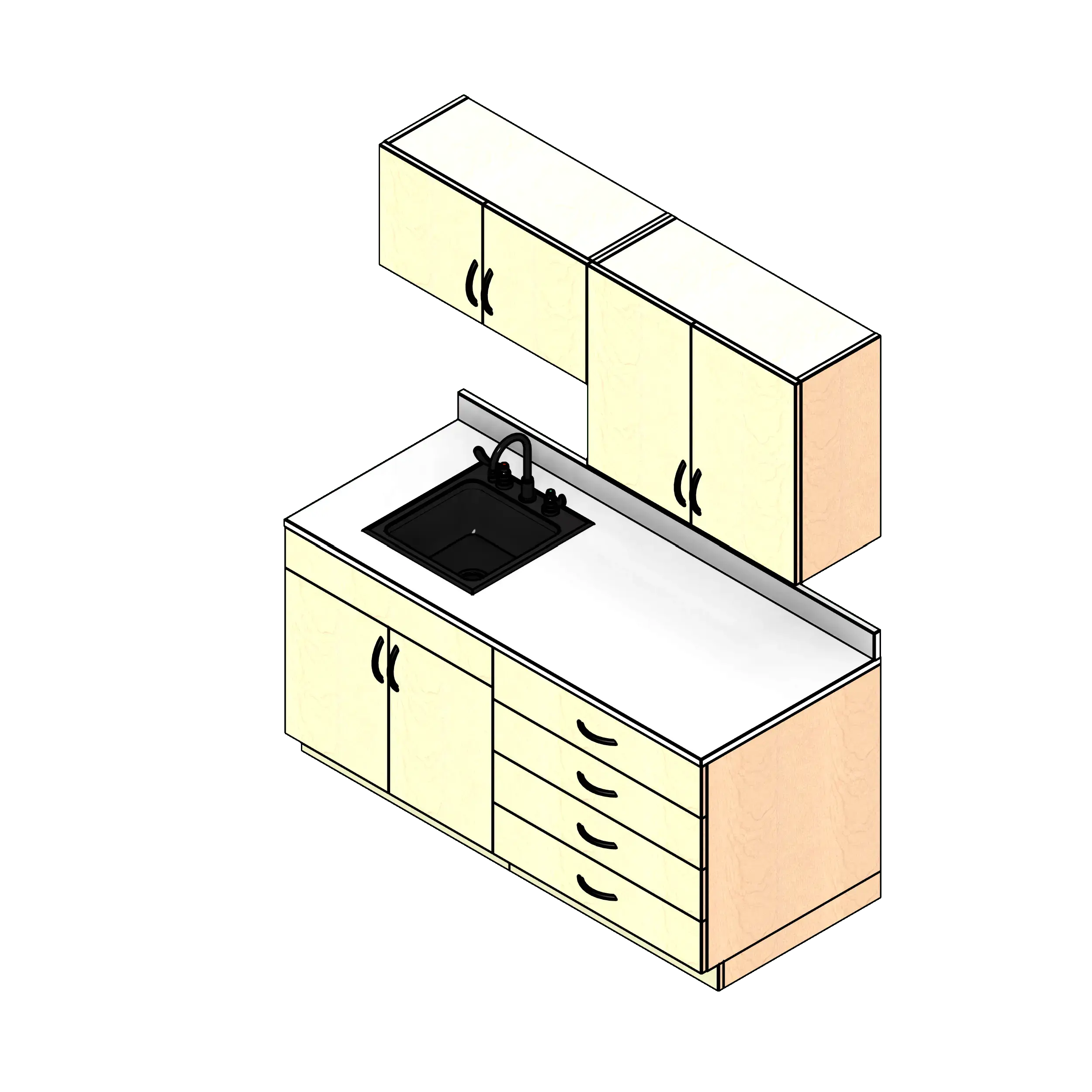
Breakroom Cabinets
Durable, configurable cabinets for employee lounges and mailrooms. Choose ADA-ready bases, wall units, and drawers in any finish.
Explore Breakroom Cabinets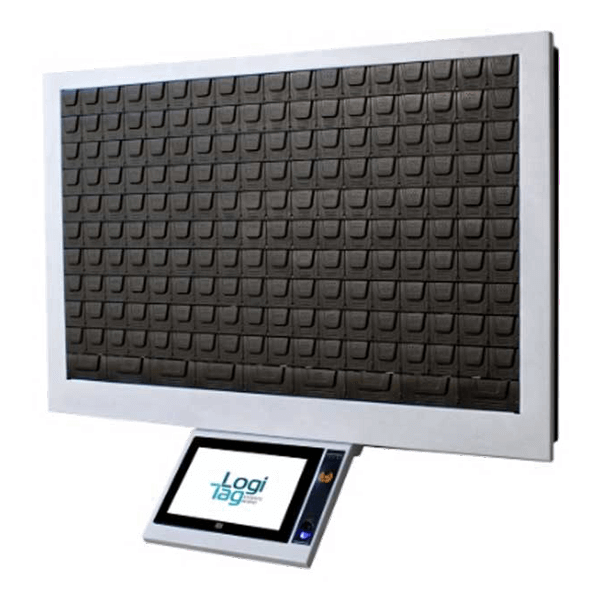
Electronic Key Cabinets
Secure, RFID-enabled electronic key cabinets track access and improve compliance with PIN, badge, or biometric login and real-time audit logs.
Explore Electronic Key Cabinets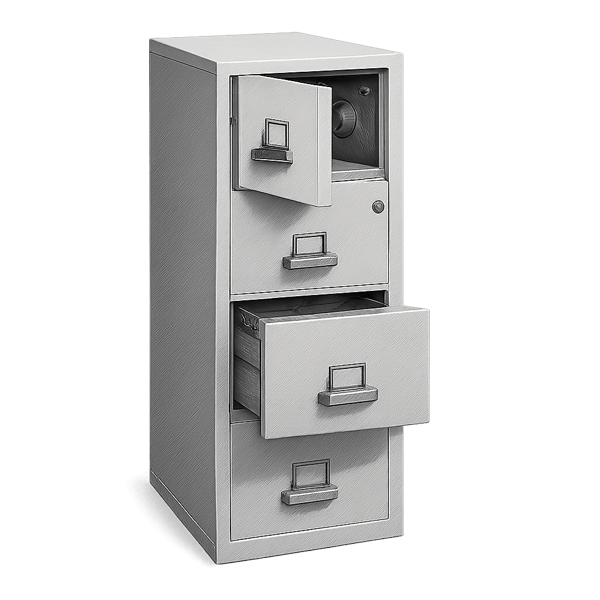
Fireproof File Cabinets
Secure vital paper records from fire, water, and theft with UL-rated fireproof file cabinets. Choose from vertical, lateral, and oversized styles.
Explore Fireproof File Cabinets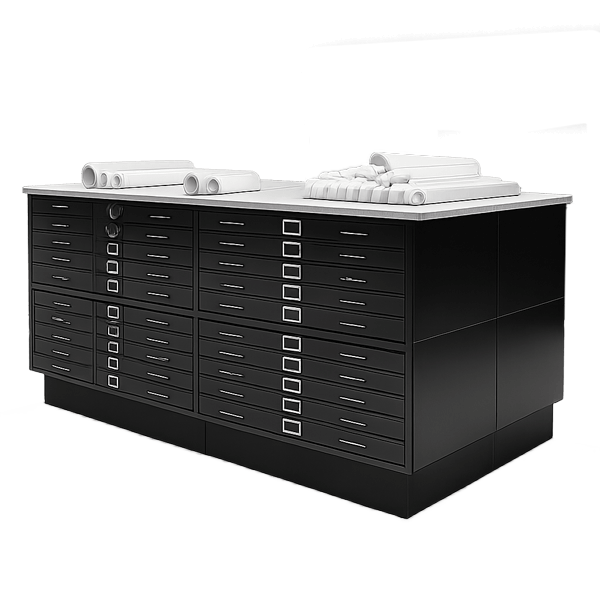
Flat File Cabinets
Preserve large documents, blueprints, and artifacts in customizable flat file cabinets built from durable steel for museums, libraries, and professionals.
Explore Flat File Cabinets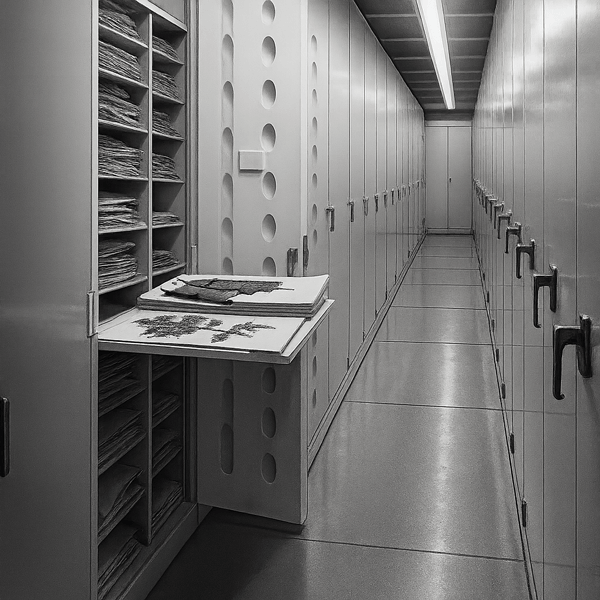
Herbarium Drying Cabinets
Remove moisture from pressed plant specimens before storage with dedicated drying cabinets designed for controlled airflow and botanical preparation workflows.
Explore Herbarium Drying Cabinets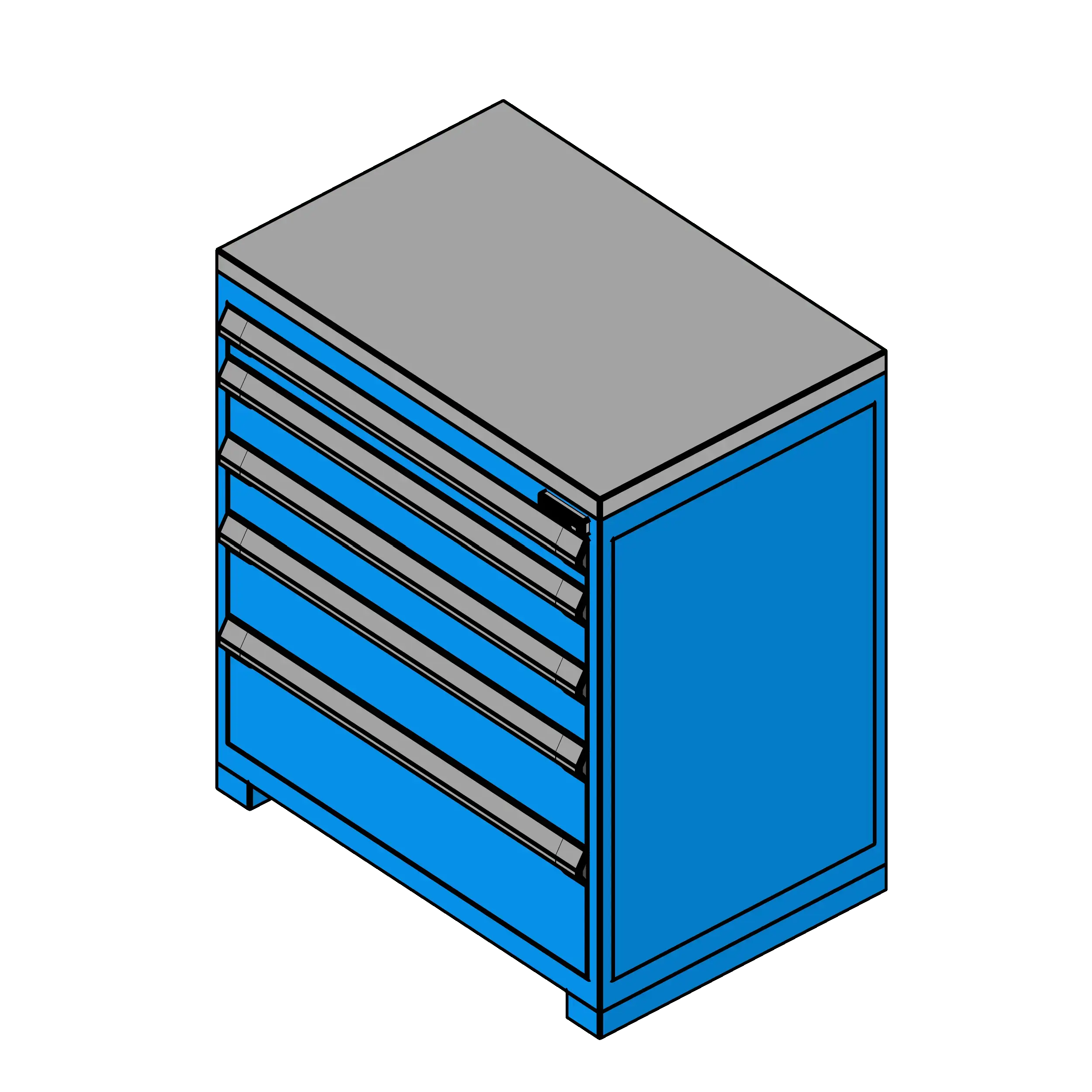
Modular Drawer Cabinets
Maximize small part storage with stackable steel drawer cabinets. Full-extension, high-capacity drawers improve organization and access.
Explore Modular Drawer Cabinets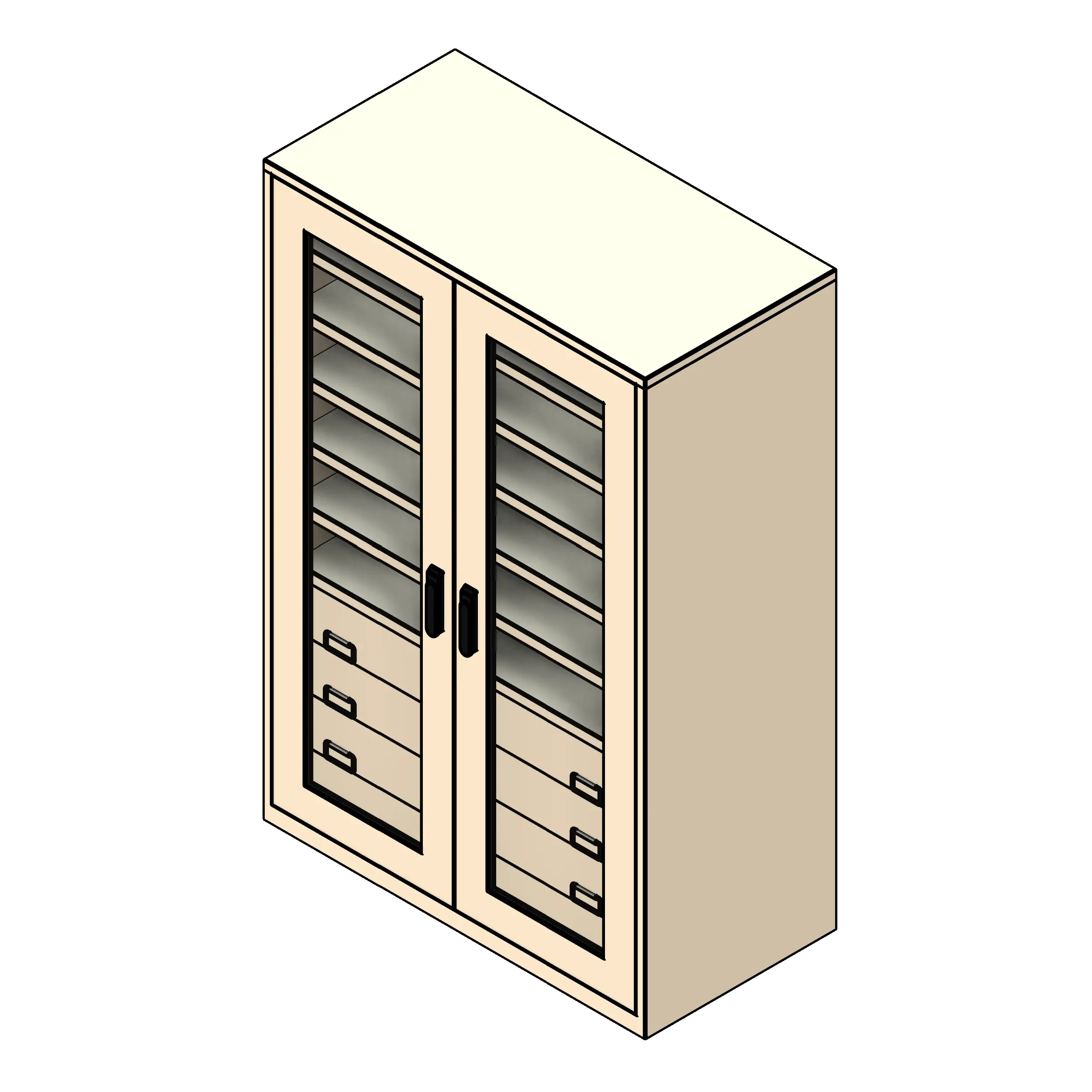
Museum Cabinets
Secure, climate-controlled cases for archives, artifacts, or collections. Built for curatorial, educational, and public environments.
Explore Museum Cabinets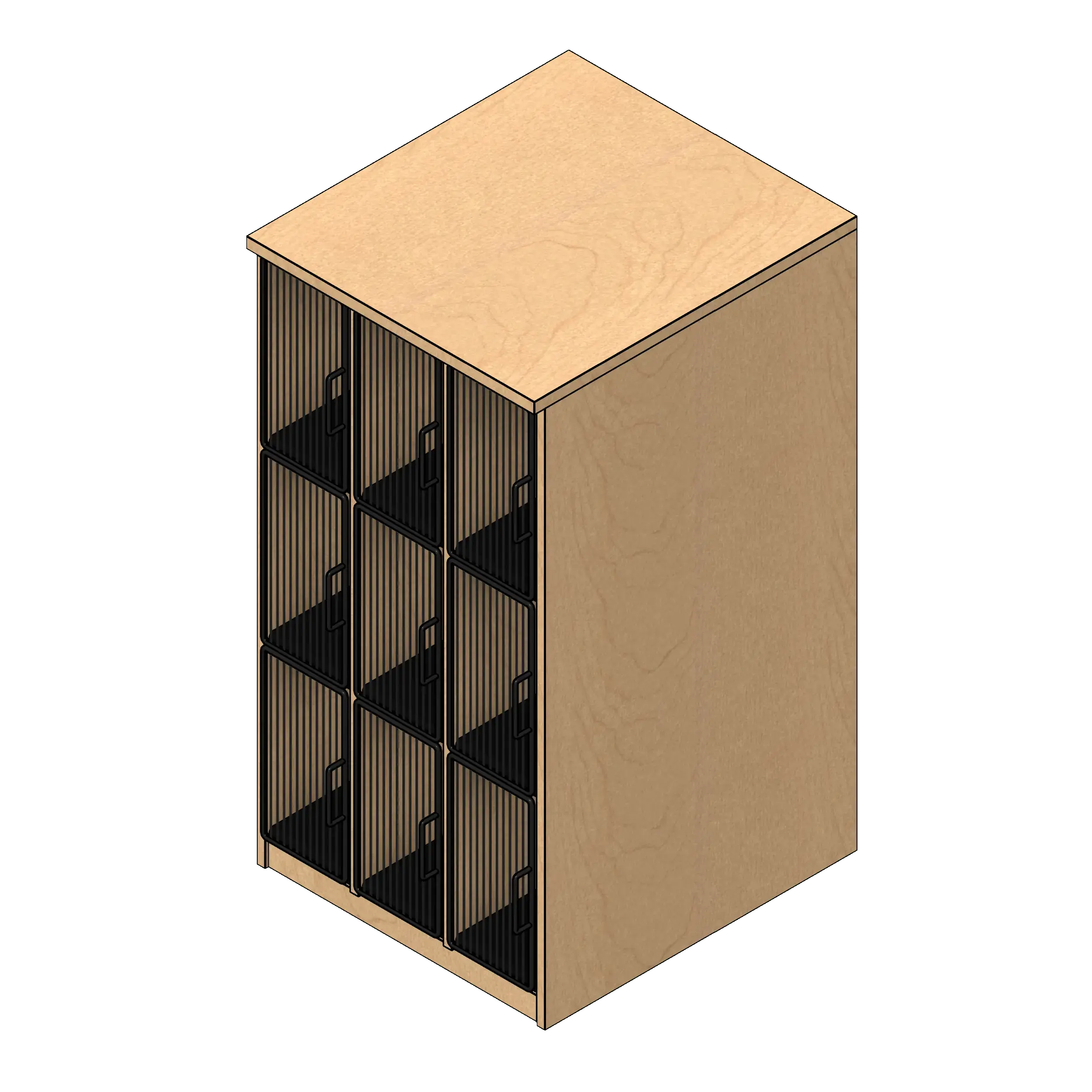
Music Storage Cabinets
Cabinets for instruments, sheet music, and audio gear. Vertical slots, drawers, or shelves support music rooms, studios, and schools.
Explore Music Storage Cabinets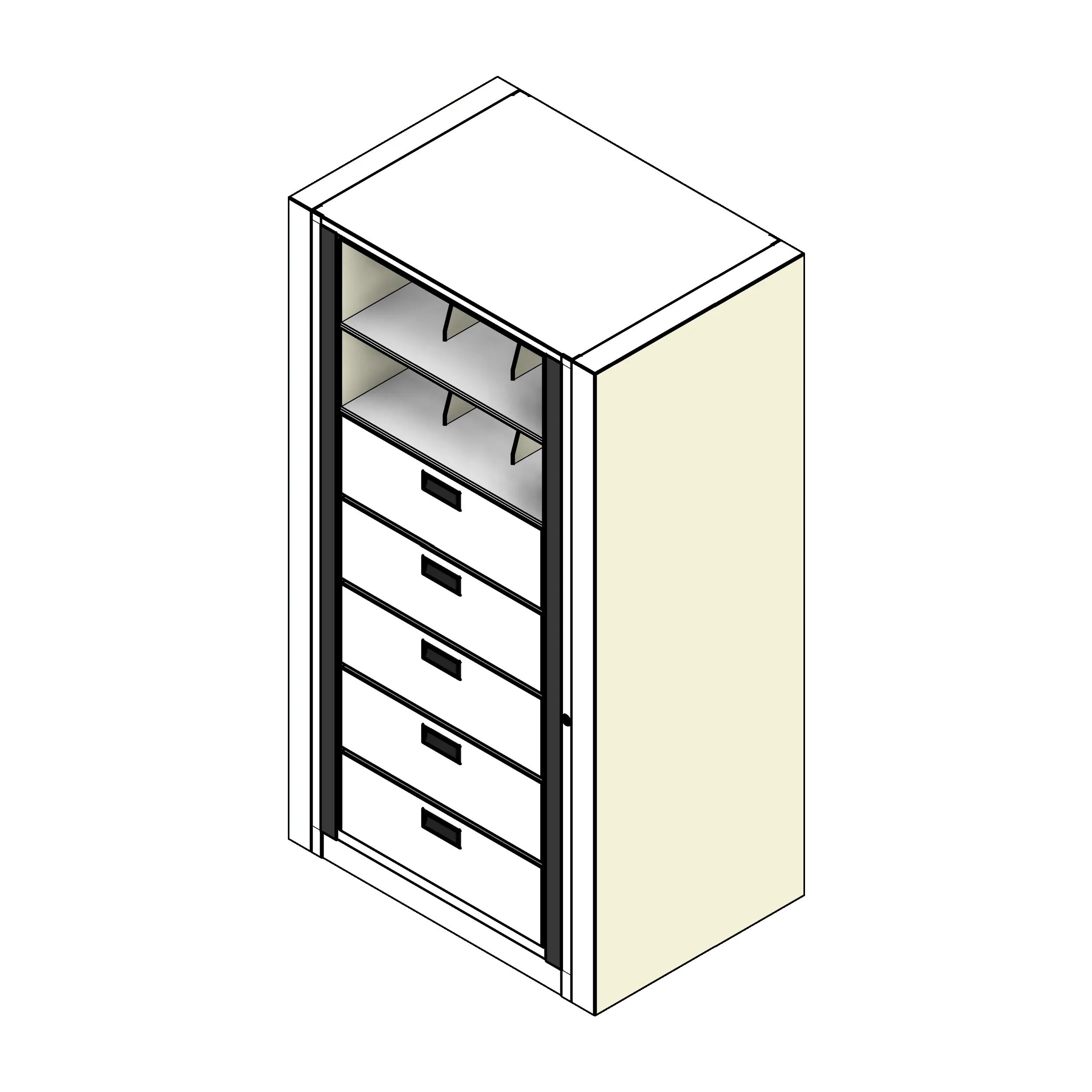
Rotating Cabinets
Rotating double-sided cabinets save space and increase capacity. Store files, binders, or supplies in a secure and compact footprint.
Explore Rotating Cabinets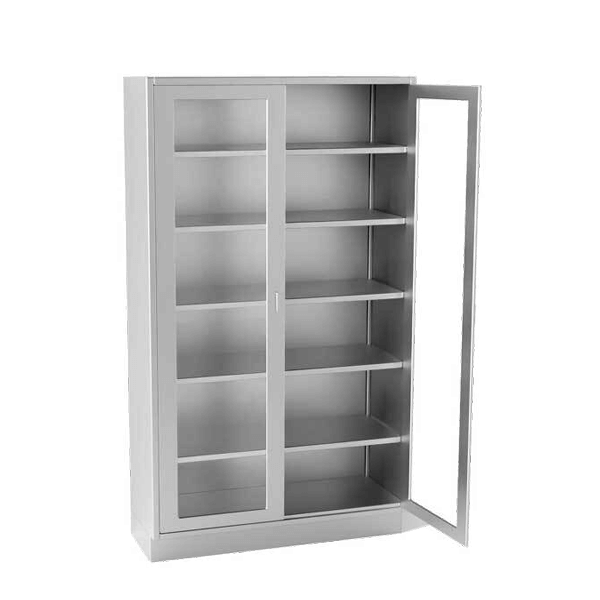
Stainless Steel Cabinets
Durable stainless steel cabinets are ideal for healthcare, laboratory, and industrial use, with hygienic, modular construction built for long-term performance.
Explore Stainless Steel Cabinets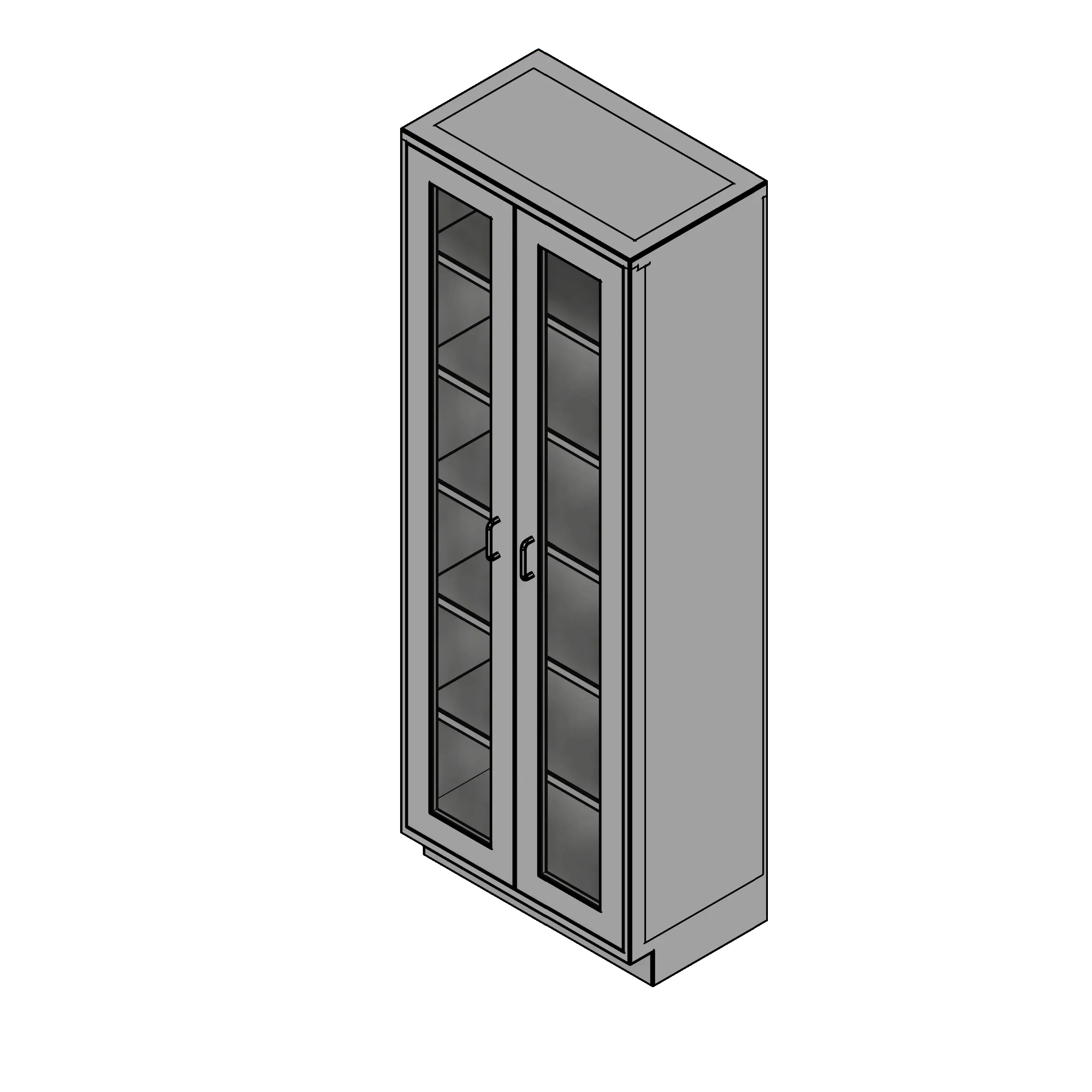
Storage Cabinets
Enclosed shelves for supplies, uniforms, or records. Choose from metal, laminate, or wood options for any room or back-of-house area.
Explore Storage CabinetsPlan Herbarium Storage Around Your Collection
Share your sheet and folder dimensions, collection organization needs, enclosure types, and room layout with our team. We will help you identify the right herbarium cabinet configuration for your project.
Request a quote or consultation to compare storage cabinets and dedicated drying equipment for your facility’s needs.
Call us at (800) 803-1083 or Contact Us to schedule your free consultation today.
Request a Herbarium Cabinet Quote