Data Center Cages for Secure Server and Colocation Areas
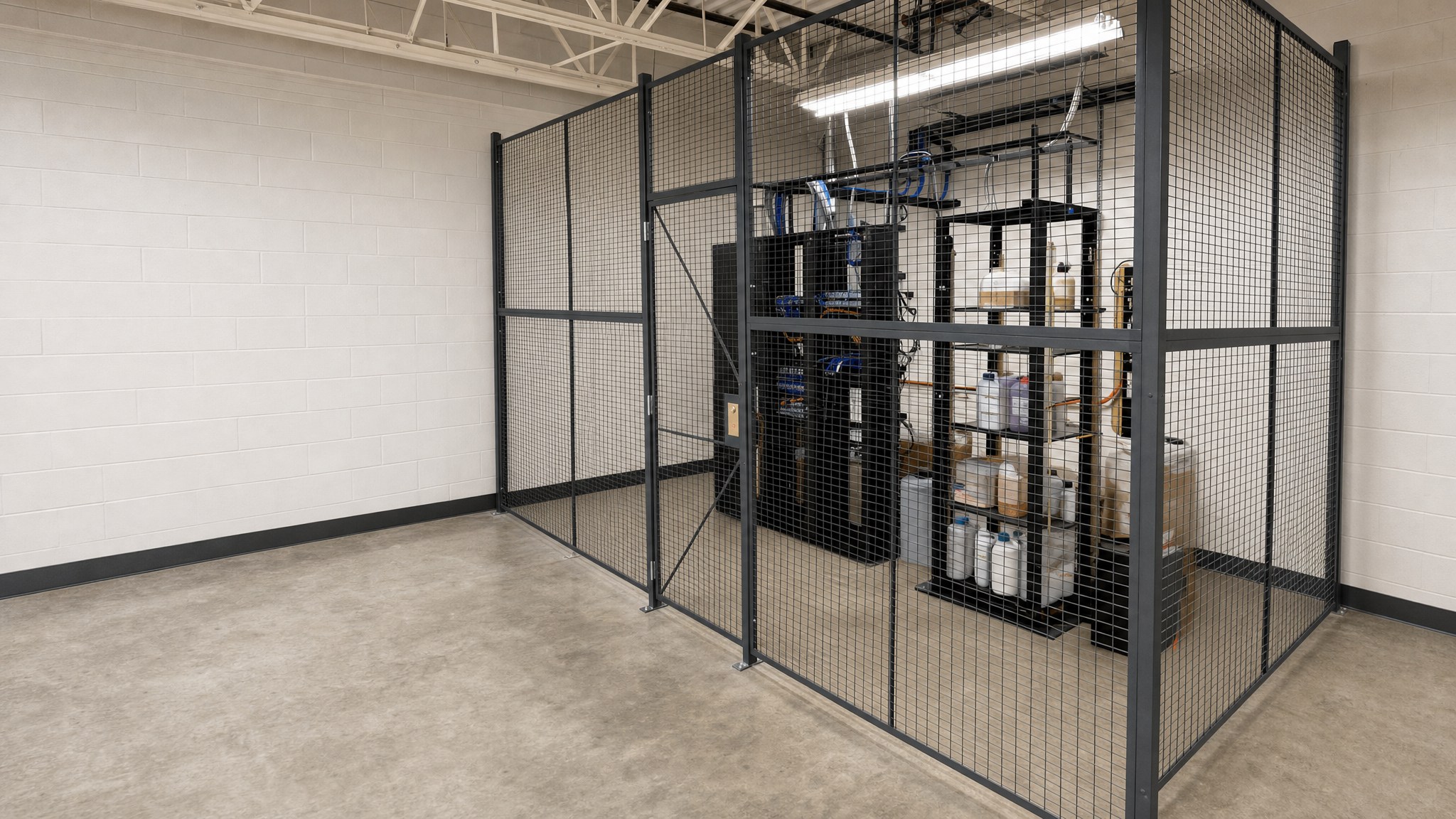
Data center cages use modular wire mesh panels to create secure, visible boundaries around servers, networking equipment, and tenant spaces. These enclosures help facility teams control entry, preserve air circulation through the mesh, and plan project-specific layouts for colocation or dedicated server areas.
What Are Data Center Cages?
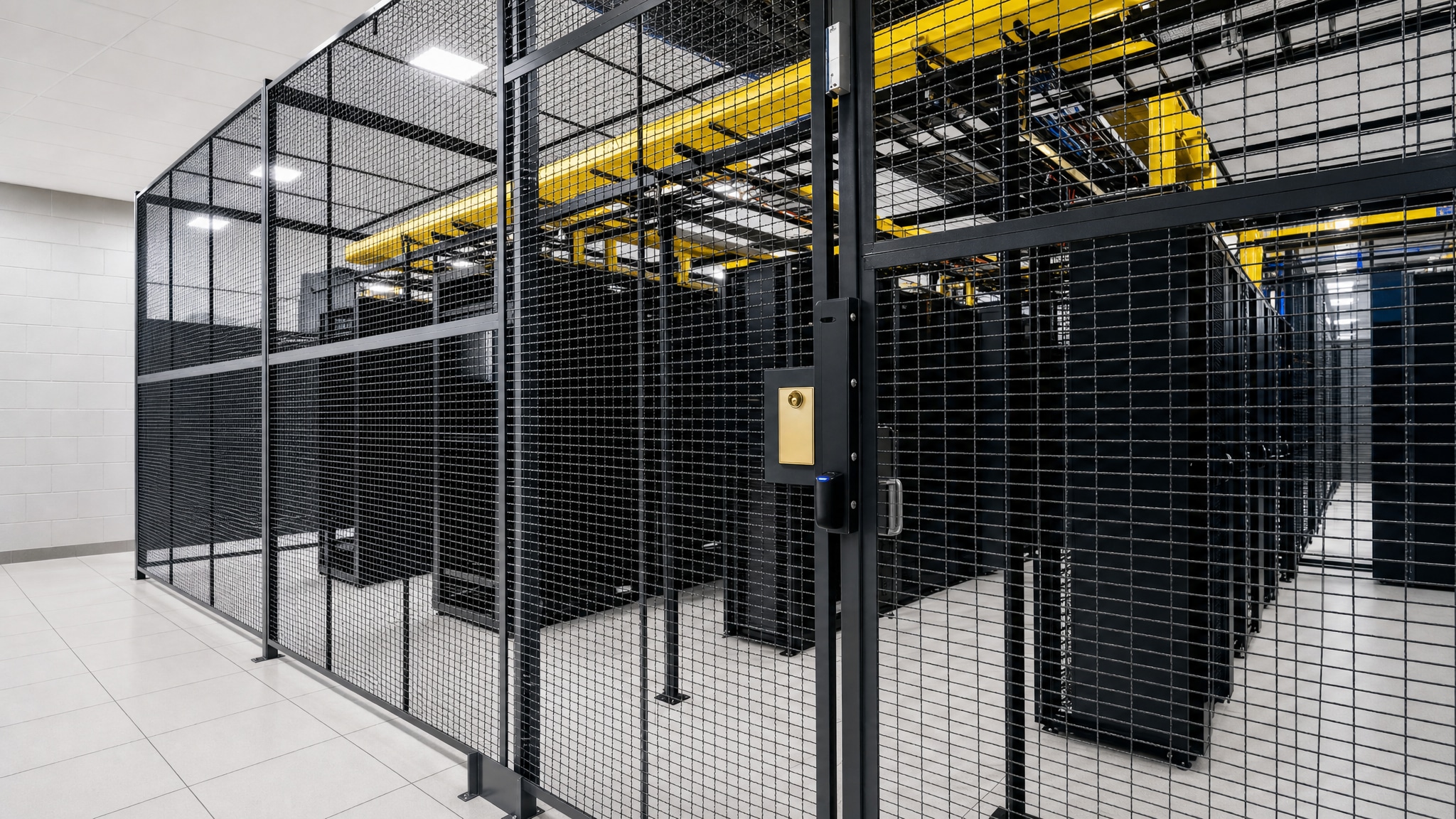
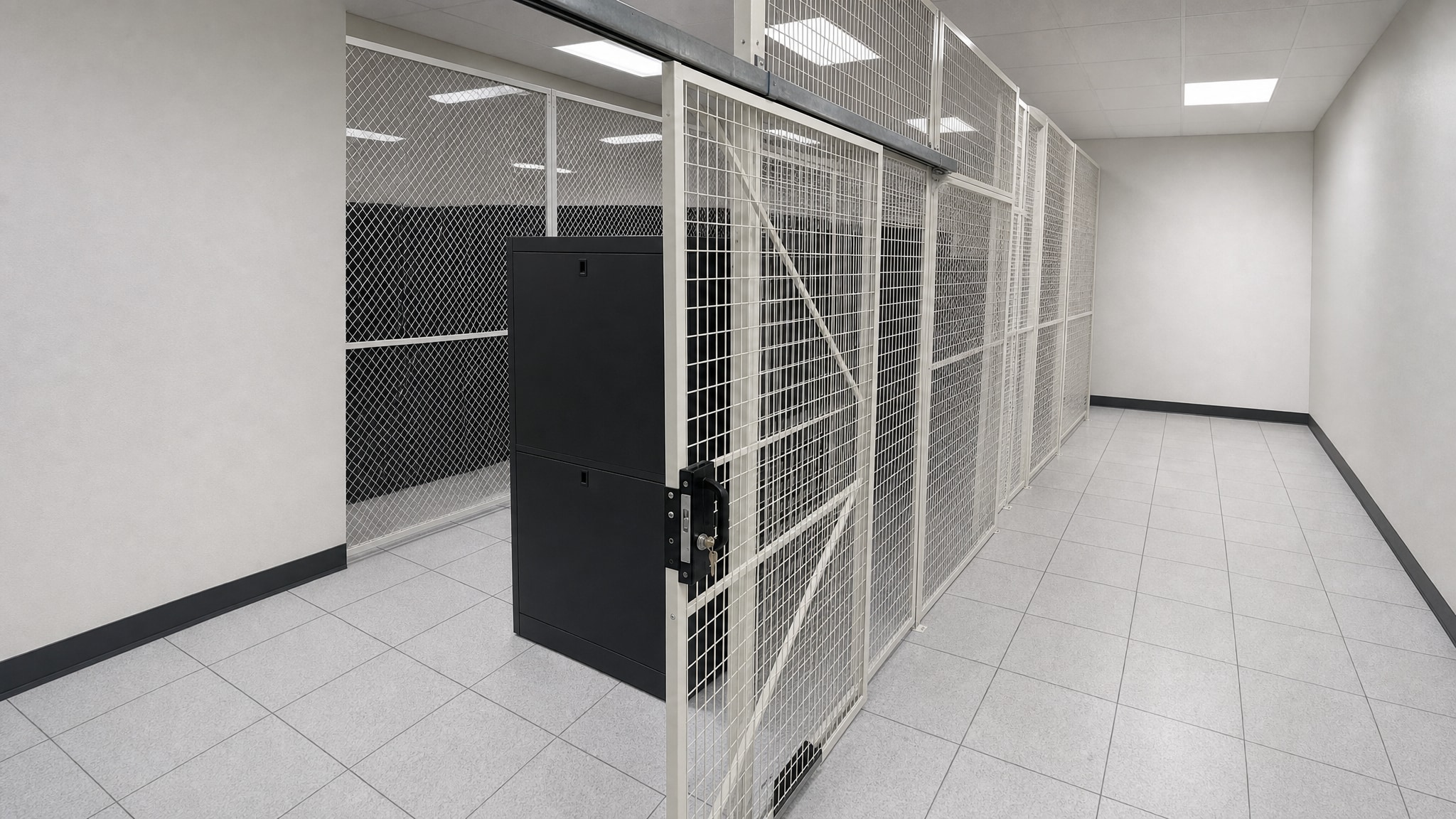
Data center cages are modular wire mesh enclosures that create physical boundaries around servers, networking equipment, and other critical IT infrastructure within data centers and hosting facilities. They provide dedicated spaces for specific organizations or tenants, support controlled entry, and keep equipment visible without blocking air movement through the enclosure.
Planning Cage Size, Layout, and Equipment Access
Each data center cage system is designed around the facility layout, equipment footprint, and access needs. Modular mesh panels can be configured for different rack groups, tenant boundaries, side-by-side server storage, and future changes as equipment requirements evolve.
- Rack count, cabinet depth, and equipment areas that need to be enclosed.
- Door type, aisle width, and service clearances for personnel and equipment movement.
- Ceiling height, columns, fire-system access, and other site conditions that affect the final cage design.
Panel Materials, Doors, and Access Hardware
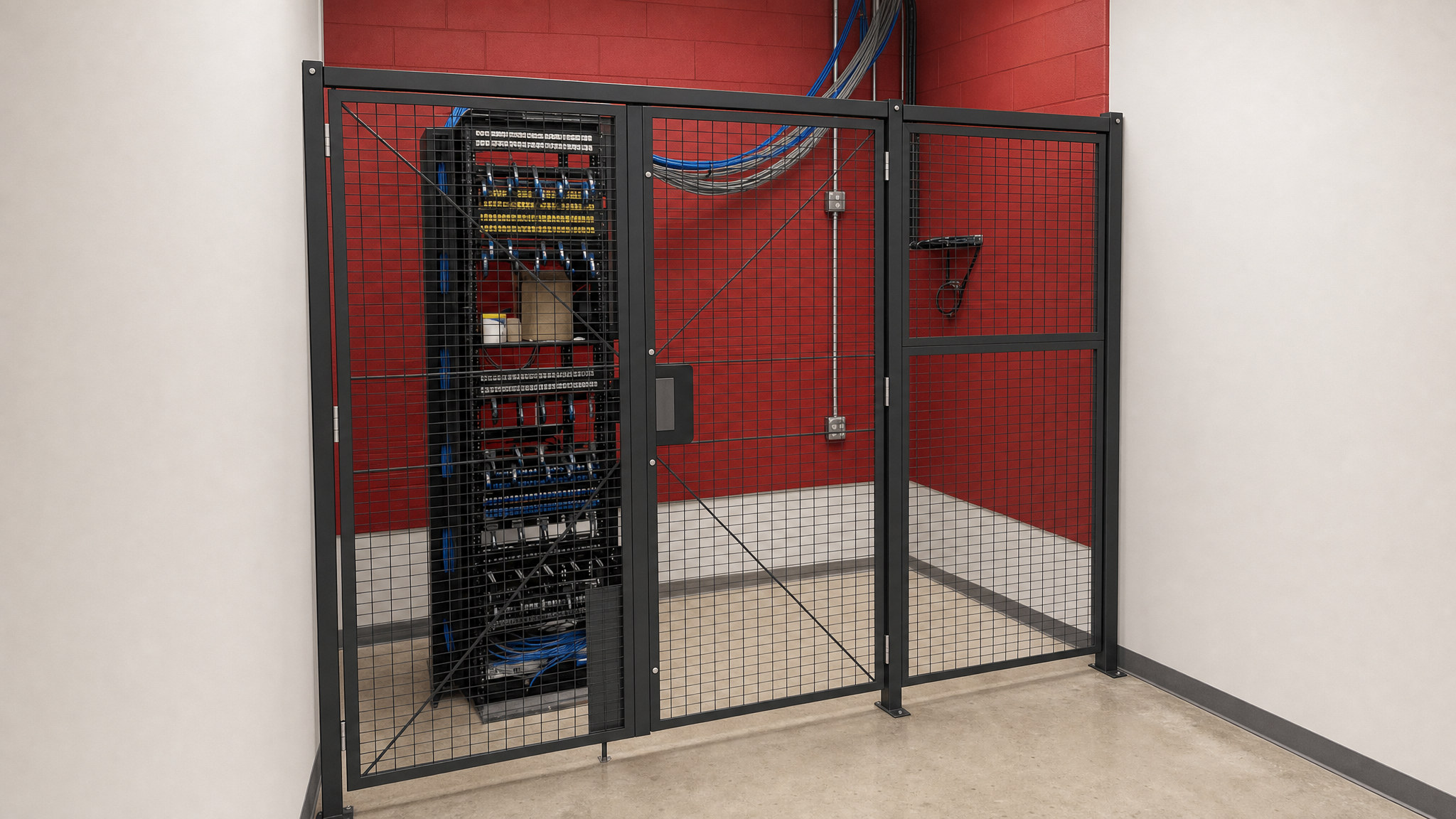
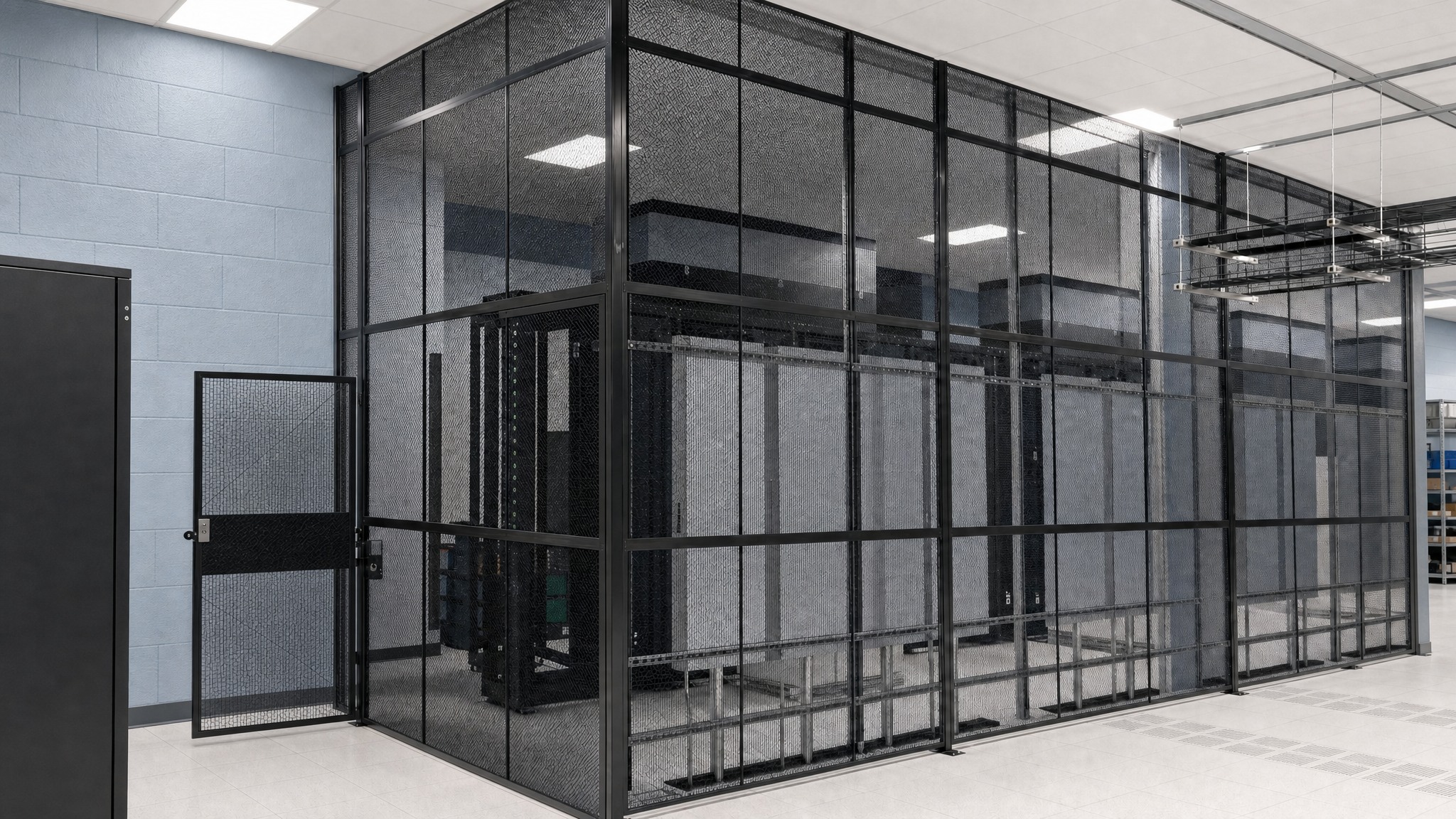
Data center cage fencing systems use durable steel mesh panels that allow visibility and air circulation while creating a secure enclosure. Hardware is located on the inside of the cage to help reduce tampering. Door options include hinged, double-hinged, sliding, and vertical-rise styles. Lock and access hardware can include keyed locks, electronic access control systems, keypad locks, card readers, fingerprint scanners, self-closing doors, emergency exit push bars, and custom lock solutions, depending on site requirements.
View Server Cage BrochureWhere Data Center Cage Fencing Fits in the Facility
Data center cages are used to create enclosed areas within larger data centers, colocation facilities, and hosting environments. They help separate tenant equipment, define restricted maintenance zones, and organize server racks while keeping equipment visible for inspection and facility oversight.
Planning, Installation, and Quote Considerations
Southwest Solutions Group provides design and installation services for data center and colocation cages. Before requesting a quote, buyers should prepare rack count, cage location, preferred door locations, and access-control needs. Modular panels are cut to size before shipping, supporting a clean installation with no cutting or grinding required on site.
Facility teams should review cooling, fire-system access, maintenance clearances, and future expansion needs before finalizing the cage layout.
- Current or proposed floor plan showing racks, aisles, columns, and equipment boundaries.
- Door locations, lock preferences, and authorized-entry requirements.
- Site review points for airflow, fire-system access, maintenance paths, and future cage changes.
Colocation Tenant Equipment Cages

Colocation cages define tenant-specific equipment areas within shared data center environments. Modular mesh panels and dedicated access hardware separate each organization’s servers and networking equipment while allowing facility teams to maintain visibility and controlled entry.
- Plan cage boundaries around leased space, rack rows, and service aisles.
- Coordinate the access method with tenant authorization requirements.
- Reconfigure modular cage runs as occupancy or equipment needs change.


Planning Your Data Center Cage System
Use these planning decisions to define the enclosure before requesting a quote. Final layout, door placement, access hardware, and facility coordination should be reviewed for the specific site.
| Planning Decision | Why It Matters | What to Confirm |
|---|---|---|
| Cage Footprint | Facilities defining the physical boundary around racks, tenant equipment, or restricted infrastructure. | Confirm rack count, equipment footprint, aisle space, and future expansion before setting the panel layout. |
| Panel Material | Projects that need secure separation while preserving visibility and air movement through the enclosure. | Select mesh or partition materials based on security needs, facility visibility, and site review requirements. |
| Door Opening | Server cage layouts where personnel access, equipment movement, and aisle clearance must be coordinated. | Choose hinged, double-hinged, sliding, or vertical-rise doors based on available clearance and service paths. |
| Access Hardware | Data center teams that need to restrict cage entry to authorized personnel. | Match locks, electronic access controls, or custom hardware to the facility’s authorization process. |
| Facility Coordination | Operating data centers where cage installation must account for cooling, fire-system access, and maintenance review. | Confirm site constraints before installation so panel runs and door locations fit the active facility. |
Southwest Solutions Near You
With 7 offices in Texas, Oklahoma, Kansas and Colorado, plus teams covering every major metro area nationwide, Southwest Solutions Group delivers expert data center cages sales, design, installation, and maintenance support wherever you need it.
Data Center Cages Service Areas
Texas
- Dallas
- Austin
- Houston
- San Antonio
- Waco
- Tyler
- Amarillo
- Lubbock
- El Paso
- Ft Worth
- Corpus Christi
- Midland
Oklahoma
- Oklahoma City
- Tulsa
- Norman
- Lawton
- Enid
- Stillwater
- McAlester
- Muskogee
- Guymon
Kansas
- Wichita
- Overland Park
- Topeka
- Kansas City
- Lawrence
- Manhattan
- Salina
- Hays
- Dodge City
- Garden City
Colorado
- Denver
- Colorado Springs
- Fort Collins
- Grand Junction
- Pueblo
- Durango
- Alamosa
- Steamboat Springs
- Greeley
Alabama
- Huntsville
- Birmingham
- Montgomery
- Mobile
- Tuscaloosa
- Hoover
- Dothan
- Decatur
Alaska
- Anchorage
- Fairbanks
- Juneau
- Sitka
- Ketchikan
- Kodiak
- Bethel
- Nome
Arizona
- Phoenix
- Tucson
- Flagstaff
- Yuma
- Prescott
- Lake Havasu City
- Sierra Vista
- Kingman
Arkansas
- Little Rock
- Fayetteville
- Fort Smith
- Jonesboro
- Hot Springs
- Pine Bluff
- Texarkana
- Bentonville
- Arkadelphia
California
- Los Angeles
- San Diego
- San Francisco
- Sacramento
- Fresno
- Redding
- Bakersfield
- San Bernardino
- San Jose
Connecticut
- Hartford
- New Haven
- Stamford
- Bridgeport
Delaware
- Wilmington
- Dover
- Newark
- Rehoboth Beach
Florida
- Jacksonville
- Tallahassee
- Orlando
- Tampa
- Miami
- West Palm Beach
- Fort Myers
- Pensacola
Georgia
- Atlanta
- Savannah
- Augusta
- Columbus
- Macon
- Athens
- Valdosta
- Gainesville
- Albany
Hawaii
- Honolulu
- Hilo
- Kahului
- Kailua-Kona
- Lihue
Idaho
- Boise
- Coeur d'Alene
- Twin Falls
- Idaho Falls
- Pocatello
- Lewiston
- McCall
- Sandpoint
- Moscow
Illinois
- Chicago
- Springfield
- Rockford
- Peoria
- Champaign
- Bloomington
- Carbondale
- Moline
- Quincy
Indiana
- Indianapolis
- Fort Wayne
- South Bend
- Evansville
- Lafayette
- Bloomington
- Terre Haute
- Gary
- Muncie
Iowa
- Des Moines
- Cedar Rapids
- Davenport
- Sioux City
- Iowa City
- Waterloo
- Council Bluffs
- Ames
- Mason City
Kentucky
- Louisville
- Lexington
- Bowling Green
- Owensboro
- Covington
- Paducah
- Ashland
- Richmond
- Frankfort
- Pikeville
- Florence
Louisiana
- New Orleans
- Baton Rouge
- Shreveport
- Lafayette
- Lake Charles
- Monroe
- Alexandria
- Houma
Maine
- Portland
- Bangor
- Augusta
- Lewiston
- Waterville
- Presque Isle
- Bar Harbor
- Biddeford
- Rockland
Maryland
- Baltimore
- Annapolis
- Frederick
- Hagerstown
- Salisbury
Massachusetts
- Boston
- Worcester
- Springfield
- Pittsfield
Michigan
- Detroit
- Grand Rapids
- Lansing
- Ann Arbor
- Flint
- Traverse City
- Marquette
- Kalamazoo
- Saginaw
Minnesota
- Minneapolis
- St. Paul
- Duluth
- Rochester
- Mankato
- St. Cloud
- Bemidji
- Moorhead
Mississippi
- Jackson
- Gulfport
- Hattiesburg
- Biloxi
- Southaven
- Meridian
- Tupelo
- Natchez
- Greenville
- Oxford
Missouri
- Jefferson City
- St. Louis
- Kansas City
- Springfield
- Columbia
- Joplin
- Cape Girardeau
- St. Joseph
- Rolla
Montana
- Helena
- Billings
- Missoula
- Great Falls
- Bozeman
- Kalispell
- Havre
- Miles City
Nebraska
- Lincoln
- Omaha
- Grand Island
- Kearney
- Scottsbluff
- Norfolk
- North Platte
- Fremont
- South Sioux City
Nevada
- Las Vegas
- Reno
- Carson City
- Elko
- Pahrump
- Henderson
- Winnemucca
- Mesquite
- Fallon
New Hampshire
- Concord
- Manchester
- Portsmouth
- Keene
- Nashua
New Jersey
- Newark
- Jersey City
- Trenton
- Atlantic City
New Mexico
- Santa Fe
- Albuquerque
- Las Cruces
- Roswell
- Farmington
- Gallup
- Carlsbad
- Clovis
New York
- Albany
- New York City
- Buffalo
- Rochester
- Syracuse
- Binghamton
- Ithaca
- Plattsburgh
North Carolina
- Raleigh
- Charlotte
- Greensboro
- Asheville
- Wilmington
- Fayetteville
- Boone
- Greenville
North Dakota
- Bismarck
- Fargo
- Grand Forks
- Minot
- Dickinson
- Williston
- Jamestown
- Devils Lake
Ohio
- Columbus
- Cleveland
- Cincinnati
- Toledo
- Dayton
- Akron
- Youngstown
- Athens
Oregon
- Portland
- Salem
- Eugene
- Hermiston
- Baker City
- Medford
- Bend
- Klamath Falls
Pennsylvania
- Harrisburg
- Philadelphia
- Pittsburgh
- Erie
- Scranton
- State College
- Allentown
- Williamsport
Rhode Island
- Providence
- Warwick
- Newport
- Woonsocket
South Carolina
- Columbia
- Charleston
- Greenville
- Myrtle Beach
- Hilton Head Island
- Spartanburg
- Florence
- Rock Hill
South Dakota
- Pierre
- Sioux Falls
- Rapid City
- Aberdeen
- Watertown
- Brookings
- Mitchell
- Yankton
Tennessee
- Memphis
- Jackson
- Nashville
- Clarksville
- Cookeville
- Chattanooga
- Knoxville
- Johnson City
Utah
- Salt Lake City
- Ogden
- Logan
- Provo
- St. George
- Cedar City
- Moab
- Vernal
Vermont
- Montpelier
- Burlington
- Rutland
- Brattleboro
Virginia
- Richmond
- Norfolk
- Virginia Beach
- Roanoke
- Lynchburg
- Harrisonburg
- Fredericksburg
- Bristol
Washington
- Olympia
- Seattle
- Spokane
- Yakima
- Bellingham
- Wenatchee
- Kennewick
- Vancouver
West Virginia
- Charleston
- Huntington
- Morgantown
- Wheeling
- Parkersburg
- Beckley
- Martinsburg
- Bluefield
Wisconsin
- Madison
- Milwaukee
- Green Bay
- Eau Claire
- La Crosse
- Wausau
- Appleton
- Superior
Wyoming
- Cheyenne
- Casper
- Laramie
- Gillette
- Sheridan
- Rock Springs
- Jackson
- Cody
District of Columbia
- Washington D.C.
Frequently Asked Questions
Data center cages create secure, visible boundaries around servers, networking equipment, and tenant spaces in data centers or hosting environments. They help control access, organize equipment, and define tenant or restricted areas while preserving visibility and air movement through the mesh.
Wire mesh and steel mesh panels are commonly used for data center cages. These panels provide visibility, allow air circulation through the enclosure, and support facility review of cooling and fire-system access. Material and panel selection can be tailored to project needs during planning.
Colocation cages are a specific use of data center cages, configured to provide dedicated equipment areas for individual tenants within a shared facility. Both use modular enclosure systems, but colocation cages focus on tenant boundary definition and controlled entry.
Server cages can be equipped with hinged, double-hinged, sliding, or vertical-rise doors. Access hardware options can include keyed locks, keypad locks, card readers, fingerprint scanners, self-closing doors, emergency exit push bars, and custom lock solutions.
No. Mesh enclosures allow visibility and air movement, but cooling performance, fire-system access, code requirements, and compliance documentation must be evaluated for each site.
Buyers should provide rack count, cage location, preferred door and access hardware, facility constraints, and future expansion needs when requesting a quote. This information helps match the cage design to the specific operational and site requirements.
Explore More Specialty Products
Case and Tote Conveyors
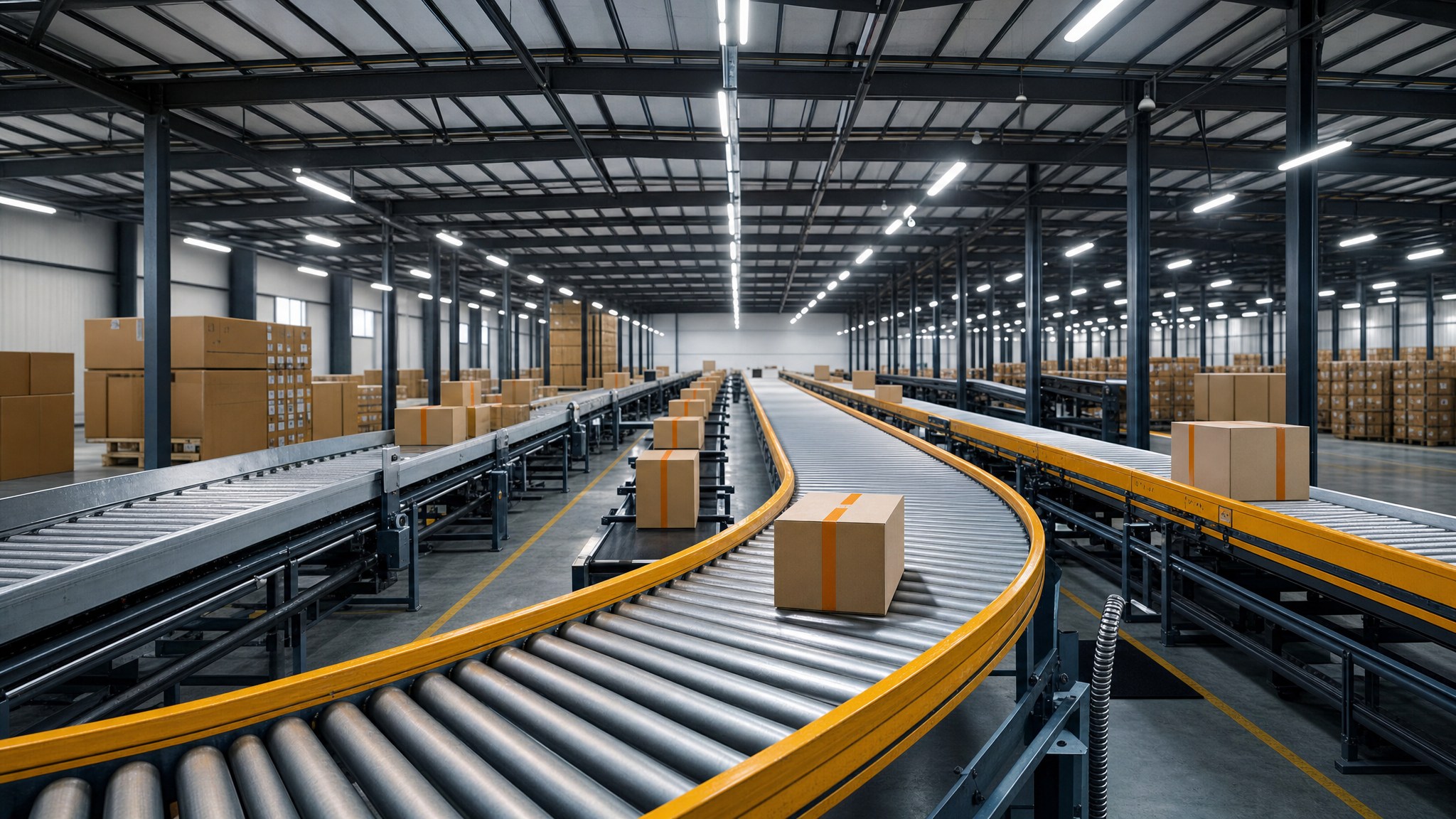
Case and tote conveyors move cartons and reusable totes between work areas, reducing manual handling while supporting controlled staging, transfers, and routing throughout a facility.
Explore Case and Tote Conveyors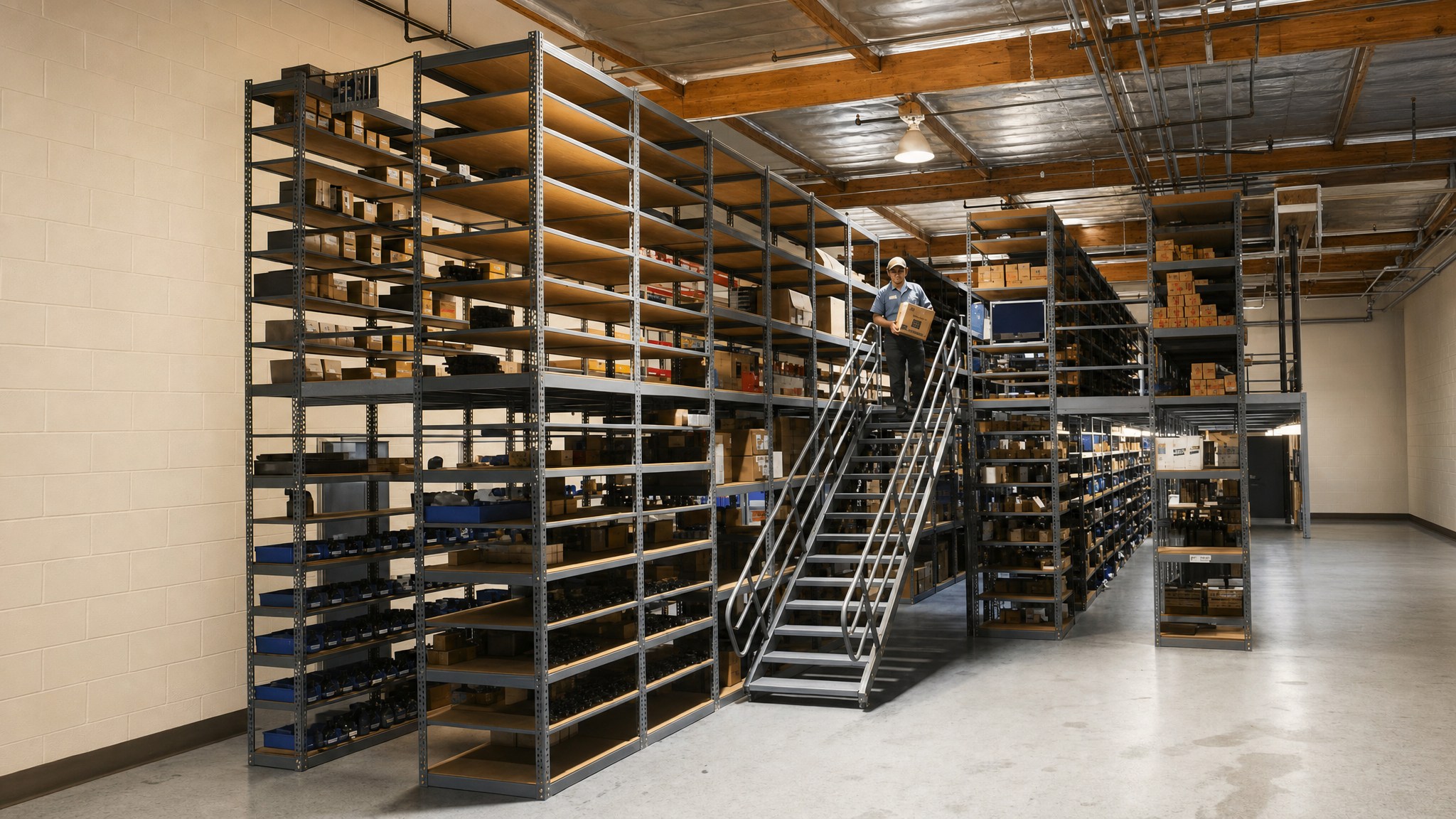
Catwalk Racking Systems
Catwalk racking systems maximize vertical storage with multi-level shelving, stairs, and aisles, providing organized manual access where floor space is limited in warehouses.
Explore Catwalk Racking Systems
Dumbwaiter
Compact goods-only lift for vertical transfer of supplies, food, documents, and small materials between floors in commercial and residential buildings.
Explore Dumbwaiter
Flat File Dolly
A flat file dolly provides a durable rolling base to safely move compatible flat-file cabinets, enhancing mobility for large artwork, maps, and documents.
Explore Flat File Dolly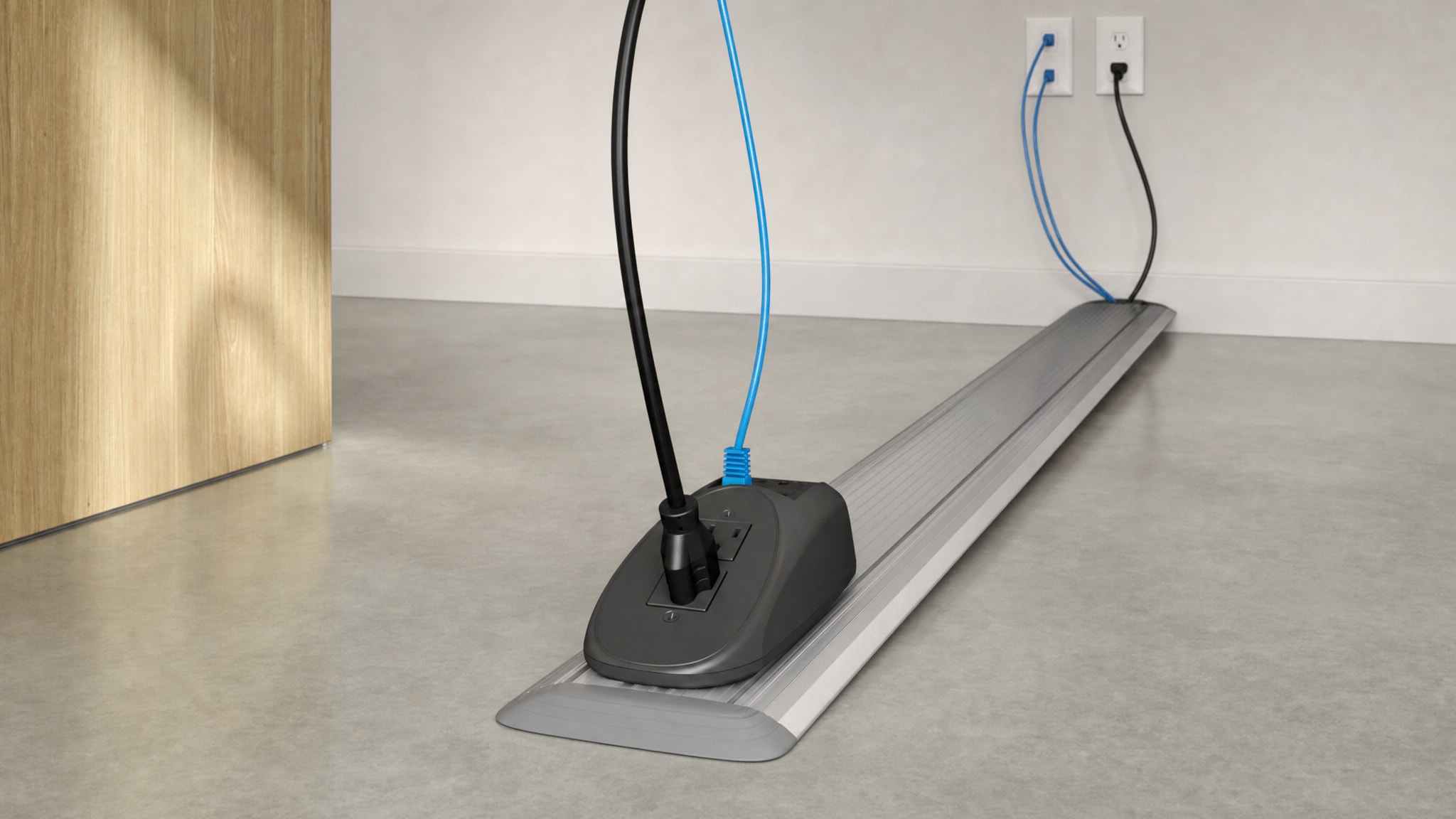
Floor Cable Raceways
Floor cable raceways deliver organized power and data routing across floors, ideal for flexible layouts in offices, conference rooms, and public spaces.
Explore Floor Cable Raceways
Freight Elevator
Freight elevators provide a dedicated vertical route for moving equipment, supplies, and materials between floors, streamlining goods transport in commercial and industrial facilities.
Explore Freight Elevator
Vertical Reciprocating Conveyor
Safely move materials between floors with a vertical reciprocating conveyor. Handles loads from boxes to pallets up to 30,000 lbs, customizable for facility layouts.
Explore Vertical Reciprocating Conveyor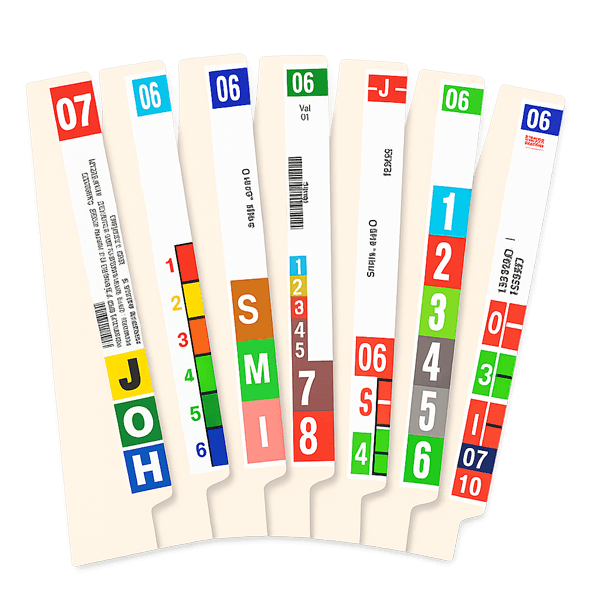
Automated Labeling Systems
Print barcode and RFID labels for files, products, or shipments. Fast, accurate systems that cut manual steps and reduce labeling errors.
Explore Automated Labeling Systems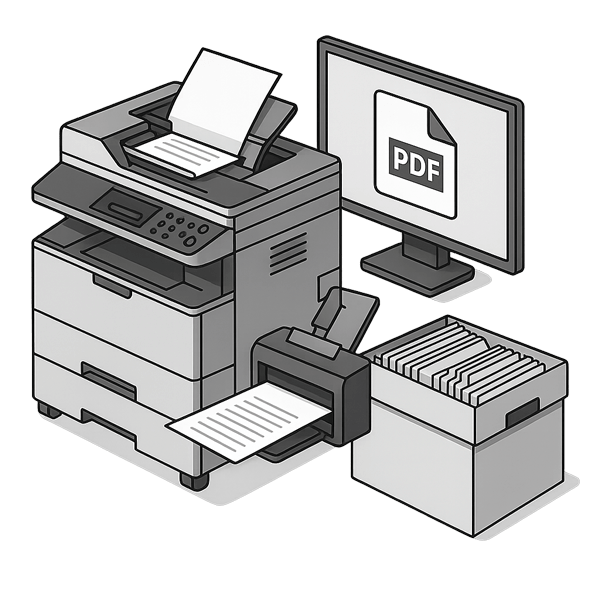
Document Scanning Services
Convert paper records into secure, searchable digital files with professional scanning, indexing, quality checks, and encrypted delivery.
Explore Document Scanning Services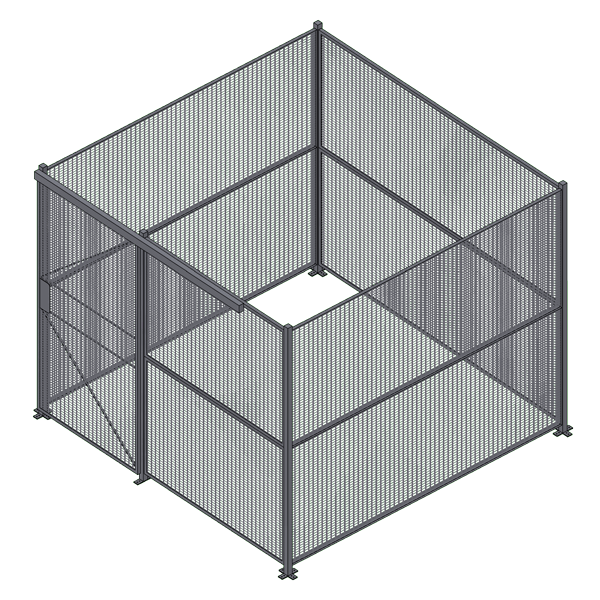
Wire Partition Cages & Lockers
Welded wire enclosures for tools, evidence, or server areas. Modular, secure, and compliant with DEA, IT, and facility safety standards.
Explore Wire Partition Cages & Lockers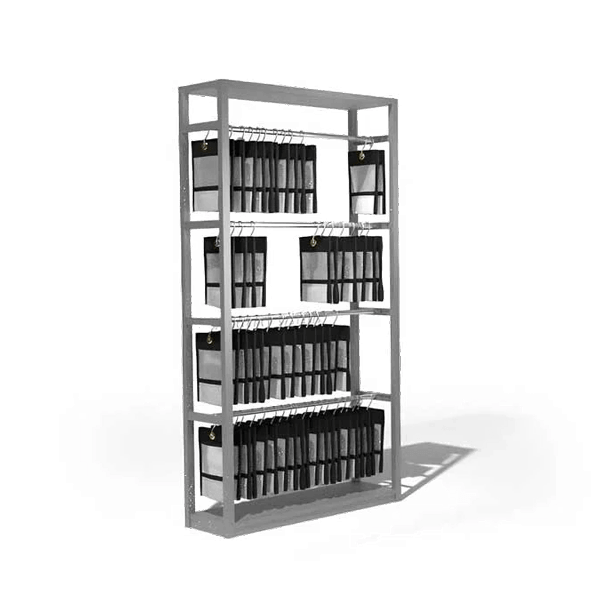
Hanging Gun Bags
Tamper-resistant hanging gun bags provide efficient firearm storage for pistols and rifles. Perfect for evidence handling in police and public safety departments.
Explore Hanging Gun Bags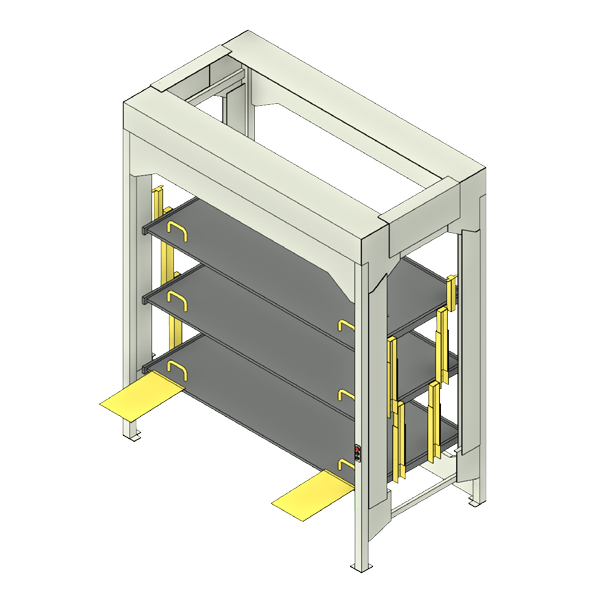
Hospital Bed Lift
Save floor space and reduce hallway clutter by stacking unused hospital beds in a secure vertical lift system for efficient storage and maintenance access.
Explore Hospital Bed Lift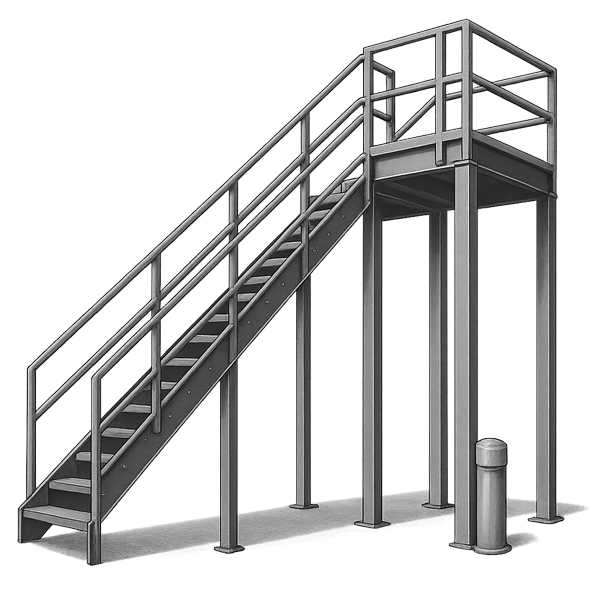
Industrial Stairs
OSHA-compliant industrial stairs and work platforms engineered for safe, modular access to elevated spaces in warehouses, factories, and service facilities.
Explore Industrial Stairs
Inmate Property Bags
Durable inmate property bags with secure zip closures, ID sleeves, and reinforced handles for organized storage on shelves, in bins, or in transport.
Explore Inmate Property Bags
Lab Sterilizers
Safely sanitize mobile devices, lab tools, and office equipment with eco-friendly UVC technology in a sleek, compact cabinet design.
Explore Lab Sterilizers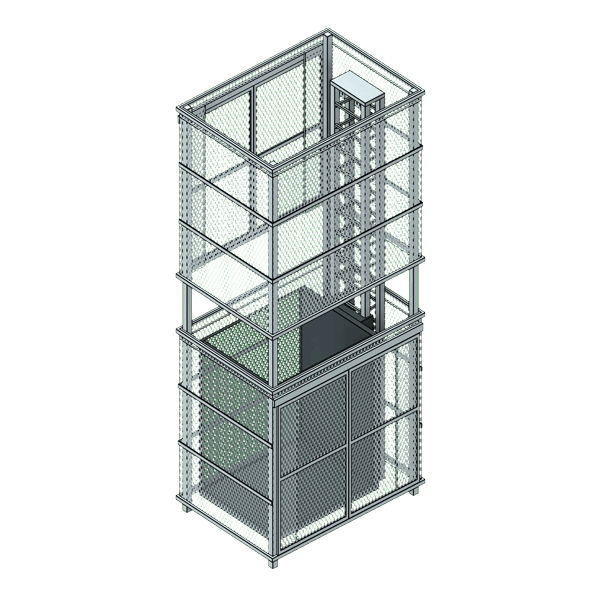
Mezzanine, Material Lifts & Conveyors
Create second-level platforms, move pallets between floors, or automate product flow. Modular and code-compliant systems that scale with you.
Explore Mezzanine, Material Lifts & Conveyors
Raised Access Floor System
Modular raised floors conceal wiring, HVAC, and power underfoot while allowing quick access and easy reconfiguration as your needs change.
Explore Raised Access Floor System
RFID & Barcode Tracking Software
Track inventory, files, or tools with RFID portals and barcode scans. Real-time visibility helps reduce loss and improve efficiency.
Explore RFID & Barcode Tracking Software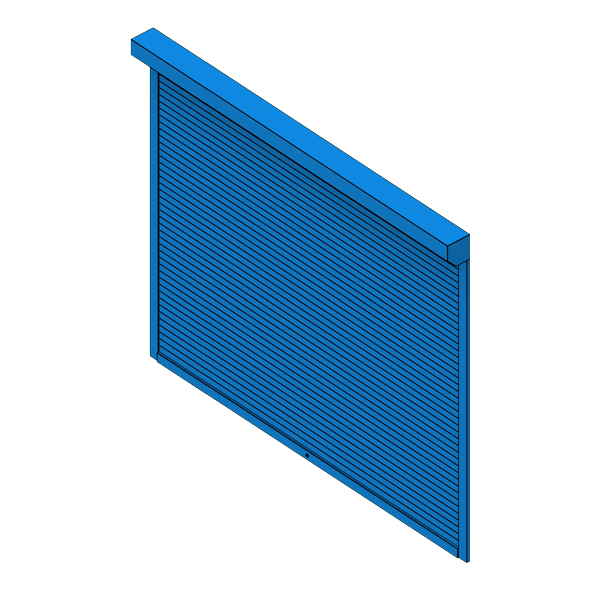
Roll-Down Security Doors
Lockable roll-down shutters for service counters, cabinets, and secure rooms. Available in manual or motorized models with safety features.
Explore Roll-Down Security Doors
Shoe Cover Dispenser
Maintain clean, safe environments with hands-free shoe cover dispensers and durable covers for labs, clinics, cleanrooms, and visitor spaces.
Explore Shoe Cover Dispenser
Solar Canopy
Modular solar canopy systems offering protection and renewable energy for parking, loading docks, and outdoor walkways in commercial facilities.
Explore Solar CanopyPlan Your Data Center Cage Layout
Work with Southwest Solutions Group to review your equipment area, cage boundaries, door openings, and access hardware before finalizing your data center or colocation cage configuration.
Our team can help coordinate installation planning with your facility’s access, maintenance, cooling, and fire-system review needs.
Call us at (800) 803-1083 or Contact Us to schedule your free consultation today.
Request a Quote