Carpet Carousel for Vertical Roll Storage and Material Access
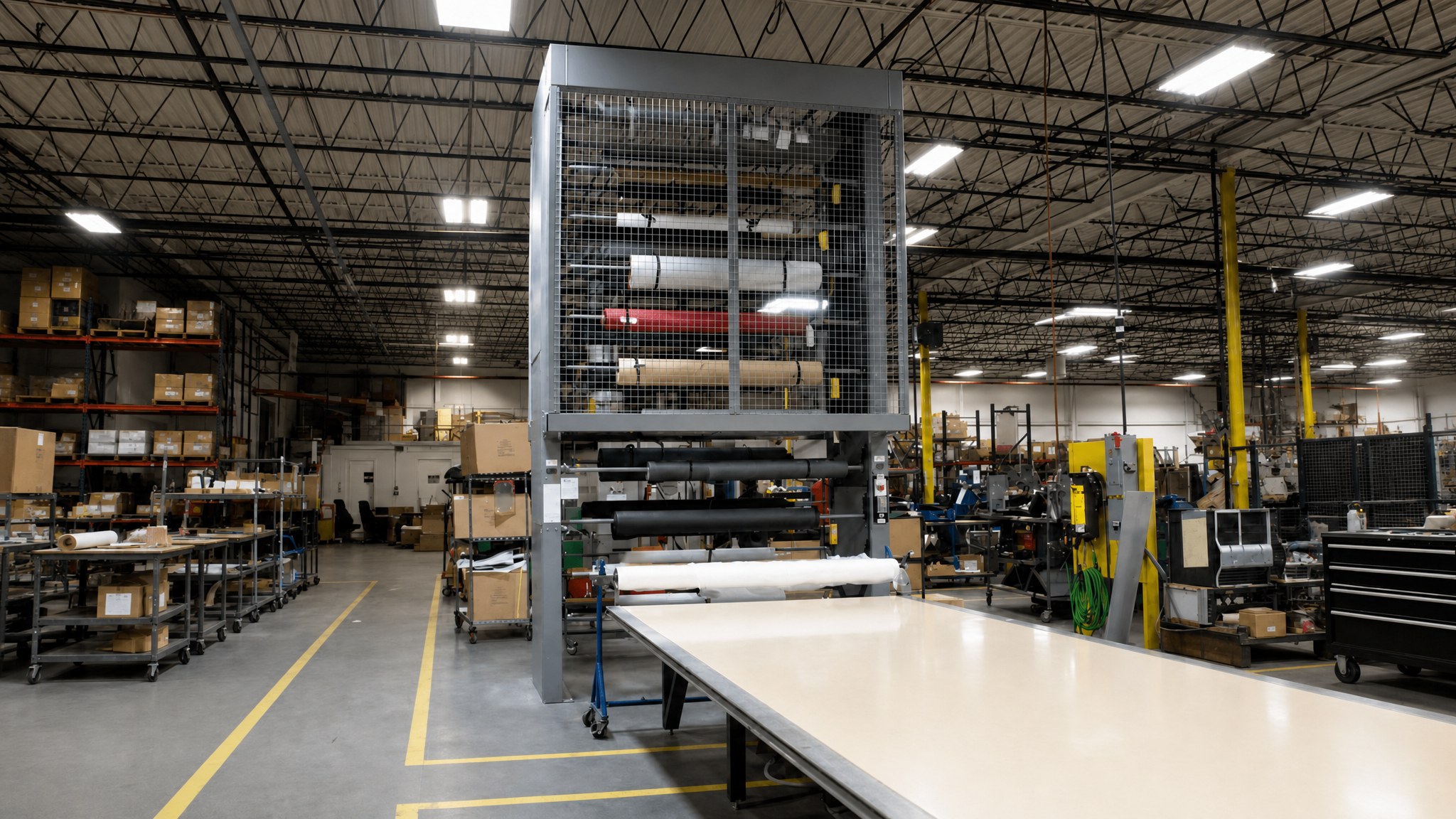
A carpet carousel stores carpet rolls on rotating carriers and presents the selected roll at an operator access point. Southwest Solutions Group helps you plan the configuration around roll size, weight, material, loading method, and facility layout.
What Is a Carpet Carousel?
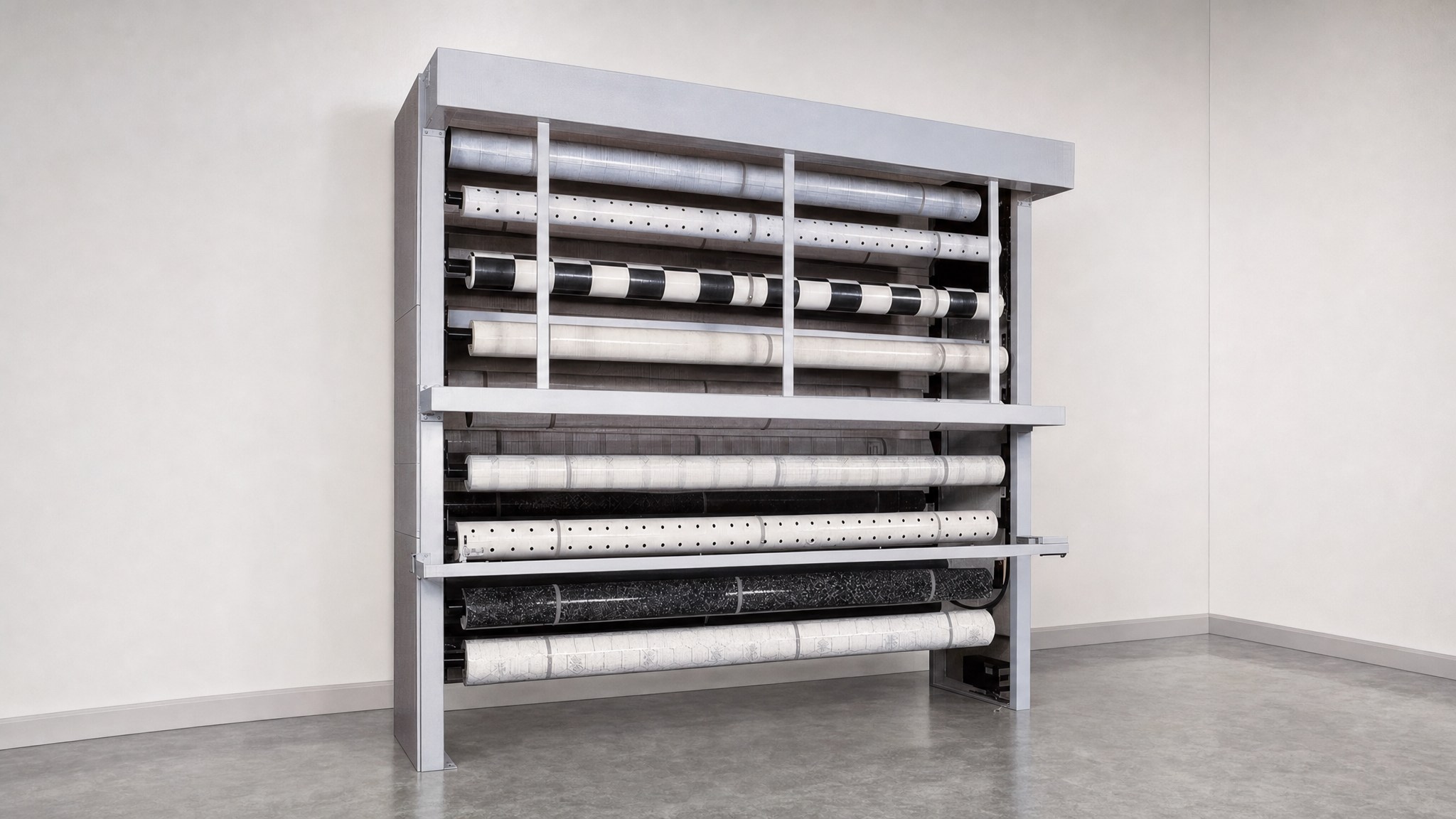
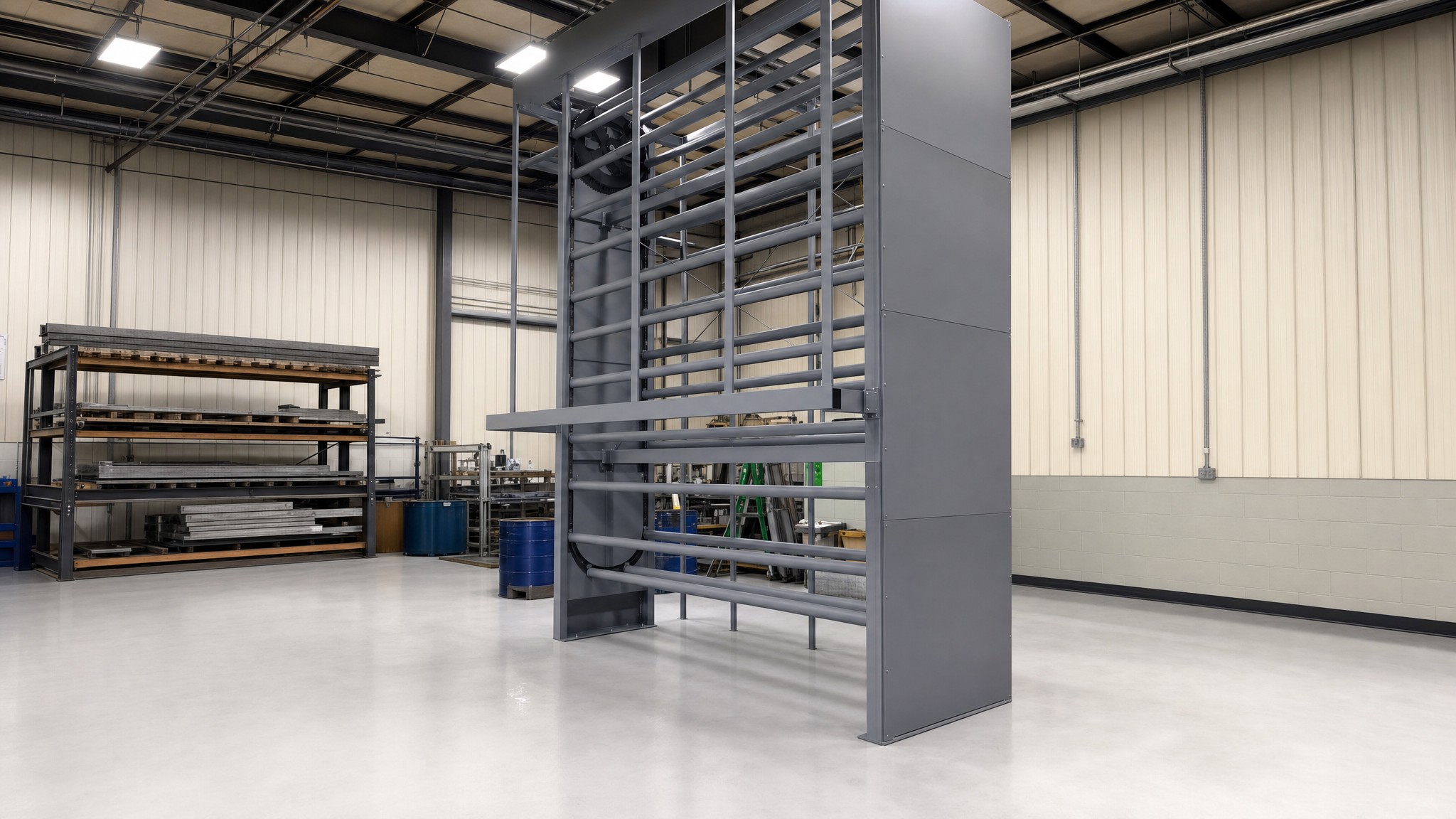
A carpet carousel is vertical roll storage equipment that organizes carpet rolls on rotating carriers. Operators bring the needed roll to a designated access point instead of searching through stacked rolls or fixed rack positions. This approach helps flooring teams manage carpet roll storage, protect inventory from unnecessary handling, and keep rolls easier to identify than with many static carpet storage racks.
Carpet Carousel Sizes, Capacity, and Clearance
Catalog planning data for the roll carousel includes a 10-foot usable length pole as standard, with pole lengths available from 4 to 15 feet. Standard roll capacity is 750 pounds, with up to 1,750 pounds possible under certain conditions. Maximum gross load is 13,000 pounds, including poles, hardware, and product, and facility planning must allow 12 inches of clear space above the carousel height.
- Roll data, including width, diameter, core type, weight, quantity, and material.
- Capacity requirements separated by individual roll, carrier position, and total gross load.
- Facility data, including available height, overhead clearance, footprint, and access aisles.
- Loading method and operator access location for receiving, retrieving, or staging rolls.
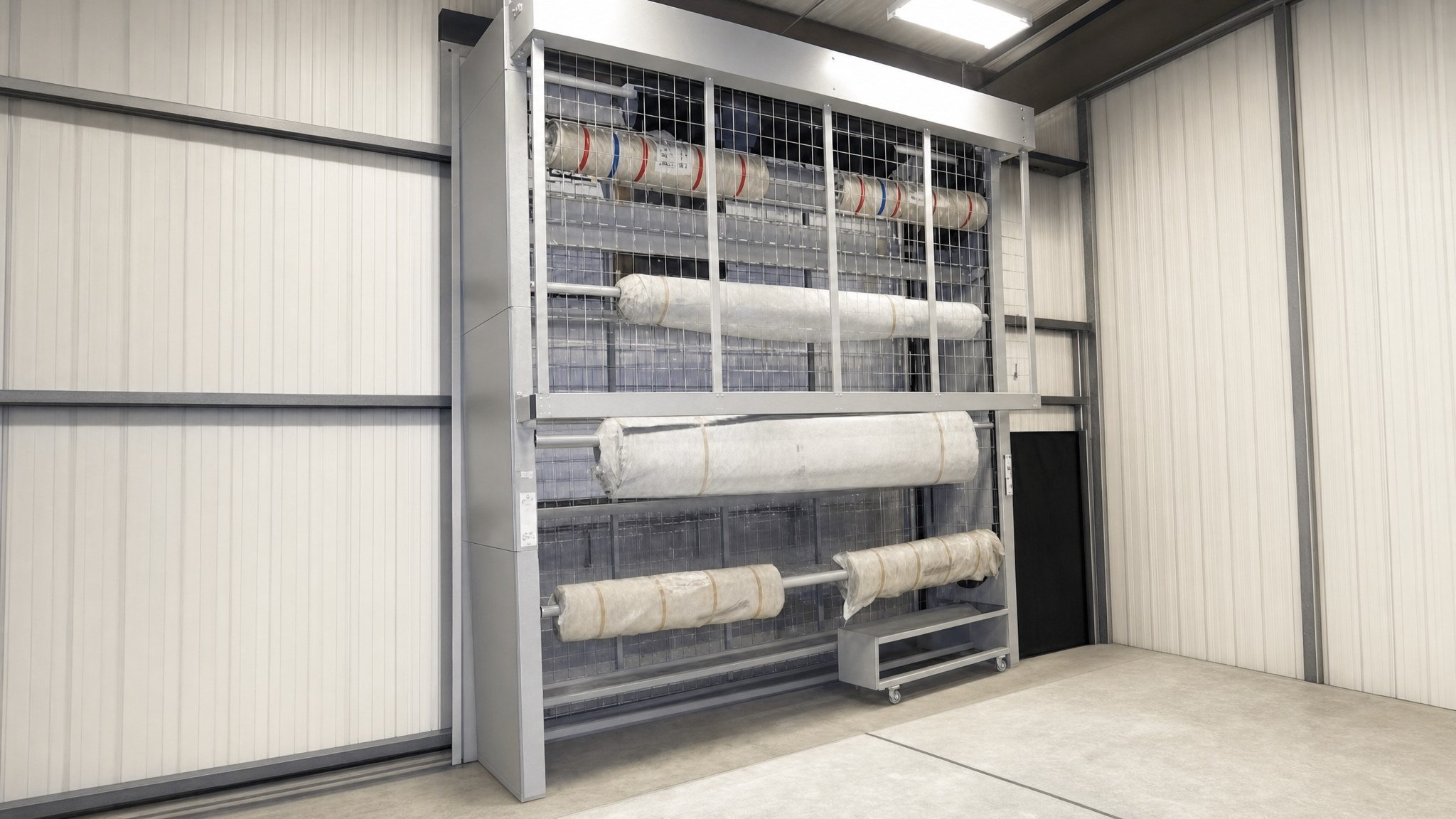
Carpet Carousel Features and Roll Handling Options
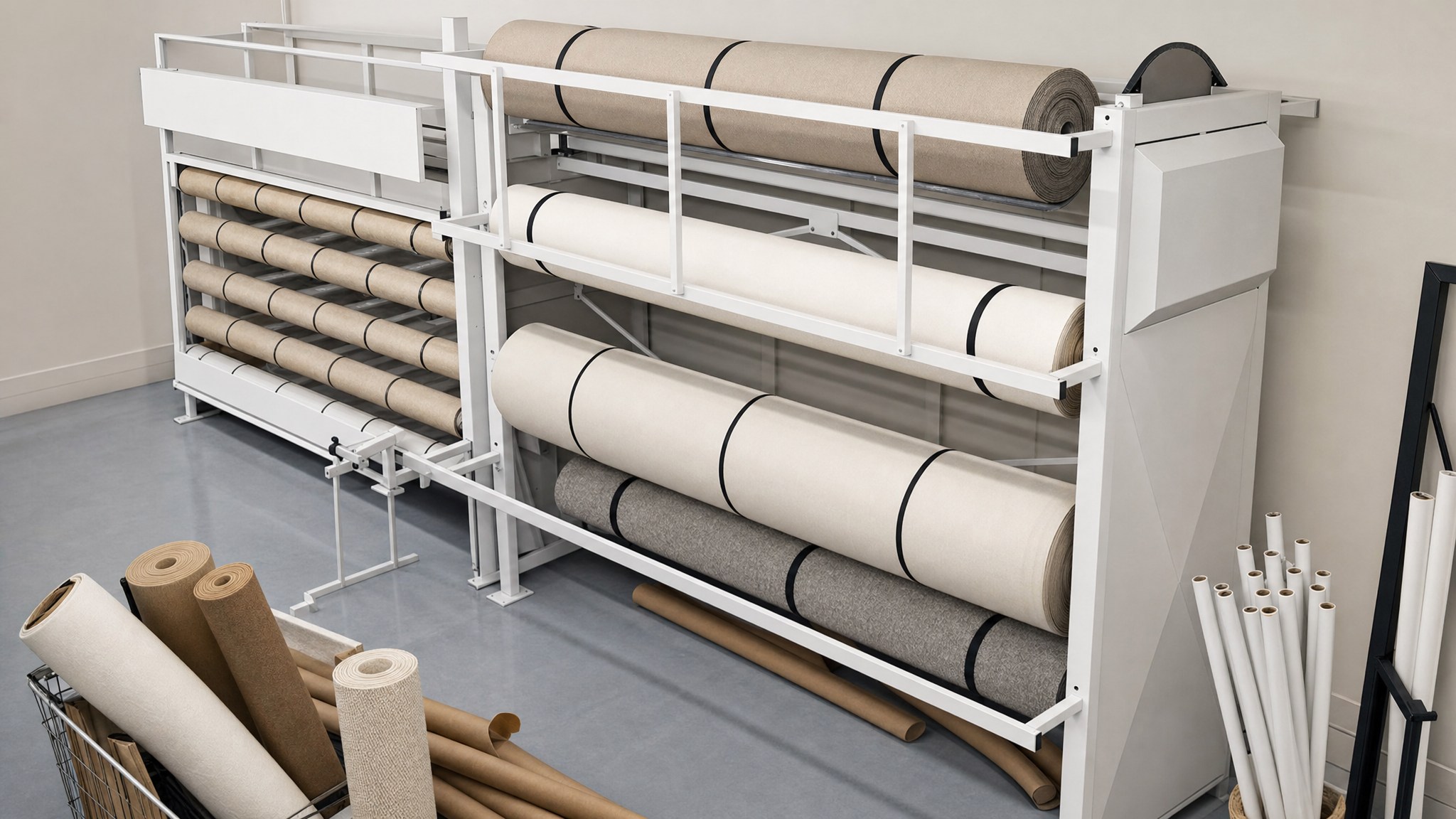
Carpet carousels are planned around rotating carriers, easy-to-use controls, and a durable powder coated finish. Carpet is the primary application, while textile, fabric, or vinyl use should be reviewed separately for roll dimensions, weight, core type, and accessory fit. Dispensing, measuring, cutting, or rerolling needs should be discussed early because those functions are not automatically included with every carousel.
- Selecting carrier and pole arrangements for the longest and heaviest rolls in the inventory mix.
- Confirming whether the access point is used only for retrieval or also for dispensing material.
- Reviewing optional measuring, cutting, or rerolling accessories before final equipment selection.
- Checking non-carpet materials by application rather than assuming universal roll compatibility.
Where Carpet Carousels Fit in Flooring Operations
Carpet carousels are used in flooring showrooms, warehouses, distribution areas, and contractor stockrooms where teams need organized carpet roll access. They are also evaluated for select textile and vinyl roll workflows when material fit is confirmed. The right layout depends on who retrieves the rolls, where the access point belongs, and how rolls are loaded into the equipment.
- Showrooms that need staff-controlled roll access near customer selection areas.
- Warehouses and distribution spaces managing larger carpet roll inventories.
- Contractor staging areas preparing rolls for installation jobs.
- Scoped textile or vinyl roll storage after application-specific review.
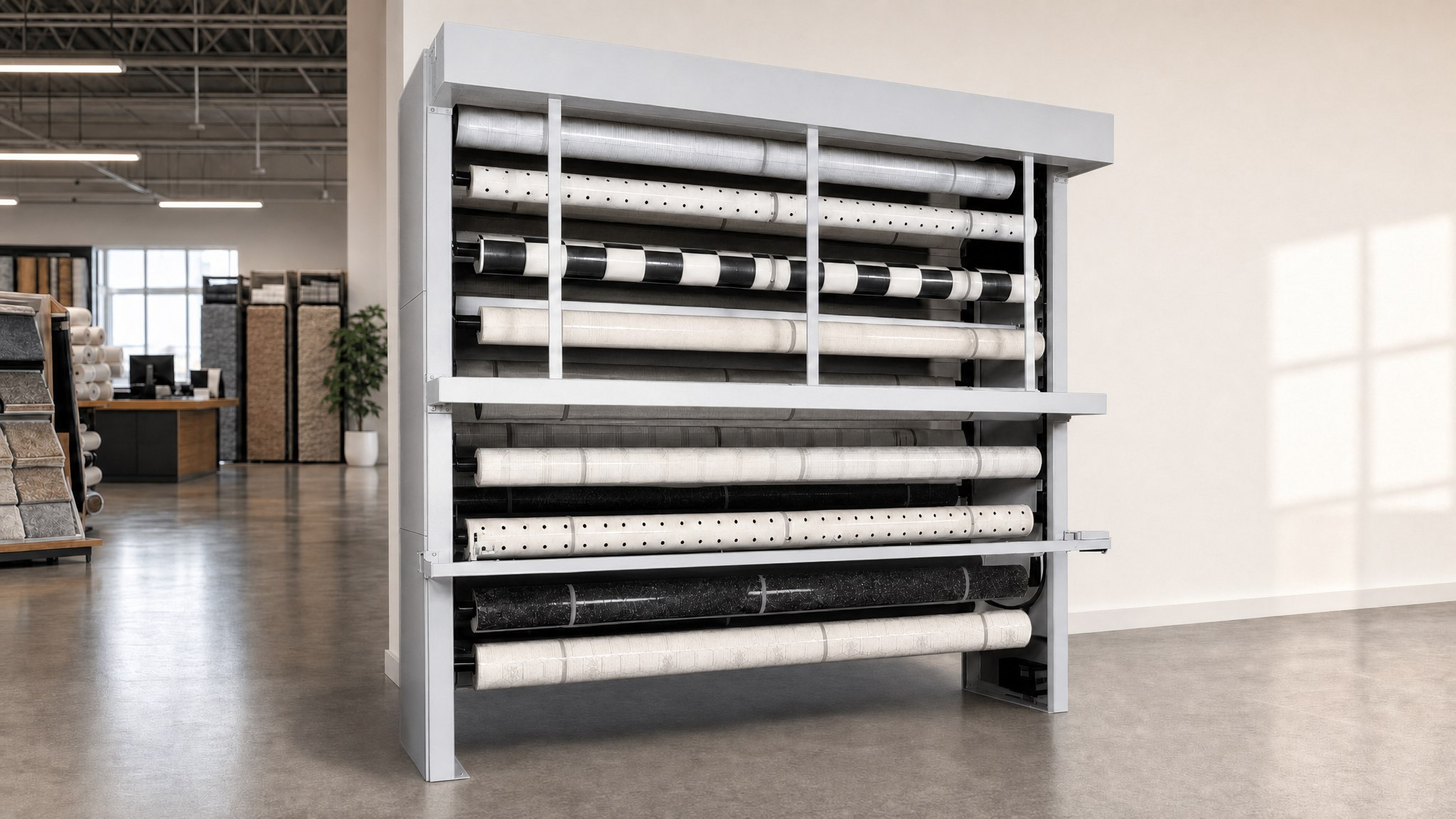
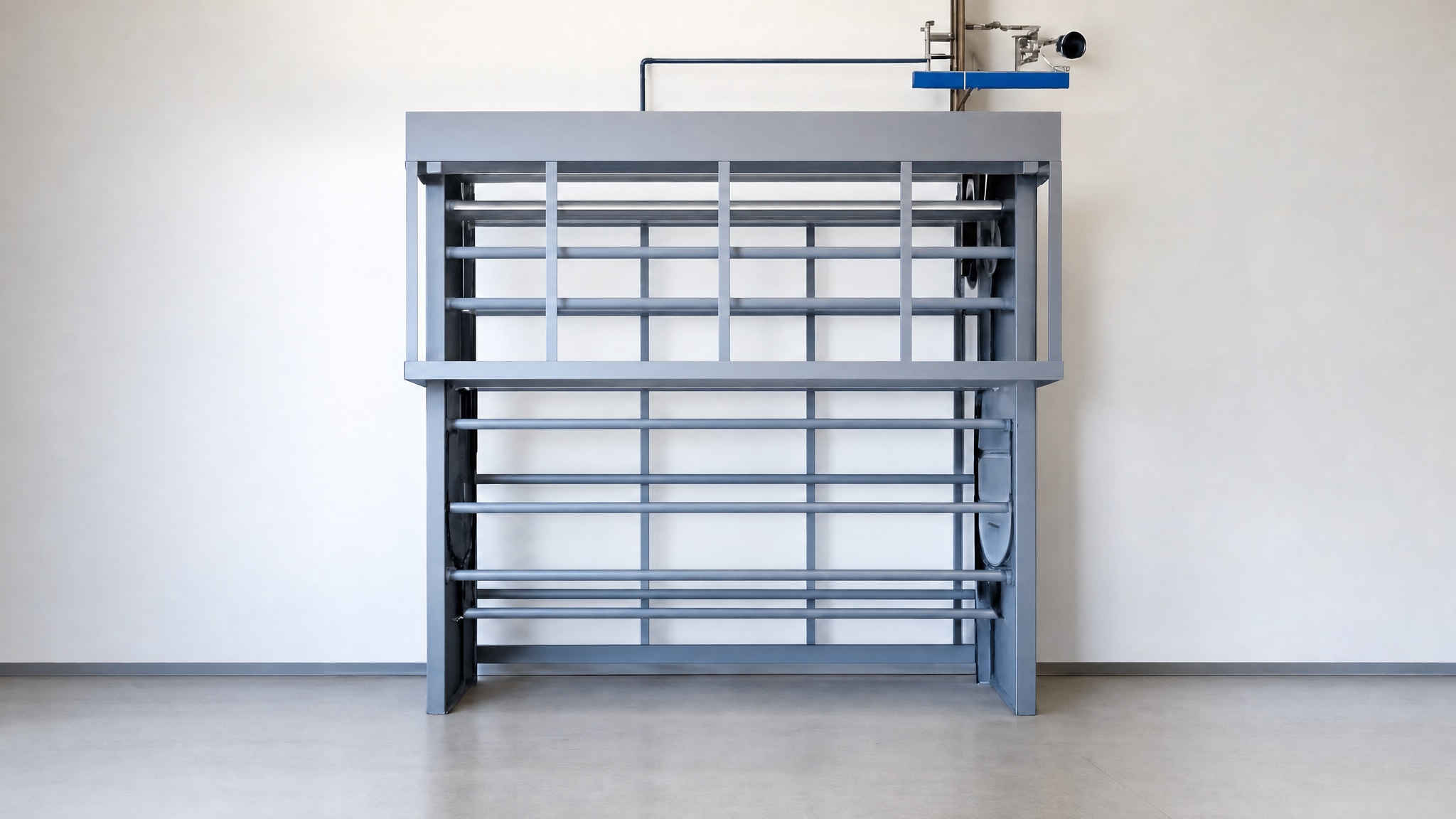
Planning a Carpet Carousel Project
A successful carpet carousel project starts by matching the equipment to your inventory, building conditions, and handling process. Review roll data, ceiling height, access clearance, loading equipment, and any dispensing or cutting requirements before requesting final configuration guidance.
- Document roll width, diameter, core, weight, quantity, and material type.
- Confirm ceiling height, required 12-inch overhead clearance, footprint, and access aisles.
- Identify how rolls will be loaded, retrieved, staged, or dispensed.
- Decide whether measuring, cutting, or rerolling accessories need compatibility review.
Flooring Showroom Roll Access
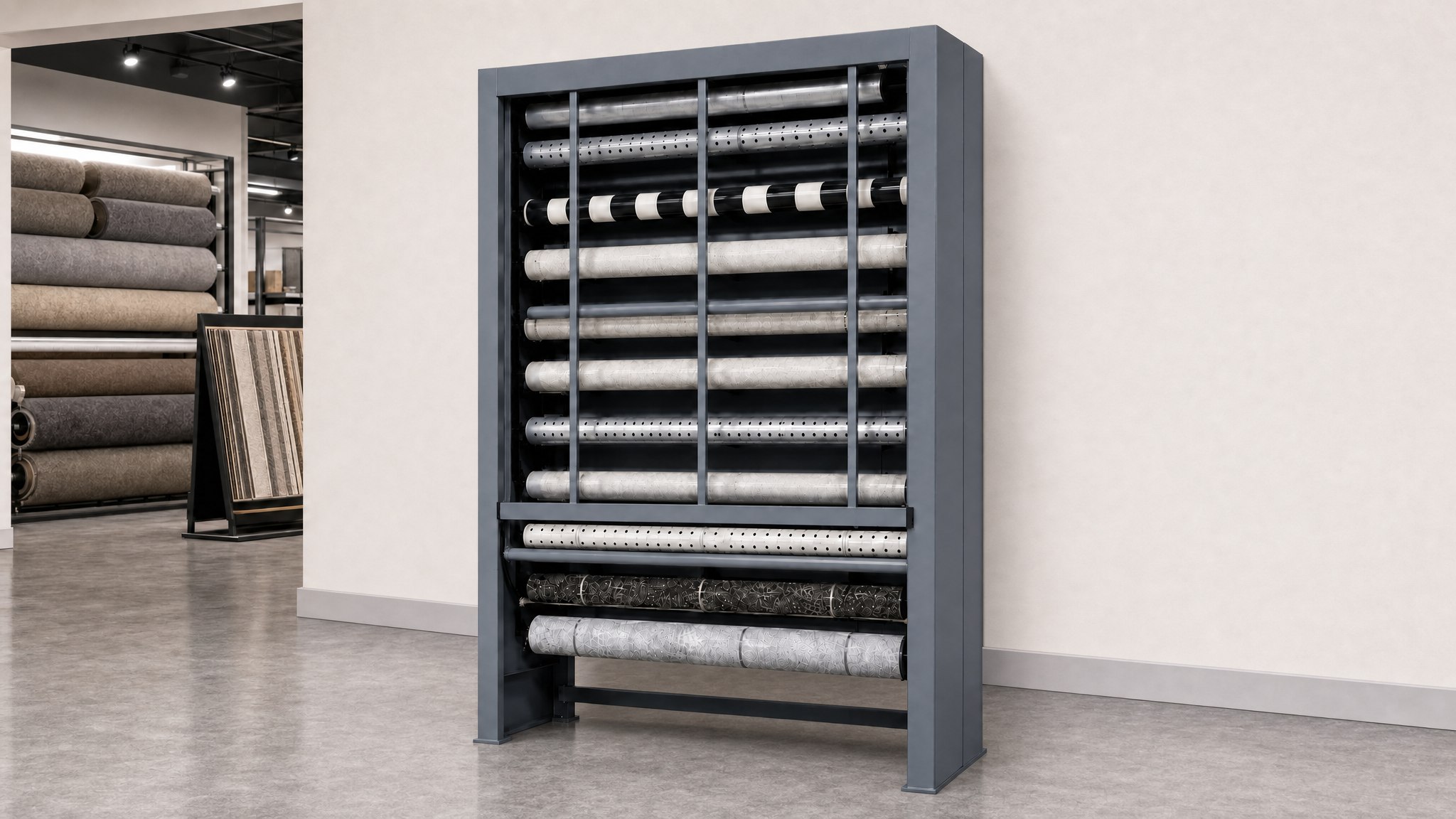
In flooring showrooms, staff use a carpet carousel to bring selected rolls to an access point for customer review. This matters when carpet rolls need to remain organized and presentable while still being available for frequent selection. Compared with static carpet roll storage racks, the carousel layout can reduce searching through fixed rack positions.
- Plan the access point near selling or sample areas without crowding the showroom layout.
- Confirm whether the roll is only displayed or also dispensed from the access area.
- Use configuration review to match visible inventory needs with roll size and weight limits.


Planning Your Carpet Carousel Configuration
Use these planning decisions to compare your roll inventory and facility conditions with the right carousel configuration. Static carpet roll racking systems may still fit some storage needs, but a carousel is selected when rotating access is the priority.
| Planning Decision | Why It Matters | What to Confirm |
|---|---|---|
| Roll Size and Core | Matching the carousel to carpet rolls with different widths, diameters, and core types | Confirm the largest and smallest rolls in the inventory before selecting poles and carrier arrangements. |
| Weight and Capacity | Facilities that need to store heavier rolls or a mixed roll inventory | Review individual roll weight, carrier loading, and total gross load separately instead of sizing by quantity alone. |
| Height and Clearance | Sites comparing vertical roll storage with floor-level carpet storage racks | Confirm available height, carousel height, and the required 12 inches of clear space above the unit. |
| Access and Loading | Showrooms, warehouses, and contractor stock areas with different handling paths | Decide where operators will retrieve rolls and how rolls will be loaded before finalizing the layout. |
| Dispensing and Cutting | Operations that need to measure, cut, dispense, or reroll carpet or other rolled material | Confirm accessory compatibility and availability before assuming the carousel includes these functions. |
Southwest Solutions Near You
With 7 offices in Texas, Oklahoma, Kansas and Colorado, plus teams covering every major metro area nationwide, Southwest Solutions Group delivers expert carpet carousel sales, design, installation, and maintenance support wherever you need it.
Carpet Carousel Service Areas
Texas
- Dallas
- Austin
- Houston
- San Antonio
- Waco
- Tyler
- Amarillo
- Lubbock
- El Paso
- Ft Worth
- Corpus Christi
- Midland
Oklahoma
- Oklahoma City
- Tulsa
- Norman
- Lawton
- Enid
- Stillwater
- McAlester
- Muskogee
- Guymon
Kansas
- Wichita
- Overland Park
- Topeka
- Kansas City
- Lawrence
- Manhattan
- Salina
- Hays
- Dodge City
- Garden City
Colorado
- Denver
- Colorado Springs
- Fort Collins
- Grand Junction
- Pueblo
- Durango
- Alamosa
- Steamboat Springs
- Greeley
Alabama
- Huntsville
- Birmingham
- Montgomery
- Mobile
- Tuscaloosa
- Hoover
- Dothan
- Decatur
Alaska
- Anchorage
- Fairbanks
- Juneau
- Sitka
- Ketchikan
- Kodiak
- Bethel
- Nome
Arizona
- Phoenix
- Tucson
- Flagstaff
- Yuma
- Prescott
- Lake Havasu City
- Sierra Vista
- Kingman
Arkansas
- Little Rock
- Fayetteville
- Fort Smith
- Jonesboro
- Hot Springs
- Pine Bluff
- Texarkana
- Bentonville
- Arkadelphia
California
- Los Angeles
- San Diego
- San Francisco
- Sacramento
- Fresno
- Redding
- Bakersfield
- San Bernardino
- San Jose
Connecticut
- Hartford
- New Haven
- Stamford
- Bridgeport
Delaware
- Wilmington
- Dover
- Newark
- Rehoboth Beach
Florida
- Jacksonville
- Tallahassee
- Orlando
- Tampa
- Miami
- West Palm Beach
- Fort Myers
- Pensacola
Georgia
- Atlanta
- Savannah
- Augusta
- Columbus
- Macon
- Athens
- Valdosta
- Gainesville
- Albany
Hawaii
- Honolulu
- Hilo
- Kahului
- Kailua-Kona
- Lihue
Idaho
- Boise
- Coeur d'Alene
- Twin Falls
- Idaho Falls
- Pocatello
- Lewiston
- McCall
- Sandpoint
- Moscow
Illinois
- Chicago
- Springfield
- Rockford
- Peoria
- Champaign
- Bloomington
- Carbondale
- Moline
- Quincy
Indiana
- Indianapolis
- Fort Wayne
- South Bend
- Evansville
- Lafayette
- Bloomington
- Terre Haute
- Gary
- Muncie
Iowa
- Des Moines
- Cedar Rapids
- Davenport
- Sioux City
- Iowa City
- Waterloo
- Council Bluffs
- Ames
- Mason City
Kentucky
- Louisville
- Lexington
- Bowling Green
- Owensboro
- Covington
- Paducah
- Ashland
- Richmond
- Frankfort
- Pikeville
- Florence
Louisiana
- New Orleans
- Baton Rouge
- Shreveport
- Lafayette
- Lake Charles
- Monroe
- Alexandria
- Houma
Maine
- Portland
- Bangor
- Augusta
- Lewiston
- Waterville
- Presque Isle
- Bar Harbor
- Biddeford
- Rockland
Maryland
- Baltimore
- Annapolis
- Frederick
- Hagerstown
- Salisbury
Massachusetts
- Boston
- Worcester
- Springfield
- Pittsfield
Michigan
- Detroit
- Grand Rapids
- Lansing
- Ann Arbor
- Flint
- Traverse City
- Marquette
- Kalamazoo
- Saginaw
Minnesota
- Minneapolis
- St. Paul
- Duluth
- Rochester
- Mankato
- St. Cloud
- Bemidji
- Moorhead
Mississippi
- Jackson
- Gulfport
- Hattiesburg
- Biloxi
- Southaven
- Meridian
- Tupelo
- Natchez
- Greenville
- Oxford
Missouri
- Jefferson City
- St. Louis
- Kansas City
- Springfield
- Columbia
- Joplin
- Cape Girardeau
- St. Joseph
- Rolla
Montana
- Helena
- Billings
- Missoula
- Great Falls
- Bozeman
- Kalispell
- Havre
- Miles City
Nebraska
- Lincoln
- Omaha
- Grand Island
- Kearney
- Scottsbluff
- Norfolk
- North Platte
- Fremont
- South Sioux City
Nevada
- Las Vegas
- Reno
- Carson City
- Elko
- Pahrump
- Henderson
- Winnemucca
- Mesquite
- Fallon
New Hampshire
- Concord
- Manchester
- Portsmouth
- Keene
- Nashua
New Jersey
- Newark
- Jersey City
- Trenton
- Atlantic City
New Mexico
- Santa Fe
- Albuquerque
- Las Cruces
- Roswell
- Farmington
- Gallup
- Carlsbad
- Clovis
New York
- Albany
- New York City
- Buffalo
- Rochester
- Syracuse
- Binghamton
- Ithaca
- Plattsburgh
North Carolina
- Raleigh
- Charlotte
- Greensboro
- Asheville
- Wilmington
- Fayetteville
- Boone
- Greenville
North Dakota
- Bismarck
- Fargo
- Grand Forks
- Minot
- Dickinson
- Williston
- Jamestown
- Devils Lake
Ohio
- Columbus
- Cleveland
- Cincinnati
- Toledo
- Dayton
- Akron
- Youngstown
- Athens
Oregon
- Portland
- Salem
- Eugene
- Hermiston
- Baker City
- Medford
- Bend
- Klamath Falls
Pennsylvania
- Harrisburg
- Philadelphia
- Pittsburgh
- Erie
- Scranton
- State College
- Allentown
- Williamsport
Rhode Island
- Providence
- Warwick
- Newport
- Woonsocket
South Carolina
- Columbia
- Charleston
- Greenville
- Myrtle Beach
- Hilton Head Island
- Spartanburg
- Florence
- Rock Hill
South Dakota
- Pierre
- Sioux Falls
- Rapid City
- Aberdeen
- Watertown
- Brookings
- Mitchell
- Yankton
Tennessee
- Memphis
- Jackson
- Nashville
- Clarksville
- Cookeville
- Chattanooga
- Knoxville
- Johnson City
Utah
- Salt Lake City
- Ogden
- Logan
- Provo
- St. George
- Cedar City
- Moab
- Vernal
Vermont
- Montpelier
- Burlington
- Rutland
- Brattleboro
Virginia
- Richmond
- Norfolk
- Virginia Beach
- Roanoke
- Lynchburg
- Harrisonburg
- Fredericksburg
- Bristol
Washington
- Olympia
- Seattle
- Spokane
- Yakima
- Bellingham
- Wenatchee
- Kennewick
- Vancouver
West Virginia
- Charleston
- Huntington
- Morgantown
- Wheeling
- Parkersburg
- Beckley
- Martinsburg
- Bluefield
Wisconsin
- Madison
- Milwaukee
- Green Bay
- Eau Claire
- La Crosse
- Wausau
- Appleton
- Superior
Wyoming
- Cheyenne
- Casper
- Laramie
- Gillette
- Sheridan
- Rock Springs
- Jackson
- Cody
District of Columbia
- Washington D.C.
Frequently Asked Questions
A carpet carousel is vertical roll storage equipment that uses rotating carriers to organize carpet rolls and present a selected roll at an operator access point. It helps teams store, identify, and retrieve rolls more consistently than stacked storage or many fixed rack layouts.
A carpet carousel rotates rolls to a designated access point, while carpet roll storage racks keep rolls in fixed positions. Racks may be appropriate for static storage, but a carousel is useful when staff need controlled access to multiple rolls from one working area.
Provide roll width, diameter, core type, weight, quantity, material, loading method, and facility layout details. Ceiling height, overhead clearance, footprint, and access aisles should also be reviewed before selecting a configuration.
Catalog planning data includes a 10-foot usable length pole as standard, available pole lengths from 4 to 15 feet, a 750-pound standard roll capacity, up to 1,750 pounds under certain conditions, and a 13,000-pound maximum gross load including poles, hardware, and product. Final capacity must be confirmed for the selected model and application.
A carpet carousel may support select textile, fabric, or vinyl roll storage if the chosen configuration fits the material, roll dimensions, weight, core type, and accessory needs. Non-carpet applications should be reviewed separately before purchase.
Dispensing, measuring, cutting, and rerolling equipment are optional workflow considerations and are not automatically included with every carpet carousel. Discuss these needs during planning so compatibility and availability can be confirmed.
Facility planning should confirm available ceiling height and allow at least 12 inches of clear space above the carousel height. Access clearance, service space, and loading layout should also be reviewed for the selected configuration.
Gallery
Product image gallery
Explore More Products
Ready to Plan a Carpet Carousel for Your Rolls?
Gather your roll details and facility requirements to start a consultation with Southwest Solutions Group. We can help you evaluate a carpet carousel configuration around roll size, weight, clearance, access, and handling needs.
Review the brochure or quick-purchase options, or contact us for a tailored project review.
Call us at (800) 803-1083 or Contact Us to schedule your free consultation today.
Explore Carpet Carousel