
Comprehensive CO₂ Solutions Integrated with Your Facility
Coordinate bulk CO₂ supply, precise room-level delivery, and IFC-compliant life-safety systems across commercial cannabis cultivation facilities. SSG Horticulture helps plan the complete path from tank sizing and delivery controls to monitoring, notification, and automatic shutoff.


Plan bulk storage around room count, operating schedules, and anticipated consumption.
Regulate and route CO₂ to cultivation areas through a coordinated delivery system.
Use detection, notification, control, and shutoff products designed to meet IFC requirements.
Align equipment, controls, zones, piping routes, and response logic before installation.
Plan delivery and life safety as two parts of one CO₂ system.
CO₂ Delivery supports cannabis production through supply and controlled room distribution. CO₂ Safety protects occupied spaces through monitoring, alarms, controls, and automatic isolation.
Supply, regulate, and distribute.
Move CO₂ from appropriately sized bulk storage to the cultivation rooms that need it.
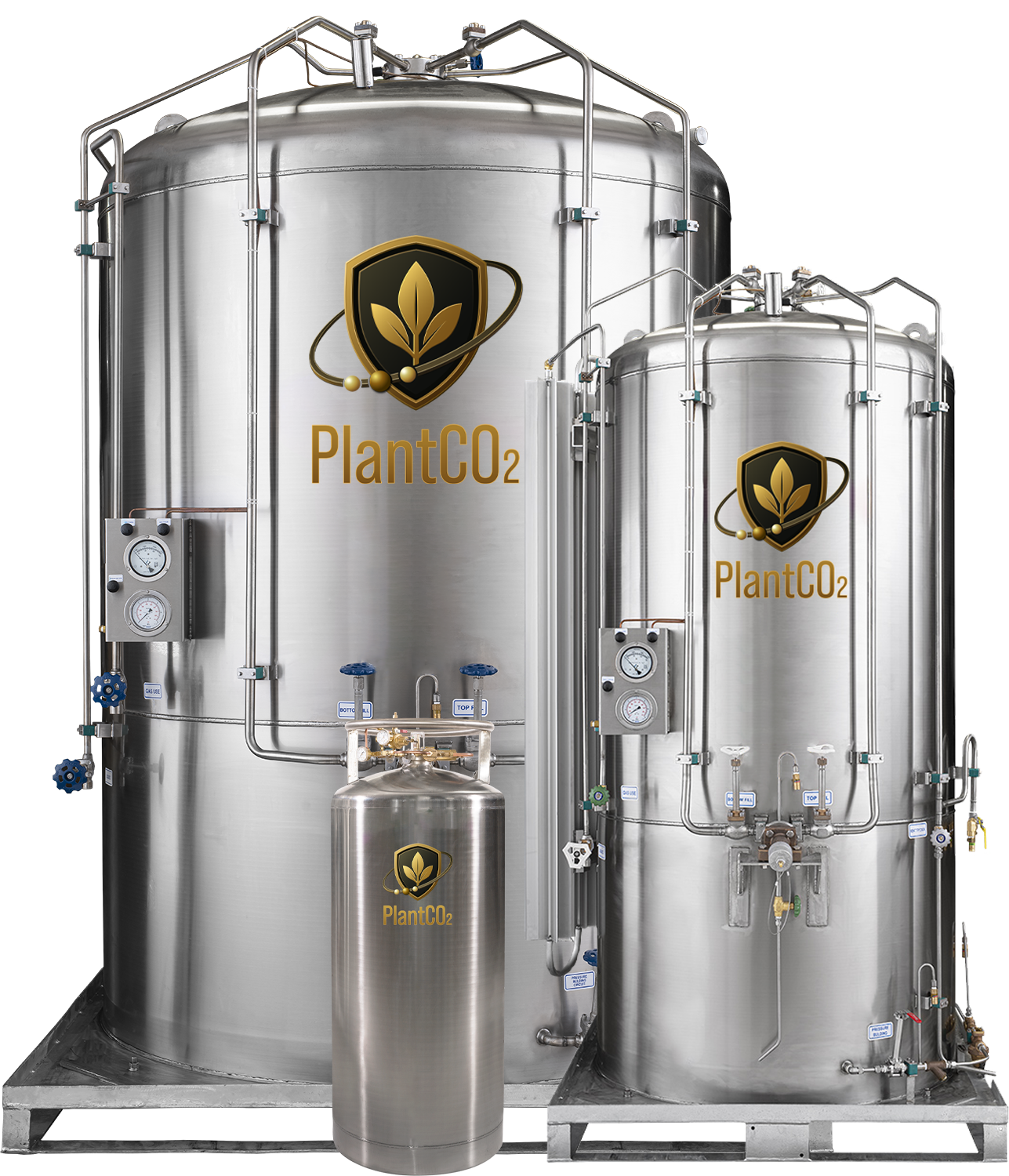
Bulk CO₂ Supply Tanks
Bulk tanks form the supply side of the delivery system. Expected usage is calculated and the tank is sized to support reliable delivery across the cultivation rooms.
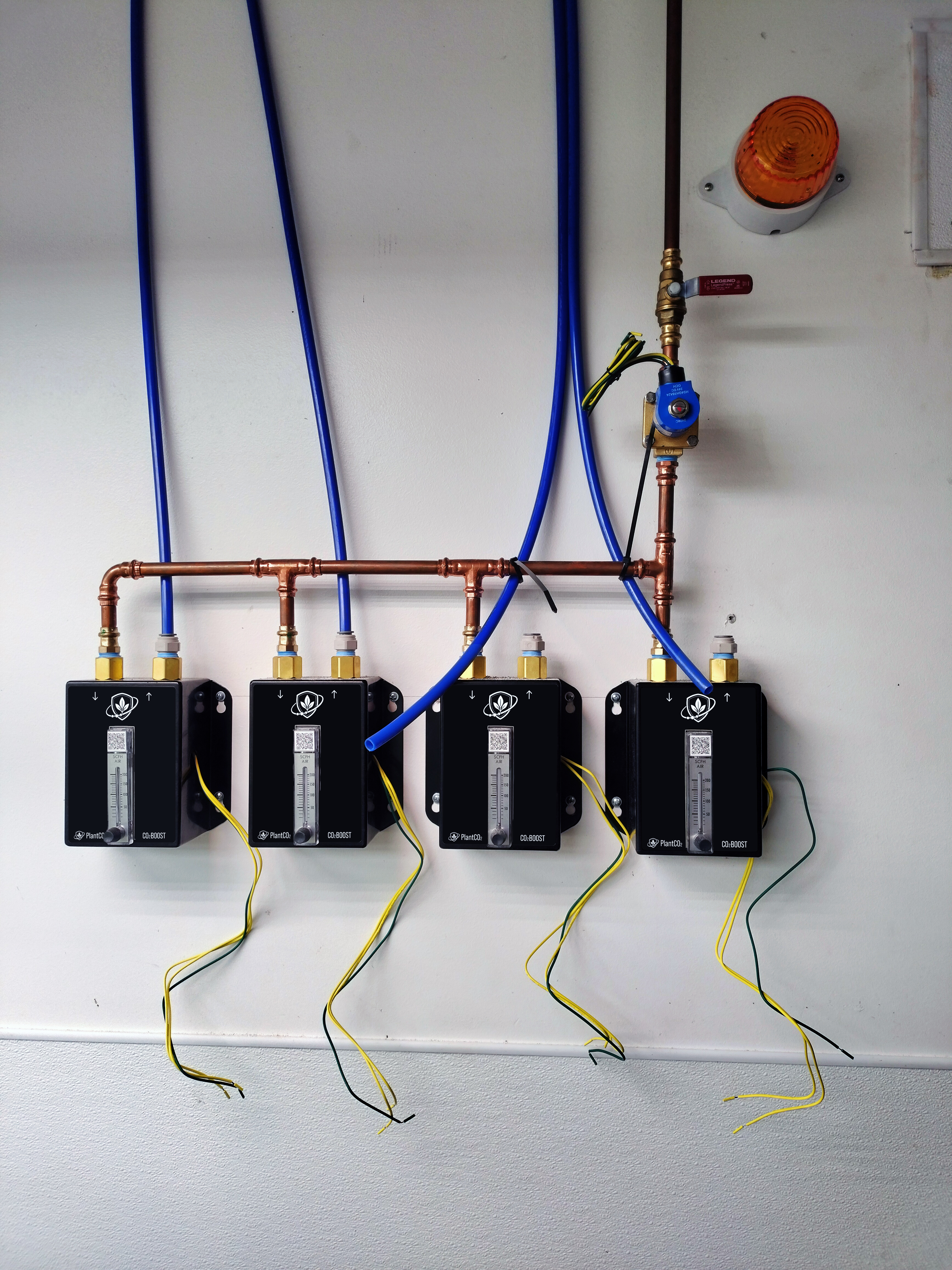
CO₂ Distribution Kit
The distribution kit creates the delivery path between the bulk supply and the cultivation rooms. Its components route CO₂ through the facility so each room can receive controlled enrichment.
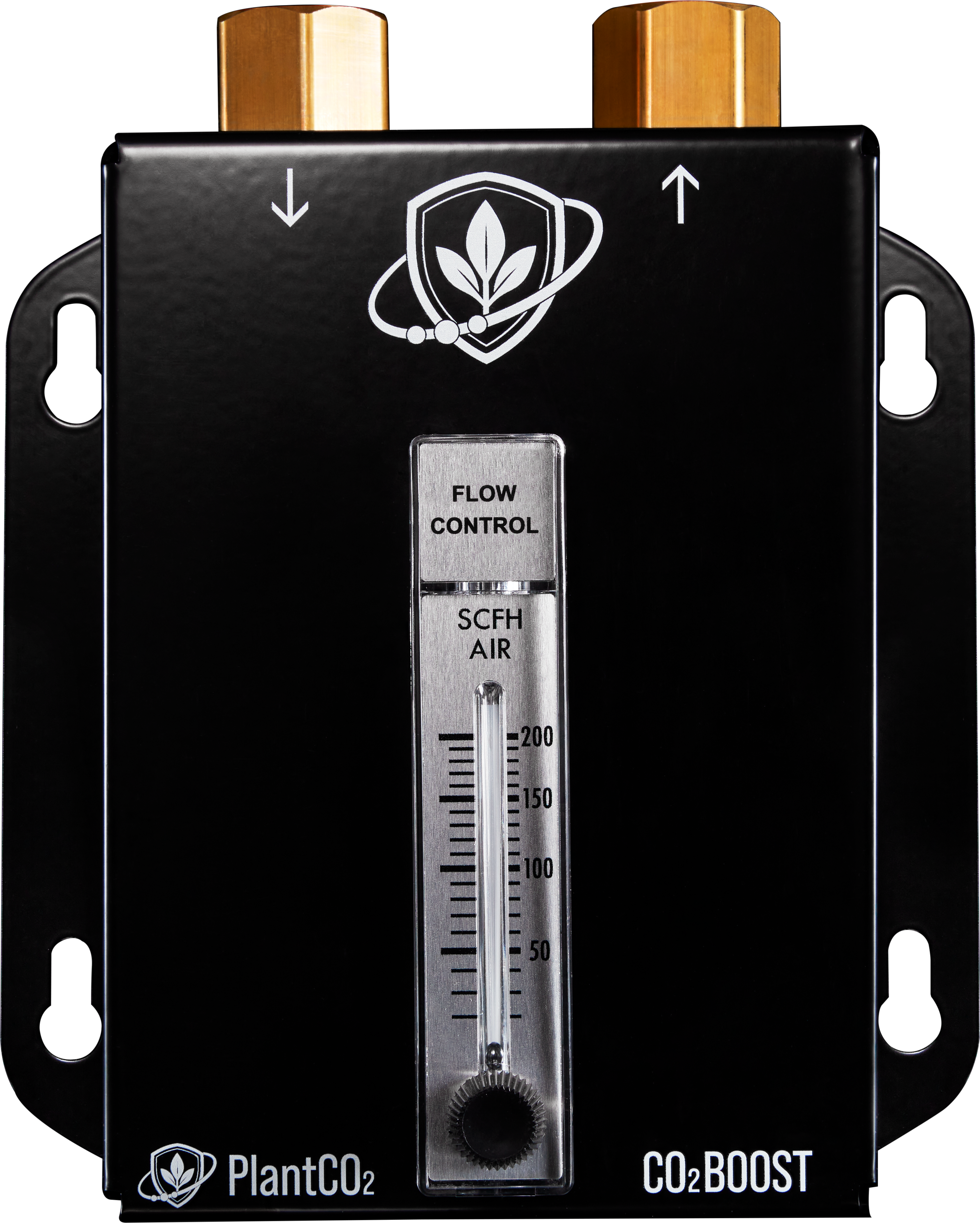
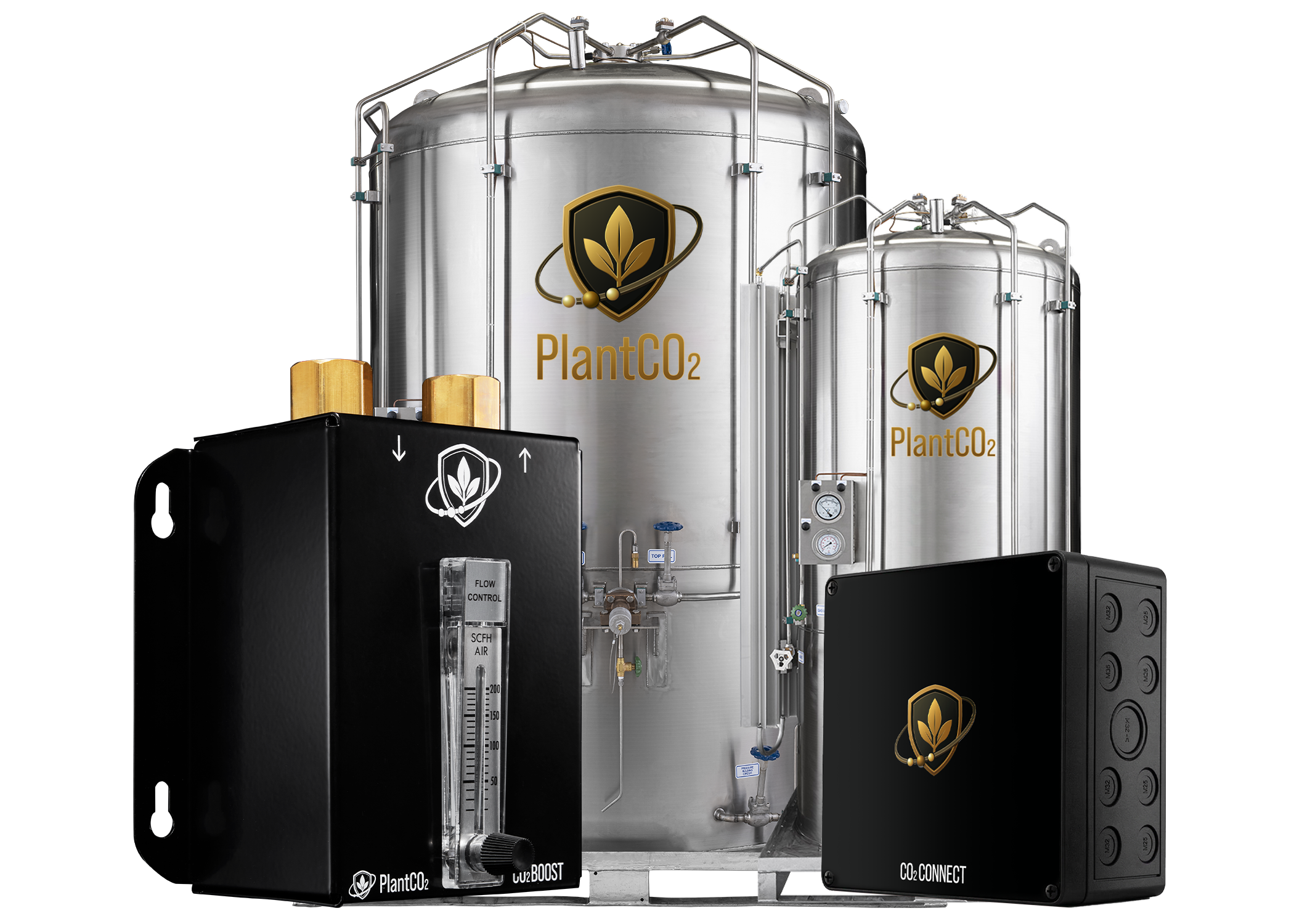
CO₂ Boost Delivery System
The CO₂ Boost system provides precise, adjustable distribution into the grow environment. It can be tuned around room demand and integrated with the cultivation control system.
Detect, alert, and isolate.
Monitor occupied spaces and coordinate the appropriate response when CO₂ reaches programmed thresholds.
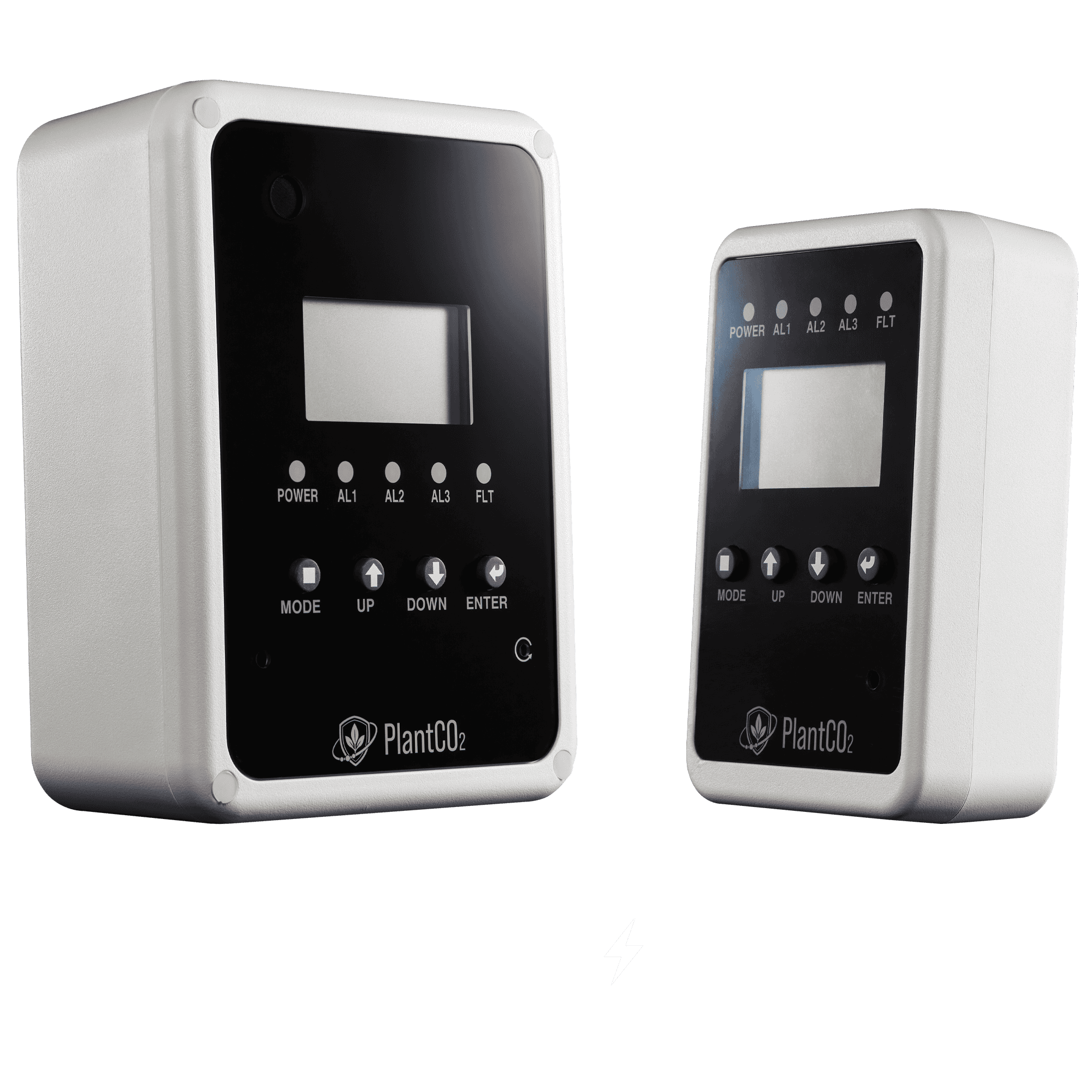
CO₂Safe Monitoring
CO₂ is heavier than air and can collect near the floor. CO₂Safe monitors concentration in the occupied environment and reports conditions to the connected safety controls.

CO₂ Connect Control
CO₂ Connect centralizes monitoring inputs and coordinates notification and isolation functions as part of the facility's life-safety strategy.
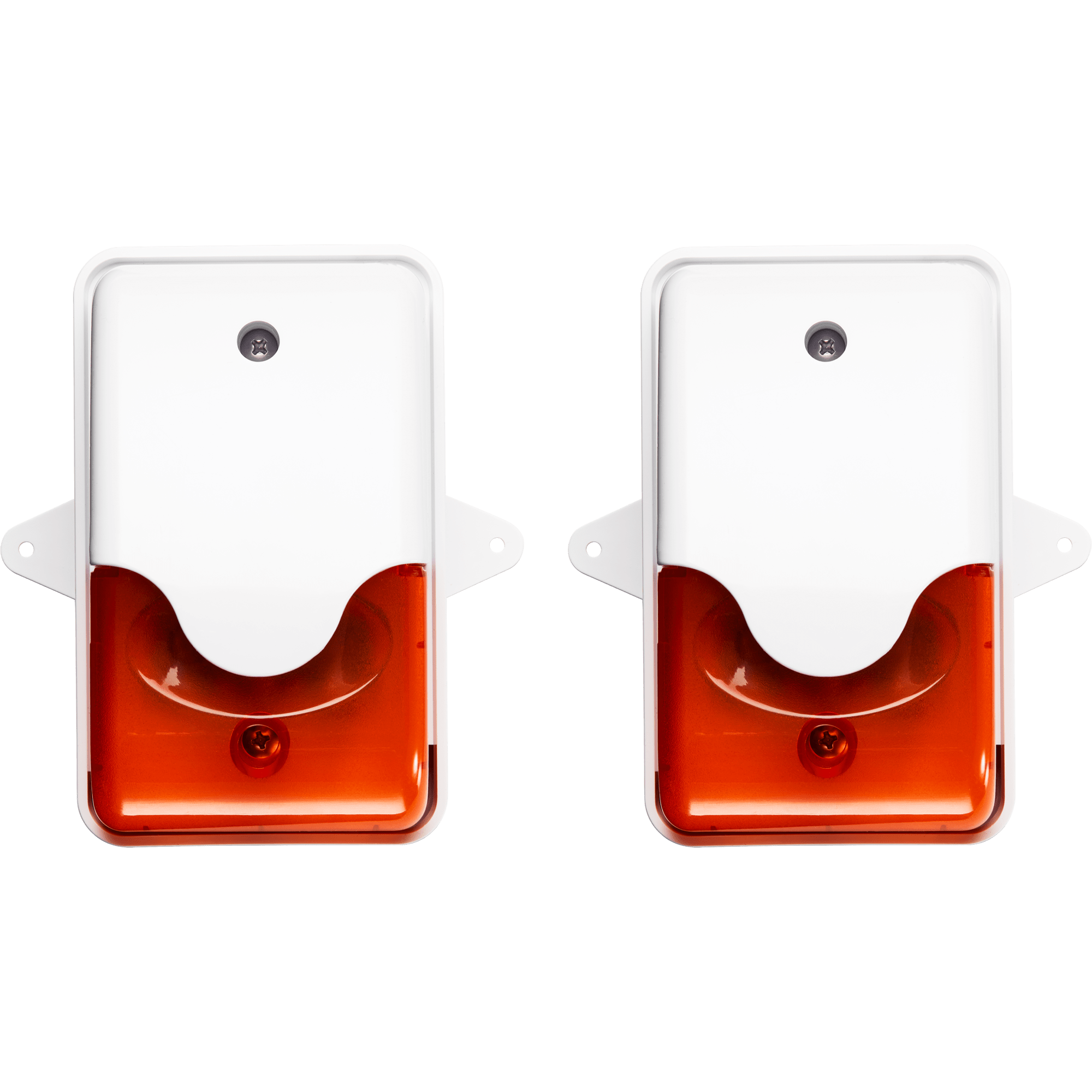
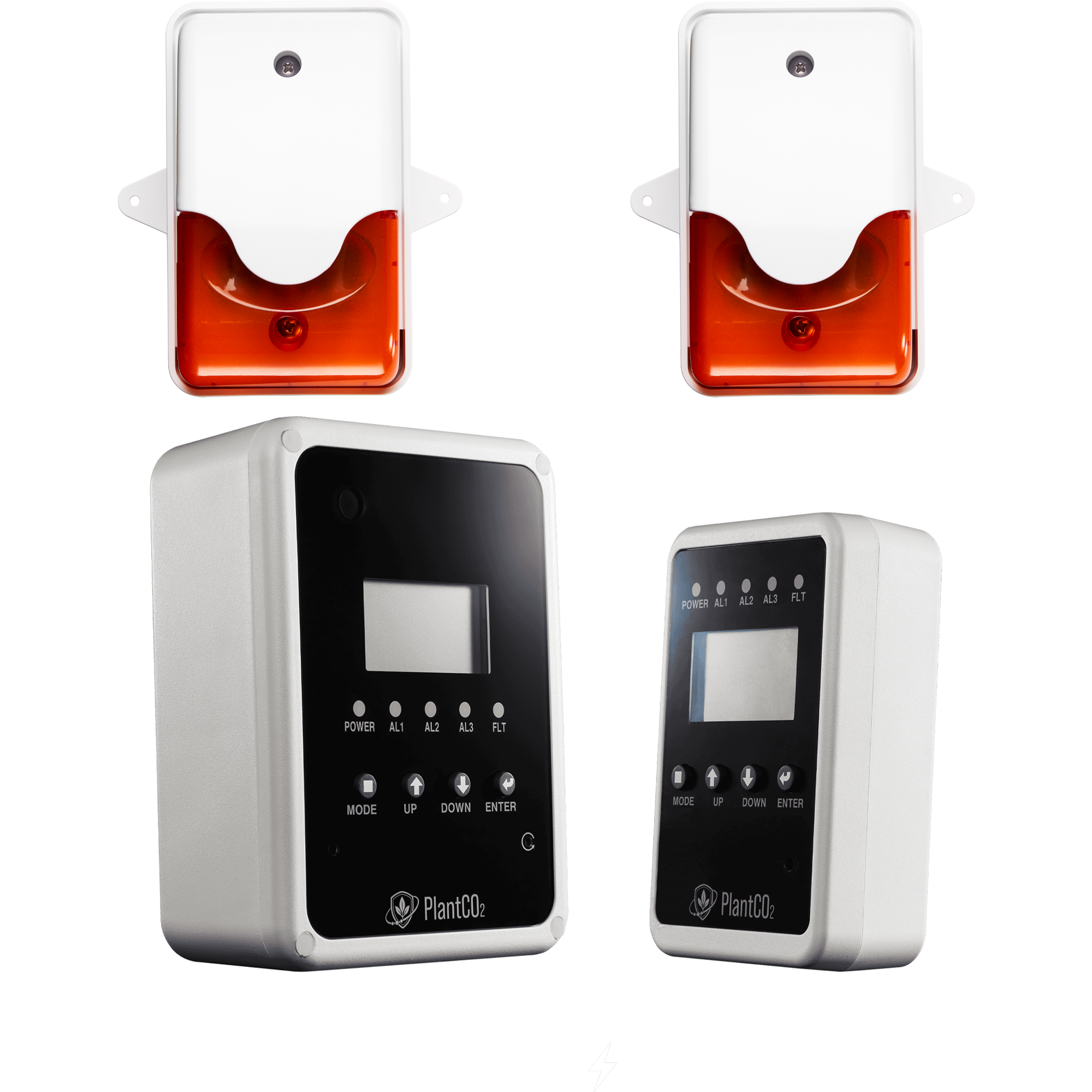
CO₂ Doorway Alarms
CO₂ Doorway provides visual and audible notification at room approaches so occupants can recognize an alarm condition before entering an affected space.
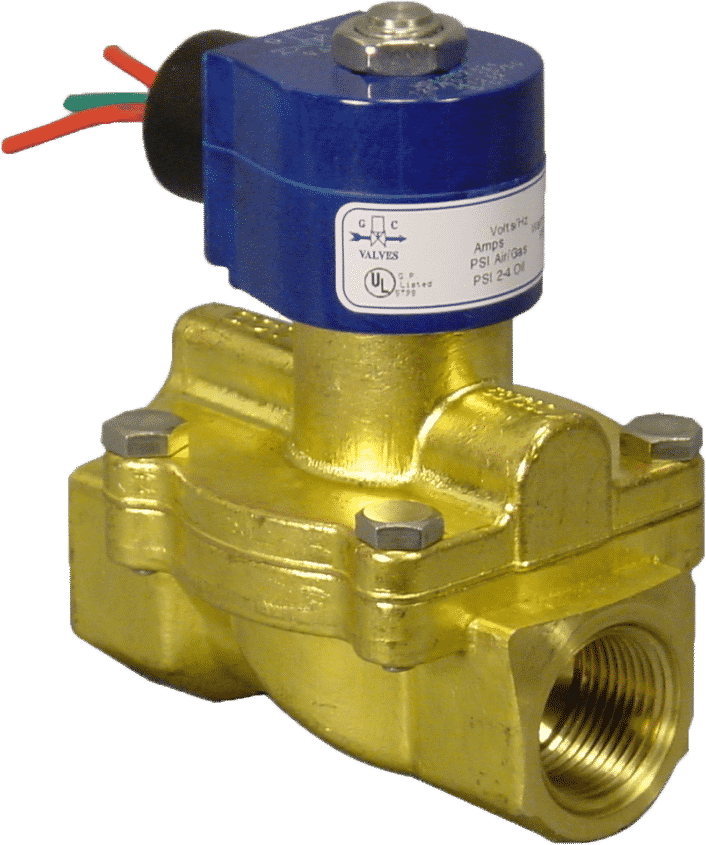
Room Shutoff Valves
Room shutoff valves stop CO₂ flow to an individual cultivation space when its connected safety system reaches a programmed response condition.
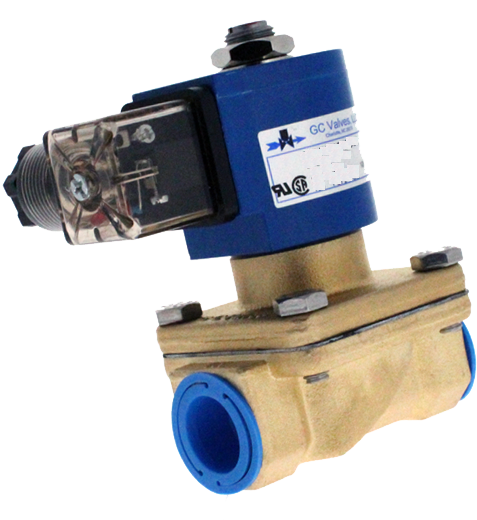
Facility Shutoff Valves
Facility shutoff valves interrupt the primary CO₂ supply when the defined safety response requires isolation at the source.
CO₂ equipment should be selected around actual facility demand.
Final sizes, quantities, zones, and interfaces are determined through project-specific planning.
Supply and usage
Room volume, crop schedule, target operation, simultaneous demand, delivery frequency, and reserve capacity.
Distribution and controls
Piping routes, distribution-kit capacity, CO₂ Boost requirements, environmental controls, operating schedule, and expansion plans.
Information reviewed during system design
Final equipment selection is based on facility-specific operating requirements and the complete sequence of operation.
From bulk supply to emergency source isolation.
The first three products deliver CO₂ to the cannabis rooms. The next five detect conditions, coordinate the response, notify occupants, and stop flow when required.
Bulk CO₂ Supply Tanks
Store liquid CO₂ sized around cannabis facility demand and refill strategy.
CO₂ Distribution Kit
Create the facility delivery network between bulk supply and cultivation rooms.
CO₂ Boost
Fine-tune controlled delivery into flower, veg, or production rooms.
CO₂Safe
Monitor concentration where CO₂ can collect inside occupied spaces.
CO₂ Connect
Receive monitoring inputs and coordinate the programmed safety response.
CO₂ Doorway
Provide visual and audible notification at room approaches and entries.
Room Shutoff Valves
Stop CO₂ flow to an affected cultivation room or safety zone.
Facility Shutoff Valves
Isolate the main CO₂ supply when the response requires facility-wide shutoff.
What SSG needs to plan your cannabis CO₂ system.
The right system starts with operating requirements, facility conditions, and a clear response sequence.
These inputs help coordinate supply, distribution, monitoring, notification, and isolation for new facilities, expansions, and existing-room retrofits.
Supporting Cannabis CO₂ Projects Across Regions and Facility Stages
SSG can support cannabis cultivation operators through new builds, expansions, retrofits, existing-room upgrades, and complete CO₂ delivery and safety system projects across a broad national service footprint.
Southwest Solutions Near You
Explore office locations and supported service markets across the U.S. for cannabis cultivation facilities and commercial CO₂ system projects.
Southwest Solutions Service Areas
Texas
- Dallas
- Austin
- Houston
- San Antonio
- Waco
- Tyler
- Amarillo
- Lubbock
- El Paso
- Ft Worth
- Corpus Christi
- Midland
Oklahoma
- Oklahoma City
- Tulsa
- Norman
- Lawton
- Enid
- Stillwater
- McAlester
- Muskogee
Kansas
- Wichita
- Overland Park
- Topeka
- Kansas City
- Lawrence
- Manhattan
- Salina
- Hays
- Dodge City
- Garden City
Colorado
- Denver
- Colorado Springs
- Fort Collins
- Grand Junction
- Pueblo
- Durango
- Alamosa
- Steamboat Springs
Alabama
- Huntsville
- Birmingham
- Montgomery
- Mobile
- Tuscaloosa
- Hoover
- Dothan
- Decatur
Alaska
- Anchorage
- Fairbanks
- Juneau
- Sitka
- Ketchikan
- Kodiak
- Bethel
- Nome
Arizona
- Phoenix
- Tucson
- Flagstaff
- Yuma
- Prescott
- Lake Havasu City
- Sierra Vista
- Kingman
Arkansas
- Little Rock
- Fayetteville
- Fort Smith
- Jonesboro
- Hot Springs
- Pine Bluff
- Texarkana
- Bentonville
California
- Los Angeles
- San Diego
- San Francisco
- Sacramento
- Fresno
- Redding
- Bakersfield
- San Bernardino
Connecticut
- Hartford
- New Haven
- Stamford
- Bridgeport
Delaware
- Wilmington
- Dover
- Newark
- Rehoboth Beach
Florida
- Jacksonville
- Tallahassee
- Orlando
- Tampa
- Miami
- West Palm Beach
- Fort Myers
- Pensacola
Georgia
- Atlanta
- Savannah
- Augusta
- Columbus
- Macon
- Athens
- Valdosta
- Gainesville
Hawaii
- Honolulu
- Hilo
- Kahului
- Kailua-Kona
Idaho
- Boise
- Coeur d'Alene
- Twin Falls
- Idaho Falls
- Pocatello
- Lewiston
- McCall
- Sandpoint
Illinois
- Chicago
- Springfield
- Rockford
- Peoria
- Champaign
- Bloomington
- Carbondale
- Moline
Indiana
- Indianapolis
- Fort Wayne
- South Bend
- Evansville
- Lafayette
- Bloomington
- Terre Haute
- Gary
Iowa
- Des Moines
- Cedar Rapids
- Davenport
- Sioux City
- Iowa City
- Waterloo
- Council Bluffs
- Ames
Kentucky
- Louisville
- Lexington
- Bowling Green
- Owensboro
- Covington
- Paducah
- Ashland
- Richmond
Louisiana
- New Orleans
- Baton Rouge
- Shreveport
- Lafayette
- Lake Charles
- Monroe
- Alexandria
- Houma
Maine
- Portland
- Bangor
- Augusta
- Lewiston
- Waterville
- Presque Isle
- Bar Harbor
- Biddeford
Maryland
- Baltimore
- Annapolis
- Frederick
- Hagerstown
Massachusetts
- Boston
- Worcester
- Springfield
- Pittsfield
Michigan
- Detroit
- Grand Rapids
- Lansing
- Ann Arbor
- Flint
- Traverse City
- Marquette
- Kalamazoo
Minnesota
- Minneapolis
- St. Paul
- Duluth
- Rochester
- Mankato
- St. Cloud
- Bemidji
- Moorhead
Mississippi
- Jackson
- Gulfport
- Hattiesburg
- Biloxi
- Southaven
- Meridian
- Tupelo
- Natchez
Missouri
- Jefferson City
- St. Louis
- Kansas City
- Springfield
- Columbia
- Joplin
- Cape Girardeau
- St. Joseph
Montana
- Helena
- Billings
- Missoula
- Great Falls
- Bozeman
- Kalispell
- Havre
- Miles City
Nebraska
- Lincoln
- Omaha
- Grand Island
- Kearney
- Scottsbluff
- Norfolk
- North Platte
- Fremont
Nevada
- Las Vegas
- Reno
- Carson City
- Elko
- Pahrump
- Henderson
- Winnemucca
- Mesquite
New Hampshire
- Concord
- Manchester
- Portsmouth
- Keene
New Jersey
- Newark
- Jersey City
- Trenton
- Atlantic City
New Mexico
- Santa Fe
- Albuquerque
- Las Cruces
- Roswell
- Farmington
- Gallup
- Carlsbad
- Clovis
New York
- Albany
- New York City
- Buffalo
- Rochester
- Syracuse
- Binghamton
- Ithaca
- Plattsburgh
North Carolina
- Raleigh
- Charlotte
- Greensboro
- Asheville
- Wilmington
- Fayetteville
- Boone
- Greenville
North Dakota
- Bismarck
- Fargo
- Grand Forks
- Minot
- Dickinson
- Williston
- Jamestown
- Devils Lake
Ohio
- Columbus
- Cleveland
- Cincinnati
- Toledo
- Dayton
- Akron
- Youngstown
- Athens
Oregon
- Portland
- Salem
- Eugene
- Hermiston
- Baker City
- Medford
- Bend
- Klamath Falls
Pennsylvania
- Harrisburg
- Philadelphia
- Pittsburgh
- Erie
- Scranton
- State College
- Allentown
- Williamsport
Rhode Island
- Providence
- Warwick
- Newport
- Woonsocket
South Carolina
- Columbia
- Charleston
- Greenville
- Myrtle Beach
- Hilton Head Island
- Spartanburg
- Florence
- Rock Hill
South Dakota
- Pierre
- Sioux Falls
- Rapid City
- Aberdeen
- Watertown
- Brookings
- Mitchell
- Yankton
Tennessee
- Memphis
- Jackson
- Nashville
- Clarksville
- Cookeville
- Chattanooga
- Knoxville
- Johnson City
Utah
- Salt Lake City
- Ogden
- Logan
- Provo
- St. George
- Cedar City
- Moab
- Vernal
Vermont
- Montpelier
- Burlington
- Rutland
- Brattleboro
Virginia
- Richmond
- Norfolk
- Virginia Beach
- Roanoke
- Lynchburg
- Harrisonburg
- Fredericksburg
- Bristol
Washington
- Olympia
- Seattle
- Spokane
- Yakima
- Bellingham
- Wenatchee
- Kennewick
- Vancouver
West Virginia
- Charleston
- Huntington
- Morgantown
- Wheeling
- Parkersburg
- Beckley
- Martinsburg
- Bluefield
Wisconsin
- Madison
- Milwaukee
- Green Bay
- Eau Claire
- La Crosse
- Wausau
- Appleton
- Superior
Wyoming
- Cheyenne
- Casper
- Laramie
- Gillette
- Sheridan
- Rock Springs
- Jackson
- Cody
District of Columbia
- Washington D.C.
Why use CO₂ in a commercial cannabis facility?+
Cannabis plants use carbon dioxide during photosynthesis. Commercial facilities use controlled enrichment to support the crop during active growth, with delivery planned around room volume, environmental controls, and production goals.
Are the CO₂ safety products IFC compliant?+
Yes. The CO₂ safety products are IFC compliant and include the detection, notification, control, and shutoff functions needed for a coordinated system.
Why is CO₂Safe monitoring installed low in the room?+
CO₂ is heavier than air and can collect near the floor. Low-mounted monitoring helps detect increasing concentrations where accumulation may occur.
Can the delivery equipment integrate with an existing control platform?+
Yes. CO₂ distribution equipment can coordinate with cultivation controls. The project team defines the interface and operating sequence during design.
How is a bulk tank sized?+
Tank sizing considers expected facility usage, simultaneous room demand, production schedules, refill strategy, available location, and planned growth.
What happens when a safety threshold is reached?+
The specific response is defined during planning. A coordinated system can activate visual and audible notification and close room-level or facility-level shutoff valves.
Should delivery and safety be planned separately?+
No. They perform different roles but should be planned as one system so supply capacity, distribution, monitoring zones, alarms, and shutoff points share a clear sequence of operation.
Ready to Coordinate CO₂ Delivery and Life Safety?
Share your cannabis room count, canopy plan, controls, and facility drawings. SSG Horticulture will help develop a complete equipment strategy for your new build, expansion, or retrofit.