Cell Phone Lockers for Schools, Offices & Secure Facilities
Cell phone lockers create phone‑free, high‑focus zones for schools and secure workplaces. From K–12 classrooms and private academies to R&D labs and detention facilities, our cell phone lockers provide controlled, auditable access to personal devices—without daily supervision. Choose fixed‑compartment systems with key, PIN, or RFID locks, and add integrated charging so phones stay powered while stored. Southwest Solutions Group designs, ships, and installs nationwide. We’ll help you size capacity, plan locations, and implement policies that cut distractions and protect privacy. Explore Revit families for design coordination, or request a free consultation for pricing, lead times, and specifications.
Why Schools Are Locking Up Phones
Across the country, more K–12 schools are limiting student phone use during the school day. Concerns about distraction, social media, academic integrity, and mental health have led many districts to adopt stricter personal device policies. As a result, schools are looking for effective ways to manage where and how phones are stored.
Cell phone lockers offer a secure, consistent way to support these new rules. Rather than asking students to leave devices at home or keep them in backpacks, lockers give administrators and teachers a clear system for compliance. Phones, smartwatches, and other personal electronics are safely stored out of reach, so students can focus on learning.
How Cell Phone Lockers Work
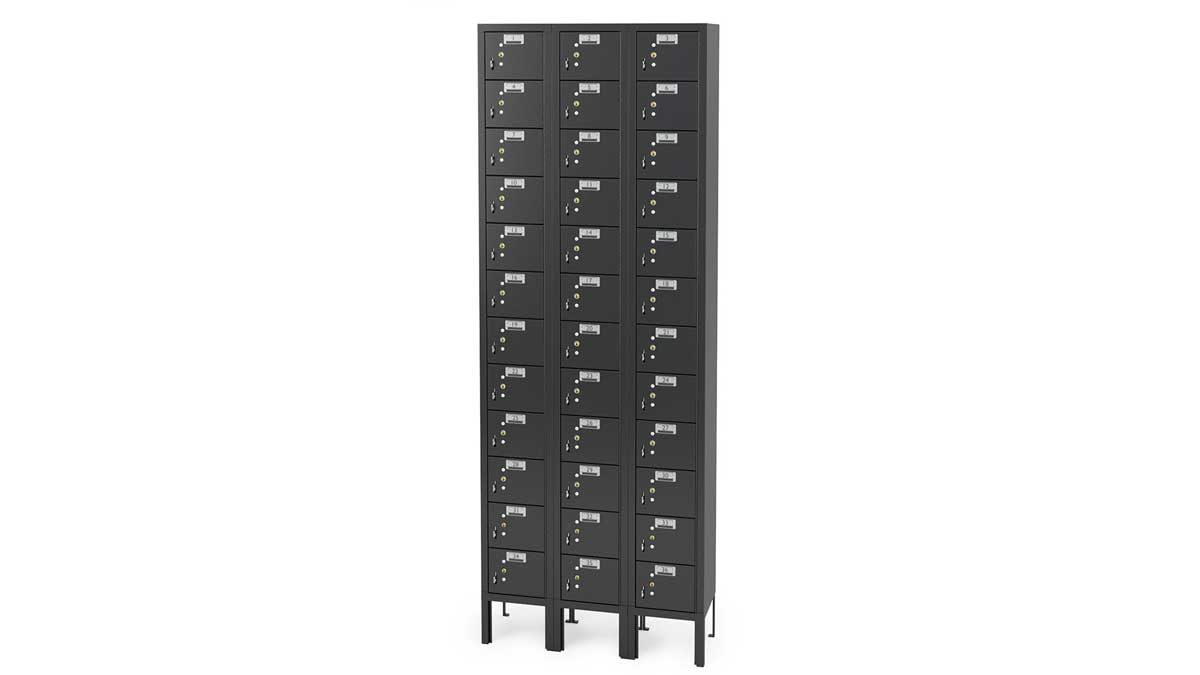
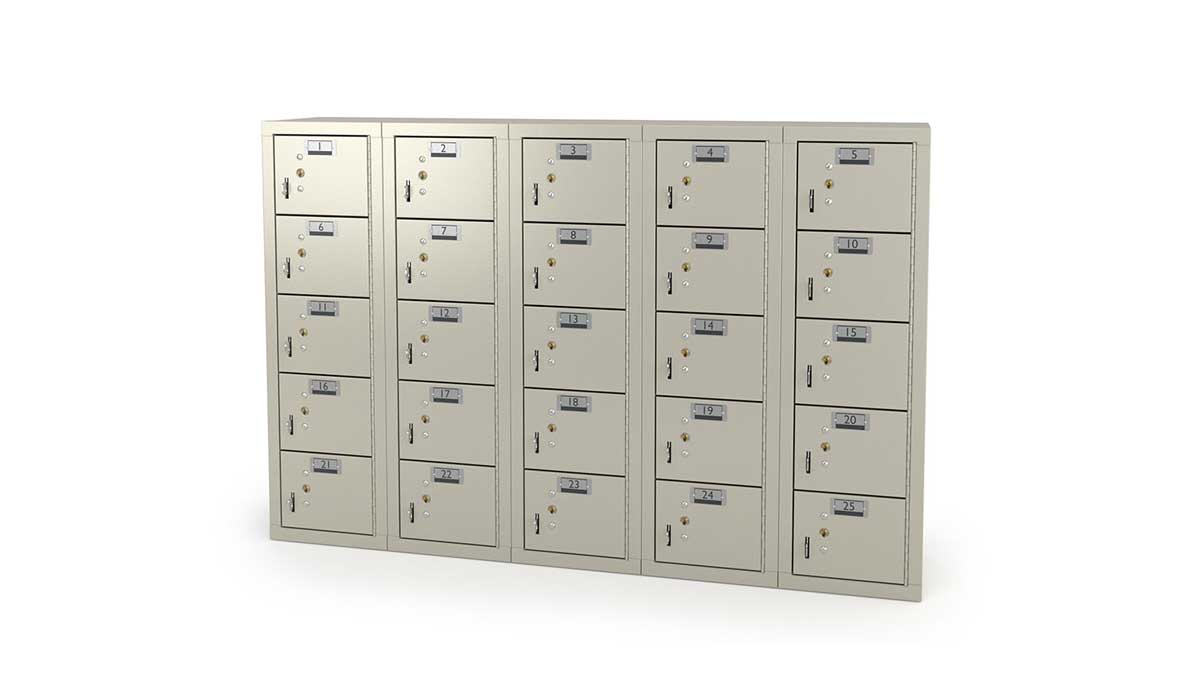
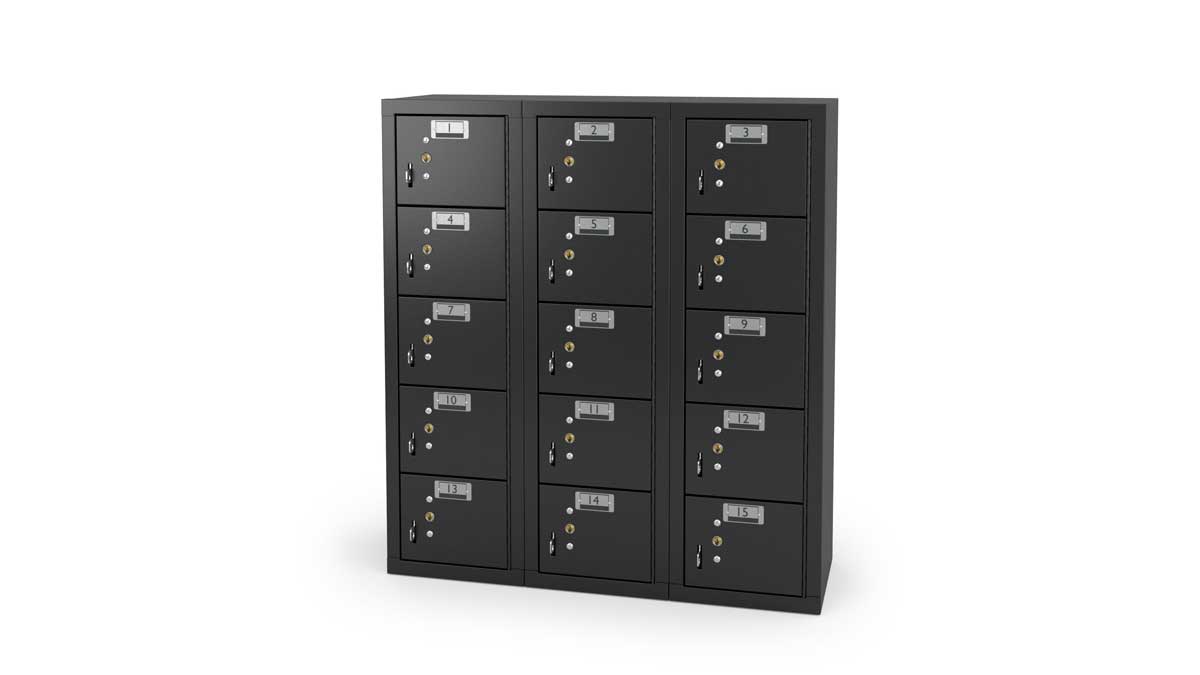
Cell phone lockers are built to securely store personal electronics like phones, earbuds, and smartwatches during the school or workday. Most systems include individual compartments, each with its own locking mechanism such as keyed, combination, PIN, or RFID-controlled options. Some models include built-in charging to keep devices powered while stored.
Students or employees place their device into an assigned compartment and lock it. Access is managed with a code, badge, or admin override, depending on the locker style. Because the system is simple and doesn’t require constant supervision, it’s easy to integrate into classrooms, front offices, or shared staff areas.
How Cell Phone Lockers Improve the School Day
Phones are a constant presence in students’ lives, but during school hours, they can become a major source of distraction. Cell phone lockers help schools create clear boundaries around device use without relying on classroom-by-class enforcement. They support a consistent policy that keeps phones secure and out of sight.
For administrators, lockers provide a practical way to implement no-phone rules while respecting students’ personal property. For teachers, they mean fewer disruptions and better classroom focus. And for parents, lockers offer peace of mind that devices are stored safely during the day.
Secure Workplaces Use Them Too
It’s not just schools enforcing device-free zones. In corporate offices, R&D labs, call centers, and high-security facilities, cell phone lockers help enforce digital access policies and reduce the risk of data leaks. They also support a distraction-free environment for employees handling sensitive tasks.
Key advantages in the workplace:
- Controlled access to phones in restricted areas
- Reduced risk of internal data capture or device misuse
- Separation of personal devices from professional tools
- Easier enforcement of no-phone policies without confrontation
- Peace of mind for both staff and security teams
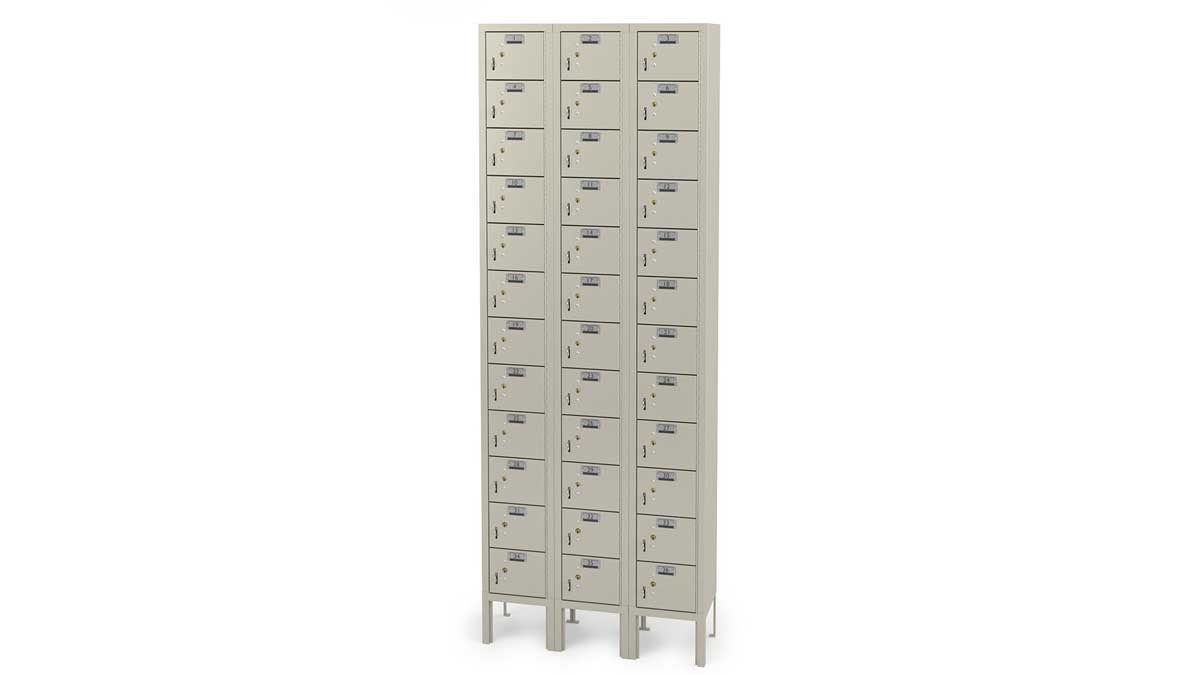
Cell Phone Lockers for K–12 Schools
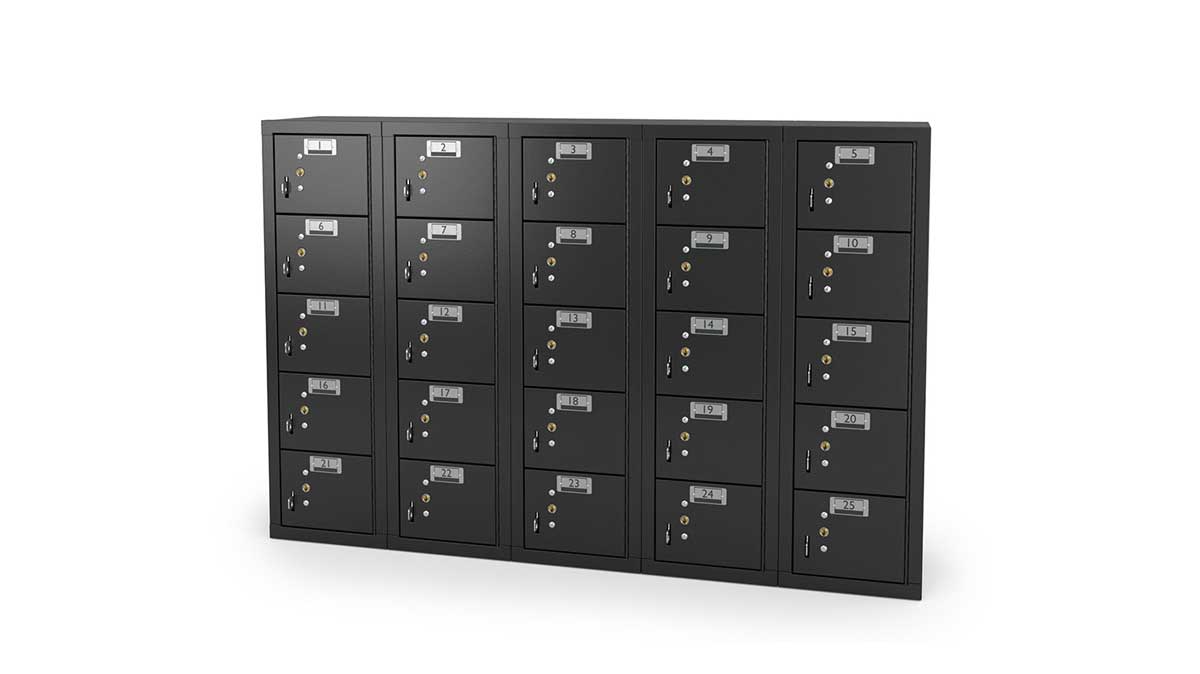
In elementary, middle, and high schools, personal devices can lead to distraction, cheating, and classroom disruptions. Cell phone lockers provide a consistent solution that helps schools implement phone‑free policies while still respecting students’ belongings.
By assigning each student a compartment or organizing by homeroom, schools can ensure all devices are accounted for without creating conflict. Some models include charging, and most work with PIN codes or badges so staff don’t need to monitor every interaction.
- Reduces classroom phone use without confrontations
- Provides a secure method for handling confiscated devices
- Creates consistent device policy enforcement across grades
- Encourages healthier digital habits among students
- Frees teachers from managing phone‑related discipline

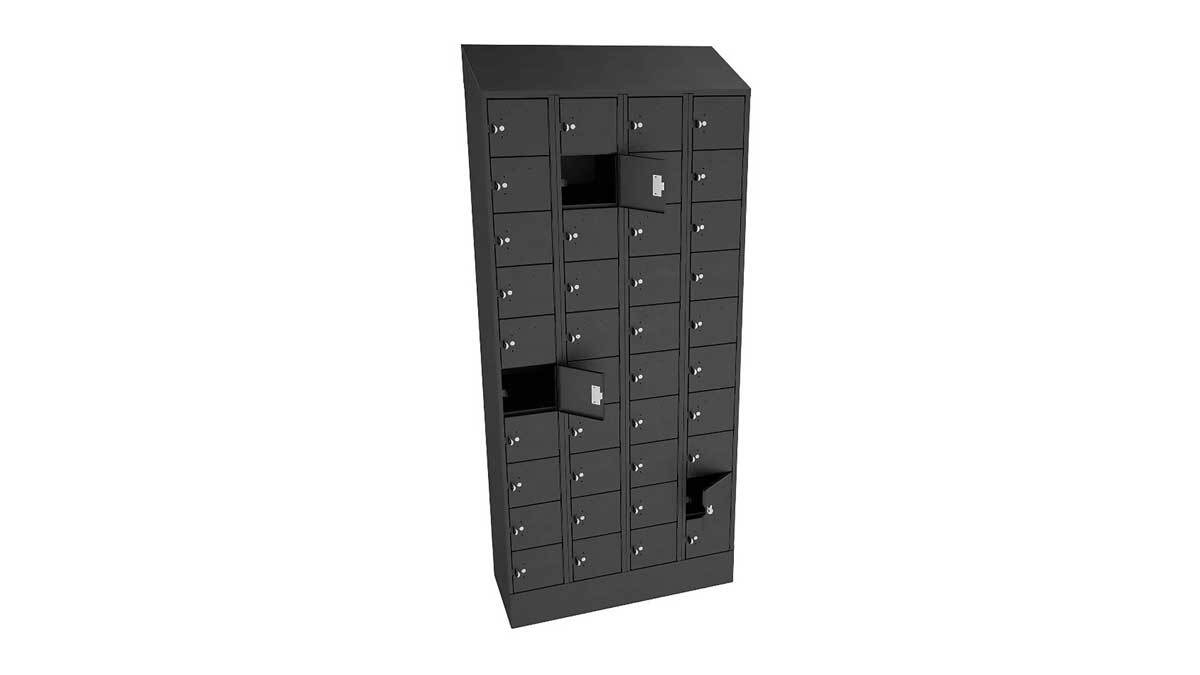
Tablet Locker
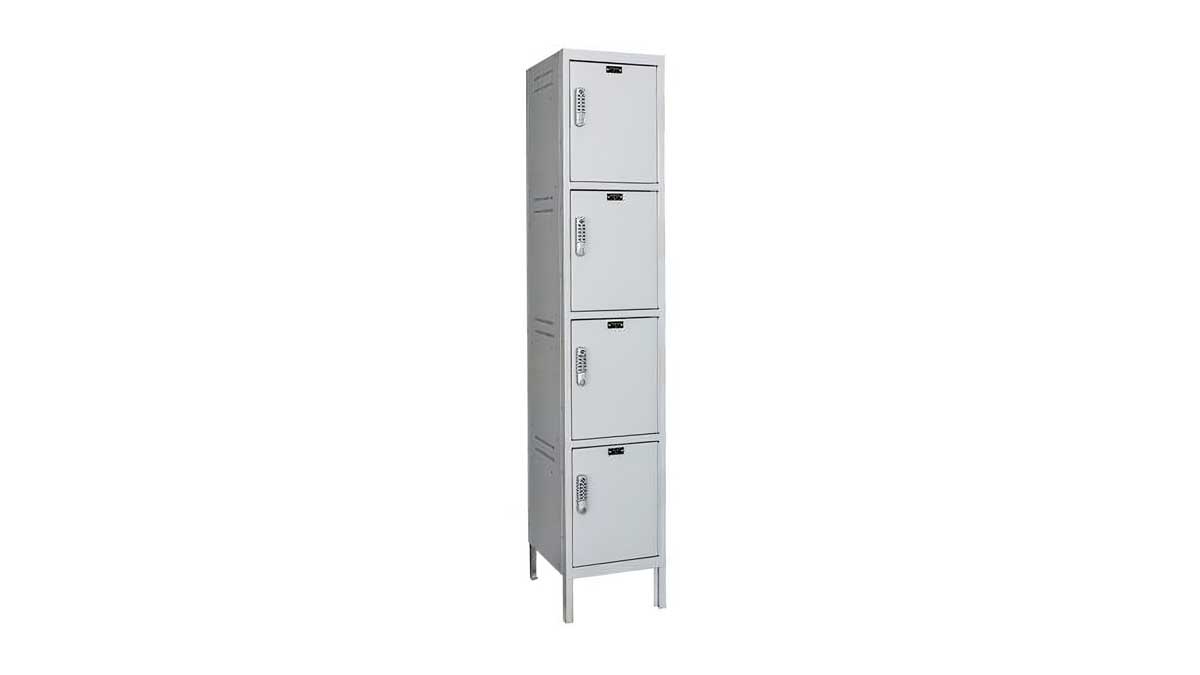
Charging Locker
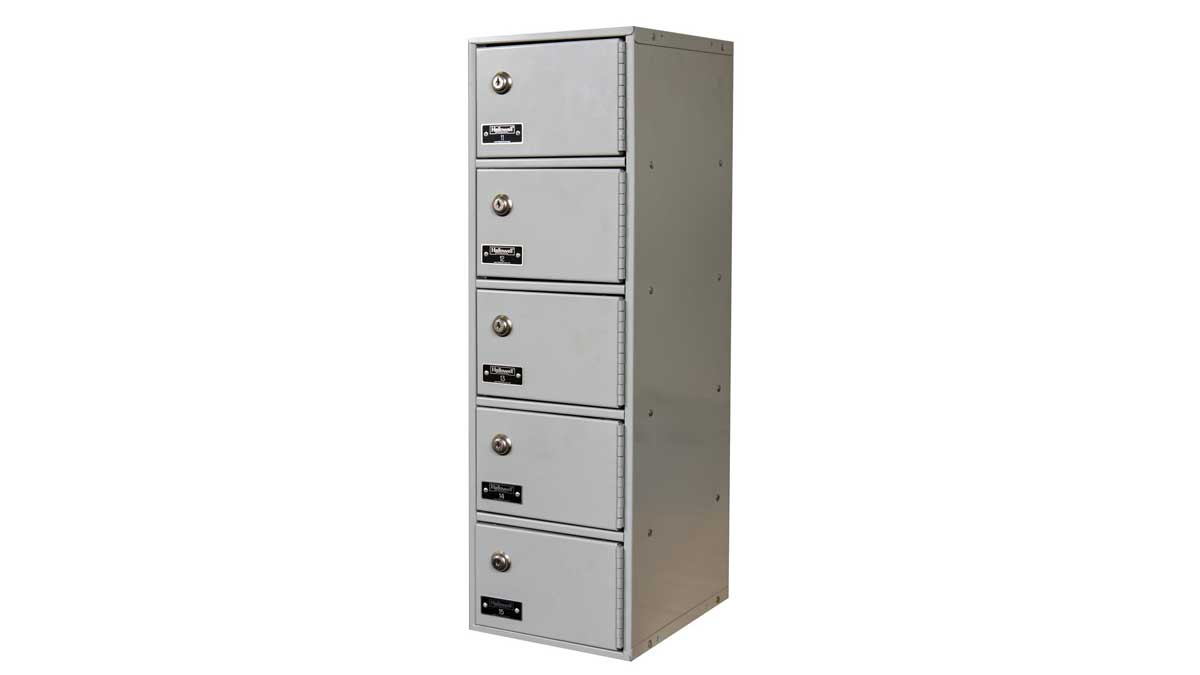
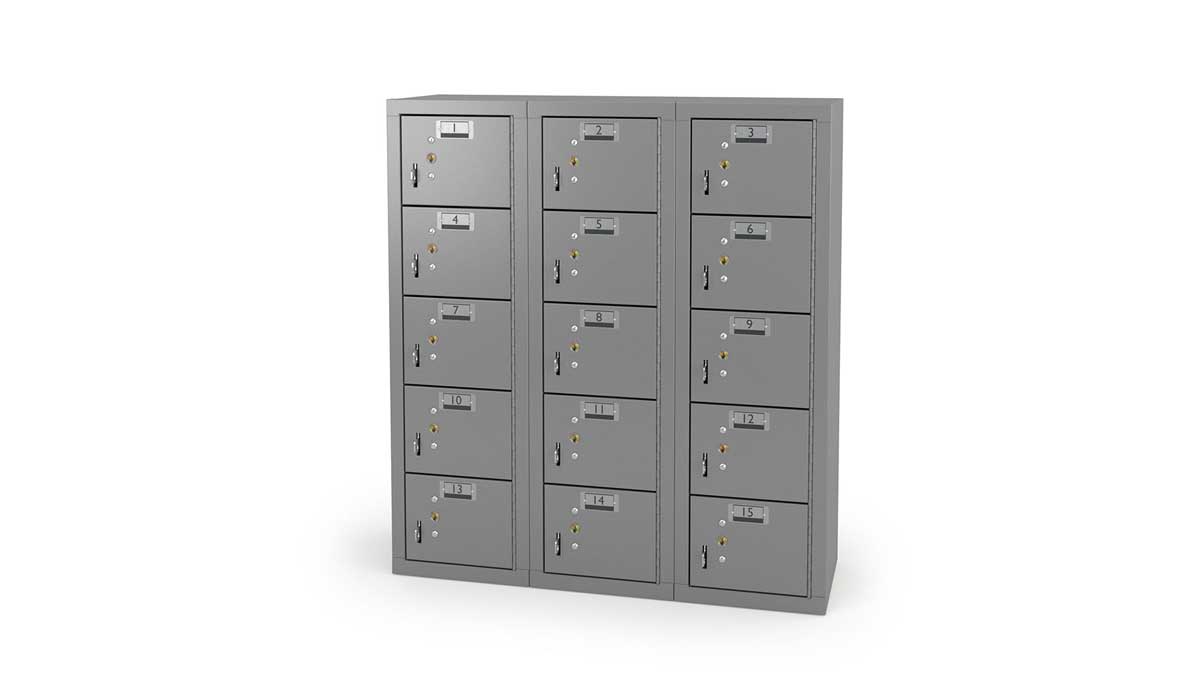
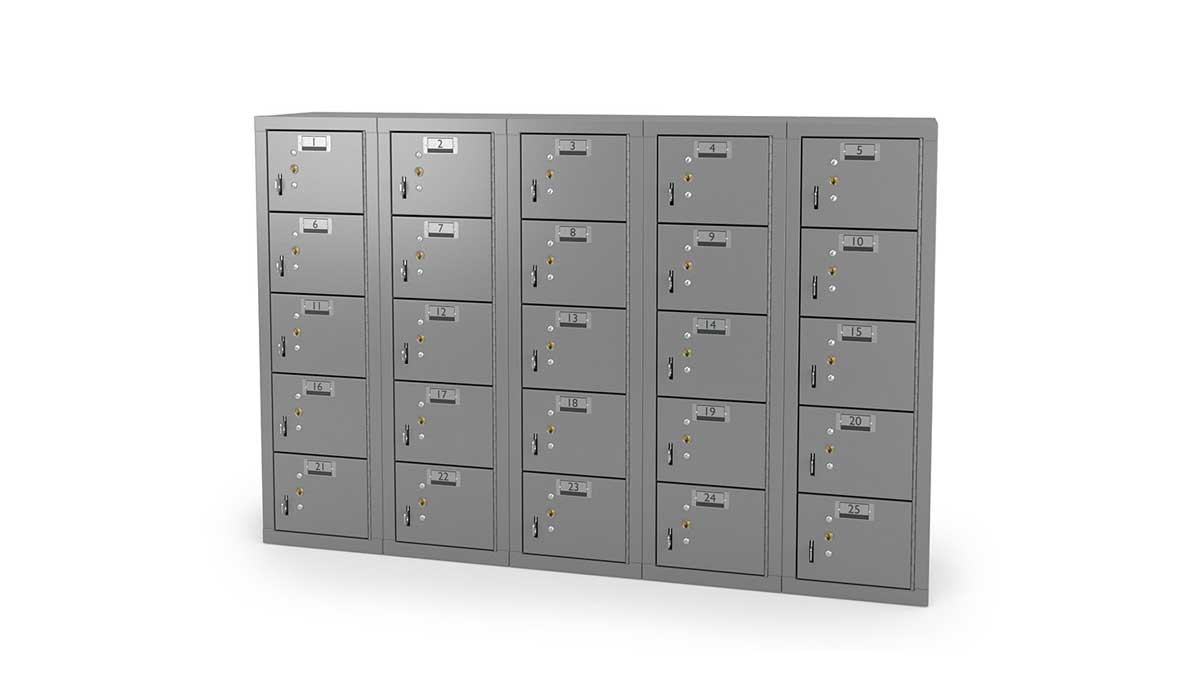
Cell Phone Locker
Honest Results

“Everything is good. The lockers are really high quality. Sam and Jon are a great installation team!”

“We were extremely satisfied with the work of Chester last week. His commitment and tireless work ethic allowed us to get the weapon racks installed in three days versus the 5-7 days we thought it was going to take. He finished the job about 1500 on Thursday…I want to commend him and thank him for his honesty and willingness to go the extra mile to make sure the job was done to standard. We appreciate his honesty and dedication.”

“I wanted to let you know what a pleasure it has been doing business with your firm. The staff at Southwest Solutions Group is knowledgeable, professional and courteous. Art, our account representative, is not only very knowledgeable about your products and services, but he was so prompt in returning my calls, answering questions and provided a bid to us with a one day turnaround! How nice it is to get that level of service! What impressed me most is the detailed binder put together for us in viewing our options/specs/bid/warranty information.”
Southwest Solutions Near You
With 7 offices in Texas, Oklahoma, Kansas and Colorado, plus teams covering every major metro area nationwide, Southwest Solutions Group delivers expert cell phone locker sales, design, installation, and maintenace support wherever you need it.
Cell Phone Locker Service Areas
Texas
- Dallas
- Austin
- Houston
- San Antonio
- Waco
- Tyler
- Amarillo
- Lubbock
- El Paso
- Ft Worth
- Corpus Christi
- Midland
Oklahoma
- Oklahoma City
- Tulsa
- Norman
- Lawton
- Enid
- Stillwater
- McAlester
- Muskogee
Kansas
- Wichita
- Overland Park
- Topeka
- Kansas City
- Lawrence
- Manhattan
- Salina
- Hays
- Dodge City
- Garden City
Colorado
- Denver
- Colorado Springs
- Fort Collins
- Grand Junction
- Pueblo
- Durango
- Alamosa
- Steamboat Springs
Alabama
- Huntsville
- Birmingham
- Montgomery
- Mobile
- Tuscaloosa
- Hoover
- Dothan
- Decatur
Alaska
- Anchorage
- Fairbanks
- Juneau
- Sitka
- Ketchikan
- Kodiak
- Bethel
- Nome
Arizona
- Phoenix
- Tucson
- Flagstaff
- Yuma
- Prescott
- Lake Havasu City
- Sierra Vista
- Kingman
Arkansas
- Little Rock
- Fayetteville
- Fort Smith
- Jonesboro
- Hot Springs
- Pine Bluff
- Texarkana
- Bentonville
California
- Los Angeles
- San Diego
- San Francisco
- Sacramento
- Fresno
- Redding
- Bakersfield
- San Bernardino
Connecticut
- Hartford
- New Haven
- Stamford
- Bridgeport
Delaware
- Wilmington
- Dover
- Newark
- Rehoboth Beach
Florida
- Jacksonville
- Tallahassee
- Orlando
- Tampa
- Miami
- West Palm Beach
- Fort Myers
- Pensacola
Georgia
- Atlanta
- Savannah
- Augusta
- Columbus
- Macon
- Athens
- Valdosta
- Gainesville
Hawaii
- Honolulu
- Hilo
- Kahului
- Kailua-Kona
Idaho
- Boise
- Coeur d'Alene
- Twin Falls
- Idaho Falls
- Pocatello
- Lewiston
- McCall
- Sandpoint
Illinois
- Chicago
- Springfield
- Rockford
- Peoria
- Champaign
- Bloomington
- Carbondale
- Moline
Indiana
- Indianapolis
- Fort Wayne
- South Bend
- Evansville
- Lafayette
- Bloomington
- Terre Haute
- Gary
Iowa
- Des Moines
- Cedar Rapids
- Davenport
- Sioux City
- Iowa City
- Waterloo
- Council Bluffs
- Ames
Kentucky
- Louisville
- Lexington
- Bowling Green
- Owensboro
- Covington
- Paducah
- Ashland
- Richmond
Louisiana
- New Orleans
- Baton Rouge
- Shreveport
- Lafayette
- Lake Charles
- Monroe
- Alexandria
- Houma
Maine
- Portland
- Bangor
- Augusta
- Lewiston
- Waterville
- Presque Isle
- Bar Harbor
- Biddeford
Maryland
- Baltimore
- Annapolis
- Frederick
- Hagerstown
Massachusetts
- Boston
- Worcester
- Springfield
- Pittsfield
Michigan
- Detroit
- Grand Rapids
- Lansing
- Ann Arbor
- Flint
- Traverse City
- Marquette
- Kalamazoo
Minnesota
- Minneapolis
- St. Paul
- Duluth
- Rochester
- Mankato
- St. Cloud
- Bemidji
- Moorhead
Mississippi
- Jackson
- Gulfport
- Hattiesburg
- Biloxi
- Southaven
- Meridian
- Tupelo
- Natchez
Missouri
- Jefferson City
- St. Louis
- Kansas City
- Springfield
- Columbia
- Joplin
- Cape Girardeau
- St. Joseph
Montana
- Helena
- Billings
- Missoula
- Great Falls
- Bozeman
- Kalispell
- Havre
- Miles City
Nebraska
- Lincoln
- Omaha
- Grand Island
- Kearney
- Scottsbluff
- Norfolk
- North Platte
- Fremont
Nevada
- Las Vegas
- Reno
- Carson City
- Elko
- Pahrump
- Henderson
- Winnemucca
- Mesquite
New Hampshire
- Concord
- Manchester
- Portsmouth
- Keene
New Jersey
- Newark
- Jersey City
- Trenton
- Atlantic City
New Mexico
- Santa Fe
- Albuquerque
- Las Cruces
- Roswell
- Farmington
- Gallup
- Carlsbad
- Clovis
New York
- Albany
- New York City
- Buffalo
- Rochester
- Syracuse
- Binghamton
- Ithaca
- Plattsburgh
North Carolina
- Raleigh
- Charlotte
- Greensboro
- Asheville
- Wilmington
- Fayetteville
- Boone
- Greenville
North Dakota
- Bismarck
- Fargo
- Grand Forks
- Minot
- Dickinson
- Williston
- Jamestown
- Devils Lake
Ohio
- Columbus
- Cleveland
- Cincinnati
- Toledo
- Dayton
- Akron
- Youngstown
- Athens
Oregon
- Portland
- Salem
- Eugene
- Hermiston
- Baker City
- Medford
- Bend
- Klamath Falls
Pennsylvania
- Harrisburg
- Philadelphia
- Pittsburgh
- Erie
- Scranton
- State College
- Allentown
- Williamsport
Rhode Island
- Providence
- Warwick
- Newport
- Woonsocket
South Carolina
- Columbia
- Charleston
- Greenville
- Myrtle Beach
- Hilton Head Island
- Spartanburg
- Florence
- Rock Hill
South Dakota
- Pierre
- Sioux Falls
- Rapid City
- Aberdeen
- Watertown
- Brookings
- Mitchell
- Yankton
Tennessee
- Memphis
- Jackson
- Nashville
- Clarksville
- Cookeville
- Chattanooga
- Knoxville
- Johnson City
Utah
- Salt Lake City
- Ogden
- Logan
- Provo
- St. George
- Cedar City
- Moab
- Vernal
Vermont
- Montpelier
- Burlington
- Rutland
- Brattleboro
Virginia
- Richmond
- Norfolk
- Virginia Beach
- Roanoke
- Lynchburg
- Harrisonburg
- Fredericksburg
- Bristol
Washington
- Olympia
- Seattle
- Spokane
- Yakima
- Bellingham
- Wenatchee
- Kennewick
- Vancouver
West Virginia
- Charleston
- Huntington
- Morgantown
- Wheeling
- Parkersburg
- Beckley
- Martinsburg
- Bluefield
Wisconsin
- Madison
- Milwaukee
- Green Bay
- Eau Claire
- La Crosse
- Wausau
- Appleton
- Superior
Wyoming
- Cheyenne
- Casper
- Laramie
- Gillette
- Sheridan
- Rock Springs
- Jackson
- Cody
District of Columbia
- Washington D.C.
Frequently Asked Questions
Cell phone lockers can be equipped with several lock types, including padlock hasps, keyed locks, keypad locks, and RFID access locks. These lock choices allow cell phone storage lockers to serve environments such as schools, fitness centers, water parks, data centers, and evidence rooms where secure personal device storage is required.
Cell phone lockers can include low voltage charging inside each device compartment, such as USB-A and USB-C ports. These charging ports allow cell phone storage lockers to keep devices powered while secured, and they can also be specified with traditional receptacles in the rear wiring channel when needed.
Cell phone lockers are commonly offered in 6 inch by 6 inch compartments for phones, with optional 12 inch openings when storing tablets or mixed devices. These sizes allow metal or laminate cell phone lockers to support a wide range of applications.
Cell phone lockers are naturally vented, allowing airflow around stored phones. Temperature-controlled cell phone storage lockers are not typically available, although clear doors and ventilation patterns can be added to improve visibility and heat dissipation.
Yes, cell phone lockers can be built with clear polycarbonate doors that allow easy visual confirmation of stored devices. Schools, correctional facilities, and workplaces often use clear-door cell phone lockers to verify whether each compartment is occupied.
Cell phone lockers can be wall-mounted or freestanding. Wall-mounted cell phone lockers may require backing in the wall to support the weight, while freestanding cell phone locker towers can be installed without structural modification.
Yes, cell phone lockers are available with either flat or sloped tops. Sloped tops are commonly recommended for environments such as schools or secure buildings to prevent clutter from accumulating on top of the lockers.
Yes, cell phone lockers can be configured either as wall-mounted space-saving units or as freestanding cabinet-style towers. Wall-mounted cell phone lockers may require blocking behind the mounting surface.
Explore Our Lockers
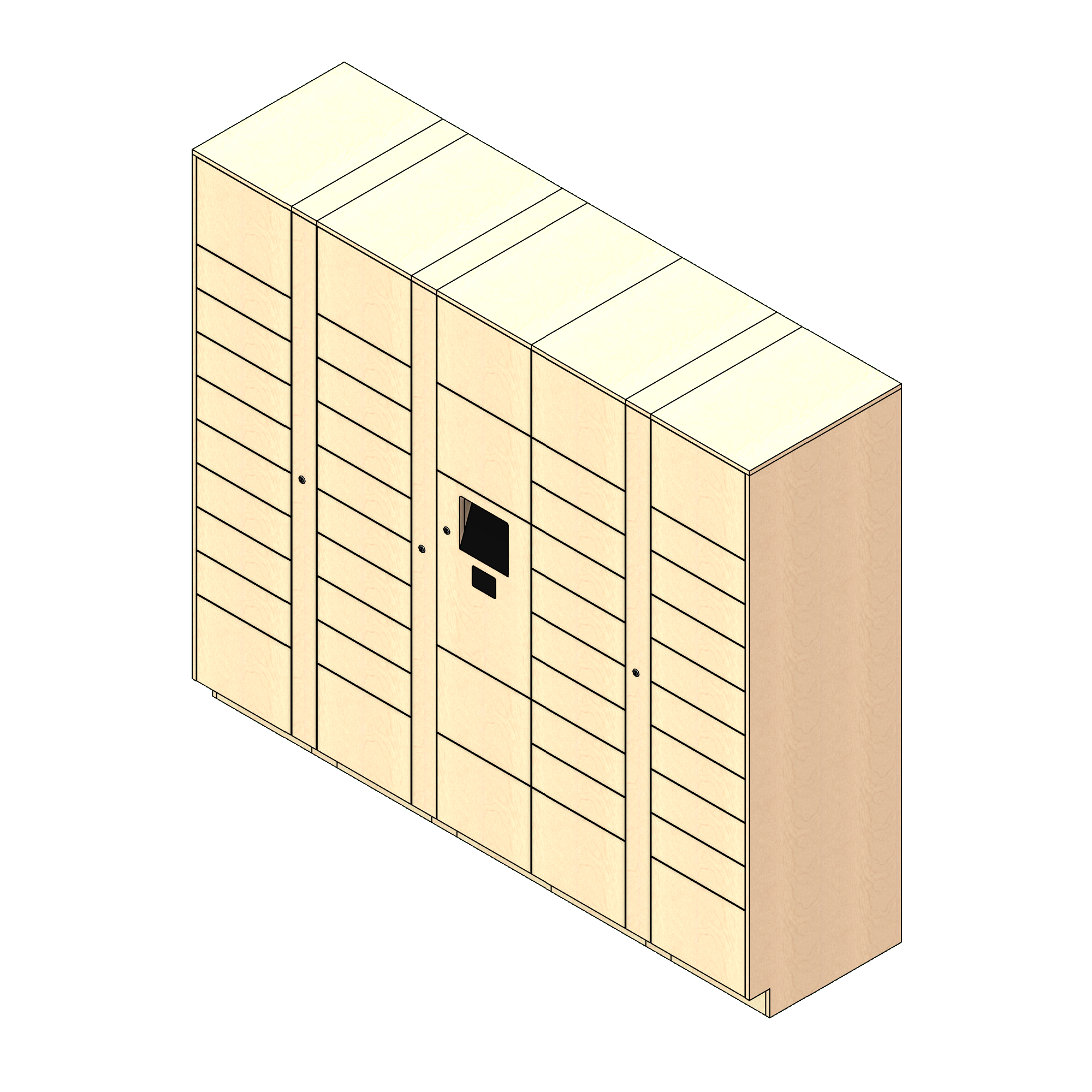
Smart Lockers
Upgrade to intelligent lockers with cloud-based access control, audit trails, and real-time alerts.
Explore Smart Lockers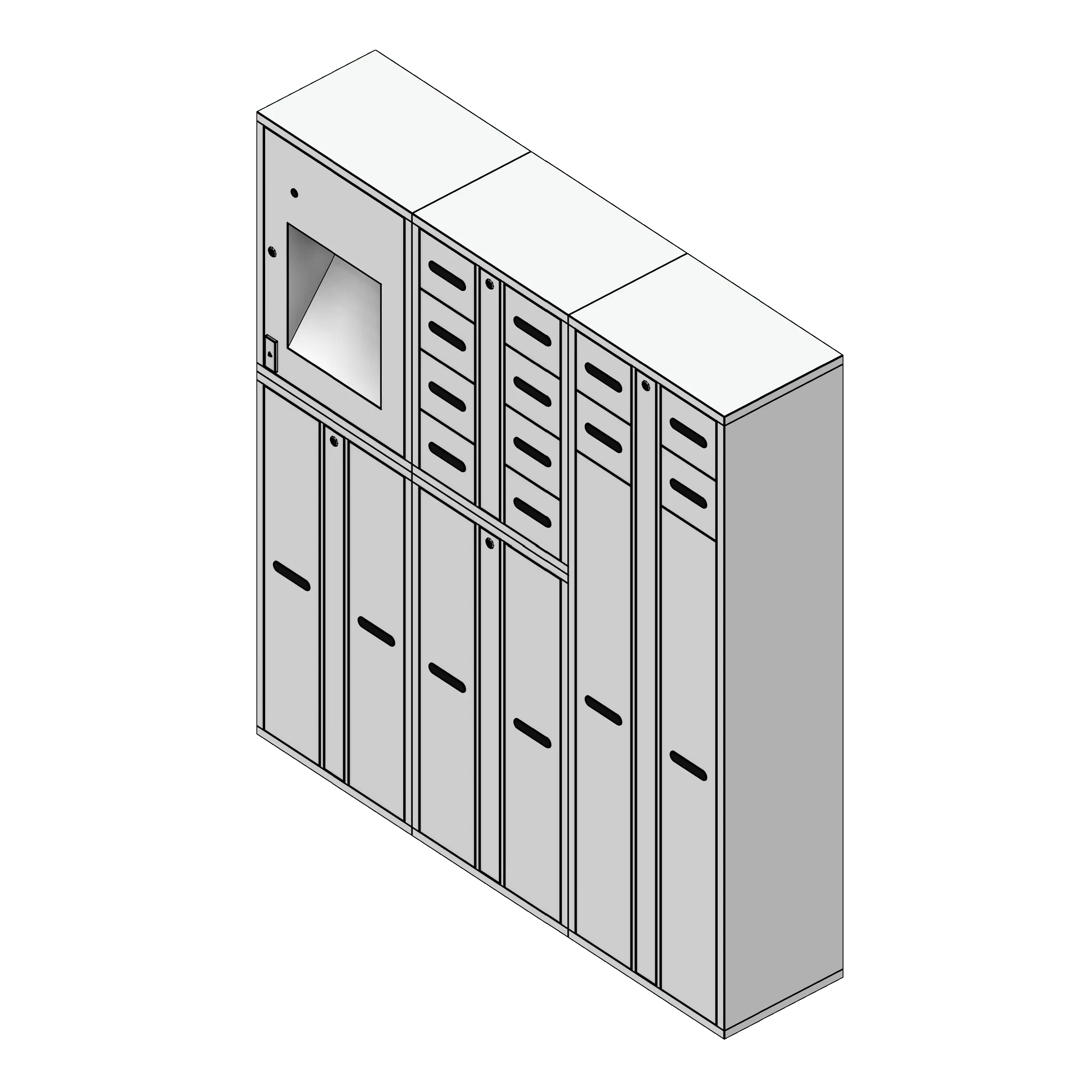
Gun Lockers
Secure weapons and gun lockers for police, military, and tactical teams—designed to protect firearms and gear with fast, controlled access.
Explore Gun Lockers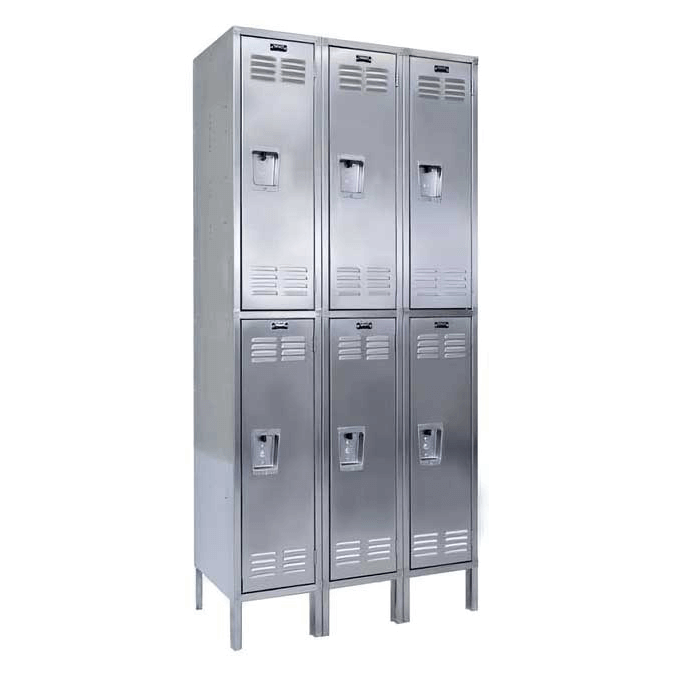
Stainless Steel Lockers
Corrosion-resistant stainless steel lockers built for high-moisture and hygiene-critical spaces like hospitals, labs, food plants, and aquatic centers.
Explore Stainless Steel Lockers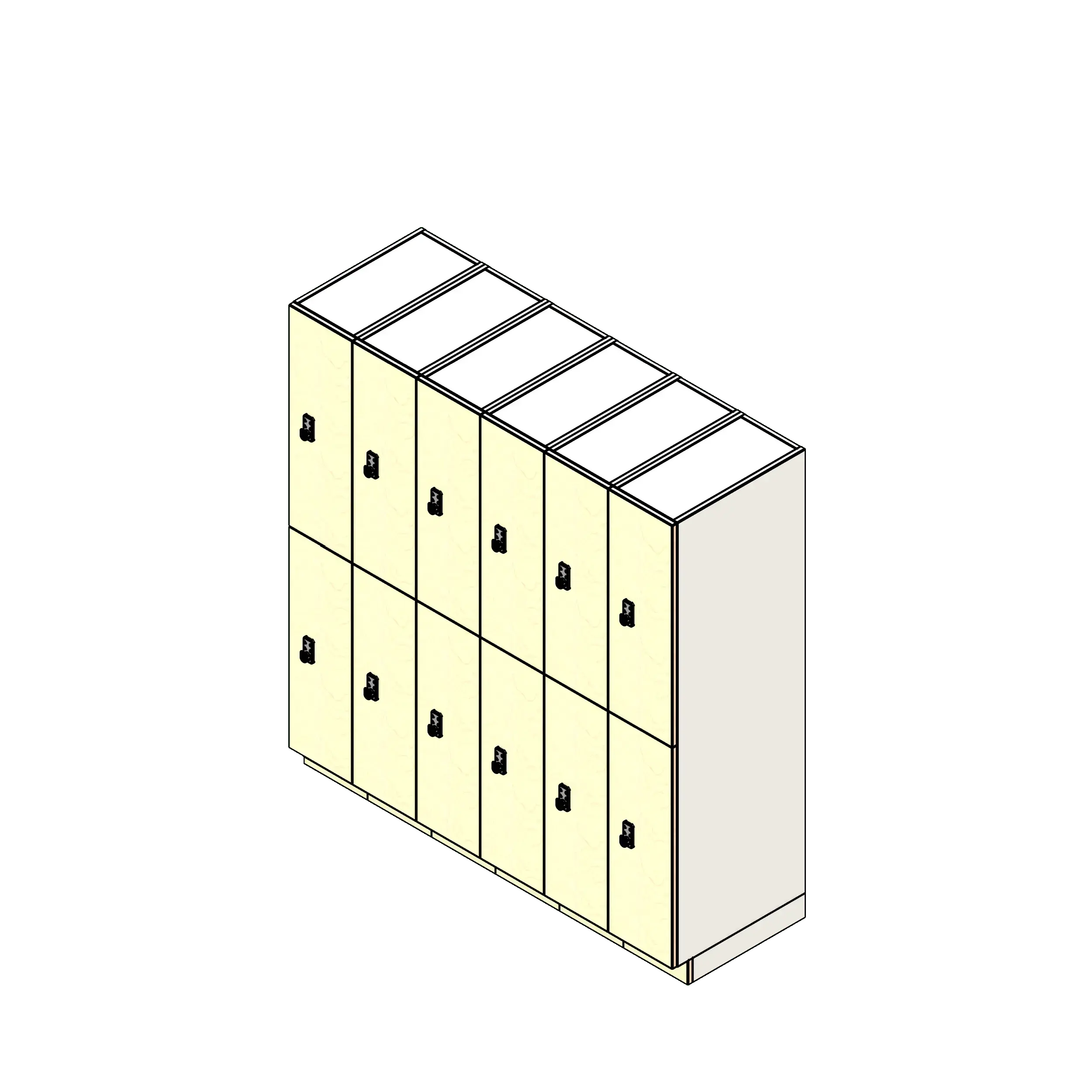
Keyless Lockers
Secure, touch-free keyless lockers with PIN, RFID, or mobile access for modern offices, gyms, schools, and public safety use.
Explore Keyless Lockers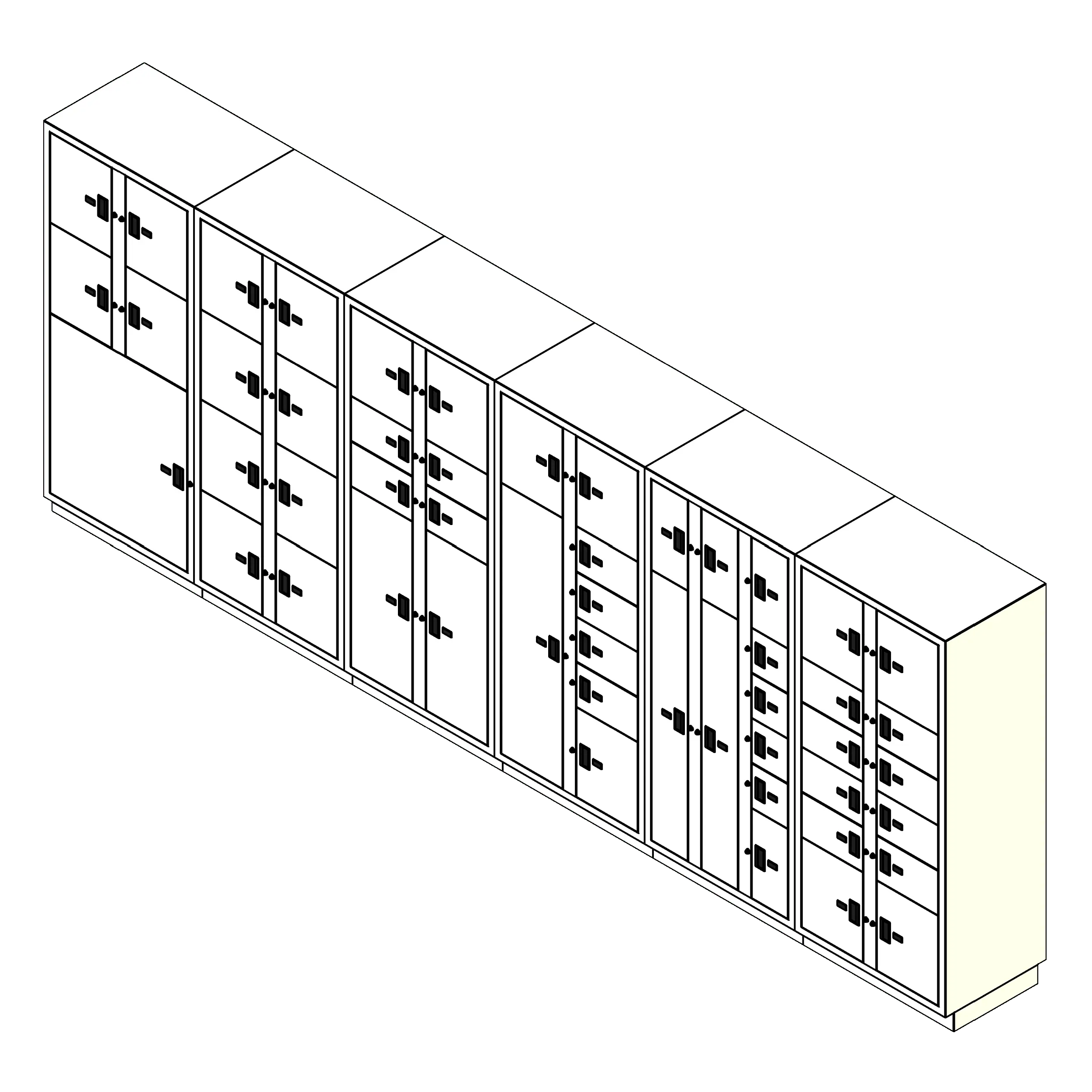
Evidence Lockers
Maintain chain of custody with pass-through or digital evidence lockers for police, courts, and federal agencies.
Explore Evidence Lockers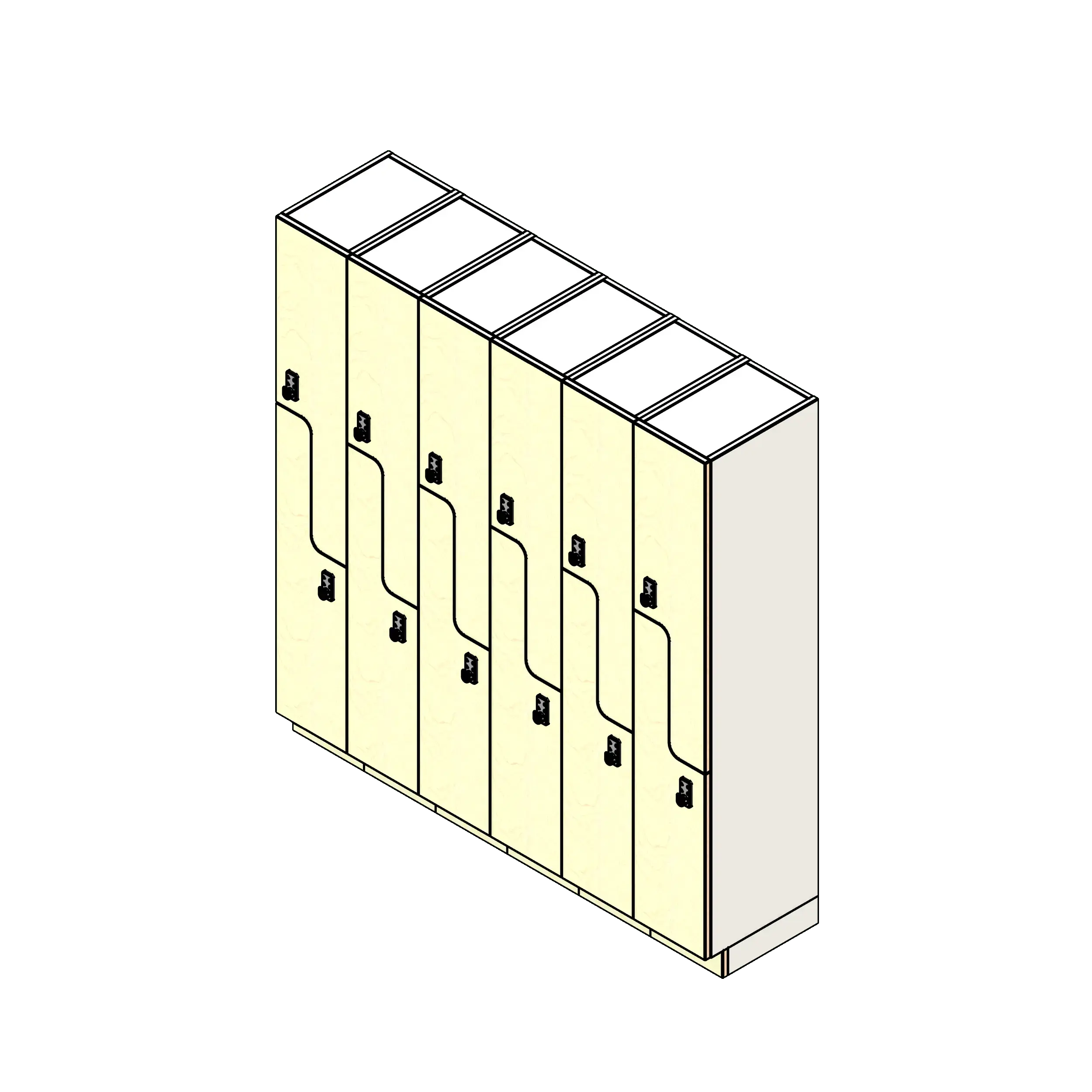
Employee Locker
Keep shared spaces organized with high-quality employee locker systems built for modern workplace needs.
Explore Employee Lockers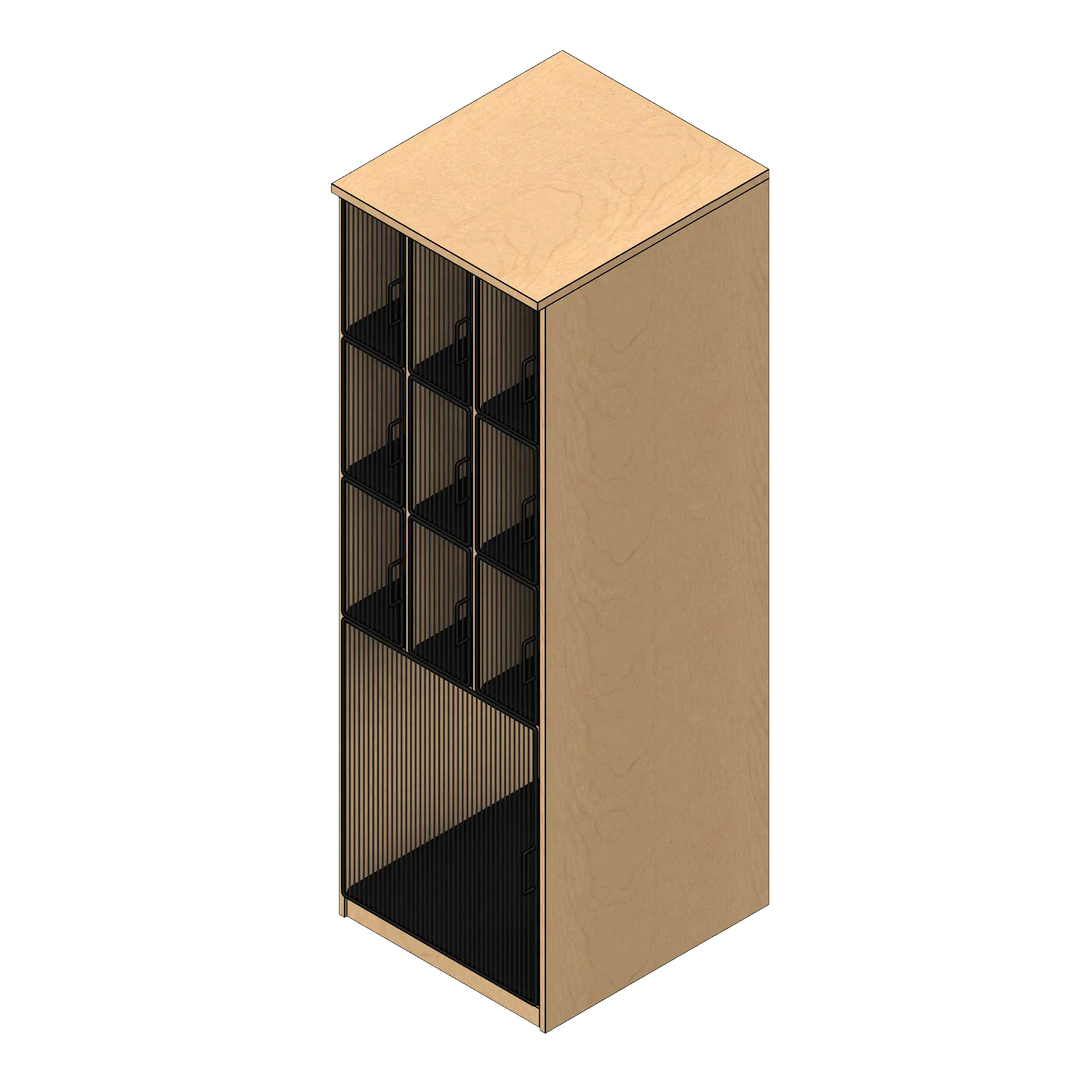
Instrument Storage Locker
Protect band instruments with secure, vented instrument storage locker systems designed for schools, bands, and music rooms.
Explore Instrument Storage Lockers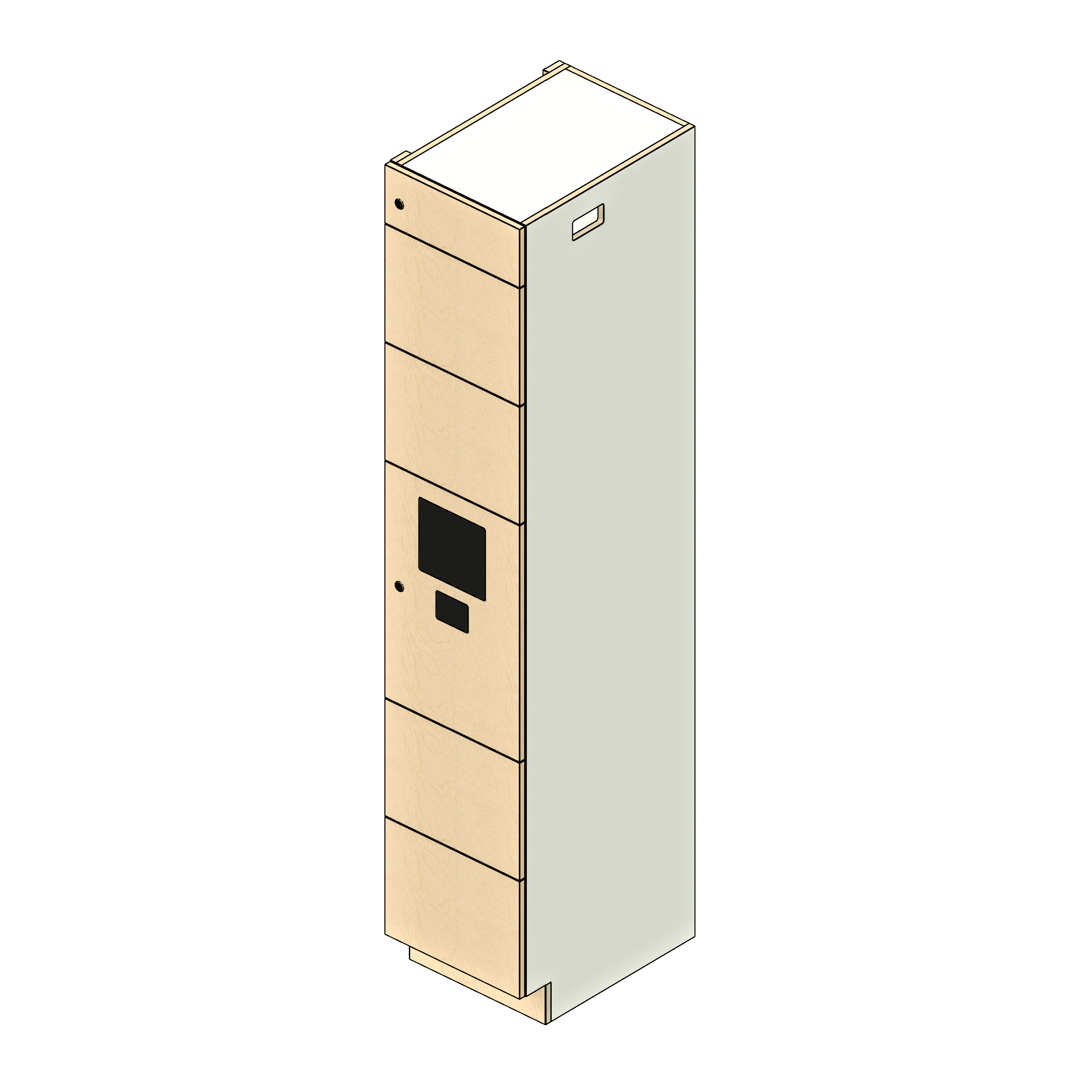
Smart Parcel Lockers
Eliminate missed deliveries and prevent theft with secure, app-enabled smart package lockers.
Explore Smart Parcel Lockers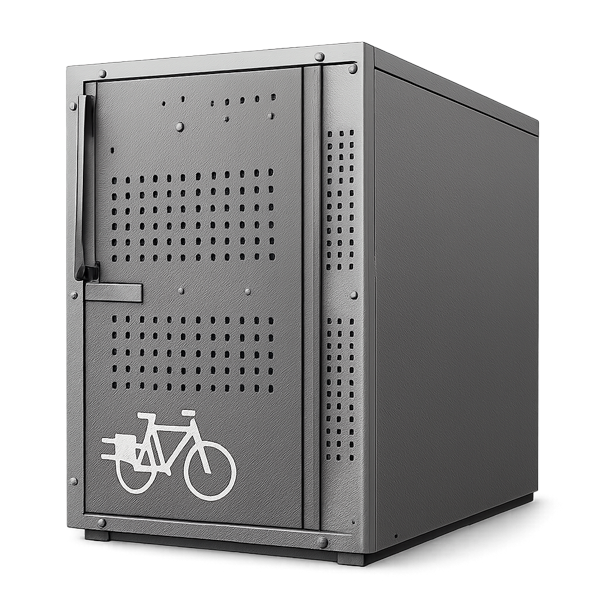
Outdoor Bike Lockers
Heavy-duty outdoor bike lockers built for security, weather resistance, and tamper-proof storage at worksites, campuses, and public facilities.
Explore Outdoor Bike LockersCreate a Secure, Distraction-Free Environment
Whether you’re preparing for new device policies in schools or reinforcing security in sensitive workplaces, cell phone lockers offer a simple way to protect privacy and support focus. Our team can help you select the right system for your environment—whether you need charging options, keyed access, or scalable locker banks.
We’ve helped schools, labs, and public facilities implement storage that works with their space and their policies. Let us do the same for you.
Call us at (800) 803-1083 or Contact Us to schedule your free consultation today.
REQUEST A FREE CONSULTATION