Museum Cabinets for Preservation, Access & Growth
Museum cabinets protect collections from light, dust, pests, and humidity while maximizing capacity and day-to-day access. From flat files to sealed specimen drawers, our museum-grade cabinets are built with inert materials to support conservation best practices in art museums, universities, and government institutions. Get design help, budgeting guidance, and coordinated install from Southwest Solutions Group. Need BIM resources? Download Revit files or request a consultation to plan the right mix of flat files, glass-front visible storage, and specialty cabinets for your collection.
Museum Display Cabinet To Protect Collections
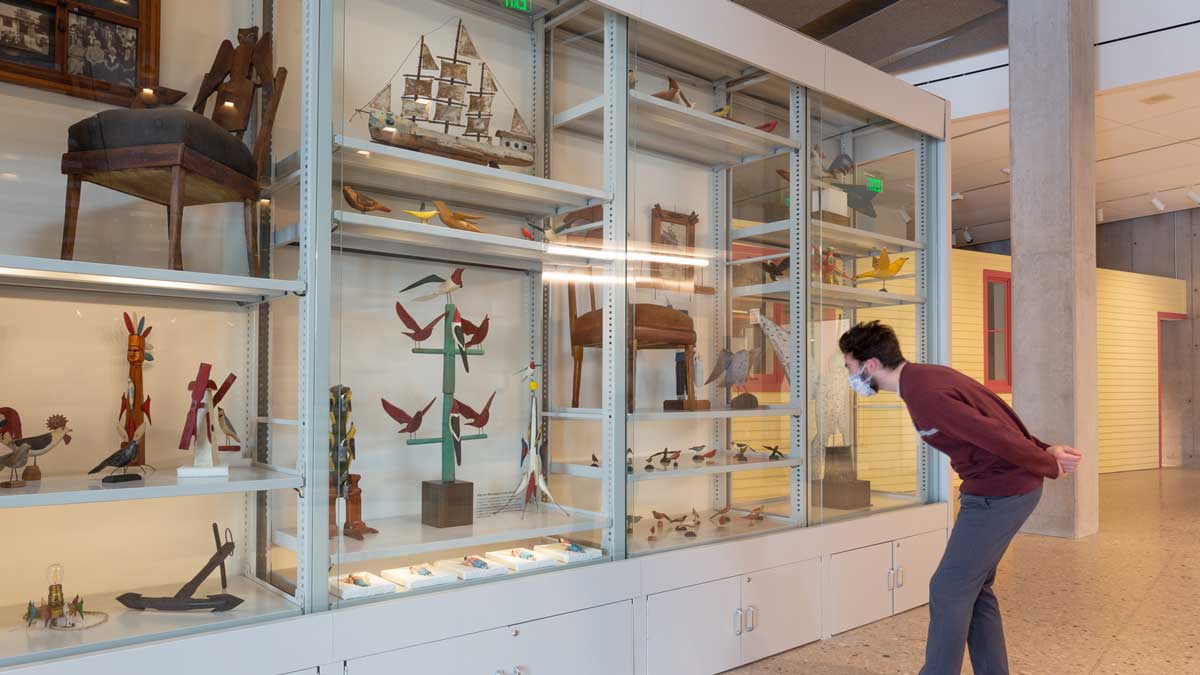
Museum storage cabinets shield artifacts from common threats like light exposure, dust, pollutants, and pest infestation. A museum display cabinet uses sealed enclosures and stable materials that won’t off-gas or harm objects over time. Available in flat file, upright, or glass-front styles, they create safe environments for everything from paper and fabric to natural history specimens.
Benefits include:
- Sealed interiors with light- and pest-resistant design
- Inert materials for long-term preservation
- Multiple cabinet styles for flat, vertical, or hanging items
- Optional climate control features
- Designed to meet museum-grade standards
Airtight Cabinet Solutions for Any Collection Type
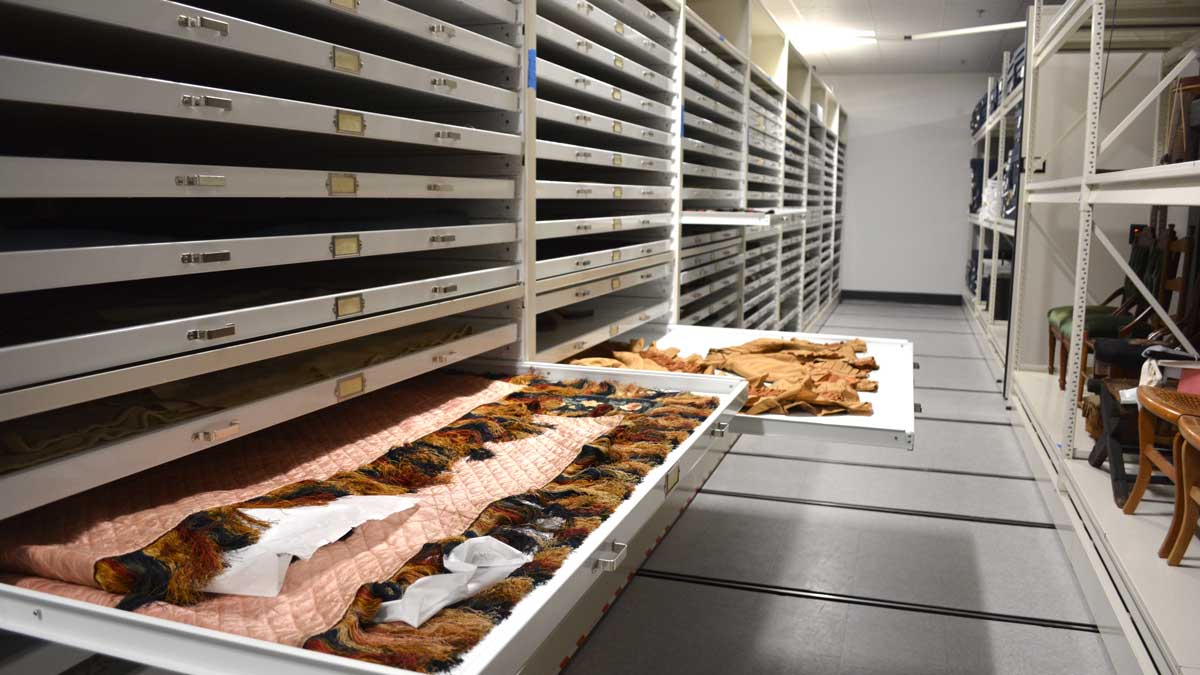
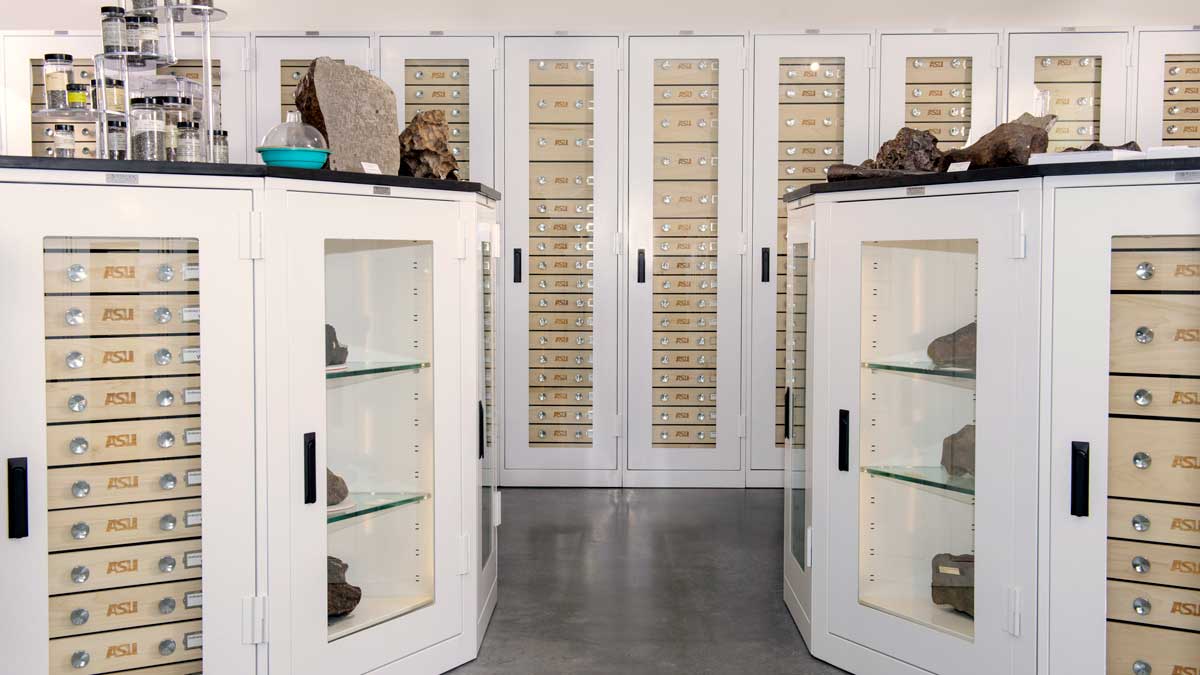
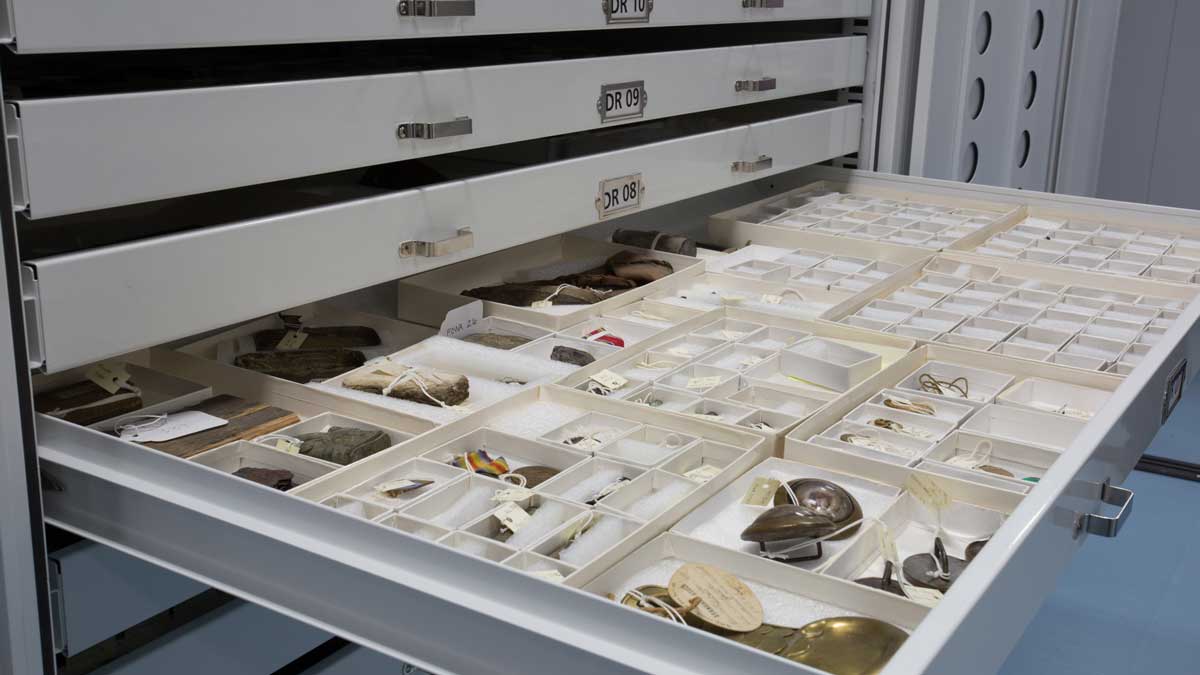
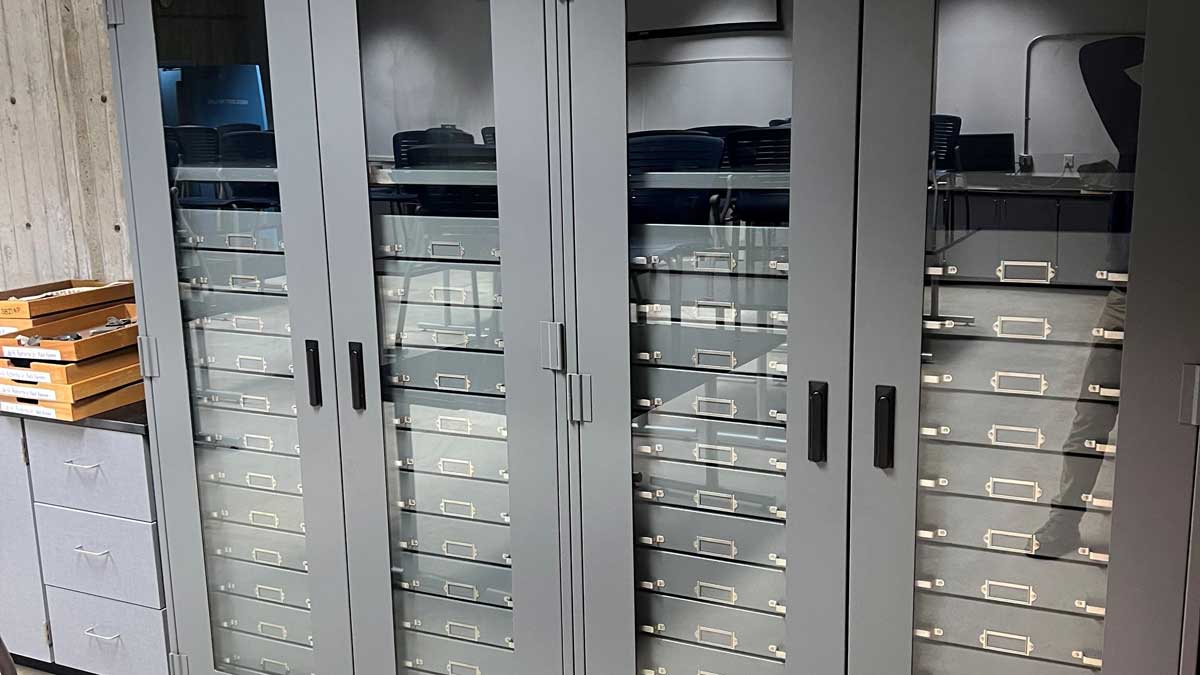
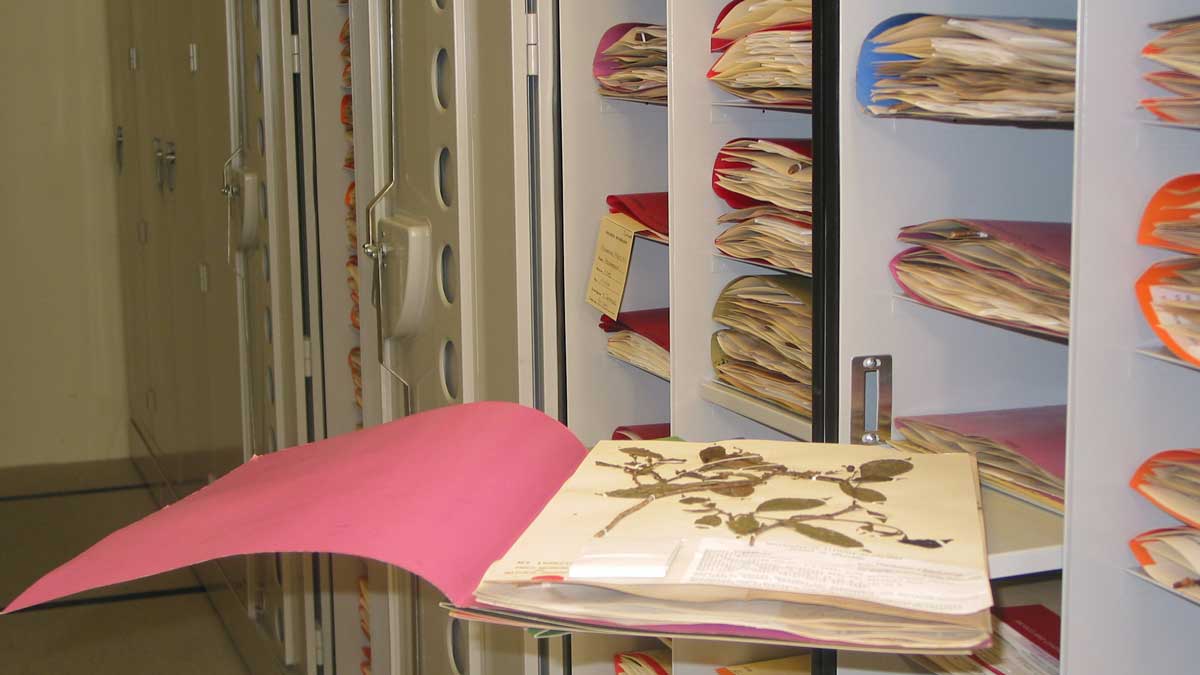
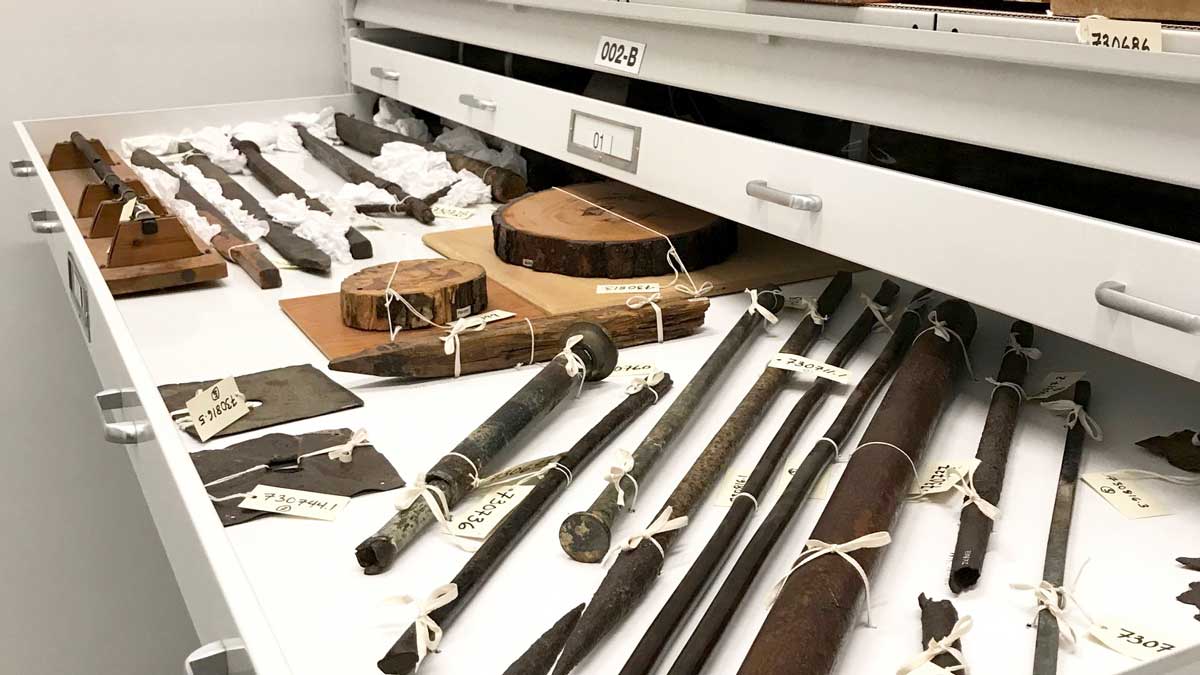
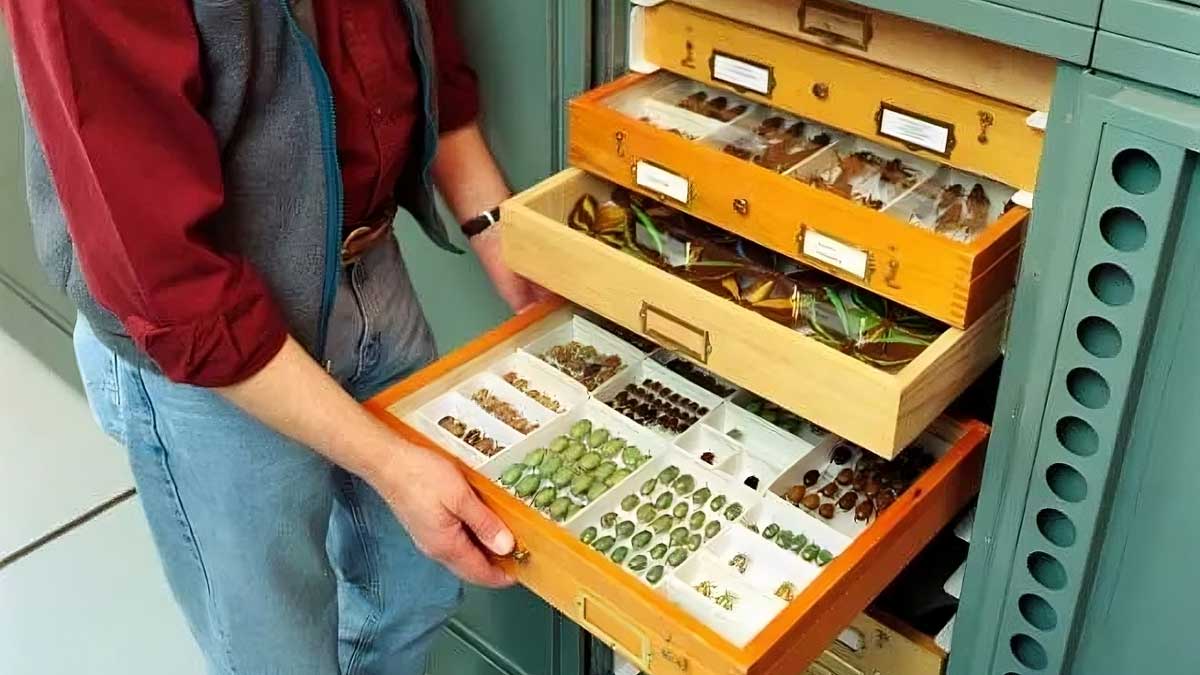
Cabinet types vary to meet the needs of specific collections. Flat file cabinets are ideal for maps, prints, and textiles. Natural history items like rocks, insects, or dried plants require specialty cabinet interiors with reinforced shelves or sealed trays. Some museums opt for glass-top cabinets to display fragile items without direct handling, while others specify an airtight cabinet with sealed gaskets for added protection.
Museum Cabinets for Storage:
- Flat file drawers for large paper and textiles
- Insect trays and specimen drawers
- Rock storage with reinforced supports
- Glass-front or glass-top viewing options
- Adjustable shelving for multi-type collections
Maximize Storage Capacity With Museum Storage Cabinets
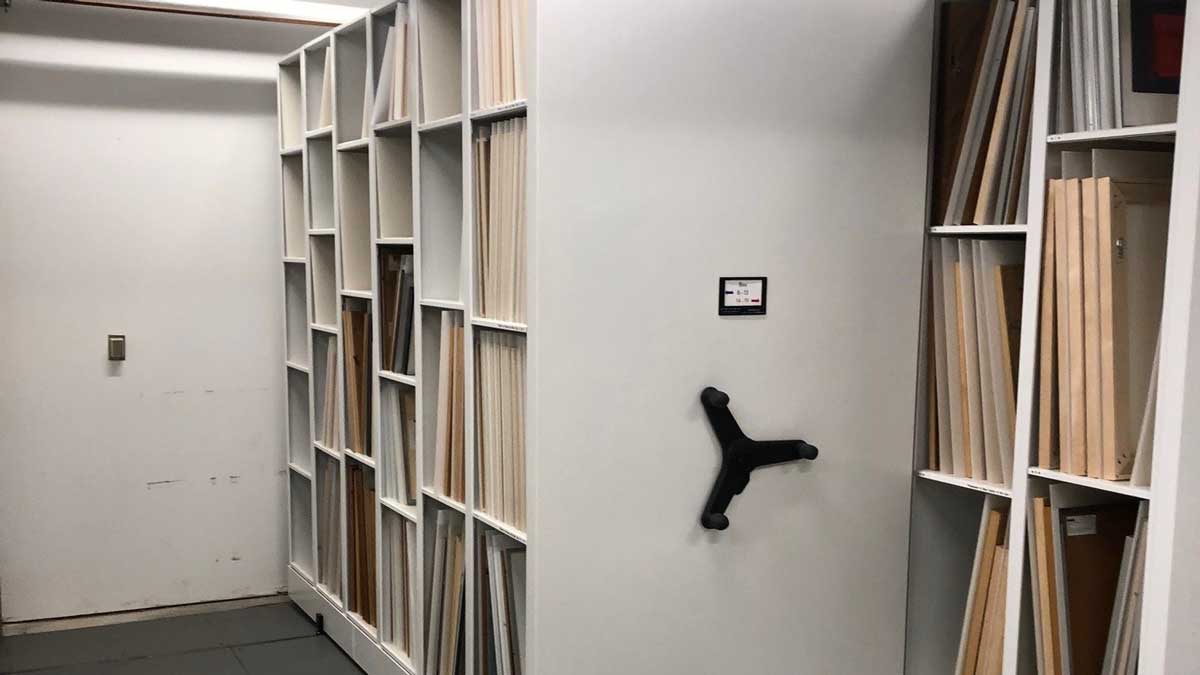
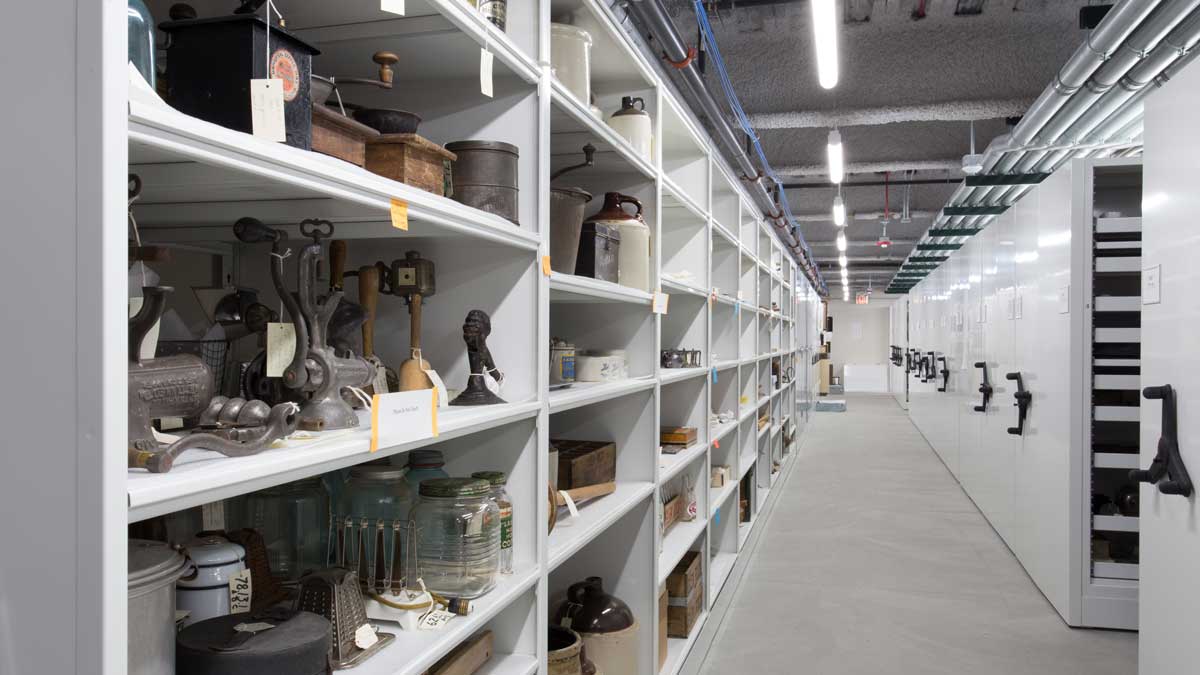
As museum collections grow, traditional shelving can’t keep up. Museum storage cabinets condense stored items into smaller footprints using vertical space and enclosed drawers. Most institutions gain 30 to 50% more capacity within the same square footage by converting from open shelving to cabinet systems.
Museum Cabinets for Storage:
- High-density layouts save 30–50% of floor space
- Uses full height and depth of cabinet footprint
- Stackable or mobile options available
- Efficient inventory organization and labeling
- Fits archival boxes, trays, or loose objects
Museum Cabinets for Art Museums
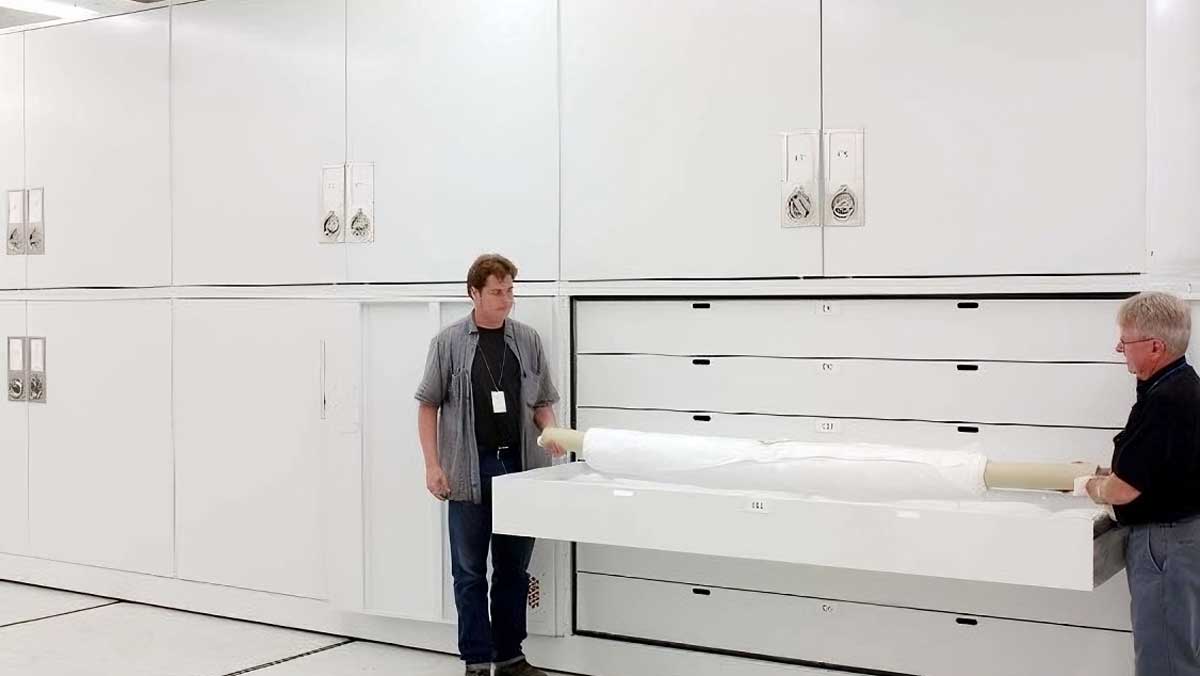
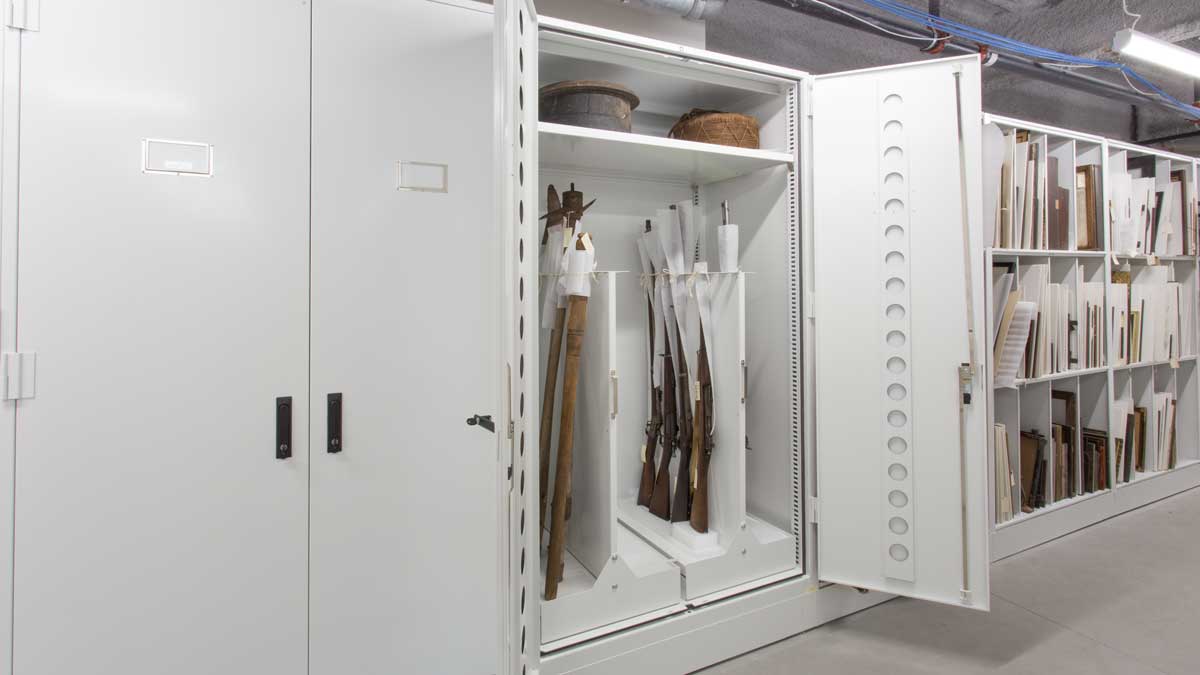
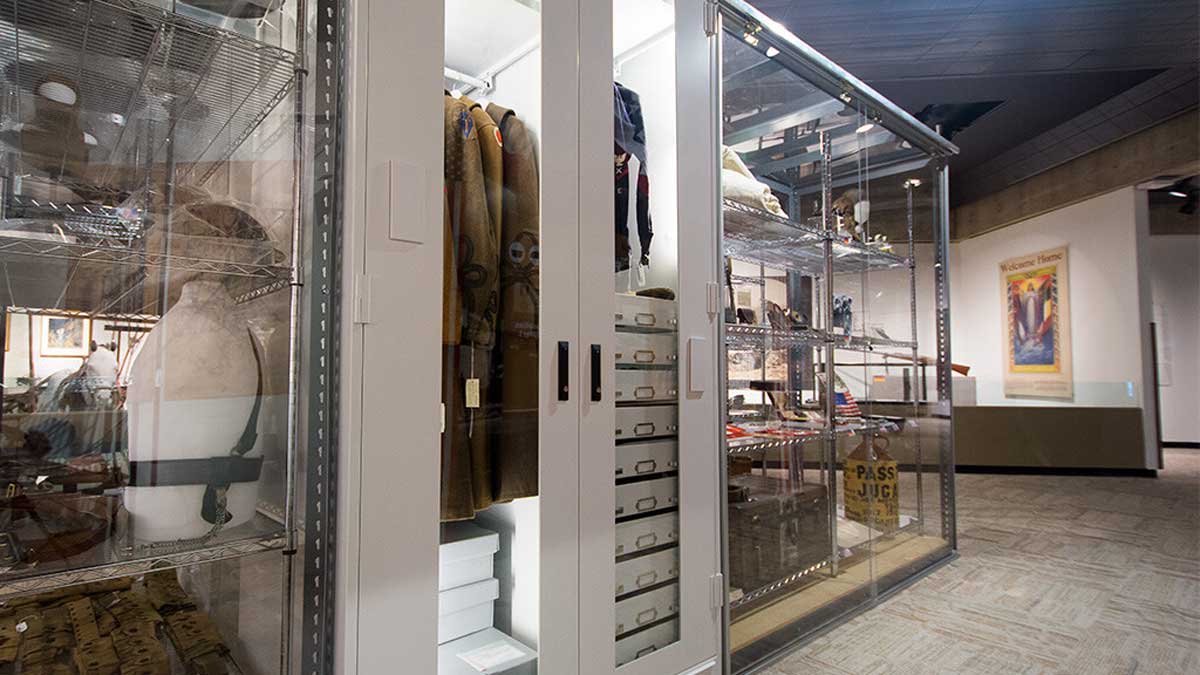
Art museums require cabinet interiors that resist off-gassing and block dust and light. Museum cabinets include fully gasketed doors and powder-coated, inert steel to safeguard canvases, framed works, and mixed-media collections.
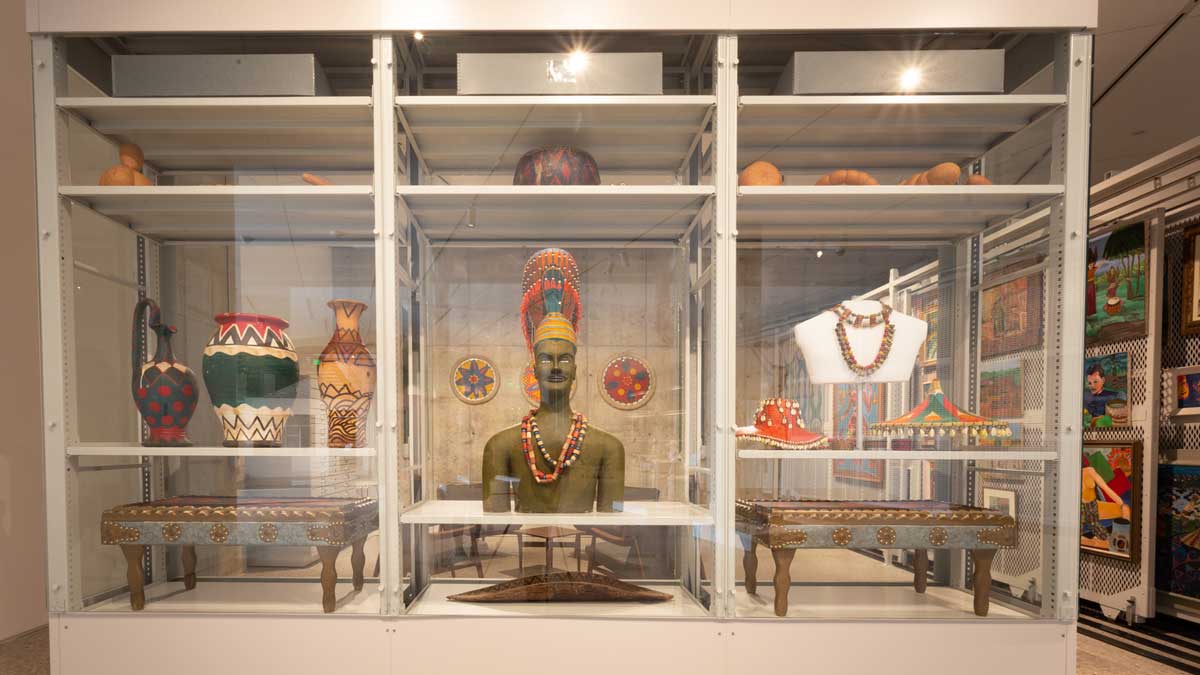
Flat files, wardrobe-style enclosures, and glass-front visible-storage options keep collections accessible for study while preserving condition.
- Sealed doors and drawers prevent dust and pests.
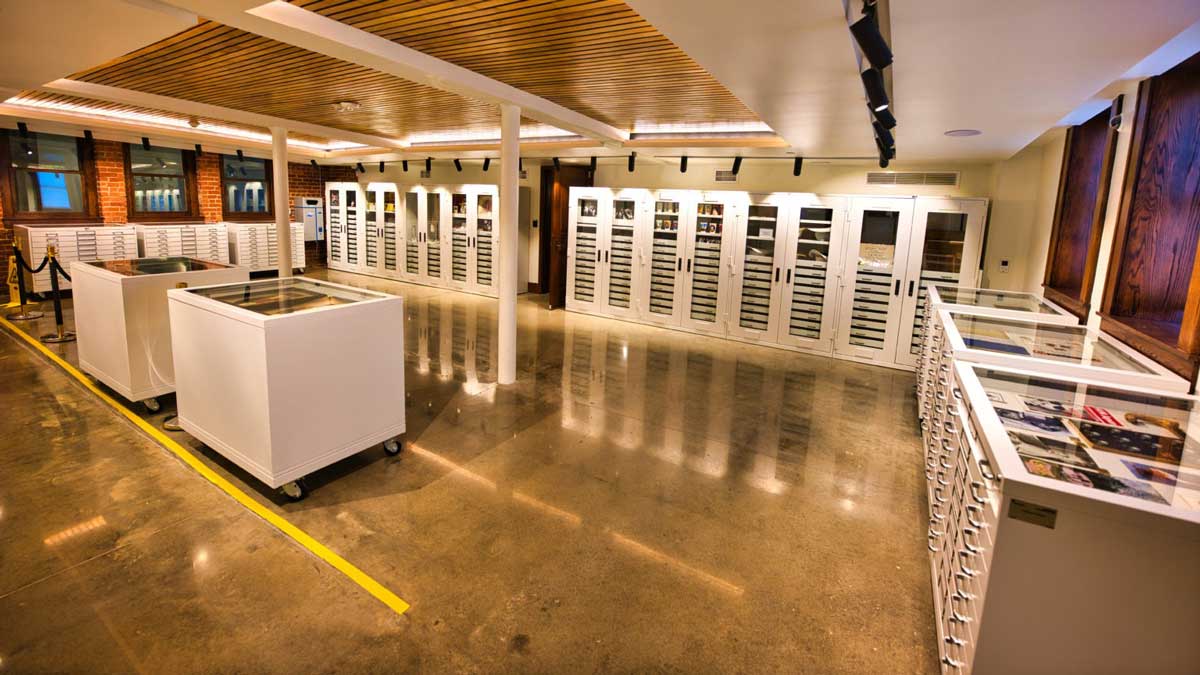
- Flat files for prints, maps, and textiles.
- Glass-front options for visible storage.
Frequently Asked Questions
Museum cabinets are designed with conservation-grade construction to protect collections from dust, humidity, and light exposure. These museum cabinets meet preservation requirements for artifacts, specimens, textiles, paper items, and other sensitive materials.
Yes, museum cabinets can include LED lighting and air extraction systems to support conservation conditions. These specialized features help protect artifacts stored inside museum cabinets while improving visibility for inspection and display.
Yes, museum cabinets can include solid doors for maximum protection or glass doors for visibility. Both options allow museum cabinets to support a range of curatorial and display needs.
Yes, museum cabinets use non off gassing, conservation-safe powder coat finishes. These finishes meet museum-grade standards for chemical stability and are approved by institutions such as the Smithsonian and NARA.
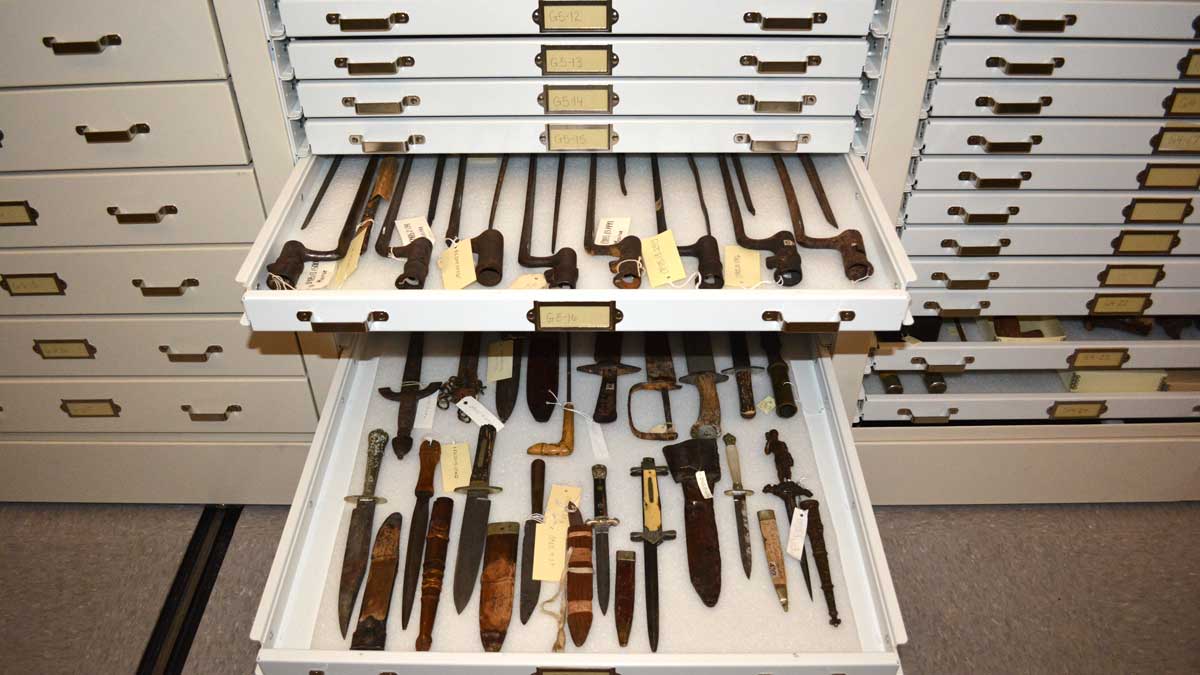
Museum storage cabinets can store a wide range of items including textiles, artwork, documents, fossils, tools, uniforms, and natural specimens. Cabinet interiors can be customized to fit collection-specific needs like flat files for paper, trays for insects, or reinforced drawers for geological samples.
Museum storage cabinets can store a wide range of items including textiles, artwork, documents, fossils, tools, uniforms, and natural specimens. Cabinet interiors can be customized to fit collection-specific needs like flat files for paper, trays for insects, or reinforced drawers for geological samples.
Yes. Adjustable shelving, removable trays, and modular interiors allow staff to reconfigure the layout as the collection expands or changes. This flexibility helps museums make the most of limited space over time.
Museum cabinets are available for paintings, entomology collections, herbariums, geology collections, rolled textiles, works on paper, and framed artifacts. Specialized drawers and compartments allow museum cabinets to store a wide variety of specimen types.
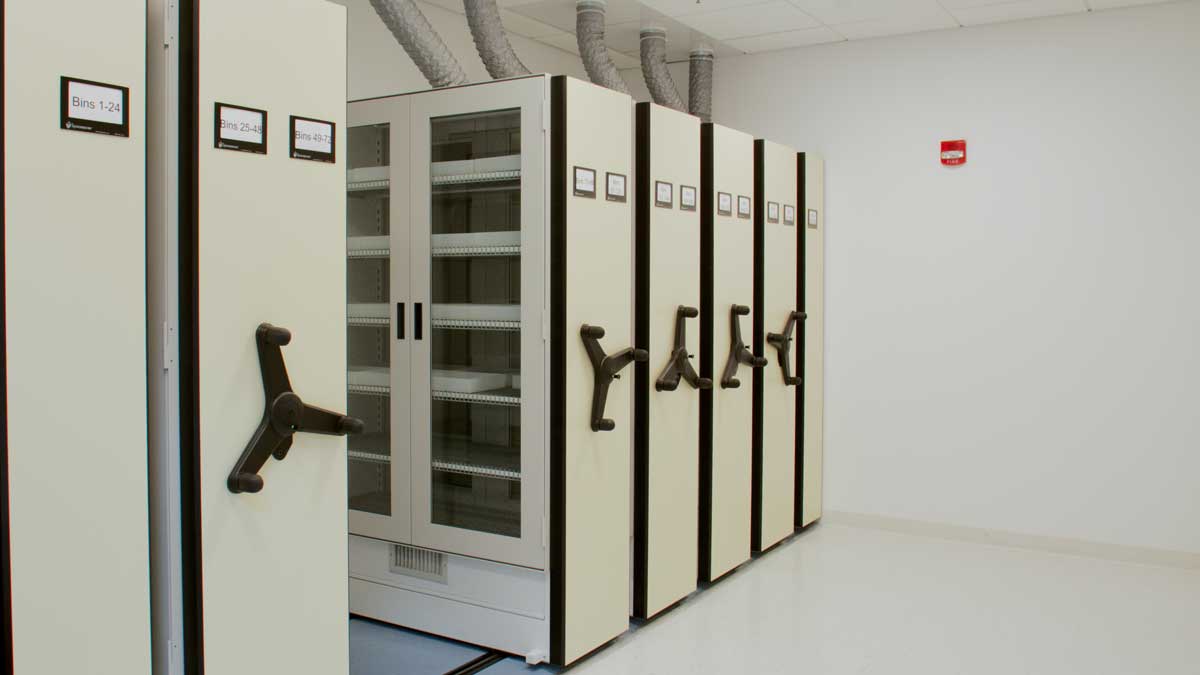
Yes, museum cabinets can be mounted on compact shelving or mobile carriage systems. This allows museum cabinets to maximize storage density and free up valuable floor space in archives and collection storage rooms.
Yes, museum cabinets can include removable doors for easier access and can also be equipped with heavy duty casters for mobility. These flexible museum cabinet features support reorganizing, cleaning, and transporting collections safely.
Yes, museum cabinets can accept standardized entomology drawers including Cornell, Smithsonian, California, and USNM drawers. This compatibility makes museum cabinets ideal for housing professional entomological collections.
Yes. Cabinets provide full enclosure, protect from contaminants, and improve storage density by eliminating wasted space between items. Most institutions gain 30 to 50 percent more capacity compared to standard shelving.
Museum-grade cabinets are built to meet preservation standards set by institutions like the AIC and SPNHC. They use powder-coated steel, sealed drawers, and inert construction materials for compliance with archival best practices.
Honest Results

“Southwest Solutions Group is an amazing company made so much better by having Daryl at the helm of Museum and Library storage space saving designs in the NW. Daryl is not only an expert in high density shelving systems, but he consistently tunes into optimizing long term solutions to complex storage needs and pliable projects. Always reliable and knowledgeable, Daryl and his Spacesaver’s team have been indispensable partners in our world of cultural preservation.”

“The new art racks are massive and beautiful! I cannot wait to hang art on the racks with those fancy hooks, wow! Thank you for helping me see the project through. The efforts of your team and installation really made the project go very smoothly and on time. We look forward to showing off the new and improved art storage room to our Director, Board Members, and Staff. Thanks a million, it has been a pleasure to work with you and your wonderful team on our paintings storage area.”

“I want to thank your entire team for the outstanding work on our art storage project. The process from beginning to end was smooth and enjoyable, and the finished room looks terrific! Chester, Bryan, Chris, Chris, and the other members were extremely thorough and a pleasure to work with. They followed our house rules and took our direction very well. Thanks again for an outstanding project, and I look forward to working with Southwest Solutions in the future should the opportunity arise”
Southwest Solutions Near You
With 7 offices in Texas, Oklahoma, Kansas and Colorado, plus teams covering every major metro area nationwide, Southwest Solutions Group delivers expert museum cabinet sales, design, installation, and maintenace support wherever you need it.
museum cabinet Service Areas
Texas
- Dallas
- Austin
- Houston
- San Antonio
- Waco
- Tyler
- Amarillo
- Lubbock
- El Paso
- Ft Worth
- Corpus Christi
- Midland
Oklahoma
- Oklahoma City
- Tulsa
- Norman
- Lawton
- Enid
- Stillwater
- McAlester
- Muskogee
Kansas
- Wichita
- Overland Park
- Topeka
- Kansas City
- Lawrence
- Manhattan
- Salina
- Hays
- Dodge City
- Garden City
Colorado
- Denver
- Colorado Springs
- Fort Collins
- Grand Junction
- Pueblo
- Durango
- Alamosa
- Steamboat Springs
Alabama
- Huntsville
- Birmingham
- Montgomery
- Mobile
- Tuscaloosa
- Hoover
- Dothan
- Decatur
Alaska
- Anchorage
- Fairbanks
- Juneau
- Sitka
- Ketchikan
- Kodiak
- Bethel
- Nome
Arizona
- Phoenix
- Tucson
- Flagstaff
- Yuma
- Prescott
- Lake Havasu City
- Sierra Vista
- Kingman
Arkansas
- Little Rock
- Fayetteville
- Fort Smith
- Jonesboro
- Hot Springs
- Pine Bluff
- Texarkana
- Bentonville
California
- Los Angeles
- San Diego
- San Francisco
- Sacramento
- Fresno
- Redding
- Bakersfield
- San Bernardino
Connecticut
- Hartford
- New Haven
- Stamford
- Bridgeport
Delaware
- Wilmington
- Dover
- Newark
- Rehoboth Beach
Florida
- Jacksonville
- Tallahassee
- Orlando
- Tampa
- Miami
- West Palm Beach
- Fort Myers
- Pensacola
Georgia
- Atlanta
- Savannah
- Augusta
- Columbus
- Macon
- Athens
- Valdosta
- Gainesville
Hawaii
- Honolulu
- Hilo
- Kahului
- Kailua-Kona
Idaho
- Boise
- Coeur d'Alene
- Twin Falls
- Idaho Falls
- Pocatello
- Lewiston
- McCall
- Sandpoint
Illinois
- Chicago
- Springfield
- Rockford
- Peoria
- Champaign
- Bloomington
- Carbondale
- Moline
Indiana
- Indianapolis
- Fort Wayne
- South Bend
- Evansville
- Lafayette
- Bloomington
- Terre Haute
- Gary
Iowa
- Des Moines
- Cedar Rapids
- Davenport
- Sioux City
- Iowa City
- Waterloo
- Council Bluffs
- Ames
Kentucky
- Louisville
- Lexington
- Bowling Green
- Owensboro
- Covington
- Paducah
- Ashland
- Richmond
Louisiana
- New Orleans
- Baton Rouge
- Shreveport
- Lafayette
- Lake Charles
- Monroe
- Alexandria
- Houma
Maine
- Portland
- Bangor
- Augusta
- Lewiston
- Waterville
- Presque Isle
- Bar Harbor
- Biddeford
Maryland
- Baltimore
- Annapolis
- Frederick
- Hagerstown
Massachusetts
- Boston
- Worcester
- Springfield
- Pittsfield
Michigan
- Detroit
- Grand Rapids
- Lansing
- Ann Arbor
- Flint
- Traverse City
- Marquette
- Kalamazoo
Minnesota
- Minneapolis
- St. Paul
- Duluth
- Rochester
- Mankato
- St. Cloud
- Bemidji
- Moorhead
Mississippi
- Jackson
- Gulfport
- Hattiesburg
- Biloxi
- Southaven
- Meridian
- Tupelo
- Natchez
Missouri
- Jefferson City
- St. Louis
- Kansas City
- Springfield
- Columbia
- Joplin
- Cape Girardeau
- St. Joseph
Montana
- Helena
- Billings
- Missoula
- Great Falls
- Bozeman
- Kalispell
- Havre
- Miles City
Nebraska
- Lincoln
- Omaha
- Grand Island
- Kearney
- Scottsbluff
- Norfolk
- North Platte
- Fremont
Nevada
- Las Vegas
- Reno
- Carson City
- Elko
- Pahrump
- Henderson
- Winnemucca
- Mesquite
New Hampshire
- Concord
- Manchester
- Portsmouth
- Keene
New Jersey
- Newark
- Jersey City
- Trenton
- Atlantic City
New Mexico
- Santa Fe
- Albuquerque
- Las Cruces
- Roswell
- Farmington
- Gallup
- Carlsbad
- Clovis
New York
- Albany
- New York City
- Buffalo
- Rochester
- Syracuse
- Binghamton
- Ithaca
- Plattsburgh
North Carolina
- Raleigh
- Charlotte
- Greensboro
- Asheville
- Wilmington
- Fayetteville
- Boone
- Greenville
North Dakota
- Bismarck
- Fargo
- Grand Forks
- Minot
- Dickinson
- Williston
- Jamestown
- Devils Lake
Ohio
- Columbus
- Cleveland
- Cincinnati
- Toledo
- Dayton
- Akron
- Youngstown
- Athens
Oregon
- Portland
- Salem
- Eugene
- Hermiston
- Baker City
- Medford
- Bend
- Klamath Falls
Pennsylvania
- Harrisburg
- Philadelphia
- Pittsburgh
- Erie
- Scranton
- State College
- Allentown
- Williamsport
Rhode Island
- Providence
- Warwick
- Newport
- Woonsocket
South Carolina
- Columbia
- Charleston
- Greenville
- Myrtle Beach
- Hilton Head Island
- Spartanburg
- Florence
- Rock Hill
South Dakota
- Pierre
- Sioux Falls
- Rapid City
- Aberdeen
- Watertown
- Brookings
- Mitchell
- Yankton
Tennessee
- Memphis
- Jackson
- Nashville
- Clarksville
- Cookeville
- Chattanooga
- Knoxville
- Johnson City
Utah
- Salt Lake City
- Ogden
- Logan
- Provo
- St. George
- Cedar City
- Moab
- Vernal
Vermont
- Montpelier
- Burlington
- Rutland
- Brattleboro
Virginia
- Richmond
- Norfolk
- Virginia Beach
- Roanoke
- Lynchburg
- Harrisonburg
- Fredericksburg
- Bristol
Washington
- Olympia
- Seattle
- Spokane
- Yakima
- Bellingham
- Wenatchee
- Kennewick
- Vancouver
West Virginia
- Charleston
- Huntington
- Morgantown
- Wheeling
- Parkersburg
- Beckley
- Martinsburg
- Bluefield
Wisconsin
- Madison
- Milwaukee
- Green Bay
- Eau Claire
- La Crosse
- Wausau
- Appleton
- Superior
Wyoming
- Cheyenne
- Casper
- Laramie
- Gillette
- Sheridan
- Rock Springs
- Jackson
- Cody
District of Columbia
- Washington D.C.
Gallery

Explore Our Secure Cabinets
Modular Drawer Cabinets
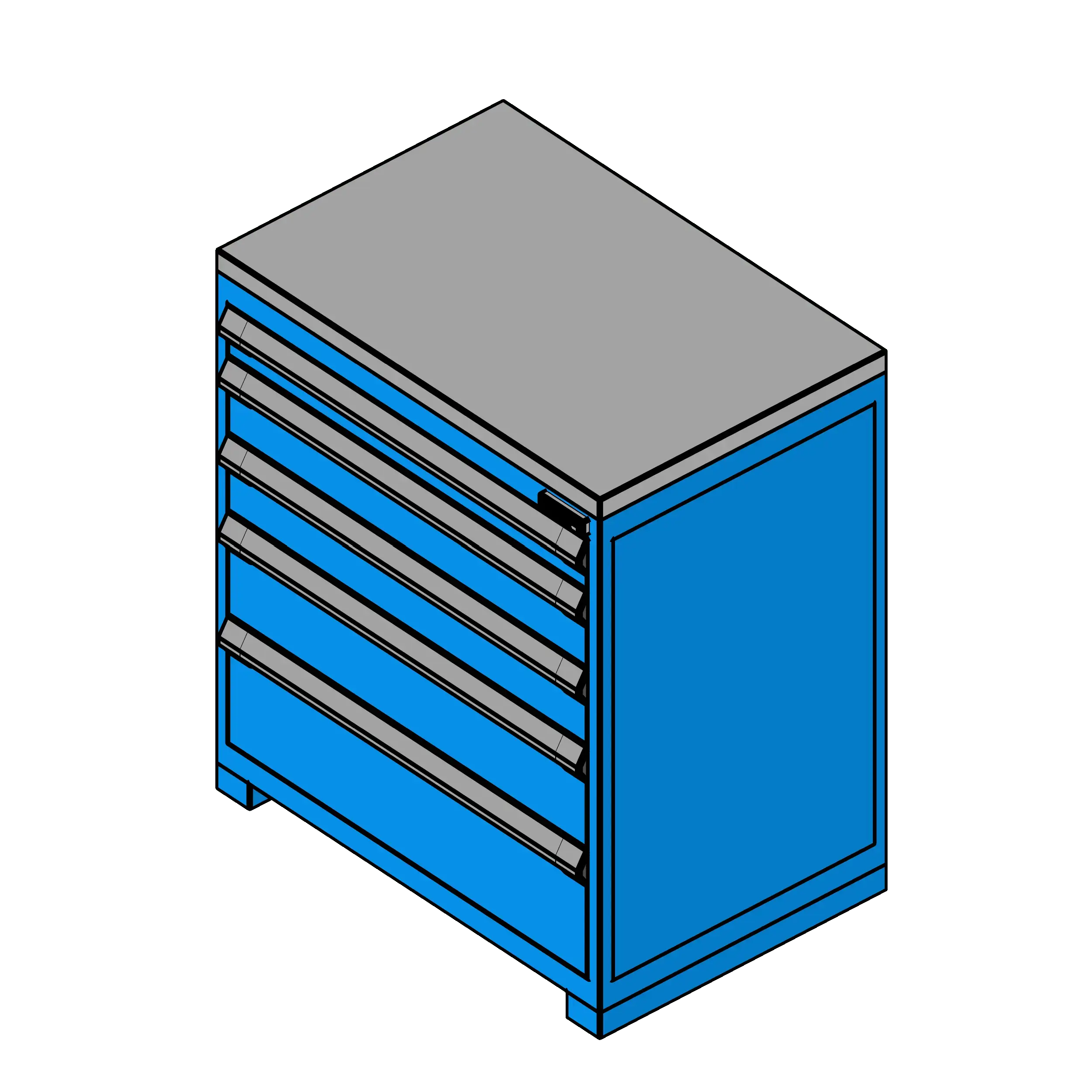
Maximize small part storage with stackable steel drawer cabinets. Full-extension, high-capacity drawers improve organization and access. Explore Modular Drawer Cabinets
Stainless Steel Cabinets
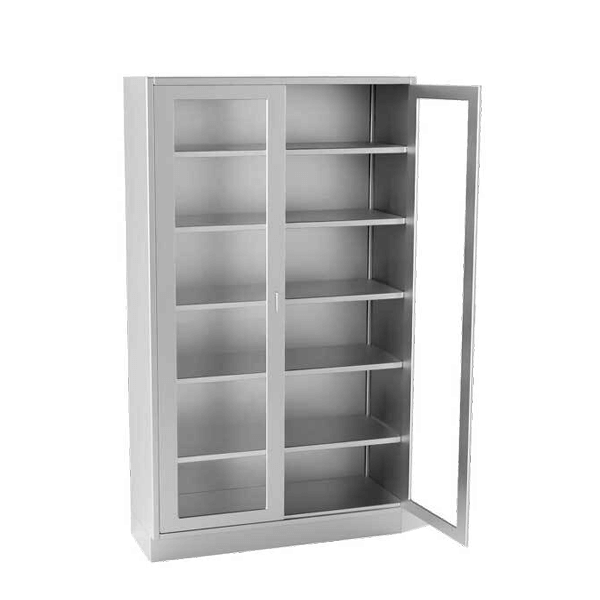
Durable stainless steel cabinets ideal for healthcare, lab, and industrial use—hygienic, modular, and built for long-term performance.
Explore Stainless Steel Cabinets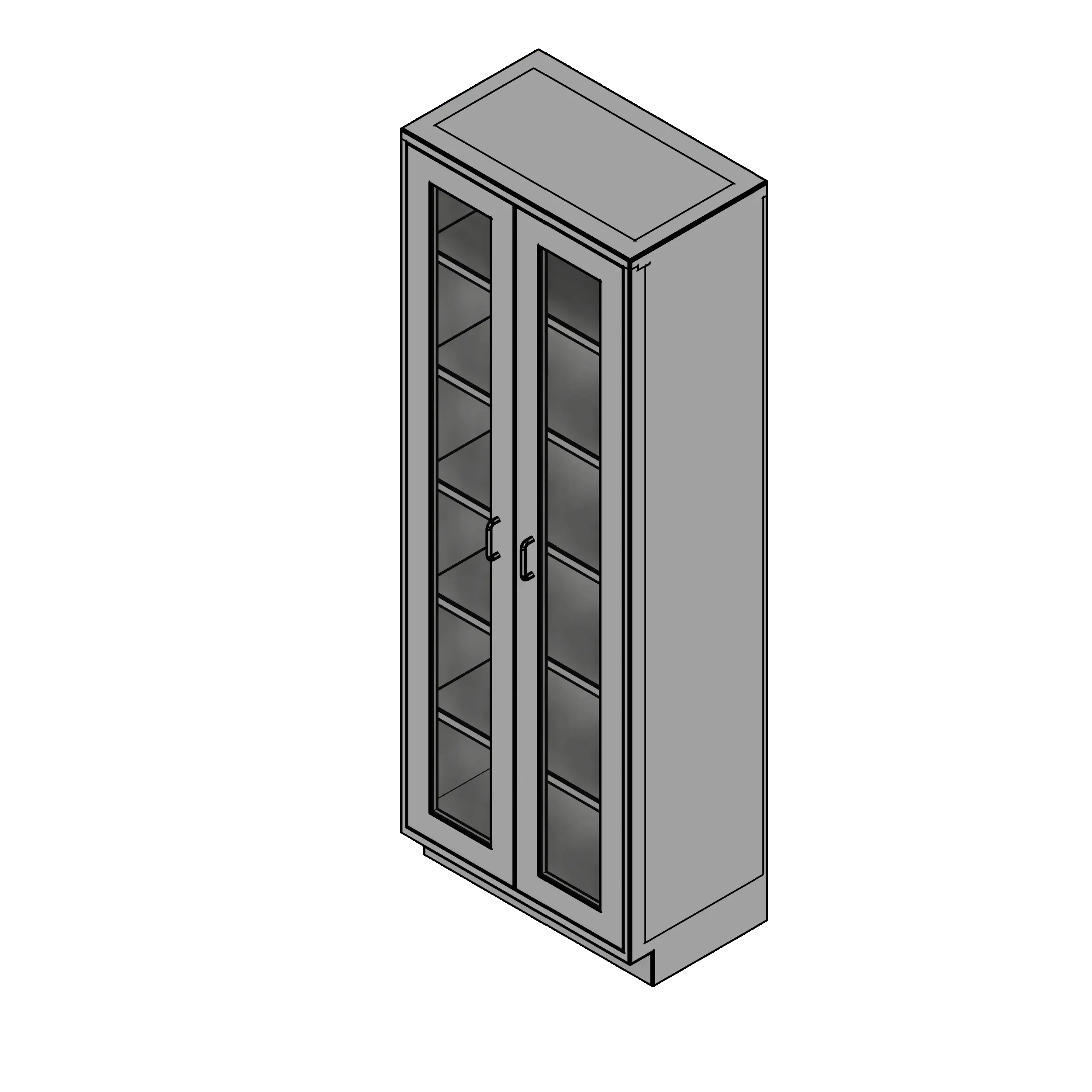
Storage Cabinets
Enclosed shelves for supplies, uniforms, or records. Choose from metal, laminate, or wood options for any room or back-of-house area.
Explore Storage Cabinets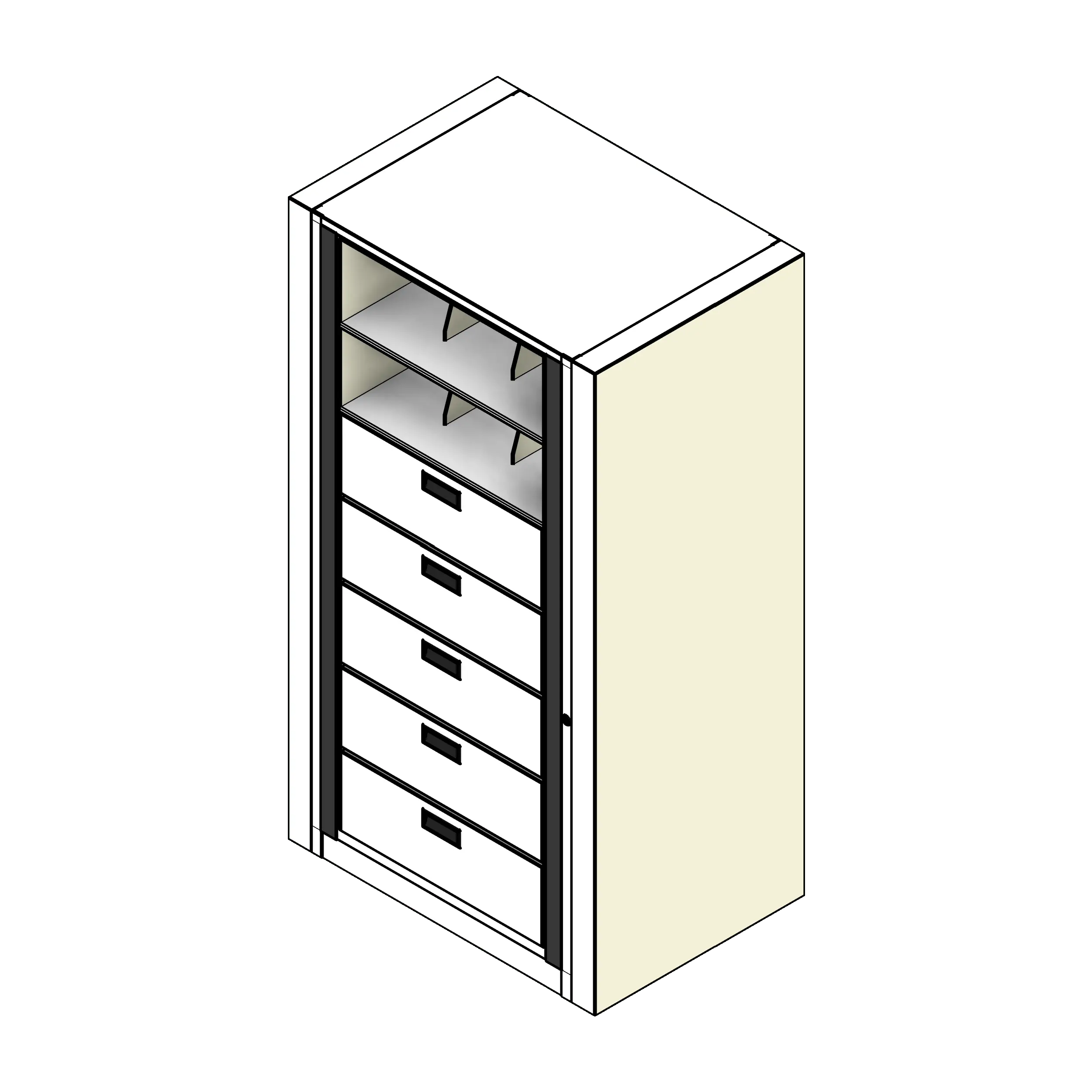
Rotating Cabinets
Rotating double-sided cabinets save space and increase capacity. Store files, binders, or supplies in a secure and compact footprint.
Explore Rotating Cabinets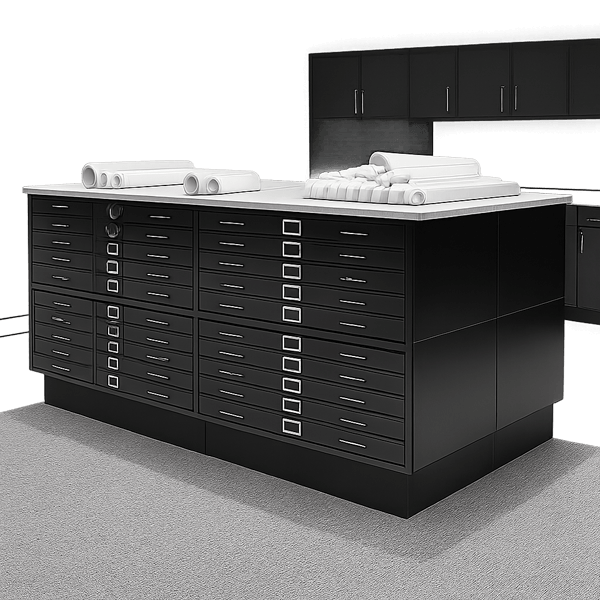
Flat File Cabinets
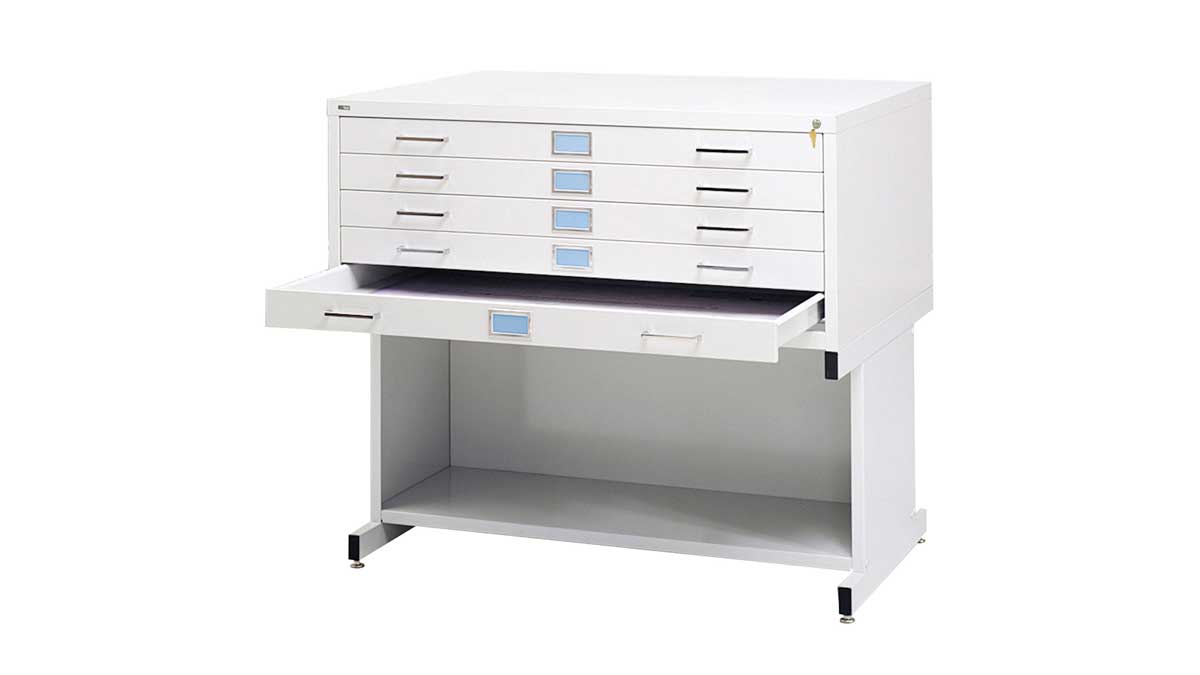
Preserve large documents, blueprints, and artifacts in customizable flat file cabinets built from durable steel for museums, libraries, and professionals.
Explore Flat File Cabinets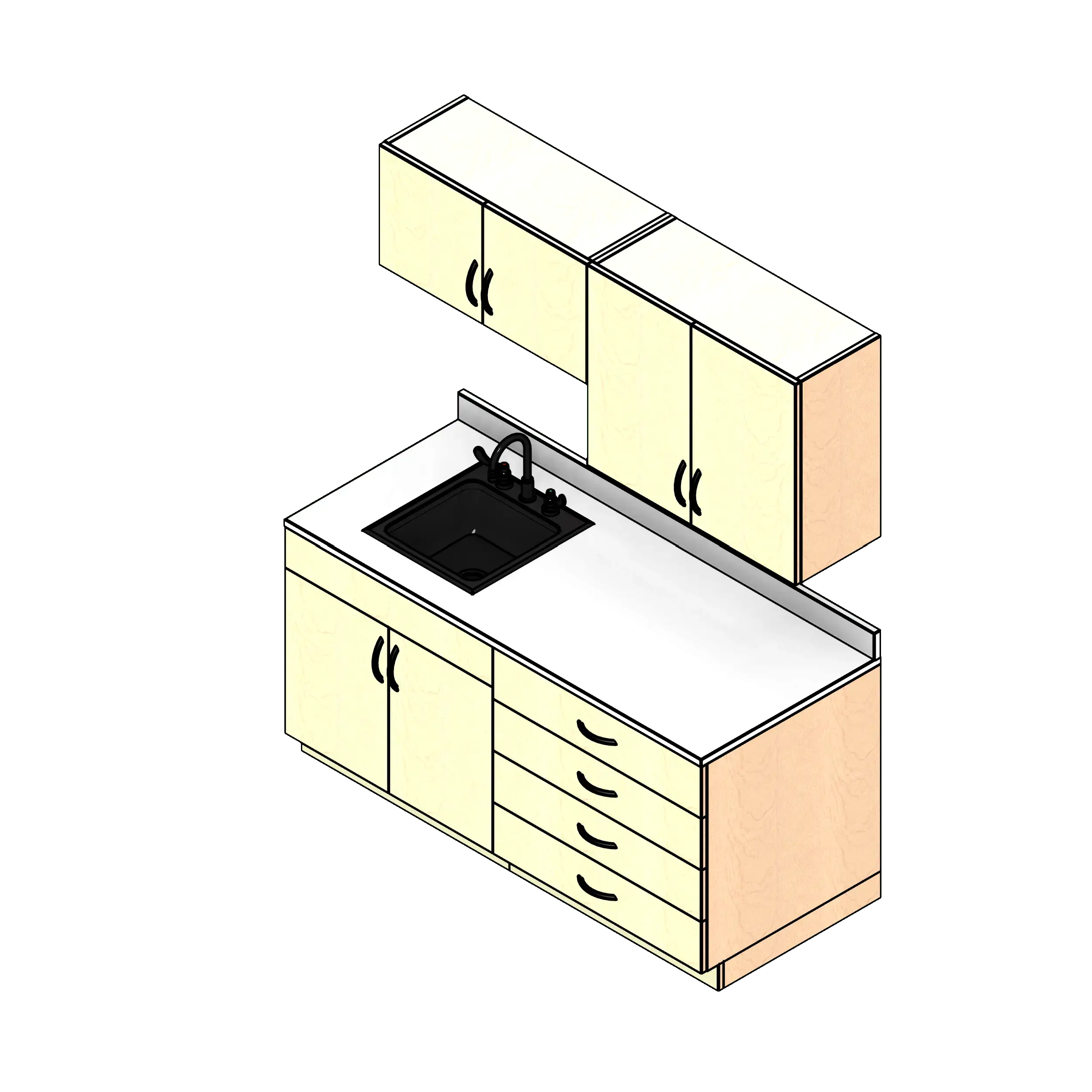
Breakroom Cabinets
Durable, configurable cabinets for employee lounges and mailrooms. Choose ADA-ready bases, wall units, and drawers in any finish.
Explore Breakroom Cabinets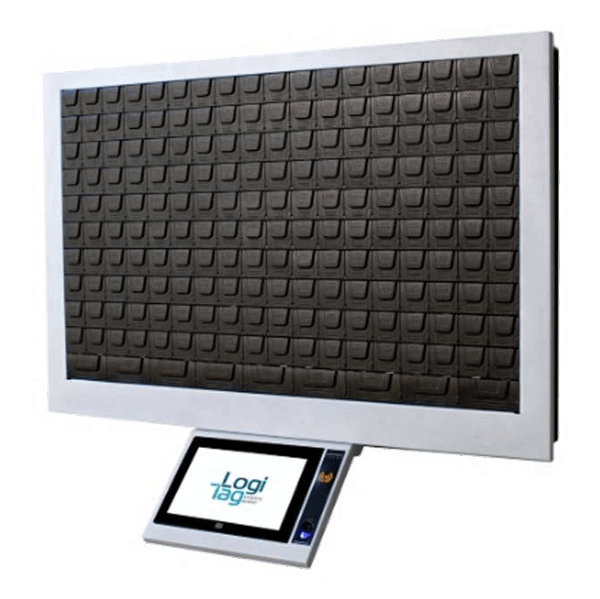
Electronic Key Cabinets
Secure, RFID-enabled electronic key cabinets track access and improve compliance with PIN, badge, or biometric login and real-time audit logs.
Explore Electronic Key Cabinets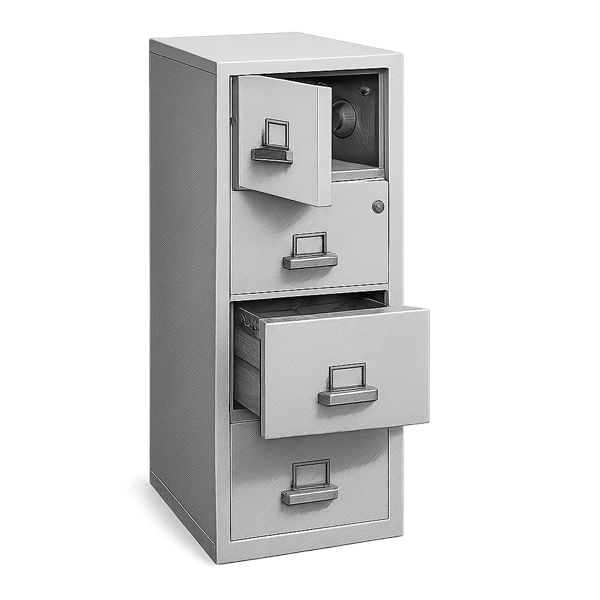
Fireproof File Cabinets
Secure vital paper records from fire, water, and theft with UL-rated fireproof file cabinets. Choose from vertical, lateral, and oversized styles.
Explore Fireproof File Cabinets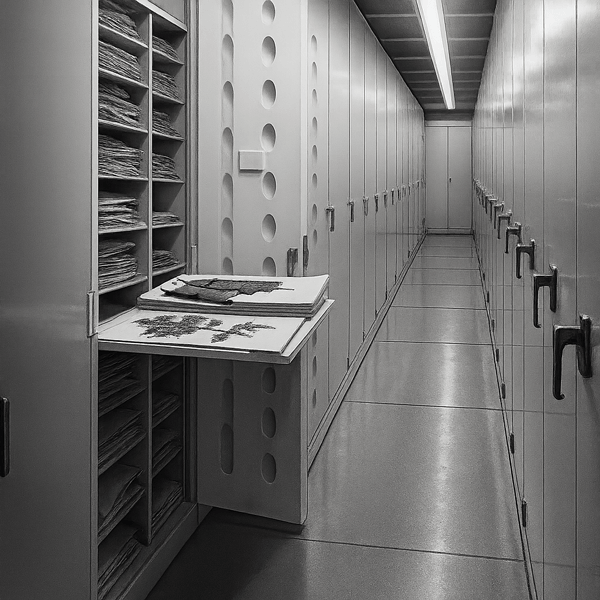
Herbarium Drying Cabinets
Store and dry botanical specimens with precision using herbarium cabinets designed for archival safety, airflow control, and pest-resistant sealing.
Explore Herbarium Drying Cabinets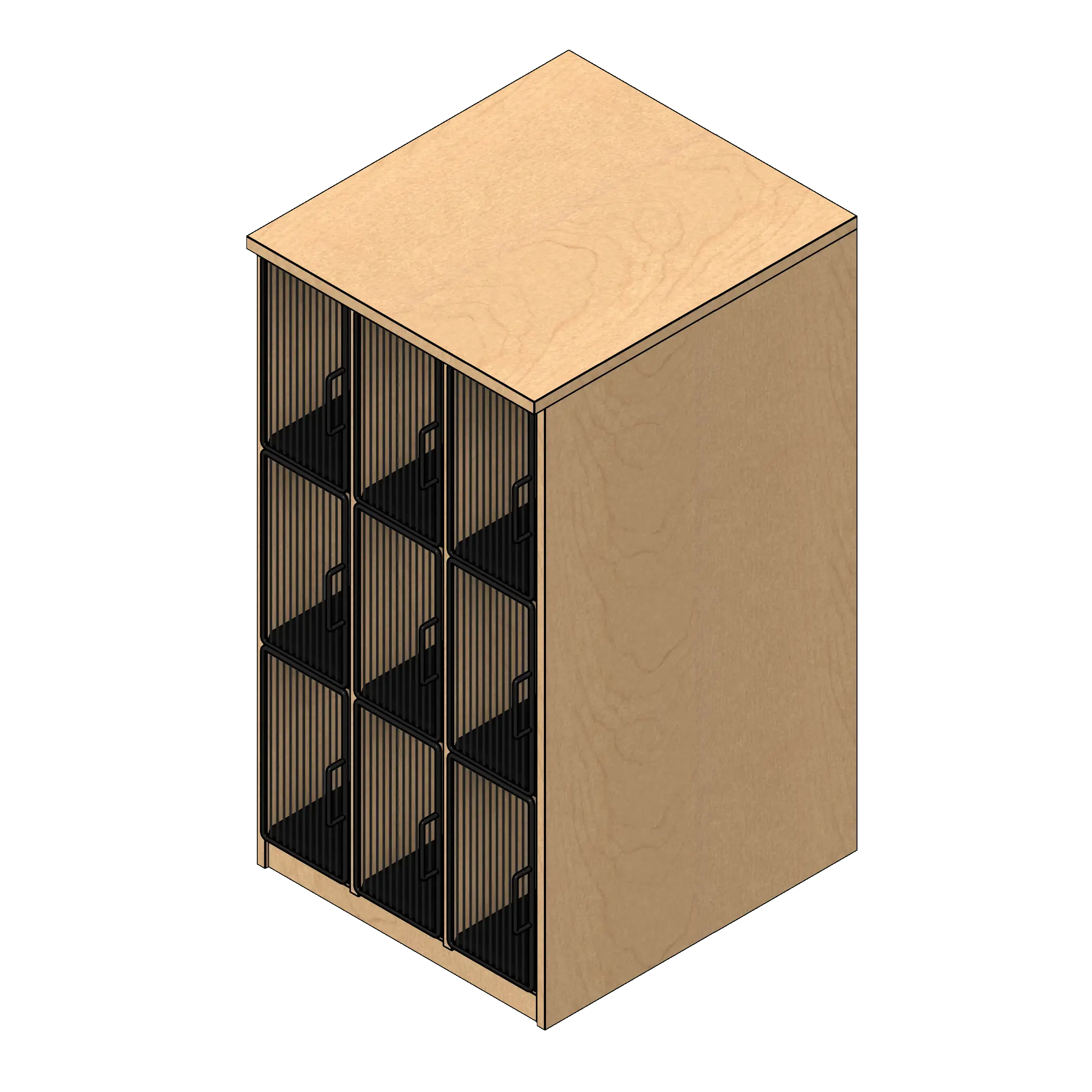
Music Storage Cabinets
Cabinets for instruments, sheet music, and audio gear. Vertical slots, drawers, or shelves support music rooms, studios, and schools.
Explore Music Storage CabinetsProtect Collections with Museum-Grade Storage Cabinets
Preserving collections requires more than just shelving. Museum storage cabinets provide the protection, organization, and adaptability that institutions need to support long-term conservation.
Whether you're building a new archive, retrofitting an existing storage area, or expanding your collection, Southwest Solutions Group will help you plan and implement a system that fits your space and preservation goals.
Call us at (800) 803-1083 or Contact Us to schedule your free consultation today.
REQUEST A FREE CONSULTATION